
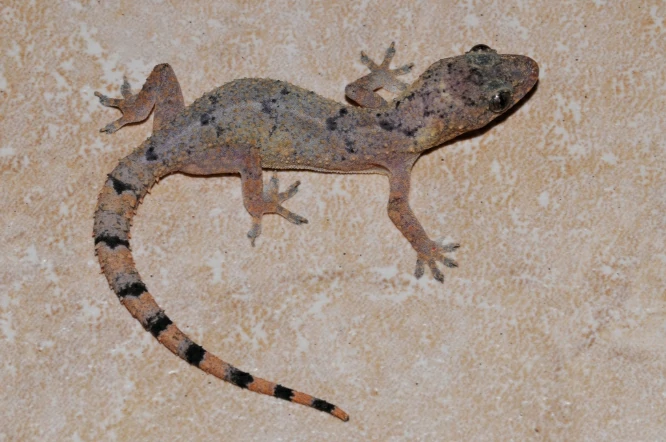
If you’ve ever watched a dog spot a gecko on the wall for the first time, you’ve probably seen that moment where the dog goes completely still, tilts its head, squints a little, and tries to make sense of this tiny creature that can somehow cling to a vertical surface without falling.
Some dogs bark. Some dogs whine. Some launch straight into chase mode like they were born for this exact moment. And some just stare, confused, as if trying to figure out what kind of strange little animal just entered their world.
And if you’re the dog’s human, you’ve probably had that immediate worry creep in right behind the funny moment: Are geckos dangerous to dogs?
No, geckos are generally not dangerous to dogs. They aren’t venomous, they aren’t poisonous to touch, they don’t release toxins, and they don’t attack pets. The only risk comes from dogs eating geckos, and even then, the danger is usually small.
Some people say geckos are totally safe. Some say geckos kill dogs. Some say gecko toxins exist. Some say they don’t. It gets confusing fast.
Why Dogs Get So Obsessed With Geckos Inside The House
Dogs and geckos cross paths in a very natural way. Geckos sneak inside homes for insects and warmth. Dogs live inside homes and respond to anything that moves. It’s the perfect recipe for confusion.
To a dog, a gecko isn’t a reptile. It’s just something small, fast, and alive. That flips the switch in a dog’s brain that says chase now, questions later.
Some dogs treat geckos like toys. Some treat them like prey. Some think they’re intruders. And some dogs genuinely find geckos exciting because geckos move unpredictably, like flickering shadows.
When a gecko darts across the wall or ceiling, the dog reacts instantly. Their instincts don’t wait for logic. They’re wired to respond to movement.
Even if the dog has seen geckos before, the sudden twitch of a tail, a flash of a toe, or a quick jump across a wall can reignite the chase instinct like it’s the very first time.
This dog instinct is a big reason why people start worrying. Because even though geckos won’t attack dogs, dogs absolutely might try to attack geckos.
And that leads to the next question people ask.
Do Geckos Harm Dogs By Biting?
This is the most common fear: dog gets too close, gecko bites, something bad happens.
Here’s the calm truth:
Geckos can bite dogs, but the bite is tiny, harmless, and barely noticeable.
A gecko doesn’t have strong jaws. It doesn’t have venom. It doesn’t latch on like a snake. Most geckos avoid biting unless they’re grabbed or cornered.
And even if they do bite:
-
it’s usually a soft pinch
-
most dogs don’t even react
-
there’s no toxin or venom involved
-
it doesn’t cause infections the way mammal bites do
Dogs are thousands of times bigger than geckos. To a gecko, a dog isn’t something to fight. It’s a living disaster. A gecko’s entire survival strategy is built on escape, not combat.
That means the gecko’s goal is never to harm the dog. Its goal is to get away before the dog’s curiosity becomes dangerous for the gecko itself.
Even in situations with larger geckos, like tokay geckos, the bite may feel sharp for a second but still isn’t medically dangerous. Dogs might yelp, but it’s more of a surprise than a health risk.
So no, a gecko bite won’t harm your dog.
But there’s a much bigger question.
What If A Dog Eats A Gecko? Is That Dangerous?
This is the real worry people have, because dogs put things in their mouths constantly. And geckos are small enough to swallow in seconds.
So here’s the truth, explained simply:
Geckos are not poisonous, and most dogs that eat a gecko experience no serious problems.
Many dogs eat a gecko once and never have any symptoms at all. But the story isn’t finished yet. There are layers to this, because not all geckos are the same, and not all regions have the same species.
Let’s walk through the different types of risks so things feel clearer, realistic, and not exaggerated.
Do Geckos Have Toxins Dangerous To Dogs?
This is where the misinformation online gets tricky.
Geckos do not have toxins or venom. They do not produce any poison, and do not have venomous bites.
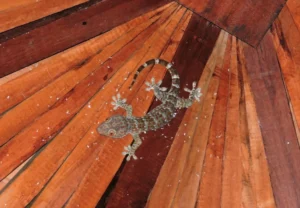
However, the stories about geckos being deadly poisonous usually come from:
-
confusion with toads (which do produce poisonous secretions)
-
old cultural folklore
-
misidentification
-
local myths
In reality:
Common house geckos are not toxic to dogs.
The most common species found in homes, such as:
-
Mediterranean house gecko
-
common house gecko (Hemidactylus frenatus)
-
tropical house gecko
-
dwarf geckos
-
day geckos
…are not known to produce any toxins harmful to dogs.
The nuance is important because it helps separate real risks from exaggerated stories. While a gecko might taste weird or be unpleasant for a dog if eaten, it won’t cause poisoning or organ damage.
What Geckos Can Cause Problems If A Dog Eats One?
Every risk in this situation comes from two sources: bacteria or parasites inside the gecko, or a dog’s digestive reaction to eating something unfamiliar.
Here’s how those risks actually work:
Bacterial risk (mild and uncommon)
Reptiles can carry bacteria like Salmonella, but geckos tend to have lower bacterial loads than larger reptiles.

If a dog eats a gecko that contains bacteria in its digestive tract, the dog might experience:
-
mild vomiting
-
mild diarrhea
-
a short period of upset stomach
Most dogs recover on their own. Symptoms usually pass within a few hours to a day.
Parasites inside wild-caught geckos
Wild geckos can have internal parasites. If a dog eats several geckos or eats geckos regularly, the dog could be exposed to:
-
coccidia
-
hookworm larvae
-
roundworm larvae
This is rare, but it can happen if a dog lives in a place with many wild geckos. These issues are treatable with routine deworming.
Large gecko species
Most geckos found indoors are tiny. But in some regions, larger geckos exist, including:
-
tokay geckos
-
giant day geckos
If a dog manages to grab one of these, the gecko might bite harder. Not dangerously, but forcefully enough to surprise the dog. The risk here isn’t toxin. It’s the physical size. A larger gecko could:
-
scratch the dog’s mouth
-
lodge in the dog’s throat if swallowed
-
trigger gagging or coughing
Again, not life-threatening, but something to keep in mind depending on your location.
Which Symptoms Should You Watch For If Your Dog Eats A Gecko?
Most of the time, nothing happens. But just to be thorough, here are symptoms that can show up for some dogs:
-
drooling
-
mild vomiting
-
soft stools or diarrhea
-
a bit of gagging
-
licking lips repeatedly
-
drinking more water
These usually pass quickly. If they last more than 24 hours, it’s worth calling a vet.
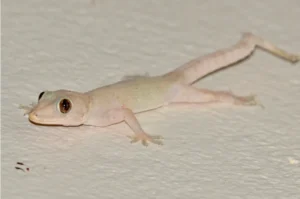
Very rarely, a dog may have a sensitive stomach that reacts more strongly. These dogs may need an anti-nausea medication or a probiotic to restore balance.
But again, for most healthy dogs, eating one gecko is more of a “gross snack” than a medical crisis.
Are Geckos Dangerous To Small Dogs Or Puppies?
This is where dog owners worry the most, especially if they have tiny breeds like Chihuahuas or Yorkies.
Here’s the clear version:
Geckos still aren’t dangerous to small dogs, but the reaction can be more noticeable simply because small dogs have sensitive stomachs.
A tiny dog eating anything unusual can show symptoms more dramatically:
-
faster vomiting
-
louder stomach gurgling
-
temporary refusal to eat
But the gecko itself still isn’t poisonous or harmful. The symptoms come from the dog’s digestive system adjusting to something weird. Puppies are the same. Their stomachs react strongly to new things, but the gecko itself isn’t toxic.
Do Geckos Attack Or Fight Dogs?
Absolutely not.
A gecko has no reason to fight a dog. It can’t win. It can’t injure the dog. It can’t defend itself effectively. Its only instinct is to run.
Even a gecko that’s cornered will:
-
try to escape
-
squeak or chirp
-
puff up slightly
-
drop its tail
-
dart away
It will not launch an attack because geckos simply don’t behave like that. Dogs might bark. Dogs might paw. Dogs might chase. But geckos aren’t predators. They’re tiny insect-eaters trying to survive.
Why Geckos Running Inside Your Home Can Confuse Your Dog
There’s something about the way geckos move that gets a dog’s attention. Geckos don’t walk the way dogs or cats do. They scurry. They freeze.
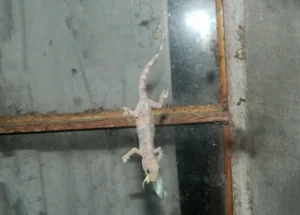
They suddenly sprint a few inches and stop again. Their movements trigger a dog’s prey-drive instincts in a way that’s basically irresistible.
Because geckos blend into walls and ceilings, dogs sometimes don’t notice them until they move. That split-second movement, especially in a quiet room, switches a dog’s brain instantly from calm to alert.
Some dogs even make a game out of gecko-watching, sitting still for long periods waiting for the gecko to move again. None of this is dangerous. It’s just instinct mixed with curiosity.
When Geckos Inside The House Become A Real Problem
Even though geckos aren’t dangerous, the situation can become annoying or stressful depending on your dog’s behavior. For example:
-
some dogs bark nonstop when they see a gecko
-
some try to jump at walls or furniture
-
some scratch surfaces while trying to reach a gecko
-
some knock things over chasing them
-
some get frustrated and restless
In these cases, the problem isn’t the gecko. It’s the dog’s reaction to the gecko. Dogs don’t need danger to have big feelings about something.
They just need movement and mystery.
If a dog becomes obsessed with geckos, you may need to reduce the opportunities for the dog to spot them by adjusting lighting or limiting areas the dog can reach at night.
How To Keep Your Dog Safe Around Geckos Without Removing Geckos Completely
A lot of people actually like having geckos around because they eat insects. And geckos don’t harm humans or pets. So instead of trying to eliminate them, you can control the interaction between your dog and the geckos.
Here are gentle ways to reduce unwanted dog-gecko encounters:
-
keep dog food bowls covered at night to avoid attracting insects
-
reduce bright indoor lights that attract bugs that geckos hunt
-
use baby gates to keep your dog out of rooms where geckos appear often
-
avoid letting dogs roam unsupervised at night indoors
-
seal large gaps near windows or doors
-
keep clutter low so geckos are less likely to hide at ground level
This keeps the environment calmer without harming the geckos or stressing the dog.
Conclusion
Geckos might look surprising or mysterious with their big eyes, sticky toes, and quick movements, but they are not dangerous to dogs. They aren’t venomous. They don’t carry poison. They won’t attack your pet.
And even if a dog manages to eat one, the most common outcome is absolutely nothing. At worst, a dog might have mild stomach upset that passes by the next day.
The only real risks come from bacteria or parasites inside wild geckos, but even those issues are mild, treatable, and uncommon. The gecko itself is harmless.
The dog’s reaction to the gecko is usually the bigger challenge.
So if your dog spots a gecko climbing up the wall tonight and decides it’s the most interesting thing in the universe, you don’t need to panic.
The gecko isn’t dangerous. It’s just a tiny reptile trying to live its life, find a bug to eat, and avoid the giant furry creature barking at the ceiling.

Hi, my name is Ezra Mushala, i have been interested animals all my life. I am the main author and editor here at snakeinformer.com.