
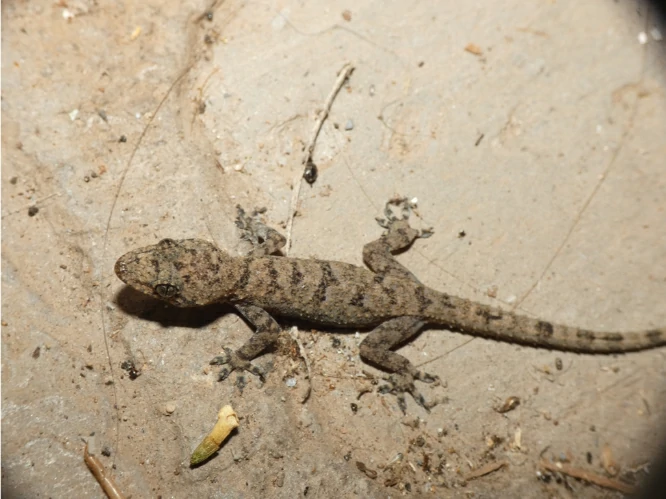
Have you ever seen your cat suddenly pounce on a little lizard darting across the floor and thought, “Could this gecko actually be dangerous to my cat?”
Cats are natural hunters, and geckos are small, quick, and wiggly enough to get even the laziest feline moving. But before you start worrying, it’s important to know exactly what geckos are, and what they aren’t.
No, geckos aren’t dangerous to cats. They don’t have venom or toxins, and their bites are tiny and harmless. The only thing a cat might risk is getting a little startled or frustrated if a gecko squirms away. Otherwise, geckos and cats can usually be around each other without any real danger. The main risks to your cat come from bacteria, like salmonella, or parasites that geckos may carry.
Even though a gecko can’t poison a cat, it’s still a good idea to watch these encounters.
Cats are curious, and their hunting instincts can get them into trouble if they actually try to eat a gecko.
Knowing how these interactions work can help you keep your cat safe while letting them enjoy a bit of natural play.
Why Cats Love Chasing Geckos
Cats are natural hunters. Even indoor cats often pounce on tiny moving objects; bugs, toys, or geckos.
That twitching tail, quick darting movements, and sudden stops get your cat’s hunting instincts going.
It’s not just about food. Many cats chase for practice or for fun. Geckos are the perfect size for this: small, fast, and unpredictable.
Most of the time, your cat is just batting at the gecko with their paws, chasing it around, and losing interest before any real harm happens.
Watching a cat interact with a gecko can be really interesting. They may crouch low, wiggle their tails, or make that intense hunting stare.
Some cats even do those little “silent stalking” movements before they leap, which shows how strong their instincts are.
For many indoor cats, this behavior is their main way to practice hunting, and geckos are harmless little targets.
How Geckos Protect Themselves
Even though geckos aren’t poisonous, they have some clever ways to avoid becoming cat food.
One of the most well-known is tail autotomy, which means dropping their tail when threatened.
The tail keeps wiggling, distracting the cat, while the gecko escapes. The gecko will eventually grow its tail back, sometimes a bit shorter, but it’s a harmless and effective escape method.
Geckos are also very fast and agile. They can climb walls, dart into small cracks, or stick to ceilings.
Their small size and quick reflexes make it hard for cats to catch them.
Many species rely on camouflage, blending into walls or furniture, which can confuse your cat and help the gecko escape unnoticed.
Some geckos may also release mild skin secretions that make them taste bitter. This isn’t dangerous to cats, but it’s enough to make them lose interest.
Basically, geckos survive by being tricky, fast, and a little unappealing, not by being harmful.
Can Cats Get Sick From Geckos?
The main risk to cats comes from salmonella and parasites. Geckos can carry bacteria in their digestive systems, which may pass to cats if the gecko is bitten or eaten.
Salmonella can cause vomiting, diarrhea, mild dehydration, or stomach upset.
Geckos can also carry parasites, like tapeworms. If a cat eats an infected gecko, the parasites can attach to the cat’s intestines, causing digestive problems or needing treatment from a vet.
For most healthy cats, exposure to salmonella or parasites from a single gecko is unlikely to be serious.
Cats have strong stomach acids that destroy many harmful bacteria, and their immune systems usually handle minor exposure without trouble.
That said, repeated consumption of wild geckos could increase the risk, so keeping an eye on your cat is always a good idea.
What Symptoms To Watch For After A Gecko Encounter
Even though most cats handle these encounters well, it’s smart to watch your cat for any signs of discomfort after catching or eating a gecko. Some mild symptoms can include:
-
Slight drooling
-
Pawing at the face or mouth
-
Mild vomiting or diarrhea
-
Lethargy or reduced appetite
If your cat shows more serious symptoms (persistent vomiting, bloody diarrhea, or unusual behavior) it’s time to contact your vet.
These severe reactions are rare but can happen if a cat swallows a larger gecko or one with more parasites.
Sometimes cats might also paw at their face repeatedly if the gecko’s skin secretions irritated them.
Watching your cat for a few hours after an encounter usually tells you whether any medical attention is needed.
Why Geckos Don’t Actually Bite Cats
Geckos have small mouths and weak jaws. They aren’t aggressive and won’t attack unless cornered.
Even if your cat grabs a gecko, the reptile can’t do any real harm beyond maybe a light scratch. Their main defense is to run or drop their tail, not fight back.
The risk from toxins is zero because geckos don’t make them. Any mild irritation your cat gets would come from bacteria or parasites, not poison.
Even playful swipes or small nips from a gecko are harmless to a healthy cat.
Are Indoor Cats Safer Around Geckos?
Indoor cats are at very low risk. Most house geckos are small, common species that don’t carry much bacteria or parasites. If your cat catches one inside, it’s usually just a harmless chase.
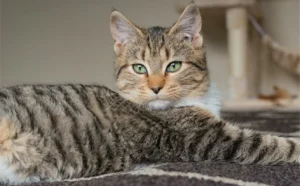
Still, it’s a good idea to discourage eating. Even if the gecko is non-toxic, swallowing it could expose your cat to salmonella or parasites.
You can redirect your cat’s attention with toys or treats and let them practice hunting safely. Some cat owners even use small mechanical toys that move like geckos to satisfy hunting instincts indoors without any risk.
Outdoor Cats Face Slightly Higher Risks
Cats that go outside may come across wild geckos, which can carry more bacteria or parasites than indoor geckos.
Outdoor cats that catch and eat these lizards have a slightly higher chance of digestive upset or parasitic infection.
Regular vet checkups, deworming, and watching your cat’s health are simple ways to reduce risk. Most outdoor cats handle these encounters just fine, but being aware is key.
Knowing about your local gecko population helps you plan for possible encounters safely.
How Geckos Teach Cats Caution
Even though geckos aren’t dangerous, they can still teach cats a lesson. Their quick escapes, small size, and unpredictable movements help cats learn patience and careful hunting. Many cats quickly figure out that geckos are fun to chase but not worth eating.
Over time, this natural learning keeps your cat safe from parasites and lowers the chance of actually eating a gecko.
Some cats even seem to “respect” geckos, showing interest but not trying to eat them after a few encounters.
Can Kittens or Older Cats Be More Vulnerable?
Young kittens and older cats may be more sensitive to parasites or salmonella. Their immune systems aren’t as strong as healthy adult cats, so even minor exposure could cause mild digestive upset.
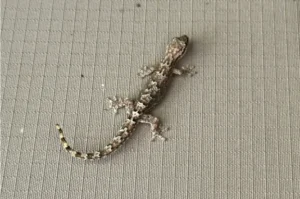
Watching these cats is especially important. Keep a close eye during gecko encounters, and discourage eating the gecko.
Extra care is also needed for cats with health issues or weak immunity.
What To Do If Your Cat Eats A Gecko
If your cat swallows a gecko, here’s what to do:
-
Watch your cat for a few hours for drooling, vomiting, diarrhea, or lethargy.
-
Keep your cat calm and indoors so you can monitor them.
-
Contact your vet if you notice persistent or severe symptoms.
-
Bring a sample of the gecko if possible, it helps the vet identify parasites or bacteria.
In most cases, your cat will only have mild, short-lived digestive upset. Serious problems are extremely rare. Watching closely and staying calm is usually all that’s needed.
How To Reduce Risks From Geckos
Even though geckos aren’t poisonous, there are ways to keep your cat safe:
-
Redirect hunting instincts: Use toys or treats instead of letting them eat the gecko.
-
Watch outdoor cats: Make sure they don’t bring home wild geckos often.
-
Regular vet care: Keep up with deworming and checkups.
-
Hygiene: Wash your cat’s paws if they’ve handled a gecko to remove bacteria or parasites.
These small steps let your cat enjoy natural hunting safely.
Conclusion
So, are geckos dangerous to cats? No, not in terms of poison or venom. Geckos are reptiles with dry, waterproof skin, and they don’t make toxins.
The main risks come from salmonella bacteria and parasites, which could cause mild digestive upset if a cat bites or eats a gecko.
Most healthy cats handle these encounters just fine. Indoor cats face minimal risk, while outdoor cats might come across wild geckos with slightly higher bacteria or parasite exposure.
By watching interactions, discouraging eating, and checking your cat for symptoms, you can let your cat explore safely.
In the end, geckos are more at risk from your cat than the other way around. With a little awareness, both your cat and the little gecko can live safely, even if curiosity gets the best of your feline hunter every now and then.

Hi, my name is Ezra Mushala, i have been interested animals all my life. I am the main author and editor here at snakeinformer.com.