

Rats are smart, cautious creatures that won’t just walk into any trap you set. If you want to catch them, you need the right bait that they can’t resist.
The food you choose can make the difference between an empty trap and actually catching the rat that’s been causing problems in your home. So what food can you use to trap a rat?
The best foods to trap a rat are peanut butter, bacon, dried fruit, nuts, and chocolate. Peanut butter works especially well because it’s sticky, smells strong, and forces the rat to spend time working at it, which increases your chances of triggering the trap.
These foods work because rats are attracted to high-calorie, high-fat foods that give them lots of energy. Peanut butter is the top choice for most people because it sticks to the trap’s trigger plate, so the rat can’t just grab it and run.
A Quick Look at the Most Effective Food For Trapping Rats
If you’re not sure which bait to try first, it helps to see your options side by side. Some baits work better because they’re sticky, while others rely on strong smells or high fat content to attract rats quickly.
Here’s a simple breakdown of the most effective rat baits and how to use them:
| Bait Type | Why It Works | Best Way to Use It | Effectiveness |
|---|---|---|---|
| Peanut Butter | Sticky, strong smell, high in fat | Small smear on trigger plate | ⭐⭐⭐⭐⭐ |
| Bacon | Strong fatty smell attracts rats quickly | Tie a small piece to the trigger | ⭐⭐⭐⭐⭐ |
| Bacon Grease | Intense scent spreads easily | Light smear on trap | ⭐⭐⭐⭐☆ |
| Nuts (Almonds, Walnuts, Pecans) | High fat and protein content | Use whole or crushed, secure if possible | ⭐⭐⭐⭐☆ |
| Nut Butter | Similar to peanut butter, sticky and rich | Thin smear on trigger | ⭐⭐⭐⭐⭐ |
| Dried Fruit (Raisins, Apricots, Cranberries) | Sweet, sticky, long-lasting | Press onto trigger plate | ⭐⭐⭐⭐☆ |
| Fresh Fruit (Apple, Banana) | Sweet and appealing, but spoils quickly | Small pieces, replace often | ⭐⭐⭐☆☆ |
| Chocolate | Sweet smell and high fat content | Small secured pieces | ⭐⭐⭐⭐☆ |
| Cheese (Hard) | Mild attraction, stronger smell helps | Use small firm pieces | ⭐⭐☆☆☆ |
This gives you a quick starting point, but don’t worry if the first bait you try doesn’t work.
Rats can be picky depending on what food sources they’re used to, so sometimes it takes a bit of trial and error to figure out what they prefer.
Why Peanut Butter Is the Best Rat Bait
Peanut butter is hands down the most popular rat bait, and there’s good reason for that. When you put peanut butter on a trap, the rat has to lick and nibble at it to get it off. This takes time, and the more time the rat spends on the trap, the more likely it is to trigger it.
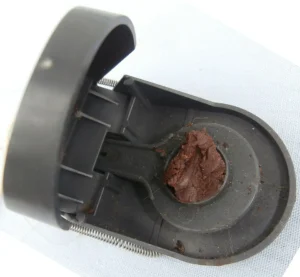
The smell of peanut butter also travels really well. Rats have an excellent sense of smell, and they can detect peanut butter from pretty far away. This helps draw them to your trap in the first place.
You only need a small amount, about the size of a pea. If you use too much, the rat might be able to lick it off without putting enough pressure on the trigger. A thin smear right on the trigger plate works best.
Other High-Fat Foods That Work Great
If you don’t have peanut butter or the rats in your area seem to ignore it, bacon is your next best option. Rats are drawn to the strong, fatty smell of bacon, and you can tie a small piece directly to the trigger.
Bacon grease also works really well. You can smear a little bit on the trap, and the scent will attract rats from other areas of your home. Just like with peanut butter, a little goes a long way.
Nuts like almonds, walnuts, or pecans are also good choices. You can use whole nuts or nut butter. Rats love these because they’re high in fat and protein, which is exactly what they look for when they’re searching for food.
Dried Fruits and Sweet Foods Rats Love
Dried fruits are another solid option for rat bait. Raisins, dried apricots, and dried cranberries all work well. Rats are attracted to the concentrated sugars in dried fruit, and these foods are sticky enough to stay on the trap.
You can also use small pieces of fresh fruit like apple slices or banana, but these don’t last as long. If you’re setting traps overnight or for a few days, dried fruit is better because it won’t rot or attract other pests like ants.
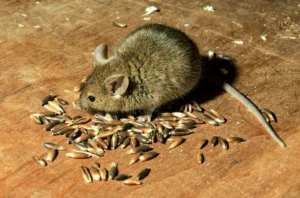
Chocolate is surprisingly effective too. Rats are drawn to the sweet smell and high fat content. Small pieces of chocolate candy or chocolate chips can work, but make sure you secure them to the trap so the rat can’t just grab them and leave.
Why Cheese Isn’t as Good as You Think
You’ve probably seen cartoons where mice and rats love cheese, but in real life, cheese isn’t the best bait option. Rats will eat cheese if it’s available, but they don’t prefer it over other foods.
Hard cheeses can work okay, but soft cheeses can get messy and might not stick to the trap well. If you’re going to use cheese, sharp cheddar or parmesan are better choices because they have a stronger smell.
The main problem with cheese is that it’s not as attractive to rats as high-fat foods like peanut butter or bacon. You’ll have better results if you skip the cheese and go with something else.
Foods to Avoid Using as Rat Bait
Some foods just don’t work well as rat bait, even if they seem like they should. Bread and crackers aren’t great because they don’t have a strong smell and rats can easily grab them without triggering the trap.
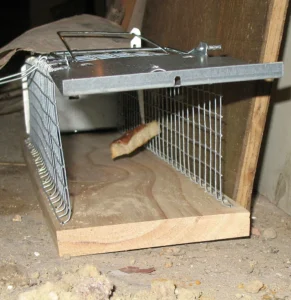
Dog food and cat food can attract rats, but they’re usually too big and heavy for snap traps. The rat might be able to push the food around without setting off the trap, or other animals like your pets might get to it first.
Raw meat can work, but it spoils quickly and can create a horrible smell in your home if the trap doesn’t catch anything right away. It’s also messy to handle and can attract flies and other pests you don’t want.
How to Apply Bait to Your Rat Trap
The way you put bait on your trap matters just as much as what bait you use. For snap traps, you want to put a small amount right on the trigger plate or bait pedal. This forces the rat to step on the trigger to reach the food.
If you’re using a sticky bait like peanut butter, use a toothpick or small stick to smear it on. You don’t want to use your fingers because the smell of human skin can make rats more cautious about approaching the trap.
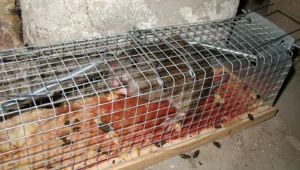
For live catch traps, you can be more generous with the bait. Put it at the very back of the trap so the rat has to walk all the way in to reach it. This gives the trap time to close behind them.
Where to Place Baited Traps for Best Results
Even the best bait won’t work if you put your trap in the wrong spot. Rats travel along walls and in corners because it makes them feel safer. They don’t like crossing open spaces where they’re exposed.
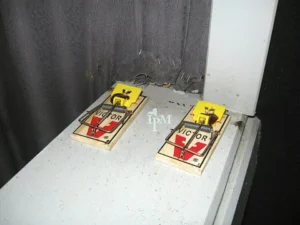
Look for signs of rat activity like droppings, gnaw marks, or greasy smudges along baseboards. These tell you where rats are traveling, and that’s where your traps should go.
Put traps perpendicular to the wall with the trigger end facing the wall. This way, when the rat runs along the wall, it’ll run right into the bait. You can also put two traps side by side to catch rats coming from either direction.
How Often to Change Your Bait
Fresh bait works better than old bait. If your trap has been set for more than two or three days without catching anything, replace the bait with something fresh.
Peanut butter can dry out after a few days, and the smell won’t be as strong. Bacon and other meat products can spoil and actually repel rats instead of attracting them.
If you catch a rat, clean the trap thoroughly before setting it again. Dead rats leave a scent that can warn other rats to stay away. Wash the trap with soap and water, let it dry, and then apply fresh bait.
Using Multiple Types of Bait
You don’t have to stick with just one type of bait. If you’re dealing with multiple rats or you’re not sure what they prefer, try different baits on different traps.
Some people have success mixing peanut butter with a little bit of oatmeal or cereal to create a paste that’s even more attractive. You can also try combining peanut butter with a small piece of dried fruit.
Watch which traps catch rats and which ones get ignored. This tells you what the rats in your area prefer, and you can focus on using that bait going forward.
What If the Bait Keeps Disappearing?
If you notice that bait is disappearing from your traps without catching anything, the rats are probably smart enough to steal it without triggering the trap. This happens more often with larger bait pieces or when the trap isn’t sensitive enough.
Switch to a stickier bait like peanut butter that can’t be removed easily. You can also try setting the trap to be more sensitive, though you need to be careful not to make it so sensitive that it goes off on its own.
Another trick is to bait the trap but don’t set it for the first night or two. Let the rats get comfortable taking food from it. Then, once they’re visiting regularly, set the trap and you’ll have a much better chance of catching them.
Combining Bait with Proper Trap Placement
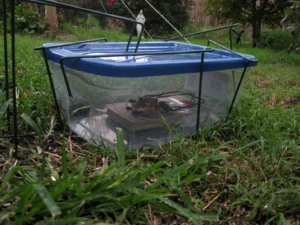
The best bait in the world won’t help if your traps aren’t in the right spots. Rats are creatures of habit and they use the same paths over and over again. You need to put your traps directly in these paths.
Tony Alter (CC BY 2.0)
Check your attic, basement, garage, and anywhere you’ve seen droppings or heard scratching sounds. Rats also love to travel along pipes, wires, and beams, so look for places where these cross or meet walls.
If you’re not catching anything after a week, move your traps to a different location. Sometimes you just need to find where the rats are actually traveling, and it might take a few tries to figure that out.
Safety Tips When Baiting Rat Traps
Always wash your hands after handling rat bait and traps. Rats can carry diseases, and you don’t want to transfer anything to your food or face.
If you have pets or small children, be extra careful about where you place baited traps. Snap traps can hurt curious pets, and you don’t want kids getting into poison baits if you decide to use those later.
Wear gloves when you’re setting traps, especially if you’re using raw meat or handling traps that have caught rats. This protects you and also keeps your scent off the traps, which makes rats less suspicious.
Conclusion
The food you use to bait your rat trap can make or break your success in catching these pests. Peanut butter tops the list because it’s sticky, smells great to rats, and forces them to spend time on the trigger plate.
Bacon, nuts, dried fruit, and chocolate are all excellent backup options that work just as well in most situations.
Remember to use small amounts of bait, place your traps along walls where rats travel, and replace old bait every few days. If one type of food isn’t working, don’t be afraid to try something different.
Rats in different areas might have different preferences based on what food sources are available to them.
With the right bait and proper trap placement, you’ll have a much better chance of solving your rat problem quickly and effectively.

Hi, my name is Ezra Mushala, i have been interested animals all my life. I am the main author and editor here at snakeinformer.com.