

You’ve lived in your house for years without any problems, and then one day you see a rat running across your kitchen floor. Or maybe you start hearing scratching sounds in your walls that weren’t there before.
It feels like rats just appeared out of nowhere, and you can’t figure out why. So why do rats suddenly appear in places where they’ve never been before?
Rats don’t actually appear suddenly. They’ve usually been around for a while, but you just didn’t notice them. Rats are sneaky and mostly active at night, so by the time you see one rat, there are probably several more hiding in your walls, attic, or basement. Changes in weather, nearby construction, or new food sources can also bring rats into your home.
What seems like a sudden rat problem has usually been building up slowly over time. You’re just seeing the evidence now because the population has grown large enough or they’ve gotten bold enough to come out where you can see them.
Rats Were Already There, You Just Didn’t Know It
Here’s the thing about rats: they’re really good at staying hidden. A small number of rats can live in your house for weeks or even months without you knowing they’re there.

They come out at night when you’re asleep, they move through spaces inside your walls that you can’t see, and they’re naturally cautious about being spotted. This is how they survive.
By the time you actually see a rat during the day or find clear signs like droppings, the population has usually grown quite a bit. What looks like rats suddenly appearing is actually just you finally noticing what’s been there all along.
How Rats Actually Get Into Your Home
Rats don’t need much space to get inside your house. An adult rat can squeeze through a hole the size of a quarter because their bodies are mostly flexible cartilage with very little solid bone structure.
They can get in through cracks in your foundation, gaps around pipes and utility lines, broken vent covers, damaged roof shingles, and even through your garage if you leave the door open.
Once one rat finds a way in, it’ll use that same route over and over. And it might bring friends. Rats leave scent trails that other rats can follow, so one rat finding your house often leads to more rats showing up.
Weather Changes Push Rats Indoors
One of the biggest reasons you might suddenly notice rats is because of weather changes. When it gets cold outside, rats start looking for warm places to spend the winter, and your house is perfect.
The same thing happens during really hot summers or heavy rainy seasons. Rats are looking for comfortable temperatures and dry shelter, just like we are.

You might not have a rat problem all year, but when the weather shifts, suddenly you’ve got rats moving in. This is especially common in fall when temperatures start dropping.
Construction and Demolition Disturb Rat Populations
If there’s construction happening in your neighborhood, it can push rats into your home even if they weren’t interested before. When buildings get torn down or renovated, rats lose their homes and have to find new ones.
The same thing happens with road work, sewer repairs, or any other digging and construction that disturbs the ground. Rats living in those areas get displaced and start looking for new territory.
Your house might suddenly have rats simply because their old home got destroyed and yours was the closest option. You didn’t do anything to attract them, you were just in the wrong place at the wrong time.
New Food Sources Attract Rats Quickly
Rats have an incredible sense of smell and can detect food from really far away. If something changes in or around your house that creates a new food source, rats will find it fast.

This could be something as simple as starting to feed your dog outside, putting up a bird feeder, composting in your backyard, or even just leaving your garbage cans unsealed.
Maybe you didn’t used to keep fruit on your counter, but now you do. Or you started storing pet food in the garage. These small changes can make your house suddenly attractive to rats.
Neighbor’s Rat Problem Becomes Your Problem
If your neighbor successfully gets rid of their rats, guess where those rats go? They don’t just disappear, they move to the next closest food source and shelter, which might be your house.
The same thing happens if a nearby restaurant closes down, a dumpster gets removed, or anything else that was feeding rats suddenly isn’t there anymore. The rats have to go somewhere.
This is really frustrating because you can do everything right and still end up with rats just because of what’s happening around you. But understanding this helps you prepare and protect your home.
How One Rat Becomes Many Really Fast
Rats breed incredibly quickly. A female rat can get pregnant when she’s just 5 weeks old and can have up to 7 litters per year with 6 to 12 babies in each litter.

Do the math on that and you’ll see how fast a rat problem can explode. Two rats can turn into dozens in just a few months. By the time you see evidence of rats, there’s probably already a breeding population living in your house.
This is why it always feels sudden. You go from seeing no signs to seeing rats everywhere because the population grew exponentially while they were staying hidden.
Signs You Missed Before Seeing the Actual Rats
Looking back, there were probably signs you didn’t recognize or didn’t think were important. Small droppings that you thought might be from mice, scratching sounds you blamed on tree branches, or gnaw marks you didn’t really notice.
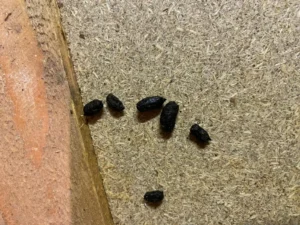
Rats leave a lot of evidence before you ever see one. Dark, pellet-shaped droppings about the size of a raisin are one of the most obvious signs. Fresh droppings are soft and dark, while old ones are hard and gray.
Greasy smudge marks along baseboards and walls show where rats are traveling. Their fur leaves behind oils that build up over time. You might have walked past these marks for weeks without realizing what they were.
Why You’re More Likely to See Rats Now
As a rat population grows, competition for food and space increases. This makes rats bolder and more likely to come out during times when they’d normally hide.
If you’re seeing rats during the day, that’s a major red flag. Rats are nocturnal and avoid daylight, so daytime sightings usually mean you’ve got a serious infestation and the rats are desperate.
The more crowded their living conditions get, the more risks they’ll take. They might venture further from their nests, come out earlier in the evening, or show up in places they’d normally avoid.
Entry Points You Probably Didn’t Think About
Rats can get into your house through places you’d never expect. They can climb brick walls and rough surfaces, so they might be getting in through your roof or second-story windows.
Dryer vents, bathroom exhaust vents, and kitchen range hood vents are all potential entry points if they’re not properly screened. Rats can chew through plastic vent covers like they’re nothing.
Damaged or missing weather stripping around doors and windows creates gaps big enough for rats to squeeze through. Even your chimney can be an entry point if it doesn’t have a proper cap.
How Yard Conditions Affect Rat Presence
Your yard might be creating perfect conditions for rats without you realizing it. Overgrown bushes and shrubs provide cover and hiding spots. Piles of wood, old furniture, or junk create shelter.
Standing water in bird baths, clogged gutters, or low spots in your yard gives rats a water source. They need water daily, so this is a big attractant.

If you’ve got fruit trees and you let fallen fruit rot on the ground, that’s basically a free buffet for rats. They’ll set up camp nearby and eventually make their way into your house.
The Role of Your Neighborhood
Some neighborhoods just have more rats than others. If you live near restaurants, grocery stores, or anywhere with lots of food waste, you’re more likely to have rat problems.
Older neighborhoods with aging infrastructure often have more rats because there are more places for them to live in old sewers, abandoned buildings, and deteriorating structures.
Dense urban areas and places with poor sanitation tend to have higher rat populations. If rats are common in your neighborhood, it’s only a matter of time before they try to get into your house.
What Indoor Changes Attract Rats
Sometimes changes inside your house can attract rats that were already nearby but not interested before. Maybe you started storing more food in your pantry or you’re not cleaning up as thoroughly as you used to.
Leaving pet food out overnight is a huge attractant. Rats will quickly figure out when and where food appears and will come back every night for it.
Even small things like crumbs under your stove, spills in your pantry, or uncovered trash cans can make the difference between rats ignoring your house and rats moving in.
How Seasonal Patterns Affect Rat Activity
You might notice rats more at certain times of year not because there are more of them, but because they’re more active and visible. In spring and fall, rats are actively searching for nesting sites.

During breeding season, which happens multiple times a year, rats are moving around more and taking bigger risks to find mates and establish territory.
Winter is when rats are most likely to try to get into your house for warmth. Even if they’ve been living outside all summer, the first cold snap will send them looking for indoor shelter.
Why Professional Inspections Find Rats You Missed
Pest control professionals know exactly where to look for signs of rats. They check all the hidden spots that homeowners don’t think about, like inside attic insulation, behind appliances, and in crawl spaces.
They can identify entry points you’d never notice and spot early signs of rat activity before it becomes a major problem. This is why getting a professional inspection can reveal rats that seemed to appear suddenly.
The truth is the rats were there, you just didn’t have the knowledge or experience to spot the evidence. Professionals do this every day and know exactly what to look for.
Conclusion
Rats don’t actually appear suddenly. They’ve usually been living in or around your home for a while before you noticed them. Rats are sneaky, nocturnal, and really good at staying hidden until their population grows large enough that they can’t stay hidden anymore.
Weather changes, nearby construction, new food sources, and changes in your neighborhood can all bring rats into your home or make existing rats more visible. What seems sudden is actually the result of a slow buildup that you didn’t see happening.
The key is catching the problem early by knowing what signs to look for and understanding what attracts rats in the first place. Seal entry points, remove food sources, and don’t assume rats will just go away on their own. The sooner you act, the easier it is to solve the problem.

Hi, my name is Ezra Mushala, i have been interested animals all my life. I am the main author and editor here at snakeinformer.com.