
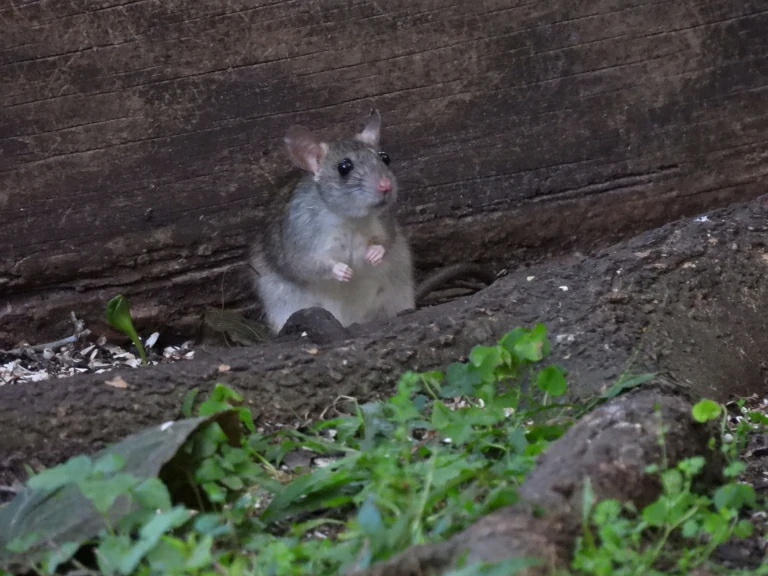
You’re lying in bed trying to sleep when you hear it. A high-pitched squeaking sound coming from somewhere in your walls or ceiling. It’s faint but unmistakable, and it always seems to happen at night.
If you’ve got rats in your house, you’ve probably wondered why they’re so noisy after dark. So why do rats squeak at night?
Rats squeak at night because that’s when they’re most active. They’re nocturnal animals, so nighttime is when they communicate with each other, search for food, establish territory, and interact socially. The squeaking you hear is them talking to each other and responding to their environment.
Rats use squeaking as their main way to communicate, and since they do most of their activities at night, that’s when you’ll hear them the most. Understanding why they make these noises can help you figure out what they’re doing in your home.
Rats Are Nocturnal Animals
The main reason you hear rats squeaking at night is simple. They’re nocturnal, which means they sleep during the day and become active when the sun goes down.
In the wild, this behavior helps them avoid predators. Hawks, eagles, and other daytime hunters can’t see them in the dark.

Rats have evolved over millions of years to be nighttime creatures. Their eyes work better in low light, and their other senses (like smell and hearing) are super sharp in the dark.
When you’re going to bed, rats are just waking up and starting their day. That’s why the squeaking usually begins right around dusk or later in the evening.
Even pet rats follow this pattern. If you have rats as pets, you’ll notice they get really active and playful at night, running around and making noise.
Your house rats are doing the same thing. They’re exploring, eating, socializing, and going about their normal activities while you’re trying to sleep.
How Rats Use Squeaking to Communicate
Rats are actually very social animals. They don’t live alone if they can help it, and they need to communicate with other rats constantly.
Squeaking is their main form of communication. Different types of squeaks mean different things, kind of like how humans use different tones of voice.
A short, sharp squeak might mean “stay away from my food.” A series of quick squeaks could mean “I found something good over here.”

Baby rats squeak to call their mother when they need her. The mother responds with her own squeaks to let them know she’s coming.
Male rats squeak at females during mating season. Females squeak back to show interest or tell the male to back off.
Rats also make ultrasonic squeaks that humans can’t even hear. These high-frequency sounds are used for communication too, especially between mothers and babies.
The squeaks you actually hear are just a fraction of the total noise rats are making. There’s a whole conversation happening at frequencies your ears can’t pick up.
They’re Searching for Food
One of the main reasons rats are active at night is because they’re looking for food. And when they find it, they often squeak to alert other rats in their group.
Rats are opportunistic eaters. They’ll eat almost anything they can find, from crumbs on your counter to food in your pantry.
When a rat discovers a new food source, it might squeak to let other rats know. This is especially common with younger rats who get excited about finding food.
You might also hear squeaking if rats are fighting over food. If two rats want the same piece of food, they’ll squeak at each other to establish who gets it.
Rats need to eat frequently because they have fast metabolisms. They can’t go more than a day or two without food, so they spend a lot of their active time searching for it.
If you hear consistent squeaking in your kitchen or near your garbage at night, there’s a good chance rats are having a feast. They’re probably communicating about the food they found.
Establishing Territory and Dominance
Rats are territorial animals, and they use squeaking to establish and defend their territory. This is especially common when you have multiple rats living in the same space.
When a rat enters another rat’s territory, the resident rat will often squeak as a warning. It’s basically saying “this is my area, get out.”
If the intruding rat doesn’t leave, the squeaking can get louder and more aggressive. Sometimes this leads to fighting, which creates even more noise.
Dominant rats squeak differently than submissive rats. The dominant rat’s squeak is usually louder and more forceful, while the submissive rat might make quieter, more hesitant sounds.
This is all part of their social structure. Rats living together need to establish a hierarchy, and squeaking is one way they do it without always resorting to physical fights.
In your walls or attic, you might have a whole colony of rats with complex social relationships. The squeaking you hear at night is them working out who’s in charge and where everyone’s allowed to be.
Mating and Social Behavior
Rats breed incredibly fast, and a lot of their nighttime activity involves mating behavior. This comes with a lot of squeaking.
Male rats make specific squeaking sounds when they’re trying to attract females. These are different from their normal communication squeaks.

Female rats squeak back to show they’re receptive or to tell the male to leave them alone. If a female isn’t interested, her squeaks will be sharp and aggressive.
Even outside of mating, rats are social and like to interact with each other. They’ll squeak during play, grooming, or just hanging out together.
Baby rats are especially noisy. They squeak constantly to stay in contact with their mother and siblings. If you hear a lot of high-pitched squeaking, you might have a nest of baby rats nearby.
The social squeaking tends to happen more at night simply because that’s when rats are awake and active. During the day, they’re mostly quiet because they’re sleeping.
Responding to Threats and Stress
Rats squeak when they’re scared, stressed, or sense danger. If something threatens them at night, you’ll definitely hear about it.
A rat that encounters a cat, dog, or even just hears an unfamiliar sound will often squeak in alarm. This alerts other rats to potential danger.
Stressed rats squeak more frequently. If they’re trapped, cornered, or can’t access food or water, their squeaking increases.
You might hear more squeaking if you’ve just set traps or tried to block off their entry points. The rats are stressed by the changes in their environment.
Rats also squeak when they’re in pain. If a rat gets injured or sick, it’ll make distress calls that other rats can hear.
These distress squeaks are usually louder and more frantic than normal communication squeaks. If you hear really panicked-sounding squeaking, a rat might be in trouble.
Why You Hear Them More Clearly at Night
Beyond the fact that rats are more active at night, there’s another reason the squeaking seems louder after dark. Your house is quieter.
During the day, you’ve got all kinds of background noise. The TV is on, people are talking, appliances are running, traffic outside is loud.
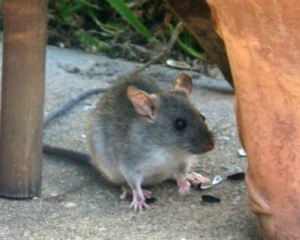
All that noise covers up the rat squeaking. You might not even notice it during the daytime hours.
But at night, when everything quiets down, those squeaks become much more obvious. The same sound that got drowned out during the day suddenly seems really loud.
Your own hearing is also more sensitive when you’re trying to sleep. You’re paying more attention to sounds because you’re in a quiet, dark room.
The walls and floors of your house also transmit sound differently at night. Without the vibrations from daytime activities, sound can travel more clearly through the structure.
Different Types of Rat Squeaks
Not all rat squeaks sound the same. If you listen closely, you can actually tell the difference between various types of vocalizations.
Communication squeaks are usually short and rhythmic. They sound like a series of quick chirps or peeps.
Distress squeaks are longer and more continuous. They sound panicked and urgent, almost like a scream.
Baby rat squeaks are very high-pitched and constant. They sound almost like tiny birds chirping.
Aggressive squeaks are loud and sharp. When rats are fighting or competing, their squeaks have an angry quality to them.
Some rats are just noisier than others too. Just like people, individual rats have different personalities. Some are chatty, others are quiet.
If you’re hearing a variety of different squeaks, you probably have multiple rats with different temperaments and needs.
What the Squeaking Tells You About Your Rat Problem
The type and amount of squeaking you hear can actually give you clues about how bad your rat problem is.
Constant squeaking every night usually means you have multiple rats. A single rat might squeak occasionally, but ongoing noise suggests a colony.
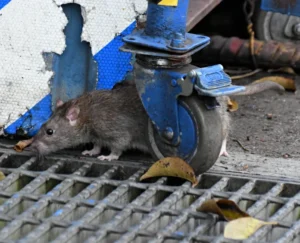
If you hear baby rat squeaks, you’ve got an active breeding population. This is bad news because it means your rat problem is growing.
Squeaking in multiple locations means rats have spread throughout your house. They’re not confined to one area anymore.
Loud, aggressive squeaking suggests overcrowding. When rats run out of space, they fight more and make more noise.
If the squeaking suddenly stops, it doesn’t necessarily mean the rats are gone. They might have just moved to a different part of the house.
Changes in squeaking patterns can also tell you if your control methods are working. More distress calls might mean traps are catching rats.
Other Sounds Rats Make at Night
Squeaking isn’t the only sound rats make. At night, you’ll often hear a combination of noises that tell you rats are active.
Scratching and scurrying are probably the most common sounds. You’ll hear their claws on wood or their bodies moving through tight spaces.
Gnawing is another big one. Rats constantly chew on things to keep their teeth from growing too long. This creates a distinctive grinding sound.
Thumping or bumping happens when rats jump or knock things over. If they’re in your attic, you might hear them moving stored items around.
Rustling sounds come from rats moving through insulation, paper, or other nesting materials.
All these sounds combined with squeaking create the typical nighttime rat symphony that keeps homeowners awake.
How to Reduce Nighttime Rat Noise
If you want the squeaking to stop, you need to get rid of the rats. But there are some temporary things you can do to reduce the noise.
Find where they’re getting in and seal those entry points. This might force them to move to a different area of the house that’s farther from your bedroom.
Remove food sources so they have less reason to be active and excited at night. No food means less squeaking about finding food.
Set traps to reduce the population. Fewer rats means less communication and less noise overall.
Use white noise machines or fans in your bedroom to cover up the sound. This won’t solve the rat problem, but it might help you sleep.
Don’t use poison if you can avoid it. Poisoned rats often retreat into walls and die, which causes even more distress squeaking before they go.
The only real solution is complete rat removal. As long as they’re in your house, they’re going to squeak at night.
When to Call Professional Help
If the squeaking is constant, getting worse, or happening in multiple rooms, it’s time to call a professional pest control company.
A severe infestation is really hard to handle on your own. Professionals have the tools and experience to find all the rats and eliminate them.
If you hear baby rats, definitely call someone. This means you have breeding happening, and the problem will multiply fast.
Professionals can also identify and seal entry points properly. If you don’t close up how they’re getting in, new rats will just replace the ones you remove.
They can also help clean up after the rats are gone. Rat droppings, urine, and nesting materials need to be removed safely.
Don’t wait too long to get help. The longer rats live in your house, the more damage they cause and the harder they are to remove.
Conclusion
Rats squeak at night because that’s when they’re awake and active. They’re nocturnal animals who use squeaking to communicate with each other, find food, establish territory, mate, and respond to their environment.
The squeaking is a normal part of rat behavior, but it’s also a sign that you have unwanted guests in your home. If you’re hearing rats at night, you need to take action to remove them and prevent them from coming back.
Understanding why rats squeak can help you figure out what they’re doing and how serious your infestation might be. But at the end of the day, the best way to stop the nighttime squeaking is to get rid of the rats completely.

Hi, my name is Ezra Mushala, i have been interested animals all my life. I am the main author and editor here at snakeinformer.com.