
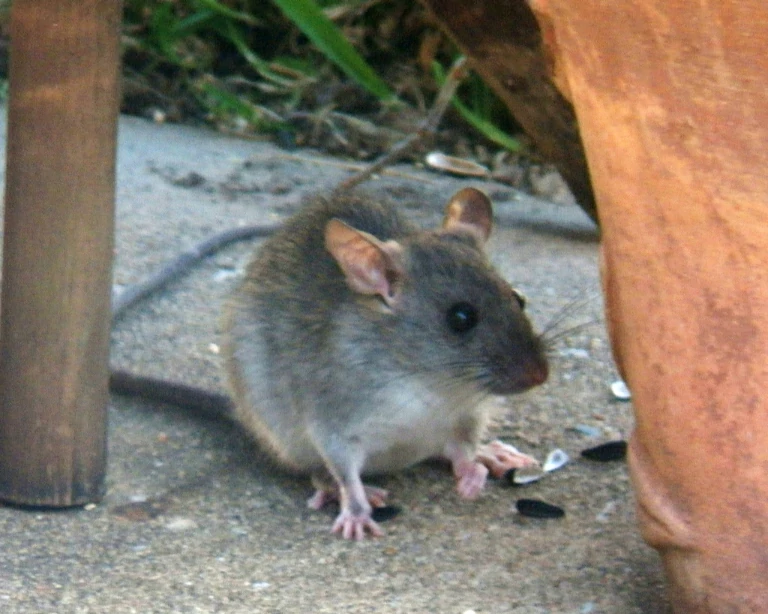
Waking up with mysterious bite marks is terrifying, especially when you realize a rat might’ve been nibbling on you while you slept.
Rats are known for getting into homes and causing all sorts of problems, but the idea of them biting people in their sleep is particularly disturbing. So why do rats bite humans in their sleep?
Rats bite humans in their sleep mainly because they’re looking for food and moisture. When you’re asleep, you’re still and quiet, making you less threatening to a rat. They’re drawn to food smells on your skin, crumbs in your bed, or even the natural oils and salts your body produces.
These bites usually happen when rats are desperate for food or water, or when they’ve become bold enough to explore without fear. A sleeping person doesn’t move much, so rats feel safe approaching and may nibble on exposed skin, especially fingers, toes, ears, or lips.
Rats Are Searching for Food and Water
The biggest reason rats bite people in their sleep is hunger and thirst. Rats need to eat constantly throughout the day and night because they have very fast metabolisms.
When food sources in your home are scarce or hard to reach, rats get desperate. They’ll look for anything edible, and that includes you.

If you ate something before bed and didn’t wash your hands, rats can smell food residue on your fingers. Even tiny crumbs in your bed sheets can attract them.
Your skin also produces natural oils and salts that rats find interesting. When they’re really thirsty, they might even lick or nibble on you for the moisture.
Rats have an incredible sense of smell. They can detect food from far away, and they’ll follow that smell right to your bedroom if they think there’s something to eat.
You’re Not Moving, So You Don’t Seem Dangerous
Rats are naturally cautious animals. In the wild, they’re prey for lots of predators, so they’ve learned to be careful and avoid anything that might hurt them.
When you’re awake and moving around, you’re scary to a rat. But when you’re asleep, you’re completely still and quiet.
From a rat’s perspective, a sleeping person looks like just another object in the room. You don’t pose a threat, so they feel safe getting close.

This is why rat bites almost always happen at night when people are deeply asleep. The rat approaches slowly, testing to see if you’ll react.
If you don’t move, the rat gets bolder. It might start by sniffing your skin, then progress to licking, and eventually biting if it thinks there’s food.
Rats Have Poor Eyesight and Explore with Their Mouths
Rats can’t see very well, especially in the dark. They rely heavily on their other senses like smell, hearing, and touch to understand their environment.
When a rat comes across something new, it uses its mouth to investigate. This is called exploratory biting, and it’s completely normal rat behavior.

Your fingers or toes might just look like interesting objects to explore. The rat doesn’t necessarily want to hurt you, it’s just trying to figure out what you are.
Unfortunately, rat teeth are extremely sharp. Even a gentle exploratory bite can break your skin and cause bleeding.
Rats also use their whiskers and nose to feel around in the dark. But when they want to really understand something, they’ll nibble on it.
Your Home Has a Serious Rat Infestation
If a rat is bold enough to bite you in your sleep, you probably have a bigger rat problem than you realized. A single rat bite means there are likely many more rats hiding in your walls, attic, or basement.
Rats are social animals that live in groups called colonies. Where there’s one rat, there are usually dozens more nearby.
When rat populations get really large, they compete for food and territory. This competition makes individual rats more desperate and willing to take risks.
A well-fed rat in a small infestation probably won’t bother you. But in a severe infestation, rats run out of their normal food sources and start looking for alternatives.
The fact that a rat felt comfortable enough to climb onto your bed and bite you shows they’ve lost their natural fear of humans. This happens when rats have been living in your home for a long time without being disturbed.
Rats Are Most Active at Night
Rats are nocturnal, which means they’re most active during nighttime hours when you’re asleep. This is when they come out to search for food, water, and explore their territory.
During the day, rats hide in dark, quiet places like inside walls, under floors, or in attics. They sleep during daylight hours to avoid predators and stay safe.

But once the sun goes down and your house gets quiet, rats emerge. They’ll travel along walls, climb furniture, and investigate every room looking for food.
Your bedroom isn’t off-limits to them. If they smell something interesting or if they’ve already explored the rest of your house, they’ll come into your bedroom too.
This timing means rat bites almost always happen while you’re sleeping deeply, usually in the early morning hours between 2 AM and 5 AM.
What Rat Bites Look Like and Why They’re Dangerous
Rat bites typically appear as small puncture wounds, usually in pairs because rats have two large front teeth called incisors. The bite might bleed quite a bit because rat teeth are razor-sharp.
The area around the bite often becomes red, swollen, and painful within a few hours. You might notice the bite mark when you wake up, or you might actually wake up from the pain of being bitten.
But the immediate injury isn’t the biggest concern. Rats carry many dangerous diseases that can be transmitted through their saliva when they bite you.
Rat-bite fever is one of the most common infections from rat bites. It causes fever, vomiting, headaches, muscle pain, and a rash. Without treatment, it can be really serious.
Rats can also carry leptospirosis, hantavirus, and other bacterial infections. Even if the bite seems small, you need to take it seriously.
Always wash rat bites immediately with soap and warm water. Then see a doctor as soon as possible, even if the bite looks minor.
How to Stop Rats from Biting You in Your Sleep
The most important thing you can do is eliminate the rats from your home completely. As long as rats have access to your bedroom, you’re at risk of being bitten again.
Start by removing all food sources. Don’t eat in your bedroom, and make sure there are no crumbs or wrappers anywhere near your bed.

Store all food in your kitchen in sealed containers that rats can’t chew through. Take out your garbage every night before bed.
Seal up any holes or gaps in your walls, floors, and around pipes. Rats can squeeze through openings as small as a quarter, so you need to be thorough.
Set traps in areas where you’ve seen rat droppings or heard scratching sounds. Snap traps work well, but you need to use enough of them and check them daily.
If you have a serious infestation, you’ll probably need to call a professional pest control company. They have stronger tools and methods for getting rid of large rat populations.
Signs You Have Rats in Your Bedroom
Before a rat actually bites you, there are usually warning signs that rats are getting into your bedroom. Learning these signs can help you act before you get bitten.
Rat droppings are the most obvious sign. These look like dark, pellet-shaped pieces about the size of a grain of rice. You might find them along baseboards, in corners, or near your bed.
You might hear scratching, squeaking, or scurrying sounds in your walls or ceiling at night. This is rats moving around and communicating with each other.
Rats leave greasy smear marks along walls and surfaces where they travel repeatedly. These dark streaks come from oils in their fur.
You might notice a strong, musky smell that doesn’t go away. This is the odor of rat urine and droppings building up in your walls or under your floors.
Chewed materials are another sign. Rats gnaw on everything, including wood, plastic, fabric, and even electrical wires. Check for bite marks on furniture legs, baseboards, and stored items.
Rats Bite More Often in Certain Situations
Some situations make rat bites more likely. Understanding these can help you protect yourself and your family.
Babies and young children are at higher risk because they can’t defend themselves or move away from a rat. Their small size also makes them seem less threatening to rats.

People who are sick, elderly, or have limited mobility are also more vulnerable. If you can’t move quickly or react to a rat approaching, you’re an easier target.
Sleeping on the ground or on a mattress directly on the floor puts you closer to where rats travel. Rats prefer to stay low and avoid climbing when possible.
Homes with lots of clutter give rats more places to hide and more routes to travel without being seen. A messy bedroom with piles of clothes or boxes creates a perfect environment for rats.
People who sleep very deeply or take medications that make them sleep heavily are less likely to wake up when a rat approaches. The rat has more time to investigate and bite without being disturbed.
What to Do If a Rat Bites You
If you wake up and realize a rat has bitten you, don’t panic, but do act quickly. The first few hours after a bite are really important for preventing infection.
Wash the bite thoroughly with soap and warm water for at least five minutes. This helps flush out bacteria from the rat’s mouth.
Apply an antibiotic ointment to the wound and cover it with a clean bandage. Change the bandage at least once a day and watch for signs of infection.
Call your doctor or go to an urgent care clinic right away. Don’t wait to see if the bite gets worse, many rat-borne diseases need early treatment to prevent serious complications.
Your doctor will probably prescribe antibiotics to prevent infection. They might also recommend a tetanus shot if you haven’t had one recently.
Watch for symptoms like fever, chills, headache, muscle pain, or a rash developing over the next few days. These could be signs of rat-bite fever or another infection.
Keep the bite clean and dry while it heals. Don’t pick at any scabs that form, as this can introduce new bacteria and slow healing.
Why Rats Become Bold Enough to Bite
Rats are normally afraid of humans. In their natural state, they’ll run away and hide when they sense people nearby.
But when rats live in your home for a long time, they gradually lose this fear. They learn that humans don’t actually hurt them most of the time.

Regular access to food makes rats bolder. If they’ve been successfully stealing food from your kitchen for weeks or months, they feel more confident exploring new areas.
Rats also learn from each other. If one rat discovers your bedroom is safe and has food, other rats will follow.
In severe infestations, rats become so numerous that they’re forced to take risks they normally wouldn’t. Competition for food and space pushes them into areas they’d usually avoid.
When rats feel cornered or trapped, they’re also more likely to bite defensively. If a rat gets into your bed and you roll over, blocking its escape route, it might bite in panic.
Conclusion
Rats bite humans in their sleep primarily because they’re searching for food and water, and a sleeping person seems safe to approach. Your stillness makes you less threatening, and any food smells on your skin or in your bed attract them.
These bites are dangerous because rats carry diseases that can make you really sick. If you’ve been bitten, wash the wound immediately and see a doctor right away.
The best solution is to eliminate rats from your home completely through proper sanitation, sealing entry points, and using traps or professional pest control. Make your bedroom unattractive to rats by removing all food sources and keeping it clean.
Don’t ignore signs of rats in your home. The longer you wait to address the problem, the bolder rats become, and the more likely they are to bite you or your family members while you sleep.

Hi, my name is Ezra Mushala, i have been interested animals all my life. I am the main author and editor here at snakeinformer.com.