
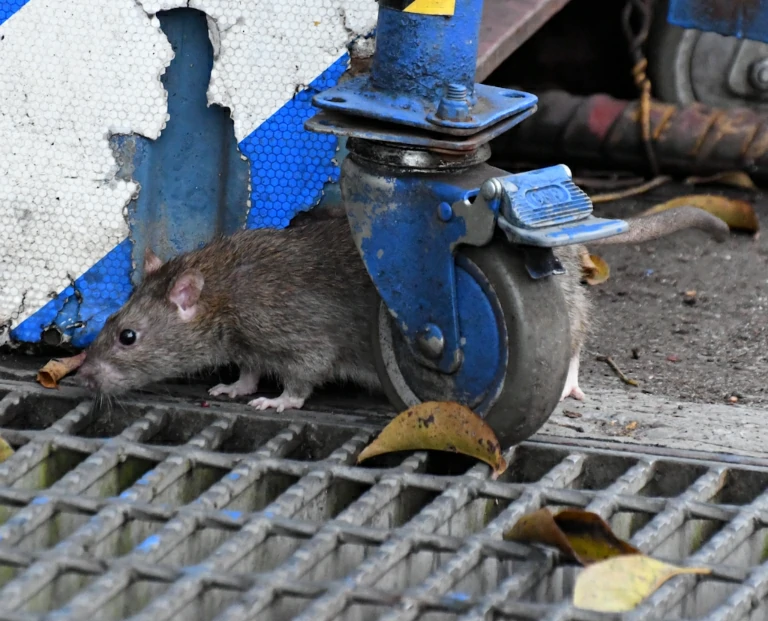
If you’ve discovered rats on your property or in your home, you might be hoping they’ll just leave by themselves and save you the trouble of dealing with them. It would be nice if rats just moved on, but is that realistic? Will rats go away on their own?
No, rats won’t go away on their own. Once rats find a reliable source of food, water, and shelter, they’ll stay and establish a colony. Rats breed quickly (a female can have 5-10 babies every month), so a small rat problem will only get worse if you don’t actively remove them.
Hoping rats will leave on their own is one of the biggest mistakes people make. Every day you wait, the problem gets bigger.
Why Rats Don’t Just Leave
Rats aren’t just passing through your property. Once they’re there, they have good reasons to stay.
If rats found your property, it’s because you have what they need. Food, water, and shelter are the three things rats look for, and if your home or yard provides these, rats have no reason to leave.
Rats establish territories once they find a good location. They mark their territory with urine and defend it from other rats. They won’t abandon a territory unless forced to.
Rats breed incredibly fast. A single female rat can have a litter of 5-10 babies every 21-23 days, and those babies can start breeding when they’re just 5 weeks old. Even if you start with just two rats, you could have dozens within a few months.

Rats are creatures of habit and routine. Once they establish trails, nesting sites, and feeding spots, they follow the same patterns every night. They won’t change this routine unless something forces them to.
Rats actually feel safe in familiar territory. A rat that knows your property well feels comfortable there and won’t risk leaving to search for a new home unless something makes your property dangerous or unlivable.
What Would Make Rats Leave
For rats to leave on their own, something drastic would have to happen.
Complete removal of all food sources might eventually make rats leave. But this is really hard to do because rats can survive on tiny amounts of food, and they’ll find food sources you didn’t know existed.
Complete removal of water would also push rats away. But again, rats can get water from condensation, leaky pipes, pet bowls, and other sources you might not think about.
Destroying all shelter and nesting sites might force rats to relocate. But rats are adaptable and will find new places to nest nearby.

A predator moving into the area could push rats away. If a cat, owl, or snake starts hunting in your yard, rats might relocate to safer territory. But this isn’t reliable and doesn’t happen on its own.
Extreme weather or natural disaster might displace rats. But they’ll just move to the nearest safe location, which might be deeper into your home instead of away from it.
Major construction or renovation that destroys their nests and access points could push rats out. But even this just moves them temporarily, they’ll try to come back once work is done.
How Fast Rat Problems Get Worse
If you don’t deal with rats, the problem grows exponentially, not gradually.
Two rats can become a dozen rats in just 3-4 months. With rats breeding every month and multiple females in a colony, the population explodes fast.
After 6 months, you could have 50 or more rats from just a pair. This isn’t an exaggeration, it’s basic rat biology.
After a year, an uncontrolled rat colony can number in the hundreds. At this point, you have a serious infestation that will require professional help to eliminate.
Each generation of rats adds to the problem. The babies born in January will be having their own babies by March, and those babies will be breeding by April. It snowballs incredibly fast.
More rats mean more damage to your property. They’ll chew more wires, damage more insulation, contaminate more areas, and create more health hazards.
The Cost of Waiting
Hoping rats will leave on their own doesn’t just fail to solve the problem, it makes everything worse and more expensive.
The longer you wait, the more rats you’ll have to deal with. Removing 2-3 rats is much easier and cheaper than removing 50 rats.
Rats cause cumulative damage. Every day they’re in your home, they’re chewing wires (fire hazard), damaging insulation (higher energy bills), and contaminating your living space with droppings and urine.
Health risks increase over time. The more rats you have and the longer they’re present, the more exposure you have to diseases like leptospirosis, hantavirus, and salmonella.
Professional removal gets more expensive as the problem grows. A small rat problem might cost a few hundred dollars to fix. A major infestation can cost thousands.
Structural damage adds up. Rats can chew through wood, drywall, and even soft metals. Repairing this damage costs money.
Your home’s value can decrease if you have a known rat problem. If you try to sell your house with an active infestation, you’ll either have to disclose it (losing buyers) or fix it first (costing money).
What Attracts Rats to Stay
Understanding why rats are staying helps you see why they won’t leave on their own.
Easy access to food is the main reason. If you have bird feeders, pet food outside, unsecured garbage, compost piles, or food stored in your garage or shed, rats have plenty to eat.
Gardens and fruit trees provide food. Vegetables, fallen fruit, and seeds all attract and feed rats.
Water sources keep rats coming back. Leaky hoses, dripping air conditioners, pet water bowls, ponds, or standing water all provide what rats need.
Clutter and debris provide shelter. Wood piles, junk piles, overgrown bushes, and tall grass give rats places to hide and nest during the day.
Your home itself is the ultimate shelter. If rats get inside your house, they have perfect living conditions: stable temperature, protection from weather and predators, and easy access to food and water.
Neighbors with rat problems feed into your problem. If houses near you have rats, those rats explore the whole neighborhood. Even if you eliminate rats from your property, new ones will keep showing up from nearby.
Why Taking Action Is Critical
You can’t just ignore rats and hope for the best.
Rats carry serious diseases that can make you and your family sick. Waiting means prolonged exposure to these health risks.
Rats reproduce so fast that a small problem becomes a major infestation in months. Acting early saves you time, money, and stress.
The damage rats cause gets worse every day. Chewed wires can cause fires, damaged insulation wastes energy, and contaminated areas need professional cleaning.
Rats attract other pests. Where there are rats, you might also get fleas, mites, and flies.
Your neighbors will eventually notice if you have a serious rat problem. This can create tension and might even affect property values in your area.
Some localities have laws requiring property owners to control pest infestations. You could face fines if you don’t address a known rat problem.
What You Should Do Instead of Waiting
Don’t wait for rats to leave. Take active steps to remove them and prevent new ones from moving in.
Start trapping immediately. Set multiple snap traps (at least 6-12) in areas where you’ve seen rat activity. Bait them with peanut butter.
Check and reset traps daily. Remove any dead rats right away and reset the trap. Keep trapping until you’re not catching any more rats for at least a week.
Find and seal all entry points. Inspect your home’s exterior and seal every hole, crack, and gap you find. Rats only need a space the size of a quarter to get in.

Remove food sources. Bring pet food inside, secure garbage cans, clean up fallen fruit, and store all food in sealed containers.
Remove water sources. Fix leaky pipes and faucets, empty standing water, and bring pet water bowls inside at night.
Clean up your yard. Remove wood piles, junk piles, and overgrown vegetation where rats can hide and nest.
Keep your home clean. Don’t leave food out, clean up crumbs and spills immediately, and take garbage out daily.
When to Call a Professional
Sometimes you need expert help to deal with rats effectively.
If you’ve been trapping for weeks without success, you’re probably doing something wrong. A professional can figure out what’s not working and fix it.
If you’re catching multiple rats but they keep coming, you haven’t found all the entry points. A professional can do a thorough inspection and seal gaps you missed.
If you have a large infestation (seeing rats frequently, finding droppings everywhere, hearing lots of activity in walls), professional help is worth the cost.
If rats are inside your walls or ceiling and you can’t reach them with traps, professionals have tools and techniques to deal with this.
If you’re uncomfortable handling traps, dead rats, or the cleanup involved, there’s no shame in calling for help.
If rats have caused significant damage to your home (chewed wires, destroyed insulation, structural damage), you’ll need professionals to both remove the rats and assess the repairs needed.
The Myth of Natural Deterrents
Some people think they can make rats leave by using natural repellents or deterrents.
Peppermint oil, mothballs, and ultrasonic devices are often suggested as rat deterrents. But these don’t actually work well, if at all.
Rats might avoid these things for a day or two, but they quickly get used to them. A rat that’s established territory in your home won’t be driven away by smells or sounds.

These “solutions” give you false hope and waste time. While you’re trying peppermint oil, rats are breeding and causing more damage.
The only effective deterrents are removing what rats need (food, water, shelter) and physically preventing access to your property through sealing and barriers.
Don’t waste money and time on gimmicks. Invest in real solutions: traps, exclusion work, and proper sanitation.
How Long Does It Take to Get Rid of Rats
If you take active steps, you can eliminate a rat problem in a reasonable time frame.
A small problem (2-3 rats) can be solved in 1-2 weeks with aggressive trapping and exclusion work.
A moderate problem (5-10 rats) might take 3-4 weeks of consistent effort.
A large infestation (20+ rats) could take 6-8 weeks or longer, especially if you’re doing it yourself rather than hiring professionals.
The key is consistency. You have to trap every day, check traps every day, and keep working until you’re not catching any more rats.
After the last rat is caught, wait at least another week of empty traps before declaring victory. Sometimes rats are trap-shy and take longer to catch.
Even after rats are gone, you need to maintain prevention measures. Seal entry points permanently and keep food/water sources controlled to prevent new rats from moving in.
Signs That Your Rat Problem Is Under Control
How do you know when rats are actually gone and not just hiding?
No new droppings appear. If you clean up all droppings and don’t see new ones for at least a week, rats are probably gone.
Traps stay empty for 7-10 days straight. If you’re still setting traps but nothing’s getting caught, there might not be any rats left.
You stop hearing activity in walls or ceilings. If the scratching and scurrying noises stop for over a week, rats have likely been eliminated.
No new chew marks appear. Check areas that had recent chew marks. If no new damage appears for a week or two, rats aren’t actively present.
Your pets stop acting interested in certain areas. If your dog or cat was fixated on a particular wall or cabinet and suddenly doesn’t care anymore, the rats they were detecting are gone.
Long-Term Prevention
Once you’ve gotten rid of rats, you need to keep them from coming back.
Maintain your exclusion work. Check sealed entry points periodically to make sure they’re still secure. Reseal if needed.
Keep your property clean and tidy year-round. Don’t let conditions that attract rats develop again.
Do regular inspections every few months. Walk around your property and home looking for signs of rats before they become a problem again.
Address new issues immediately. If you see one dropping or hear one suspicious sound, investigate right away. Don’t let a new problem develop.
Consider preventive traps. Keep a few traps set in your basement, attic, or garage even when you don’t have a known rat problem. This catches any scout rats before they can establish a colony.
Talk to your neighbors about rat control. Rat problems are often neighborhood-wide issues. If everyone works on prevention, the whole area benefits.
Conclusion
Rats won’t go away on their own. Once they find food, water, and shelter on your property, they’ll stay and multiply rapidly.
Waiting for rats to leave only makes the problem worse. A small rat problem can become a major infestation in just a few months because rats breed so quickly.
You need to take active steps to remove rats: trap aggressively, seal all entry points, remove food and water sources, and clean up shelter and nesting areas. The sooner you act, the easier and cheaper the problem is to solve.
If you’re dealing with a large infestation or if your efforts aren’t working after a few weeks, call a professional pest control company. They have the experience and tools to eliminate rats effectively.
Once rats are gone, maintain your prevention measures to keep new rats from moving in. Regular inspections and proper sanitation will protect your home from future infestations.

Hi, my name is Ezra Mushala, i have been interested animals all my life. I am the main author and editor here at snakeinformer.com.