
One of the hardest parts about owning pet rats is accepting how quickly their lives pass. You bring home a playful baby rat, form a deep bond over months of daily interaction, and then before you know it, they’re showing signs of old age.
Most pet rats live only 2-3 years, with some making it to 4 if they’re lucky. For an animal that becomes such a big part of your life, this feels painfully short. So why do rats have such short lifespans?
Rats have short lifespans because of their small body size, fast metabolism, rapid cell division that leads to quicker aging, evolutionary pressures that didn’t select for longevity, and genetic factors from domestication. Their bodies essentially live life in fast-forward compared to larger, longer-lived animals.
This brief time with our pet rats is one of the most heartbreaking aspects of rat ownership, but understanding why it happens can help us appreciate the time we do have and provide the best care possible.
Small Animals Live Shorter Lives
One of the most consistent patterns in nature is that smaller animals generally have shorter lifespans than larger animals.
Mice live about 1-3 years. Rats live 2-3 years. Rabbits live 8-12 years. Dogs live 10-15 years. Horses live 25-30 years. Elephants can live 60-70 years. Whales can live over 100 years. The pattern is clear: size correlates with lifespan.

This happens for several biological reasons. Smaller animals have faster metabolisms, meaning their bodies work at a faster pace. A rat’s heart beats much faster than a human’s, their cells divide more rapidly, and their entire biological clock runs quicker.
Think of it like this: if a rat’s body is running at 10x speed compared to a human, they’re experiencing life and aging at that accelerated rate too. What takes a human 80 years takes a rat less than 3 years because everything is sped up.
The evolutionary explanation is interesting too. Smaller animals face more predation pressure and environmental dangers. In the wild, most rats don’t live long enough to die of old age – they get eaten, killed by weather, or die from disease first.
Because of this, evolution didn’t select for rats that could live 20 years. There was no advantage to having genes for long life when you’d probably be eaten within a year anyway. Evolution instead favored rats that could reproduce quickly and produce lots of offspring before dying.
Fast Metabolism Means Fast Aging
A rat’s metabolism is incredibly fast compared to larger animals, and this directly impacts their lifespan.
Metabolism refers to all the chemical processes that keep an animal alive: converting food to energy, building and repairing cells, removing waste, and so on. Rats do all of this much faster than larger animals.
A rat’s resting heart rate is 300-500 beats per minute. A human’s is 60-100 beats per minute. This means a rat’s heart is working much harder relative to its lifespan.

Their respiration rate is also much faster. Rats take about 70-150 breaths per minute compared to humans’ 12-20 breaths per minute.
This fast metabolic rate means rats burn through resources quickly. Their cells work harder, produce more waste products, and experience more oxidative stress (damage from normal metabolic processes).
Over time, this accumulated cellular damage adds up. While all animals have repair mechanisms, the sheer pace of damage in a rat’s body eventually overwhelms these repairs. This is essentially what aging is: accumulated damage that can’t be fully repaired.
The “rate of living” theory suggests that animals have a finite amount of metabolic capacity. Burn through it quickly (like rats do) and you age quickly. Burn through it slowly (like elephants) and you age slowly.
Cell Division and Telomere Shortening
Every time a cell divides, the DNA inside needs to be copied. This process isn’t perfect, and over time, errors accumulate and structures called telomeres shorten.
Telomeres are protective caps on the ends of chromosomes, kind of like the plastic tips on shoelaces. Every time a cell divides, these telomeres get a little shorter. When they get too short, the cell can’t divide anymore and either dies or becomes dysfunctional.

Rats’ cells divide much more frequently than cells in longer-lived animals. This means their telomeres shorten faster, and cells reach their division limit sooner.
Additionally, the rapid cell division means more opportunities for DNA copying errors. These mutations can lead to cancer, cellular dysfunction, and other problems associated with aging.
Larger animals have evolved better DNA repair mechanisms and cancer suppression systems to deal with having so many cells. Rats haven’t developed these same robust protections because they didn’t need them evolutionarily.
The end result is that a rat’s cells “use up” their division capacity within a few years, while a human’s cells might take 80 years to reach the same point.
Evolution Favored Quick Reproduction Over Long Life
In nature, the evolutionary goal isn’t to live as long as possible – it’s to pass on your genes as effectively as possible.
Rats reach sexual maturity incredibly quickly, often around 5-6 weeks of age. Compare this to humans who take 12-15 years to reach sexual maturity. This early maturity is an evolutionary strategy.
In the dangerous world rats live in (filled with predators, disease, and environmental hazards), reproducing quickly and often is more important than living a long time.

A rat that can have 5-7 babies every 3 weeks (which rats can do) will pass on more genes than a rat that lives longer but reproduces slowly. Over thousands of generations, this led to rats that mature fast, reproduce prolifically, and don’t live very long.
There’s actually an evolutionary trade-off between reproduction and longevity. Energy and resources put into reproduction can’t be used for maintenance and repair of the body. Rats heavily invest in reproduction, which leaves less for long-term body maintenance.
This strategy works perfectly for wild rats. The species thrives even though individuals don’t live long. But for pet rats who don’t face predators and have guaranteed food, this short lifespan is frustrating because they could theoretically be healthy for longer if their biology allowed it.
Genetic Factors From Domestication
Pet rats have been bred for specific traits over many generations, and this breeding has affected their lifespan, usually not in good ways.
Selective breeding for colors, coat types, size, and temperament has created genetic bottlenecks. When breeders focus on specific traits, they’re often breeding closely related rats together, which reduces genetic diversity.
Lower genetic diversity can lead to inherited health problems becoming more common in the population. Things like tumors, respiratory issues, and other health problems might be more prevalent in pet rats than in wild rats.
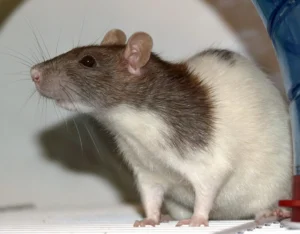
Certain coat colors and patterns have been linked to shorter lifespans. For example, some studies suggest that black and white rats might live slightly longer than other color varieties, though this isn’t definitive.
Inbreeding can cause recessive genetic problems to appear more frequently. These might include weaknesses in immune function, organ development, or cellular repair mechanisms – all things that could shorten lifespan.
Lab rats bred for research often have specific genetic traits that make them useful for studies, but these same traits might not be optimal for longevity. Many pet rats come from lab rat lines, inheriting these genetic characteristics.
The genetic diversity in wild rat populations is much higher than in pet rat populations. This diversity might give wild rats better overall health despite living in harsher conditions.
Health Problems Common in Rats
Rats are prone to several health conditions that can shorten their already brief lives.
Respiratory infections are extremely common and can become chronic. Even with treatment, many rats develop ongoing respiratory issues that reduce their quality of life and lifespan.
Tumors, especially in female rats, are very prevalent. Mammary tumors can grow quickly and, even when benign, can cause problems. Pituitary tumors are also common in older rats and can cause neurological issues.
Heart and kidney problems often develop in older rats. These organs work hard throughout a rat’s life and can start failing as the rat ages.
Some rats develop dental problems if their teeth don’t wear evenly. This can make eating difficult and impact overall health.
These health issues mean that even pet rats with the best care often don’t make it to their maximum potential lifespan. A rat might theoretically be capable of living 4 years, but a tumor at age 2.5 cuts that short.
Wild rats face additional challenges like parasites, injuries, and food scarcity that pet rats don’t, but pet rats still carry genetic susceptibilities to health problems that limit their lives.
The Role of Size in Organ Function
A rat’s small body size creates challenges for organ longevity that larger animals don’t face to the same degree.
Small organs work harder relative to body size. A rat’s heart is tiny but has to pump blood through their entire body just like a human heart does. Relative to size, it’s doing much more work.
Small lungs have to work harder to oxygenate the blood. This is one reason why respiratory infections are so dangerous for rats – their respiratory system is already working at high capacity.
Kidneys in small animals filter blood at a higher rate relative to body size. This means more wear and tear over time.
The physical stress on organs in a small, fast-metabolizing body contributes to shorter functional lifespans for these organs. A rat’s heart might only be “designed” to last 2-3 years of constant high-speed beating before problems develop.
Larger animals with slower metabolisms put less stress on their organs over time, allowing those organs to function for decades instead of just years.
Temperature Regulation and Energy Costs
Maintaining body temperature is more difficult for small animals, and this affects lifespan.
Rats have a high surface area to volume ratio. This means they lose heat to their environment quickly and have to work hard to stay warm.
More energy spent on temperature regulation means more metabolic activity, which contributes to faster aging. In cold environments, this effect is even more pronounced.
Wild rats living in harsh climates probably age faster than those in milder climates because of the additional energy demands of staying warm.
Pet rats kept at comfortable temperatures don’t face this challenge as much, but their biology still reflects the evolutionary history of needing to maintain temperature in variable conditions.
The energy cost of just staying alive and warm in a small body is significant and adds to the overall metabolic burden that shortens lifespan.
Stress and Lifespan
Stress, both physical and psychological, can shorten a rat’s already brief life.
Chronic stress produces hormones like cortisol that, over time, damage the body. Stressed rats age faster than calm, content rats.
Wild rats live with constant stress from predators, food scarcity, and environmental hazards. This chronic stress contributes to shorter wild lifespans (often just 1 year or less in the wild versus 2-3 for pet rats).
Pet rats can experience stress too if not properly cared for. Being kept alone (rats are social), in small cages, without enrichment, or in loud/chaotic environments creates stress.
Health problems cause stress. A rat with chronic respiratory issues or pain from a tumor is dealing with physical stress that affects their whole system.
Minimizing stress through proper care (appropriate cage size, companionship, enrichment, quiet environment) can potentially help rats live closer to their maximum potential lifespan.
What About Wild Rats Versus Pet Rats?
Wild rats typically live much shorter lives than pet rats, but not because they’re biologically different – it’s because of their environment.
In the wild, most rats don’t survive their first year. Predators, disease, starvation, weather, and accidents kill the majority before they reach old age.

The few wild rats that avoid these dangers and survive to “old age” might live 1.5-2 years. Very rarely, a wild rat might make it to 3 years, but this is exceptional.
Pet rats live in safe, controlled environments with no predators, guaranteed food, shelter from weather, and veterinary care when sick. This lets them regularly reach 2-3 years and occasionally 4.
So pet rats do live longer than wild rats on average, but not because they’re genetically different (they’re usually descended from wild rat lines). The difference is purely environmental.
This shows that while environment can extend lifespan somewhat, the fundamental biological limitations are still there. Even the best-cared-for pet rats rarely exceed 4 years.
Can Anything Extend Rat Lifespan?
While you can’t change a rat’s fundamental biology, there are things that can help them live toward the upper end of their potential lifespan.
Good nutrition matters. High-quality rat food (lab blocks), fresh vegetables, and avoiding obesity can all support better health and potentially longer life.
Clean environment reduces respiratory infections and other health problems. Regular cage cleaning with appropriate bedding is important.

Enrichment and exercise keep rats mentally and physically healthy. Bored, inactive rats might not live as long as engaged, active ones.
Social companionship is important. Rats kept with compatible cage mates are generally healthier and happier.
Veterinary care can catch and treat problems early. Regular checkups and quick treatment of issues when they arise can extend life.
Spaying female rats before 6 months dramatically reduces mammary tumor risk, potentially adding months or years to their lives.
Good genetics matter too. Rats from lines known for longevity and health might live longer than those from lines with more health problems.
Even with all these factors optimized, you’re still looking at 2-4 years typically. The biological limits are real.
The Emotional Reality of Short Rat Lifespans
For rat owners, the short lifespan is one of the hardest parts of having these pets.
You get attached quickly to these intelligent, affectionate animals. They have distinct personalities, recognize you, and show genuine affection. The bond feels similar to bonds with longer-lived pets.
But just as you’ve really gotten to know your rats and formed a deep connection, they’re already entering old age. The timeline feels cruelly short.
Many rat owners describe the experience as bittersweet. The time with rats is wonderful, but saying goodbye comes too soon and too often.
Some people can’t handle the repeated loss and eventually stop keeping rats. Others feel that the joy rats bring is worth the inevitable heartbreak.
Knowing the lifespan is short going in doesn’t always make it easier when the time comes. Each rat is an individual you love, and losing them hurts regardless of whether you knew it was coming.
The silver lining, if there is one, is that the short commitment means you can experience different rat personalities over the years and help many rats have good lives, rather than committing 15 years to one or two animals.
Conclusion
Rats have short lifespans because they’re small animals with fast metabolisms, rapid cell division, and evolutionary histories that favored quick reproduction over longevity. Their bodies essentially run at high speed, which means they age quickly too.
Genetic factors from domestication, health problems common in rats, and the fundamental biological constraints of being small all contribute to lifespans of just 2-3 years for most pet rats.
While proper care can help rats live toward the upper end of their potential lifespan, you can’t fundamentally change their biology. Understanding why rats live briefly doesn’t make it easier emotionally, but it does help us appreciate the time we have and focus on giving them the best quality of life during their short time with us.
The brief candle of a rat’s life burns brightly, and many rat owners feel that the depth of connection and joy these animals bring makes even a short time together worthwhile.

Hi, my name is Ezra Mushala, i have been interested animals all my life. I am the main author and editor here at snakeinformer.com.