
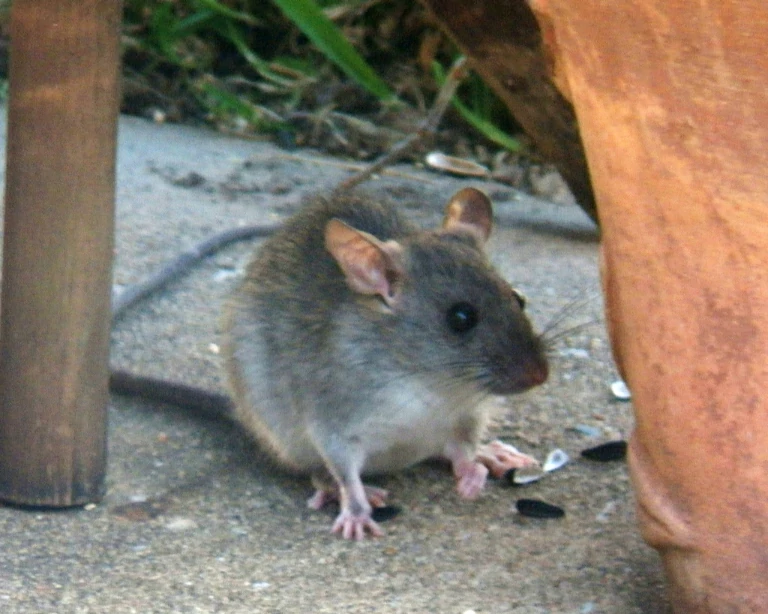
You walk out to your car one morning, pop the hood for a routine check, and find evidence of a rat nest complete with chewed wires and scattered nesting material. Or worse, you start your car and hear strange noises, only to discover a rat has made itself at home in your engine bay. This is a frustrating problem that happens to thousands of car owners every year. But why do rats go in car engines in the first place?
Rats go in car engines because engine bays provide warm, dark, enclosed spaces that feel safe from predators. The warmth from recently driven engines, combined with shelter and sometimes food sources, makes engine compartments ideal hiding and nesting spots for rats.
Understanding why rats find your engine so appealing can help you prevent this costly and annoying problem. Let’s look at what makes car engines such attractive real estate for these rodents.
Car Engines Provide Warmth
One of the biggest reasons rats climb into car engines is warmth, especially in colder months.
When you drive your car, the engine heats up significantly. Even after you turn off the car and walk away, that engine stays warm for quite a while. For a rat looking for a cozy spot on a cold night, that residual heat is incredibly attractive.
Rats are warm-blooded animals that need to maintain their body temperature. While they’re pretty tough and can survive in cold weather, they’d much rather be warm and comfortable. A warm engine bay beats sleeping outside in the cold any day.
This is why the problem gets worse in fall and winter. As temperatures drop, rats actively seek out warm places to nest and sleep. Your recently driven car provides exactly what they’re looking for.
Even in warmer months, engines can be attractive. In hot climates, rats might use engine bays as cool, shaded hiding spots during the day, then enjoy the residual warmth at night when temperatures drop.
The warmth factor is so strong that rats will often choose recently driven cars over ones that have been sitting cold for days. If you drive your car regularly, you’re actually more likely to attract rats because your engine is warm more often.
Engine Bays Are Dark and Enclosed
Rats are prey animals, which means they’re instinctively afraid of open spaces where predators can see them. They feel much safer in dark, enclosed areas where they can hide.
A car engine bay is basically perfect for this. It’s a complex maze of parts, hoses, and wires that creates lots of small spaces and hiding spots. From a rat’s perspective, it’s like a multi-room apartment with plenty of places to tuck away and stay hidden.
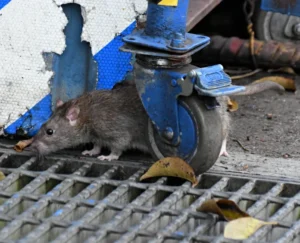
The darkness is important too. Rats have poor eyesight and rely more on their other senses, but they still prefer dark environments where they feel concealed. Engine bays are usually pretty dark, especially at night when rats are most active.
The enclosed nature of the space also helps rats feel protected. They can squeeze into tight spots between engine parts where larger predators can’t reach them. This gives them a sense of security.
Plus, there are usually several entry points into an engine bay (from underneath, through wheel wells, or from above), but once inside, it’s a protected fortress. This appeals to a rat’s survival instincts.
The Engine Bay Offers Shelter From Weather
Beyond just warmth, engine compartments protect rats from rain, snow, wind, and other harsh weather conditions.
If it’s raining outside, a rat sitting under your hood stays completely dry. The engine bay shields them from precipitation while also keeping them hidden from view.

Wind is another factor. On windy nights, being tucked into an engine compartment means no chilling wind hitting the rat. The still air inside the engine bay, combined with residual engine heat, creates a comfortable microclimate.
In areas with snow or ice, engine bays can be one of the few accessible dry spots available to rats. While underground burrows are ideal, urban and suburban rats don’t always have access to good burrowing spots. Your car becomes the next best thing.
The shelter aspect is so appealing that rats might choose to nest in engine bays even when they have other options available. The combination of protection, warmth, and concealment is hard to beat.
Rats Are Attracted to Wiring and Hoses
Here’s where things get expensive for car owners. Rats don’t just live in engines – they chew on them, particularly on wires and hoses.
There are a few theories about why rats are so drawn to chewing on car wiring. One possibility is that modern car manufacturers use soy-based insulation on wires to make them more environmentally friendly. To rats, this soy-based coating smells and tastes like food.
Whether that’s true or not, rats definitely chew on wires frequently. Part of this is just normal rat behavior – rats need to constantly gnaw on things to keep their ever-growing teeth at a healthy length. Your car’s wiring provides plenty of chewing material.
The texture and size of automotive wires might also be perfect for rats. They’re not too hard, not too soft, and they’re everywhere in the engine bay. For a rat looking to wear down their teeth, it’s convenient.
Rubber hoses are another target. Coolant hoses, vacuum lines, and other rubber components can all get chewed through by rats looking for something to gnaw on.
This chewing can cause thousands of dollars in damage. A chewed wire might prevent your car from starting, cause electrical problems, or even create fire hazards. Chewed hoses can lead to coolant leaks, vacuum leaks, or other mechanical problems.
Food Sources in and Around Cars
Sometimes rats are attracted to actual food in or near your car, which leads them to explore the engine bay.
If you eat in your car and drop crumbs, or if you store food items in your vehicle, rats can smell it. They might climb into the engine bay while investigating these food smells, then discover that the engine itself is a great place to stay.
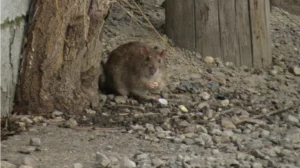
Bird feeders near where you park are another common problem. Spilled birdseed on the ground attracts rats, and once they’re in the area, they might explore your car’s engine as a potential nesting site.
Some people have issues after working on their cars. If you store oily rags, old food wrappers, or other items in or near your vehicle, you might be creating rat attractants without realizing it.
In some cases, rats might bring food into the engine bay to store it. They’ll create little food caches along with their nesting material, planning to eat it later. This is especially common in fall when rats instinctively hoard food for winter.
Even if there’s no actual food, some engine fluids and materials might smell interesting to rats. The various chemical smells in an engine bay could potentially attract curious rats investigating potential food sources.
Perfect Nesting Material Is Available
Rats don’t just sleep in engine bays – they build full nests with collected materials. Unfortunately, your car provides a lot of what they need.
Rats will shred things they find to create soft nesting material. This might include paper debris, fabric, insulation from the car itself, or materials they bring in from outside.
Sometimes rats will drag in grass, leaves, twigs, and other natural materials to build nests. You might open your hood and find what looks like a bird’s nest made of grass and sticks, but it’s actually rat housing.
The air filter housing is a particularly popular nesting spot. It’s enclosed, relatively spacious, and the existing filter material can be shredded and used as bedding. Many car owners have discovered rat nests completely filling their air filter box.
Other favorite nesting spots include the space around the battery, behind the engine block, and in the cowl area where the windshield meets the hood. Basically, any spot that’s somewhat enclosed and accessible becomes potential real estate.
The problem with nesting is that rats might live in your engine for extended periods. They’re not just visiting for warmth – they’re setting up a home. This means more time for them to cause damage.
Rats Follow Scent Trails
Once one rat discovers your engine bay is a good spot, other rats are likely to follow. This is because rats communicate partly through scent marking.
When a rat finds a good location, it leaves scent trails through urine and other markings. These trails tell other rats “there’s a good spot here.” Over time, your car can become a known hangout for multiple rats.

This is why the problem can escalate. You might start with one rat occasionally visiting your engine, but within weeks you could have multiple rats using it as a regular shelter or nesting site.
Cats and other predators can also drive rats into hiding spots like engines. If a rat is being chased, it might dash into the nearest safe spot – which could be your car’s engine bay. Once there, it discovers it’s actually a pretty nice place and decides to stay.
In neighborhoods with large rat populations, cars parked outside become part of the rats’ territory. They learn that engine bays are safe spots and will check them regularly.
How to Tell If Rats Are in Your Engine
There are several signs that rats have been visiting or living in your car’s engine.
Droppings are the most obvious sign. Rat droppings are dark, pellet-shaped, about 1/2 to 3/4 inch long. If you open your hood and see these scattered around, you’ve had visitors.
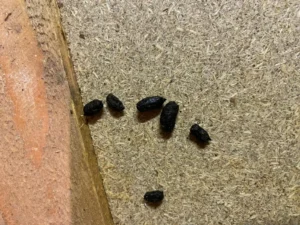
Chewed wires or hoses are another clear indicator. Look for stripped insulation on wires or bite marks on rubber components. Sometimes you’ll see wires completely severed.
Nesting material is a dead giveaway. Shredded paper, grass, sticks, or fabric bunched up in corners or cavities means a rat has been building a home.
Greasy smudge marks along edges and surfaces can indicate rat traffic. Rats have oily fur that leaves marks as they squeeze through tight spots.
A strong musky smell, like stale urine, often indicates rat activity. This smell can be quite noticeable when you open the hood.
Chewed food items, nut shells, or food stashes stored in the engine bay are also signs of rat activity.
Finally, if your car won’t start or has mysterious electrical problems that come and go, chewed wiring might be the cause.
When Rats in Engines Are Most Common
Rat problems in cars tend to follow seasonal patterns, though they can happen any time of year.
Fall and winter are peak seasons for rats in engines. As temperatures drop, rats seek warm shelter more actively. The combination of cold weather and warm engines is irresistible.
In agricultural areas, harvest time can drive rats toward vehicles. When fields are harvested, rats that were living there get displaced and look for new shelter, including cars.
Spring can also see increased activity as rats breed and look for nesting sites to raise their young. A warm, protected engine bay could seem perfect for raising a litter.
Cars that sit unused for extended periods are at higher risk year-round. A car that’s been parked in a driveway for weeks without being driven provides stable, undisturbed shelter that rats love.
Geographic location matters too. Areas with large rat populations obviously have more problems. Cities, farms, and suburban areas near open spaces or water sources tend to have more issues.
The Risks of Rats in Your Engine
Beyond the annoyance factor, rats in engines create real safety and financial risks.
Chewed wiring can prevent your car from starting, cause warning lights to appear, or create intermittent electrical problems that are hard to diagnose. Repair bills can easily run into thousands of dollars.
More seriously, damaged wiring can create fire hazards. If a rat chews through insulation and exposes wires that can short circuit, it could potentially start a fire.
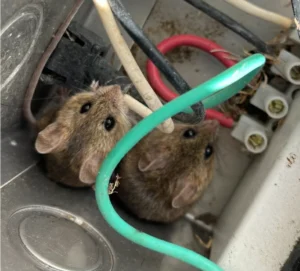
Chewed hoses can lead to fluid leaks. A coolant leak could cause your engine to overheat. A brake line leak (less common but possible) could be extremely dangerous.
Nesting material near hot engine parts is a fire risk. Dry grass and paper can ignite if they come in contact with hot exhaust components.
There’s also the health risk. Rat droppings and urine can carry diseases. Working on your car or having a mechanic handle a rat-infested engine exposes people to these health hazards.
Finally, if a rat is actually in the engine when you start the car, the results are gruesome and can damage belts, fans, or other moving parts.
Prevention Is the Best Solution
Keeping rats out of your engine in the first place is much easier and cheaper than dealing with damage after it happens.
Park in enclosed spaces when possible. Garages keep rats out much more effectively than open driveways. If you can’t park in a garage, at least park in well-lit areas away from vegetation.
Keep the area around your car clean. Don’t leave food, trash, or debris near where you park. Cut back overgrown vegetation that provides cover for rats approaching your car.
Use deterrents like peppermint oil-soaked cotton balls placed in the engine bay. Rats supposedly dislike the smell. You can also buy commercial rat deterrent sprays made for cars.
Some people have success with strobe lights or ultrasonic repellers designed to keep rats away. These vary in effectiveness but can be worth trying.
Wire mesh or hardware cloth can be used to block entry points into the engine bay, though this requires some mechanical knowledge to install without blocking cooling airflow.
Drive your car regularly. Cars that are used daily are less attractive because the engine is frequently hot and disturbed. Rats prefer stable, quiet nesting spots.
Conclusion
Rats go in car engines because these spaces provide everything a rat needs: warmth, shelter, darkness, safety from predators, and sometimes even food sources. The enclosed engine bay is like a perfect apartment for a rat, especially during cold weather.
The soy-based wiring used in modern cars might make the problem worse by giving wires a food-like smell, but rats would probably chew on them anyway just to maintain their teeth.
Understanding why rats find engines attractive helps you prevent the problem. Keep your car in a garage if possible, eliminate food sources nearby, use deterrents, and drive regularly. Taking these steps can save you from the frustration and expense of rat damage to your vehicle.

Hi, my name is Ezra Mushala, i have been interested animals all my life. I am the main author and editor here at snakeinformer.com.