
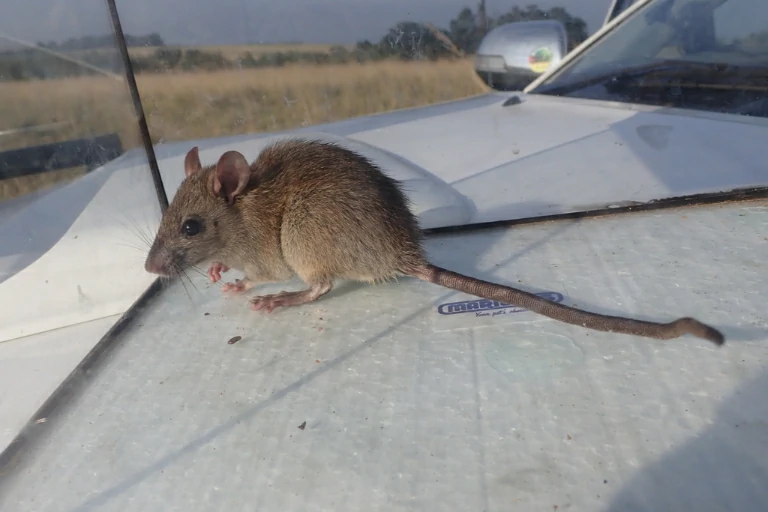
You might have heard horror stories about rats getting inside cars, or maybe you’ve experienced it yourself. You open your car door and find droppings on the seats, or you discover chewed upholstery and a nest in your trunk. I
t’s a problem that affects thousands of car owners, causing damage and creating health concerns. So why do rats get in cars in the first place?
Rats get in cars because vehicles provide shelter, warmth, darkness, and often food sources. Cars offer safe hiding spots from predators, comfortable nesting areas, and access to materials rats can chew and use. The enclosed spaces make rats feel secure, especially during cold weather or when raising young.
Understanding what attracts rats to your car and how they get inside can help you prevent this frustrating and potentially expensive problem. Let’s look at the specific reasons rats find vehicles so appealing.
Cars Provide Perfect Shelter
From a rat’s perspective, a car is basically a ready-made shelter with everything they need to feel safe and comfortable.
Cars offer enclosed spaces that protect rats from weather. Rain, snow, wind, and extreme temperatures are all blocked out when a rat is inside a vehicle. This protection is especially valuable during harsh weather.
The interior of a car is also dark, which rats prefer. Rats are primarily nocturnal and feel safer in dark environments where they’re hidden from predators. Even during the day, the inside of a parked car is relatively dim.
Cars have multiple small spaces that appeal to rats’ instinct to hide in tight spots. The space under seats, inside door panels, in the glove compartment, behind the dashboard, and in the trunk all provide the kind of enclosed hiding spots rats love.
These enclosed spaces also make rats feel protected from predators. A rat inside a car is shielded from hawks, owls, cats, dogs, and other animals that would happily eat them. The car becomes a fortress.
For rats looking to nest and raise young, a car can seem ideal. It’s protected, relatively undisturbed (if the car isn’t driven daily), and provides materials for nest building.
Warmth Attracts Rats to Vehicles
Temperature is a huge factor in why rats seek out cars, especially in colder months.
Even when a car hasn’t been driven recently, it can be warmer inside than outside. Cars absorb and hold heat from the sun during the day, making the interior warmer than the surrounding air temperature at night.

If the car has been driven, the residual heat makes it even more attractive. A warm engine, warm seats, and generally warm interior air are incredibly appealing to a cold rat.
Rats are warm-blooded and have to maintain their body temperature. While they’re hardy animals, they’d much rather be warm and comfortable than cold and stressed. A warm car beats sleeping outside in freezing temperatures.
This is why car rat problems spike in fall and winter. As temperatures drop, rats actively search for warm places to spend their time. Your car, especially if you park it outside, becomes an obvious target.
In the summer, cars can still be attractive for different reasons. The shade and protection from direct sun might make a car cooler than being exposed outside during the hottest part of the day.
The heating and insulation in cars also create warm spots even when the car isn’t running. Areas near the engine, inside seats (which often have foam insulation), and in door panels can retain warmth.
Food Sources in and Around Cars
One of the biggest attractants for rats is food, and cars often have more food than owners realize.
If you eat in your car, dropped crumbs are like a rat buffet. French fries under the seat, chip crumbs in the console, cookie fragments on the floor – rats can smell all of it. Even tiny crumbs are worth investigating for a hungry rat.
Food wrappers and containers with food residue also attract rats. A fast food bag crumpled in the back seat, a coffee cup with dried residue, or candy wrappers all carry food smells.

Some people store actual food in their cars, which is basically inviting rats to move in. Granola bars in the glove box, emergency snacks in the console, or groceries left in the trunk overnight can all draw rats.
Pet food is another common problem. If you feed your dog in the car, transport pet food, or have pet treats stored in the vehicle, rats will find them. The smell of pet food is very attractive to rats.
Even non-food items can attract rats if they smell interesting. Soaps, air fresheners, and other scented products might draw a curious rat to investigate.
Once a rat finds food in your car, they’ll remember it and come back. Rats are smart and have good memories for food locations. Your car becomes a known food source in their mental map.
Cars Offer Nesting Materials
Rats don’t just visit cars for food and shelter – they actively build nests inside them using whatever materials they can find.
Car upholstery is perfect nesting material from a rat’s perspective. The foam padding inside seats can be torn out and shredded to create soft bedding. Fabric seat covers, carpet, and headliner material can all be ripped up and used.
Rats will also bring materials into the car from outside. Grass, leaves, paper, fabric scraps, and other items get dragged in through whatever opening the rat is using. You might open your trunk and find what looks like a bird’s nest made of grass and shredded materials.
Insulation from the car itself is often used. Many cars have insulation in the doors, under the hood, and in other areas. Rats will tear this out and repurpose it for nesting.
The damage from nest building can be extensive and expensive. Destroyed seats, torn carpet, chewed upholstery, and missing insulation all need costly repairs.
Popular nesting spots include under seats, inside seat cushions (if they can access them), in the trunk, behind door panels, in the engine bay air filter housing, and in the space behind the dashboard.
How Rats Actually Get Inside Cars
You might wonder how rats get into what seems like a sealed vehicle. They’re surprisingly good at finding or creating entry points.
Small gaps and openings are all rats need. An adult rat can squeeze through a hole about the size of a quarter. Young rats can fit through even smaller spaces. Any gap in weatherstripping, a small hole in the floor, or an opening where wires or pipes enter the cabin can be an entry point.
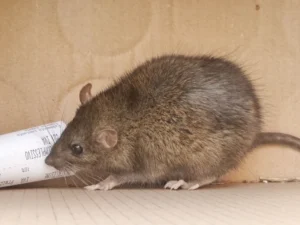
Rats often get in from underneath the car. They’ll climb up from the ground into the undercarriage and find their way into the cabin through holes in the floor, gaps around pedals, or openings in the firewall.
Wheel wells are another common entry point. Rats climb into the wheel well and look for ways into the car from there, sometimes finding gaps near wiring harnesses or ventilation systems.
Open windows or doors make it easy. Even a window cracked just a couple inches can be enough for a rat to squeeze through. A door left slightly open, even for just a few minutes, is an invitation.
Vents and air intake systems can be entry routes. The fresh air intake for your HVAC system has to pull air from outside, and the pathways for that air can sometimes be accessed by determined rats.
Trunk seals that are worn or damaged can create gaps large enough for rats to exploit. Check your trunk weatherstripping regularly.
Once one rat finds a way in, other rats will likely use the same route. Rats leave scent trails that other rats follow.
The Damage Rats Cause in Cars
The consequences of rats in your car go beyond just the gross-out factor. Rats can cause serious and expensive damage.
Chewing is the biggest problem. Rats need to constantly gnaw to keep their ever-growing teeth at a healthy length, and your car provides plenty of chewing opportunities.
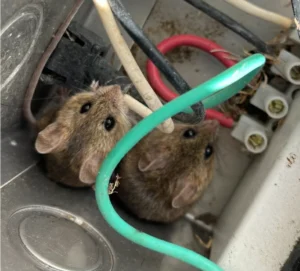
Wiring is a prime target. Rats chew through electrical wires, which can cause all kinds of problems from non-working accessories to cars that won’t start.
In some cases, chewed wiring can create fire hazards. Modern cars with soy-based wire insulation are particularly vulnerable.
Upholstery damage can cost hundreds or thousands to repair. Shredded seats, torn carpet, and destroyed headliners aren’t cheap to fix.
Contamination from droppings and urine creates health hazards. Rat waste can carry diseases, and the smell can be very difficult to remove from a car’s interior. In severe cases, the car might need professional cleaning or even replacement of affected parts.
Rats can damage mechanical components too. Chewed hoses, damaged belts, and gnawed plastic parts can all lead to mechanical failures. A chewed coolant hose could cause your engine to overheat. A damaged vacuum line could affect engine performance.
Air filters often get destroyed when rats nest in the air filter housing. You might go to change your air filter and find it completely shredded and filled with nesting material.
The smell of a rat infestation is hard to remove. Even after you remove the rats and clean everything you can find, the odor can linger in hard-to-reach places.
Signs Rats Are in Your Car
Knowing what to look for can help you catch a rat problem early before major damage occurs.
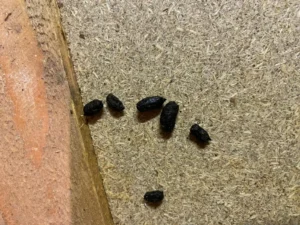
Droppings are the most obvious sign. Rat droppings are dark brown or black, pellet-shaped, about 1/2 to 3/4 inch long, and pointed at the ends. Finding these in your car is a clear indicator.
Chew marks on plastic parts, upholstery, or visible wiring tell you rats have been active. Fresh chew marks are often lighter in color than the surrounding material.
Nesting material is another giveaway. Piles of shredded fabric, grass, leaves, or paper in corners or under seats indicate a rat has been building a nest.
A strong, musky smell like stale urine is common when rats have been living in a car. This odor is often noticeable as soon as you open the door.
Grease marks along edges and surfaces can indicate rat traffic. Rats have oily fur that leaves smudges as they move through tight spaces.
Strange noises when the car is off or just started might be rats moving around. Scratching or scurrying sounds are particularly suspicious.
Food items that you didn’t store appearing in your car is a sign rats are bringing food in. Nut shells, seed hulls, or food wrappers you don’t recognize are red flags.
Problems starting your car or mysterious electrical issues can result from chewed wiring.
Why Some Cars Get Targeted More Than Others
Not all cars seem equally attractive to rats. Certain factors make some vehicles more likely to have problems.
Cars parked outside are at much higher risk than garaged cars. Rats have easy access to cars parked in driveways, on streets, or in open parking lots.
Vehicles parked near vegetation or debris attract more rats. If your car is parked near overgrown bushes, wood piles, trash areas, or tall grass, rats in those areas will easily find your car.
Cars that aren’t driven regularly are prime targets. A car that sits unused for days or weeks provides stable, undisturbed shelter that rats love. Daily drivers get disturbed too often for rats to settle in comfortably.
Older cars with worn weatherstripping or body damage may have more entry points. Gaps and holes that develop over time make it easier for rats to get in.
Cars with food inside (even old crumbs) attract rats more than clean cars. If you regularly eat in your vehicle and don’t clean it thoroughly, you’re creating an attractant.
Location matters a lot. Cars in areas with large rat populations naturally face higher risk. Urban areas, places near water sources, farms, and neighborhoods with poor trash management tend to have more rats.
Type of parking matters too. Cars parked on grass or dirt may have more rat problems than those parked on concrete, since rats often live in burrows in the ground nearby.
How to Keep Rats Out of Your Car
Prevention is much easier and cheaper than dealing with rat damage after it happens.
Park in enclosed spaces whenever possible. A garage with a door keeps rats out much more effectively than parking outside. If you must park outside, choose well-lit areas away from vegetation.

Keep your car clean, especially of food. Vacuum regularly, don’t eat in the car if you can avoid it, and immediately clean up any spills or crumbs. Don’t store food in your vehicle.
Check for and seal entry points. Look for gaps, holes, or damaged weatherstripping and repair them. Pay special attention to areas around pedals, where wires enter the cabin, and trunk seals.
Use deterrents like peppermint oil-soaked cotton balls placed inside the car (replace weekly). Commercial rodent deterrent sprays made for vehicles are also available.
Some people have success with ultrasonic repellers designed for cars. These plug into your 12V outlet and emit high-frequency sounds that supposedly repel rats. Effectiveness varies.
Drive your car regularly. Daily use disturbs rats and makes your car less attractive as a nesting site. If you have a car that sits unused, start it and move it regularly.
Remove attractants from around your parking area. Keep trash in sealed bins, don’t leave pet food outside, eliminate bird feeders near where you park, and trim back overgrown vegetation.
Set traps near (not in) your car if you know rats are in the area. Catching rats before they discover your car prevents problems.
Block access from underneath with wire mesh if your car is parked long-term in one spot. This requires some setup but can be effective.
What to Do If Rats Are Already in Your Car
If you discover rats have gotten into your car, act quickly to minimize damage.
First, remove the rats. Set traps inside the car (when it’s parked and won’t be used) or use humane live traps if you prefer. Check and empty traps daily.
Find and seal entry points. Once rats are out, you need to prevent re-entry. Inspect carefully and seal any gaps or holes you find.
Clean thoroughly. Remove all nesting material, vacuum everything, and disinfect surfaces. Rat droppings and urine can carry diseases, so wear gloves and a mask. Consider professional detailing for severe cases.
Check for damage. Inspect wiring, hoses, upholstery, and other components. If you find chewed wires or other damage, get it repaired promptly to prevent further problems or safety issues.
Address lingering odors. Enzyme cleaners designed for pet odors can help with rat smell. You might need to remove and clean items like floor mats separately or replace them if the smell won’t go away.
Consider professional help. Pest control professionals can deal with severe infestations, and mechanics can assess and repair damage you might not be able to see.
Conclusion
Rats get in cars because vehicles provide everything a rat needs: shelter from weather and predators, warmth, dark enclosed spaces that feel safe, nesting materials, and often food sources. The combination of these factors makes cars attractive to rats year-round, with problems increasing during cold months.
Understanding why rats target cars helps you prevent problems through proper parking, cleanliness, sealing entry points, and using deterrents. If rats do get in your car, quick action to remove them and repair damage can prevent the situation from getting worse.
The key is making your car less appealing than other shelter options available to rats in your area. Keep it clean, eliminate food sources, park smart, and stay vigilant for early signs of rat activity.

Hi, my name is Ezra Mushala, i have been interested animals all my life. I am the main author and editor here at snakeinformer.com.