
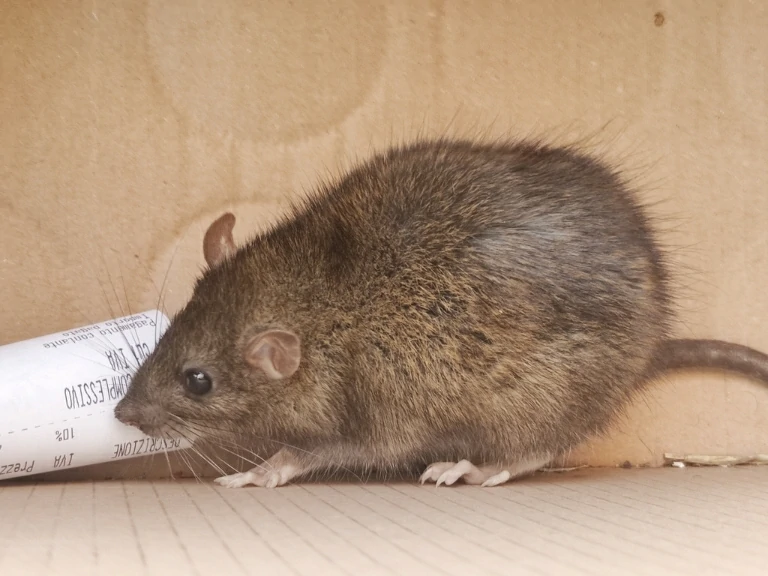
If you’ve ever owned pet rats or researched them before getting one, you’ve probably come across the unfortunate fact that rats get cancer at really high rates.
It’s one of the leading causes of death in pet rats, and many rat owners have to deal with tumors at some point. This can be heartbreaking, especially when you’ve bonded with your furry friends. So why do rats get cancer so frequently?
Rats get cancer at high rates because of their short lifespans, fast cell division, genetic factors (especially in domesticated rats), and the fact that they’re small animals with less robust DNA repair systems. Female rats are particularly prone to mammary tumors due to hormonal factors.
This high cancer rate is one of the saddest parts of rat ownership, but understanding why it happens can help you recognize symptoms early and potentially extend your rat’s life through proper care and early treatment.
Rats Have Short Lifespans and Fast Metabolism
One of the main reasons rats get so much cancer is tied directly to how long they live and how fast their bodies work.
The average pet rat lives about 2-3 years, with some making it to 4 years if they’re really lucky. This is an incredibly short lifespan compared to larger pets like dogs and cats.

This short life means rats go through their entire life cycle very quickly. They’re born, grow to adulthood, age, and die all within a few years. Their bodies are essentially living in fast-forward compared to longer-lived animals.
With this fast metabolism comes rapid cell division. Rat cells divide and reproduce much faster than cells in longer-lived animals. Every time a cell divides, there’s a small chance of a DNA copying error. The more times cells divide, the more chances for these errors to happen.
Think of it like making copies of a document. Make 10 copies and you might not notice any errors. Make 10,000 copies and the chances of mistakes showing up increases dramatically. That’s basically what’s happening in a rat’s body, just with cells instead of paper.
These DNA copying errors can lead to mutations, and mutations can lead to cancer. With rat cells dividing so frequently over a compressed lifespan, the odds of cancer-causing mutations stack up quickly.
Small Animals Have Different Cancer Risks
There’s an interesting pattern in biology: smaller animals tend to have higher cancer rates relative to their lifespan, while larger animals have lower rates.
This seems backward at first. You’d think bigger animals would get more cancer since they have more cells, and more cells means more chances for things to go wrong. But it doesn’t work that way.

Larger animals have evolved better DNA repair mechanisms and cancer suppression systems to deal with having so many cells. Elephants, for example, have multiple copies of tumor suppressor genes that help prevent cancer even though they have vastly more cells than a rat.
Small animals like rats haven’t needed to develop these same robust protections. With fewer total cells, they theoretically have less cancer risk just from numbers alone, so evolution didn’t push them to develop super-strong cancer defenses.
But combine that less-robust cancer defense system with rapid cell division and short lifespans, and you get high cancer rates in small, short-lived animals.
This is called Peto’s Paradox in biology – the observation that cancer rates don’t correlate with body size the way you’d expect. Rats fall on the small-animal end of this paradox.
Genetic Factors in Domesticated Rats
Wild rats actually have lower cancer rates than domesticated pet rats. This tells us that genetics play a huge role, and specifically, that breeding has created some problems.
Pet rats have been bred for generations for certain traits: temperament, color, coat patterns, size, and other features people find appealing. This selective breeding has narrowed the genetic pool considerably.
When you breed animals selectively, you’re also accidentally selecting for whatever genes come along with your desired traits. If a gene that makes rats friendly also happens to increase cancer risk, you’ll end up with a population of friendly rats who get cancer a lot.
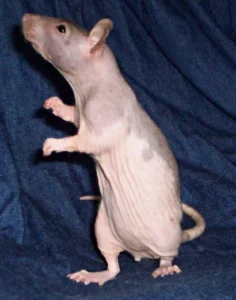
Inbreeding is another issue. To get specific colors or patterns, breeders sometimes mate closely related rats. This increases the chances of harmful recessive genes showing up, including genes that increase cancer susceptibility.
Certain rat lines (like specific color varieties) have higher cancer rates than others. This strongly suggests genetic factors are at play. If cancer were purely random, you wouldn’t see these patterns in specific breeding lines.
Lab rats used in research also have high cancer rates, partly because they’ve been bred for generations in controlled environments where traits like tumor susceptibility were sometimes selected for or against depending on the research needs.
Female Rats and Mammary Tumors
If you own female rats, you’ve probably heard about mammary tumors. These are incredibly common and are one of the biggest cancer threats to female rats.
Mammary tumors are growths in the breast tissue, and female rats are extremely prone to them. Some estimates suggest that up to 50% or more of female rats will develop mammary tumors during their lifetime.

The main reason is hormones. Female rats produce estrogen and other reproductive hormones throughout their lives. These hormones stimulate mammary tissue, and that constant stimulation increases the risk of tumors developing.
Unlike humans, rat mammary tissue isn’t just located on the chest. It extends all the way from their neck down to their hind legs and around their sides. This means mammary tumors can appear almost anywhere on a female rat’s body, which surprises many owners.
Most mammary tumors in rats are benign (non-cancerous), meaning they don’t spread to other parts of the body. But even benign tumors can grow large enough to cause problems. A tumor the size of the rat’s head isn’t uncommon, and it can interfere with movement, eating, and quality of life.
Some mammary tumors are malignant (cancerous) and can spread to other organs. Even when they’re benign, the tumors often grow back after removal.
Spaying female rats before they’re 6 months old can dramatically reduce mammary tumor risk. This removes the source of the hormones that stimulate tumor growth. However, many rats aren’t spayed because the surgery carries risks in such small animals.
Environmental Factors That Increase Cancer Risk
While genetics and biology play the biggest roles, environmental factors can also affect cancer rates in rats.
Diet matters. Rats fed high-fat, high-calorie diets have increased cancer rates, particularly for mammary tumors. Obesity is a risk factor in rats just like it is in humans.
Exposure to toxins can increase cancer risk. If rats are exposed to cigarette smoke, certain chemicals, or poor air quality, their cancer risk goes up. This is one reason why rat bedding choice matters – some types of bedding (like cedar shavings) contain aromatic compounds that can be harmful.
Lack of exercise might play a role. Rats need space to run, climb, and play. Rats kept in small cages without enrichment or exercise opportunities may have higher health problems overall, potentially including cancer.
Stress is another factor. Chronic stress affects the immune system and can make the body less effective at fighting off cancer cells. Rats kept alone (they’re social animals), in noisy environments, or without proper care can experience chronic stress.
That said, even rats kept in perfect conditions with ideal diet, environment, and care still get cancer at high rates. Environment can influence the odds, but it can’t eliminate the risk.
Types of Cancer Common in Rats
Beyond mammary tumors, rats can develop several other types of cancer.
Pituitary tumors are extremely common, especially in older rats. The pituitary gland is located in the brain and controls many hormones. These tumors can cause neurological symptoms like head tilt, loss of balance, seizures, and other issues.
Skin tumors can develop, though they’re less common than mammary or pituitary tumors. These might appear as lumps or growths on the skin.

Lymphoma (cancer of the lymphatic system) occurs in rats and can cause swelling, weight loss, lethargy, and breathing problems.
Testicular tumors can happen in male rats, though they’re not as common as mammary tumors in females.
Lung tumors are possible but relatively uncommon in pet rats. However, respiratory infections (which rats are very prone to) can sometimes be confused with or lead to complications that include tumors.
The variety of cancers rats can get shows that it’s not just one organ system that’s vulnerable. Multiple body systems have elevated cancer risk in rats.
Age and Cancer in Rats
Cancer risk in rats increases dramatically with age, just like in most animals including humans.
Young rats rarely get cancer. It’s possible, but uncommon. Most cancer diagnoses happen in rats over 18 months old.
By the time a rat reaches 2 years old, cancer becomes increasingly likely. Many rats who make it to 2.5 or 3 years old will develop tumors of some kind.

This age-related increase makes sense when you think about cumulative DNA damage. A young rat’s cells haven’t divided as many times yet, so there are fewer opportunities for mutations to accumulate.
An older rat’s cells have divided thousands of times, increasing the chances that cancer-causing mutations have occurred.
The immune system also weakens with age in rats. A younger rat’s immune system is better at identifying and destroying abnormal cells before they become tumors. An older rat’s immune system isn’t as vigilant.
This is why regular health checks become more important as your rats age. Catching tumors early, when they’re small and more treatable, can make a big difference in outcome.
Why Lab Rats Are Used in Cancer Research
The fact that rats get cancer so easily is actually one reason they’re used extensively in cancer research. Scientists can study how cancers develop, test treatments, and understand cancer biology using rats.
Certain lab rat strains have been bred specifically to develop cancer predictably. This sounds cruel, but it allows researchers to test cancer treatments and understand the disease in ways that benefit humans and other animals.
Because rats develop cancer naturally at high rates and have short lifespans, researchers can study the entire progression of cancer from start to finish in a reasonable time frame. This isn’t possible with longer-lived animals.
The downside is that this research hasn’t led to cures for cancer in pet rats themselves. While we’ve learned a lot about cancer from studying rats, treatments that work in lab settings aren’t always available or practical for pet rats.
Can You Prevent Cancer in Pet Rats?
Unfortunately, you can’t completely prevent cancer in rats. The genetic and biological factors are too strong. But you can reduce risk and catch problems early.
Spaying female rats before 6 months significantly reduces mammary tumor risk. This is the single most effective prevention step you can take, though the surgery does carry risks.
Feed a balanced, healthy diet. Avoid high-fat, high-sugar foods. Obesity increases cancer risk, so keeping your rats at a healthy weight helps.
Provide a clean environment with safe bedding. Avoid cedar and pine shavings (use paper-based or aspen bedding instead). Keep their cage clean and well-ventilated.
Give your rats space to exercise and mental stimulation. A large cage with toys, climbing opportunities, and things to explore keeps rats healthier overall.
Keep rats in pairs or groups. Social interaction reduces stress, which may help overall health.
Regular health checks are important. Learn to examine your rats weekly for lumps, bumps, or changes. Catching tumors early makes treatment more successful.
Even with all these precautions, many rats will still develop cancer. But these steps can potentially delay cancer onset or reduce severity.
Treatment Options for Rats With Cancer
If your rat does develop a tumor, treatment is sometimes possible, though it depends on the type and location.
Surgery is the most common treatment for accessible tumors, especially mammary tumors. A vet can remove the tumor while the rat is under anesthesia. Recovery from surgery is usually quick in young, healthy rats.

The problem is tumors often grow back. Multiple surgeries might be needed over a rat’s lifetime. Each surgery carries anesthesia risks, and there’s a point where surgery is no longer safe or humane.
Chemotherapy and radiation are rarely used in pet rats. These treatments are expensive, stressful for the rat, and not always effective. They’re more commonly used in research settings than in veterinary practice.
For inoperable tumors or very old rats, palliative care might be the best option. This means keeping the rat comfortable and managing pain rather than trying to cure the cancer.
Quality of life is the most important consideration. A rat can live happily with a tumor for months if it’s not causing pain or interfering with normal activities. But if the tumor grows large enough to prevent eating, moving, or causes obvious pain, humane euthanasia might be the kindest choice.
The Emotional Reality of Rat Cancer
For rat owners, the high cancer rate means you’ll likely lose at least one rat to cancer if you keep them for any length of time. This is emotionally hard.
Many people are surprised by how attached they get to their rats. These are intelligent, affectionate animals that bond with their owners. Losing them to cancer, often when they’re still relatively young, is heartbreaking.
The fast progression is another challenge. You might notice a small lump one week and have a tumor the size of a golf ball two weeks later. The speed can be shocking.
Making end-of-life decisions for rats is also difficult. Unlike dogs and cats, where there’s more guidance and support for these decisions, rat owners often feel alone in deciding when intervention is no longer kind.
Support from other rat owners can help. Online communities and forums exist where people share experiences and offer support. Your vet can also help guide quality of life decisions.
Conclusion
Rats get cancer at high rates because of a combination of factors: their short lifespans and fast metabolism, rapid cell division, less robust DNA repair systems, genetic factors from selective breeding, and in female rats, hormonal influences that cause mammary tumors.
While you can’t completely prevent cancer in rats, understanding the risk factors helps you make informed decisions about care, breeding, and treatment.
Regular health checks, good nutrition, spaying female rats early, and providing a healthy environment can all help reduce risk or catch problems early.
The high cancer rate is one of the hardest parts of rat ownership, but it doesn’t mean rats aren’t worth having as pets. Many rat owners feel the love and companionship these animals provide is worth the heartbreak of their short lives.
Knowing about cancer risk just helps you be prepared and give your rats the best care possible during the time you have together.

Hi, my name is Ezra Mushala, i have been interested animals all my life. I am the main author and editor here at snakeinformer.com.