
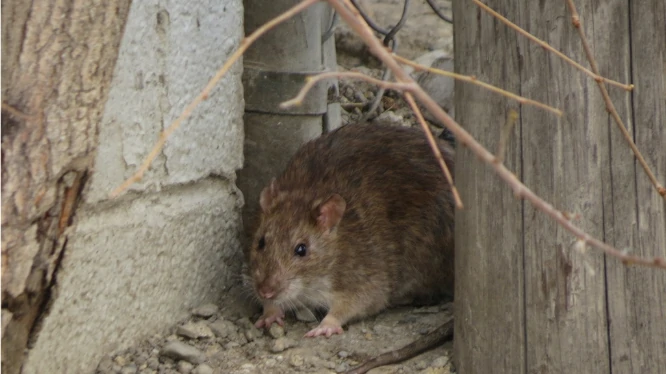
If you’ve ever looked into rat anatomy or heard someone mention that rats can’t vomit, you might have also come across another interesting fact about these small rodents.
Rats are missing an organ that most other mammals have, and it’s one that plays a pretty important role in digestion. But why do rats not have a gallbladder?
Rats don’t have a gallbladder because they eat small amounts of food throughout the day instead of large meals. Since their liver releases bile directly into their intestines as needed, they don’t need a storage organ like a gallbladder to hold bile between meals.
This missing organ is actually a smart adaptation for how rats live and eat. Instead of storing up bile for big digestive jobs, their bodies just produce and release it constantly in small amounts that match their eating habits.
What a Gallbladder Actually Does
Before we get into why rats don’t need one, it helps to understand what a gallbladder actually does in animals that have one.
The gallbladder is a small, pouch-like organ that sits near the liver. Its main job is to store bile, which is a digestive fluid that the liver makes. Bile helps break down fats in the food you eat so your body can absorb them properly.

In most mammals (including humans), the liver makes bile all the time. But you don’t eat all the time, so your body needs somewhere to store that bile until you need it. That’s where the gallbladder comes in.
When you eat a meal (especially one with fats in it), your gallbladder squeezes and releases the stored bile into your small intestine. This gives you a big burst of bile right when you need it to digest your food.
How Rats Digest Food Without a Gallbladder
So if rats don’t have a gallbladder, how do they digest fats and other foods that need bile to break down?
The answer is actually pretty simple. A rat’s liver still makes bile just like any other mammal’s liver does. But instead of storing it in a gallbladder, the bile goes straight from the liver into the small intestine through a tube called the bile duct.

This means bile is being released into a rat’s digestive system pretty much all the time, in small steady amounts. It’s like having a slow, constant drip instead of a big splash when you need it.
This works perfectly fine for rats because of how they eat. Rats are grazers, which means they eat small amounts of food many times throughout the day and night instead of sitting down for two or three big meals like humans do.
Since they’re always eating a little bit here and there, they’re always digesting something. This means they always need bile available, so the constant slow release from their liver matches up perfectly with their eating habits.
Other Animals That Don’t Have Gallbladders
Rats aren’t the only animals walking around without a gallbladder. Actually, quite a few different species have evolved to live without this organ.
Horses don’t have gallbladders either, and for a similar reason as rats. Horses are grazing animals that eat small amounts of food almost constantly throughout the day. They’re munching on grass and hay for up to 18 hours a day, so they need a steady flow of bile rather than big bursts.
Deer, elk, and other animals in the deer family also don’t have gallbladders. Again, these are grazing animals that eat frequently in small amounts.
Some other animals without gallbladders include pigeons, doves, and several types of whales and dolphins. In each case, it comes down to their eating patterns and what works best for their particular digestive needs.
Interestingly, camels do have gallbladders even though they can go long periods without eating. This is because when they do eat, they often consume large amounts of food at once, so they need that storage organ to release a lot of bile when needed.
Why Evolution Removed the Gallbladder in Rats
You might wonder why evolution would remove an organ instead of just keeping it there as a backup. After all, having a gallbladder doesn’t really hurt, right?
Actually, keeping organs you don’t need can be a problem. Every organ in your body requires energy to maintain and keep healthy. If an organ isn’t doing anything useful, that’s wasted energy that could be used somewhere else.
For rats, who need to be quick and efficient to survive in the wild, not carrying around unnecessary organs is actually an advantage.
A smaller, simpler digestive system means less energy spent on maintenance and more energy available for other important things like finding food, avoiding predators, and reproducing.

There’s also the fact that gallbladders can cause problems. In humans and other animals that have them, gallstones are a common issue. These are hard deposits that can form in the gallbladder and cause pain, infection, and other serious health problems.
By not having a gallbladder at all, rats completely avoid this risk. They can’t get gallstones or gallbladder disease because the organ simply isn’t there.
How This Affects Pet Rats
If you have pet rats or you’re thinking about getting some, you might wonder if this missing organ affects their health or what you should feed them.
The good news is that rats do perfectly fine without a gallbladder. Millions of years of evolution have made sure their digestive system works great exactly as it is.
You don’t need to feed your pet rats any special diet because of their missing gallbladder. They can digest fats and proteins just fine with the steady stream of bile their liver produces.
What you should do is make sure your rats always have access to food. Remember, they’re natural grazers who like to eat small amounts throughout the day. If you only feed them once or twice a day, you’re working against their natural eating pattern.
Most rat owners keep a bowl of dry food (called lab blocks or rat pellets) available at all times, and then give fresh fruits, vegetables, and other treats once or twice a day. This lets the rats nibble whenever they want, which matches up perfectly with how their digestive system works.
Can Rats Have Digestive Problems Without a Gallbladder?
Even though rats are built to function without a gallbladder, they can still have digestive issues just like any other animal.
Rats can get diarrhea, constipation, and upset stomachs from eating the wrong foods or from illness. But these problems aren’t related to their missing gallbladder. They’re just normal digestive issues that any animal might face.
One thing to watch out for is feeding your rats too much fatty food at once. While their liver can produce bile continuously, giving them a huge amount of fat all at one time might be harder for them to digest than spreading that fat out over several smaller meals.
This doesn’t mean you can’t give your rats foods with fat in them. Rats actually need some fat in their diet to stay healthy. Just avoid dumping a bunch of really greasy food on them all at once.
If your rat does have digestive problems, it won’t be because they’re missing a gallbladder. It’ll be for other reasons like bacterial infections, food poisoning, dietary issues, or other health problems that need a vet’s attention.
What This Teaches Us About Rat Biology
The fact that rats don’t have gallbladders tells us a lot about how evolution works and how animals adapt to their environments and lifestyles.
Rats are incredibly successful animals that live all over the world in almost every environment you can imagine. Part of their success comes from being efficient and adaptable. Not wasting energy on organs they don’t need is just one example of how streamlined their bodies are.
This also shows us that there’s no single “right” way for a digestive system to work. Humans need gallbladders because we eat big meals with long gaps in between. Rats don’t need them because they eat constantly in small amounts. Both systems work perfectly fine for the animals that have them.
Scientists have learned a lot about digestion and bile production by studying rats and other animals without gallbladders. This research has helped us understand how the liver works, how bile is produced and regulated, and what role the gallbladder actually plays in species that have one.
Do Lab Rats Get Special Treatment Because of This?
Rats are one of the most commonly used animals in scientific research, and their lack of a gallbladder is something researchers have to keep in mind.
When scientists test new drugs or study digestive diseases, they need to remember that rat digestion works differently than human digestion in some ways. The missing gallbladder is one of those differences.
This doesn’t make rats bad research animals. Actually, they’re still incredibly useful for studying all kinds of things. Researchers just need to be aware of the differences and account for them in their studies.
For studies specifically about gallbladder disease or gallstones, scientists obviously can’t use rats. They’ll use other animals like guinea pigs or hamsters that do have gallbladders.
But for most other types of research, the missing gallbladder doesn’t matter much. Rats are still great models for studying everything from cancer to behavior to nutrition.
Conclusion
Rats don’t have a gallbladder because they simply don’t need one. Their eating habits (grazing on small amounts of food all day long) match up perfectly with a digestive system that releases bile constantly in small amounts rather than storing it up for big meals.
This is a great example of how evolution shapes animals to fit their lifestyle. Instead of carrying around an organ they don’t use, rats evolved to have a simpler, more efficient digestive system that works perfectly for how they live and eat.
If you have pet rats, you don’t need to worry about their missing gallbladder. Just make sure they always have food available so they can graze throughout the day like they’re built to do.
Their liver will keep producing bile steadily, and they’ll digest their food just fine without any special help needed.

Hi, my name is Ezra Mushala, i have been interested animals all my life. I am the main author and editor here at snakeinformer.com.