

When most people think about rats, they picture pests that spread disease, damage property, and generally cause problems.
It’s true that rats can be destructive in the wrong places, but these often-hated rodents actually play some surprisingly important roles in nature and human society.
From helping scientists develop life-saving medicines to keeping ecosystems balanced, rats contribute more than you might think. So why do we need rats?
We need rats because they’re important to medical research (helping develop treatments for human diseases), they play key roles in ecosystems as prey animals and seed dispersers, and they help break down organic waste in nature. Despite their reputation as pests, rats provide benefits that affect human health and environmental balance.
Understanding what rats actually do for us and for the environment can change how you think about these intelligent creatures. They’re not just random pests, they’re part of a bigger picture that includes both challenges and benefits.
How Rats Help Medical Research
One of the most important ways rats benefit humans is through medical research. Rats have been used in laboratories for over 150 years, and they’ve helped develop countless treatments and medicines.
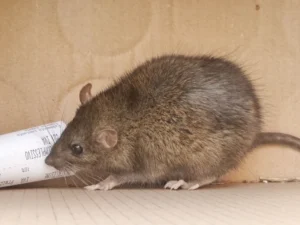
Rats are good research subjects because their biology is surprisingly similar to humans. They have similar organ systems, their genes work in comparable ways, and they develop many of the same diseases we do, including cancer, diabetes, and heart disease.
Scientists use rats to test new drugs before they’re tried in humans. This testing helps figure out if a drug is safe, what the right dose is, and what side effects might happen. Without rat testing, it would be much more dangerous to try new medicines on people.
Research using rats has directly led to treatments for conditions like high blood pressure, organ transplant rejection, and various types of cancer. Many of the medicines you can buy at a pharmacy today were developed with help from rat research.
Rats as Prey in the Food Chain
In nature, rats play an important role as prey animals. They’re a major food source for many predators, and without rats, these predators would struggle to survive.
Birds of prey like owls, hawks, and eagles depend heavily on rats for food. Snakes, foxes, coyotes, weasels, and even some larger fish eat rats when they can catch them.

Rats reproduce quickly and in large numbers, which makes them a reliable food source. A single pair of rats can produce dozens of offspring in a year, providing plenty of meals for hungry predators.
If rats suddenly disappeared, it would mess up the food chain. Predators that depend on rats would either starve or have to compete more intensely for other prey. This could lead to declines in predator populations and changes in how entire ecosystems work.
How Rats Help With Waste Decomposition
Rats are nature’s cleanup crew in many environments. They eat organic waste and help break it down, which plays a part in nutrient cycling and keeping ecosystems healthy.
In urban areas, rats feed on garbage and food waste that humans produce. While this can be a problem when rat populations get too large, it also means they’re consuming waste that would otherwise pile up or need to be processed another way.

In natural environments, rats eat fallen fruits, seeds, dead plant material, and even carrion (dead animals). By consuming this organic matter and excreting it, they help return nutrients to the soil.
This decomposition role is shared by many animals, but rats contribute significantly because they’re so numerous and they eat such a wide variety of things. They’re basically mobile compost machines.
Why Rats Matter for Seed Dispersal
Rats play an interesting role in spreading plants around. When they eat fruits and seeds, they don’t digest all of them, and the seeds that survive pass through their digestive system and get deposited in new locations.
Some plant species actually benefit from being eaten by rats. The passage through a rat’s gut can help break down the seed coat, making it easier for the seed to sprout. The rat’s droppings also provide fertilizer for the young plant.
Rats also cache seeds, which means they gather and hide them in various locations to eat later. Sometimes they forget about these hidden seeds, or they die before retrieving them, and those seeds can sprout into new plants.
This seed dispersal helps plants spread to new areas and contributes to plant diversity in ecosystems. While rats aren’t as important for this as some other animals like birds, they still make a contribution.
What Rats Tell Us About Environmental Health
Scientists sometimes study rat populations to learn about environmental conditions and pollution levels. Rats can serve as indicators of ecosystem health.
Because rats live in close contact with human environments and consume a wide variety of foods, they’re exposed to many of the same pollutants and contaminants that might affect people. Studying rats can give early warnings about environmental problems.

Researchers can analyze rat tissues to detect heavy metals, pesticides, and other pollutants in the environment. Changes in rat health or population numbers can signal larger environmental issues that need attention.
This monitoring role isn’t usually intentional on the rat’s part, but it makes them useful for environmental scientists trying to track pollution and its effects on wildlife and potentially human health.
How Rats Help Landmine Detection
Here’s something you probably didn’t expect: specially trained rats are being used to detect landmines in countries recovering from war. These “hero rats” save lives by finding hidden explosives.
African giant pouched rats are particularly good at this job. They’re smart enough to be trained, they have an excellent sense of smell, and they’re light enough that they won’t trigger the mines they find.
These rats are trained to recognize the smell of TNT and other explosives. When they detect a mine, they scratch at the ground above it, alerting their handlers. They work much faster than humans with metal detectors and cost less to train and maintain.
Organizations like APOPO have successfully used rats to clear minefields in countries like Cambodia, Angola, and Mozambique. These rats have helped return land to safe use and have likely prevented countless injuries and deaths.
Rats in Disease Detection Research
Beyond landmine detection, rats are being trained to identify diseases by smell. Their incredible sense of smell makes them potential disease detectors that could help with medical diagnosis.
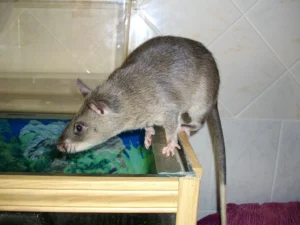
Researchers have trained rats to detect tuberculosis in human sputum samples. The rats can screen samples much faster than traditional laboratory tests, making them useful in areas with limited medical resources.
Studies are also exploring whether rats can be trained to detect other diseases like cancer. Some diseases change a person’s body chemistry in ways that produce distinctive smells that rats might be able to identify.
This isn’t science fiction, it’s already happening in some parts of the world. Rats are screening thousands of samples and helping catch diseases earlier, when they’re more treatable.
Why Rats Are Important for Psychology Research
Rats have taught us a huge amount about how brains work, how animals learn, and how behavior develops. Psychology research using rats has shaped our understanding of human behavior and mental processes.
Famous experiments with rats led to discoveries about learning and memory. B.F. Skinner’s work with rats in “Skinner boxes” helped develop our understanding of how rewards and punishments shape behavior, concepts that apply to humans too.
Rats are used to study addiction, anxiety, depression, and other mental health conditions. Because their brains use similar neurotransmitters as human brains, rat research helps scientists understand these conditions and develop treatments.
Research on rat navigation and memory has even contributed to our understanding of human memory disorders like Alzheimer’s disease. The hippocampus (a brain region involved in memory) works similarly in rats and humans, making rats good models for this research.
How Pet Rats Help People
Beyond their roles in research and ecosystems, rats also benefit people directly as pets. Millions of people around the world keep domesticated rats and find them to be wonderful companions.
Pet rats are intelligent, affectionate, and can form strong bonds with their owners. They can learn tricks, recognize their names, and show distinct personalities. For many people, especially those who can’t have larger pets, rats are perfect companions.
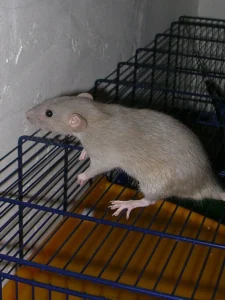
Caring for pet rats can teach children responsibility and empathy. The relatively short lifespan of rats (2-3 years) means kids can experience the full cycle of pet ownership, from bringing home a baby to eventually dealing with loss.
For adults, pet rats provide companionship and stress relief. Studies have shown that interacting with pets, including rats, can lower blood pressure and reduce anxiety. They’re low-maintenance compared to cats or dogs but still offer real emotional benefits.
What Would Happen If Rats Disappeared?
To really understand why we need rats, it helps to imagine what would happen if they all suddenly vanished. The effects would ripple through ecosystems and human society.
Predator populations would crash. Owls, hawks, snakes, and many other animals would lose a major food source. Some predators might survive by eating more of other prey, but this would put pressure on those prey populations too.
Medical research would face a huge setback. While scientists could use other animals, rats are currently the most cost-effective and well-studied research model. Losing them would slow down the development of new medicines and treatments.
Ecosystems would change in unpredictable ways. The roles rats play in decomposition and seed dispersal would need to be filled by other animals, or those ecological functions would suffer. It’s hard to predict exactly what would happen, but the changes would definitely be significant.
How Rats Help Control Insect Populations
Rats are omnivores, which means they eat both plants and animals. Part of their diet includes insects, and they actually help keep some bug populations under control.
Rats will eat cockroaches, beetles, grasshoppers, and other insects when they find them. In areas where rats are common, they can significantly reduce insect numbers.

This insect control isn’t always obvious because rats themselves are often seen as pests. But in natural environments, rats contribute to keeping insect populations balanced.
Of course, this benefit has to be weighed against the problems rats can cause. But it’s worth noting that rats do provide some pest control services, even if they’re also pests themselves in many situations.
Why Rats Are Important for Genetic Research
The rat genome (their complete set of genes) has been fully mapped, and this has opened up new possibilities for genetic research that benefits human health.
Scientists can now create genetically modified rats that have specific diseases or conditions. These rats help researchers understand how genes contribute to diseases and test potential genetic therapies.
Rats are particularly useful for studying complex diseases that involve multiple genes, like heart disease, diabetes, and mental health disorders. Their larger size compared to mice makes some procedures and observations easier.
This genetic research using rats has led to insights about human genetics and has helped develop new approaches to treating genetic diseases. It’s an area where rats are uniquely valuable.
How Rats Adapt and What That Teaches Us
Rats are incredibly adaptable animals, and studying how they survive in different environments teaches us about adaptation, evolution, and resilience.
Rats have successfully colonized almost every type of environment on Earth, from arctic islands to tropical forests to urban centers. They can eat almost anything, survive in extreme conditions, and quickly adapt to new challenges.

Studying rat adaptation helps scientists understand how species evolve and survive. This knowledge applies to understanding how other species might adapt to climate change and environmental pressures.
Rats are also developing resistance to poisons and learning to avoid traps, which teaches us about evolutionary selection in real time. While this makes them harder to control as pests, it’s an interesting case study in how species evolve.
Do the Benefits Outweigh the Problems?
This is the big question when it comes to rats. Yes, they provide benefits, but they also cause real problems. So what’s the overall balance?
The problems rats cause include spreading diseases, damaging crops and stored food, gnawing on structures and wiring, and generally being pests in human spaces. These aren’t minor issues, they cost billions of dollars globally and pose real health risks.
But the benefits, especially in medical research, are also huge. Treatments developed using rat research have saved millions of human lives. The ecological roles rats play support biodiversity and ecosystem function.
The truth is that we need rats in some contexts (research labs, natural ecosystems) but not in others (our homes, food storage areas). The goal isn’t to eliminate all rats, it’s to manage them so we get the benefits while minimizing the problems.
How Rats Help Scientists Study Aging
Rats are valuable for studying the aging process because they age relatively quickly compared to humans but still show similar aging patterns.
A rat’s entire lifespan is just 2-3 years, which means scientists can study aging from youth through old age in a reasonable timeframe. This would take decades with humans or even many years with larger animals.

Research on aging in rats has led to insights about age-related diseases, cognitive decline, and interventions that might slow aging. Some anti-aging compounds are first tested in rats to see if they extend lifespan or improve health in old age.
As humans live longer and age-related diseases become more common, understanding the aging process becomes more important. Rats are key players in this research.
Why Laboratory Rats Differ From Wild Rats
It’s worth noting that the rats used in research are different from the wild rats you might see in alleys or fields. Laboratory rats have been bred for over a century to be calm, healthy, and uniform.
Lab rats are less aggressive, less fearful, and more tolerant of handling than wild rats. They’ve been selected for traits that make them good research subjects, which also makes them quite different behaviorally from their wild cousins.
This distinction is important because the benefits rats provide to research come specifically from these domesticated lab strains. Wild rats, while important for ecological reasons, wouldn’t work as well for research purposes.
So when we talk about “needing rats,” we’re often talking about two different populations: the carefully bred lab rats that advance science, and the wild rats that play ecological roles.
Conclusion
We need rats for more reasons than you might initially think. They’re critical for medical research that saves human lives, they play important roles in ecosystems as prey and decomposers, and they even help with practical problems like detecting landmines and diseases.
This doesn’t mean we should welcome rats into our homes or ignore the problems they cause. But it does mean we should recognize that rats aren’t just pests. They’re complex creatures that contribute to science, ecology, and even human wellbeing in ways that often go unnoticed.
The challenge is managing rat populations so we benefit from their positive contributions while minimizing their negative impacts. Understanding why we need rats is the first step toward that balanced approach.

Hi, my name is Ezra Mushala, i have been interested animals all my life. I am the main author and editor here at snakeinformer.com.