
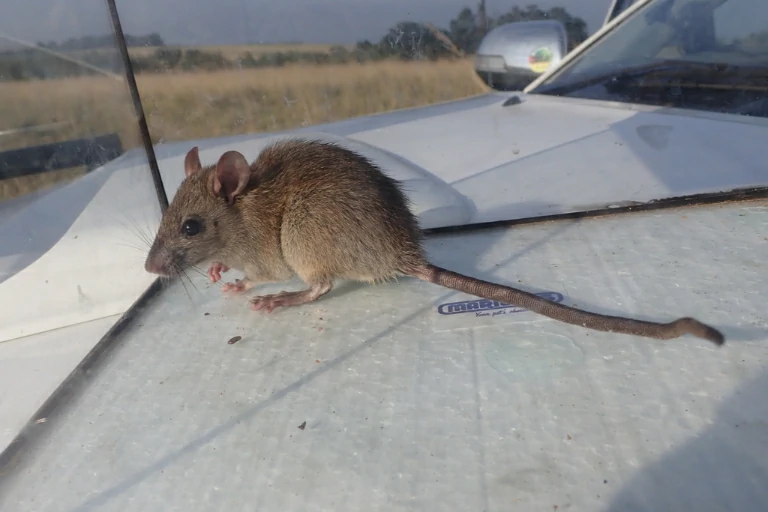
Rat tails are one of their most distinctive features. Long, pink, scaly, and surprisingly strong, these tails do way more than you might think.
If you watch your rats closely, you’ll notice they wrap their tails around things, around themselves, and sometimes around you. This behavior is both functional and communicative. But why do rats wrap their tails?
Rats wrap their tails for several important reasons: to keep warm by conserving body heat, to grip and stabilize themselves while climbing or balancing, to show affection and bonding with other rats or their owners, and sometimes as a stress response or comfort behavior. The tail is actually a versatile tool that rats use constantly in their daily lives.
That hairless tail might look strange, but it’s one of the most useful body parts a rat has.
Tail Wrapping for Warmth
One of the main reasons rats wrap their tails around themselves is temperature regulation, specifically keeping warm when they’re cold.
When a rat curls up to sleep or rest, they often wrap their tail around their body like a little blanket. This reduces the surface area exposed to the air and helps conserve heat.
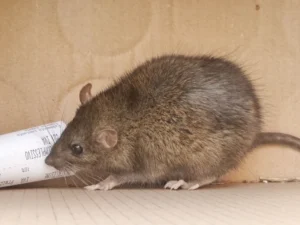
The tail might not look like it would provide much insulation since it’s hairless, but keeping it close to the body prevents heat from escaping through it.
You’ll notice this behavior more in cooler environments. If your rat is constantly wrapping their tail tightly around themselves, it might mean they’re too cold and need warmer bedding or a higher room temperature.
Using the Tail for Balance and Grip
Rats are excellent climbers, and their tail plays a huge role in this ability. They wrap their tail around branches, ropes, and other objects to stabilize themselves.
When a rat is climbing, you might see them wrap their tail around whatever they’re climbing on. This gives them an extra point of contact and helps prevent falls.
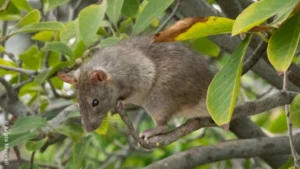
The tail can support a surprising amount of weight. While a rat can’t hang from their tail like a monkey, they can use it as a counterbalance and stabilizer.
On flat surfaces, rats will sometimes wrap their tail around their own body or extend it straight back for balance, especially when they’re standing on their hind legs.
Tail Wrapping as Social Bonding
One of the most heartwarming reasons rats wrap their tails is to show affection and bond with other rats or with their human owners.
When rats sleep together in a pile (which they love to do), they often wrap their tails around each other. It’s a way of staying connected and showing they’re part of the same family group.
Some rats will wrap their tail around their owner’s finger or arm when being held. This is a sign of trust and affection, similar to how they would interact with another rat.
Young rats often wrap their tails around their mother or siblings. It’s a comfort behavior that provides security and warmth.
The Anatomy of the Rat Tail
To understand how rats can wrap their tails so effectively, you need to know a bit about tail anatomy.
Rat tails are made up of many small vertebrae (tiny bones) connected by flexible joints. This gives the tail incredible flexibility and range of motion.
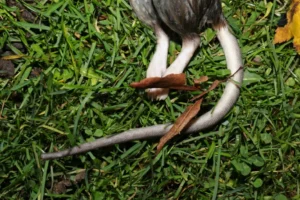
Strong muscles run along the length of the tail, allowing rats to move it in almost any direction and wrap it around objects with precision.
The tail is covered in scales that overlap like roof tiles. These scales provide grip when the tail is wrapped around something.
Blood vessels and nerves run through the tail, which is why tail injuries can be serious and why rats can feel when something is touching their tail.
Tail Wrapping During Sleep
Sleep is when you’ll see the most tail wrapping behavior. Rats almost always do something with their tail when they settle down to rest.
A rat sleeping alone will usually curl up in a ball and wrap their tail around their body. The tail might cover their nose and face, providing extra warmth to these sensitive areas.
In a group, rats create “rat piles” where multiple rats sleep on top of and around each other. Their tails get wrapped around other rats, creating a tangled mess that’s actually very organized from the rats’ perspective.
The tighter the tail wrap during sleep, the deeper the sleep usually is. A rat in light sleep might have a loosely positioned tail, while a rat in deep sleep will be tightly curled with their tail wrapped firmly.
Stress and Comfort Tail Wrapping
Sometimes rats wrap their tails around themselves as a self-soothing behavior when they’re stressed or anxious.
A rat in a new environment might curl up tightly with their tail wrapped around them, making themselves as small and protected as possible.

This is similar to how some people hug themselves or curl into a ball when they’re scared. The physical sensation of the tail wrapped close provides comfort.
If your rat is constantly in this defensive posture with their tail wrapped tight, it’s a sign they don’t feel safe. You might need to reduce stressors in their environment.
Tail Wrapping Around Objects for Exploration
Rats use their tails almost like an extra hand when they’re exploring. They’ll wrap their tail around objects to test stability before putting their full weight on something.
When investigating a new toy or structure, a rat might wrap their tail around part of it while using their paws to examine other parts.
This gives them better sensory information about the object. The tail can feel texture, temperature, and movement.
Rats exploring narrow spaces (like tubes or tunnels) often trail their tail behind them, then wrap it around the entrance as they back out. It helps them keep track of where they’ve been.
The Prehensile Quality of Rat Tails
While rat tails aren’t fully prehensile (like a monkey’s tail), they do have some grasping ability.
A rat can wrap their tail around a narrow object and maintain that grip while doing other things with their paws and body.
They can’t lift objects with their tail or use it to hang from branches, but they can definitely use it as a fifth limb for stability.
This partial prehensile ability is one reason why rats are such successful climbers and why they can navigate complex three-dimensional environments.
Temperature Regulation Beyond Warmth
We talked about how rats wrap their tails for warmth, but they also position their tail in certain ways to cool down.
When a rat is too warm, they’ll stretch out their body and extend their tail away from their body rather than wrapping it close.
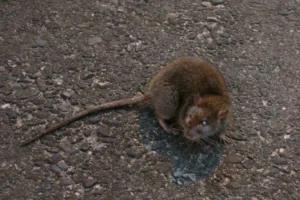
The tail has lots of blood vessels near the surface. By positioning it in the air flow, heat can escape from the blood and cool the rat down.
You might see your rat alternating between wrapping and unwrapping their tail as they try to maintain a comfortable body temperature.
Tail Wrapping in Different Age Groups
Baby rats (pups) start wrapping their tails around things from a very young age, even before their eyes open.
Newborn pups in a nest will pile together with their tails all tangled up. This keeps them warm and lets them know where their siblings are.
As rats get older, they become more purposeful about when and how they wrap their tails. It goes from an instinctive behavior to a more controlled one.
Elderly rats might wrap their tails more often because they get cold more easily and spend more time sleeping.
Individual Preferences in Tail Wrapping
Just like with other behaviors, some rats wrap their tails more than others. It’s partly personality and partly learned preference.
Some rats are constant tail-wrappers. They wrap their tail around everything, all the time, in every situation.
Other rats rarely wrap their tail except during sleep. They prefer to keep their tail extended for balance and temperature control.
Neither way is better or worse. It’s just individual variation in how rats choose to use their tails.
Tail Wrapping as Communication
While tail wrapping isn’t as communicative as tail wagging, it does send some signals to other rats and observant owners.
A rat who wraps their tail around another rat is saying “you’re part of my family” and showing trust.

A rat who wraps their tail tightly around themselves and turns away might be saying “I want to be left alone right now.”
The tail position during social interactions can indicate dominance or submission too, though this is more about tail height and angle than wrapping specifically.
Tail Injuries and Changes in Wrapping Behavior
If a rat injures their tail, you’ll usually see changes in how they wrap it or whether they can wrap it at all.
A rat with a tail injury might hold that section stiffly and not be able to curl it normally. This can affect their balance and climbing ability.
Infections, especially ring tail (where the tail gets constricted and parts can die), will definitely change tail behavior.
If you notice your rat suddenly not wrapping their tail when they normally would, or wrapping it in an unusual way, check for injuries or other problems.
Tail Wrapping During Grooming
Grooming is when you’ll see some of the most impressive tail manipulation. Rats can wrap their tail around to groom it, or hold it in specific positions while grooming other body parts.
When grooming their tail, rats will often wrap it forward so they can reach it with their mouth and paws. They’ll clean it section by section.
During face grooming, some rats wrap their tail around their body to keep it out of the way.
When rats groom each other, one rat might wrap their tail around the other as a form of gentle restraint or affection during the grooming session.
The Role of Tail Wrapping in Mating
Male rats sometimes use tail wrapping during mating behavior. They might wrap their tail around or near the female as part of the courtship process.
This isn’t always present and varies between individual rats, but it’s one more way the tail serves a function in rat social behavior.
Female rats might wrap their tail in certain positions when they’re receptive to mating or when they’re not interested.
Tail Wrapping in Playtime
During play, especially in young rats, you’ll see all sorts of creative tail usage including wrapping.
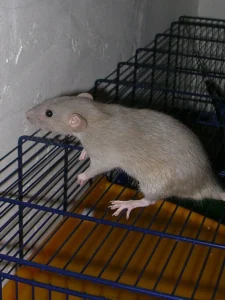
Rats might wrap their tail around a toy to manipulate it, or wrap it around a sibling during play wrestling.
Some rats even play games with their own tail, chasing it in circles or pouncing on it. The tail wrapping that happens during these solo play sessions looks different from functional wrapping.
How Tail Wrapping Helps in Tight Spaces
Rats are expert at squeezing through narrow gaps and navigating tight spaces. The tail helps with this more than you’d think.
When backing out of a tight space, a rat will often wrap their tail around an edge or corner for leverage to pull themselves out.
In very narrow tubes, rats will trail their tail behind them wrapped close to their body to make their profile as slim as possible.
The tail can also act as a probe. A rat might stick their tail into a tight space first to test whether their whole body will fit.
Tail Wrapping and Human Bonding
When your rat wraps their tail around your finger, wrist, or arm, it’s one of the sweetest signs of bonding you can get.
Not all rats do this, and some only do it with specific people they trust completely.
The sensation is interesting. You can feel the strong muscles in the tail and the grip of the scales. It’s gentle but secure.
If your rat does this, don’t pull away suddenly. Let them unwrap on their own terms. Jerking away could hurt their tail or break the trust they’re showing.
Differences Between Wild and Pet Rats
Wild rats use tail wrapping in all the same ways pet rats do, but their environment affects when and how they do it.
Wild rats climbing trees or navigating urban structures rely heavily on tail wrapping for balance and grip.
They also wrap their tails for warmth, especially rats living in colder climates. In their nests, wild rats will pile together with intertwined tails just like pet rats do.
The main difference is that pet rats have more opportunities to wrap their tails around their owners, which wild rats obviously don’t.
Conclusion
Rats wrap their tails for multiple important reasons including warmth conservation, balance and grip while climbing, social bonding with other rats or humans, and self-comfort during stress.
The tail is a surprisingly versatile tool that rats use constantly throughout their day.
Watching how your rat uses their tail can tell you a lot about how they’re feeling and what they’re doing.
Tail wrapped tight during sleep means they’re comfortable and warm, tail wrapped around your finger means trust and affection, and tail wrapped defensively around themselves might mean stress.
The more you understand about tail wrapping and other rat behaviors, the better you can care for your rats and strengthen your bond with them. That weird-looking hairless tail is actually one of the coolest things about rats.

Hi, my name is Ezra Mushala, i have been interested animals all my life. I am the main author and editor here at snakeinformer.com.