
If you’ve ever held a rat, you might have felt a strange vibrating or buzzing sensation coming from its body. It can be pretty surprising the first time you feel it, and it might make you worry that something is wrong with the rat.
This vibrating behavior is actually really common in rats, and it happens for several different reasons. So why do rats vibrate when you hold them?
Rats vibrate when you hold them because they’re either purring from contentment (similar to cats), experiencing fear or stress that makes their muscles tense, or showing excitement. The vibration is called bruxing, and it happens when rats grind their teeth rapidly together, which creates a vibrating sensation you can feel through their whole body.
The vibration you’re feeling isn’t random. It’s a specific behavior that tells you something about what the rat is feeling in that moment.
Learning to tell the difference between happy vibrating and stressed vibrating helps you understand your rat better and handle them in ways that keep them comfortable.
What Is Bruxing in Rats?
The vibrating sensation you feel when holding a rat is usually caused by something called bruxing. This is when rats grind their teeth together rapidly, creating a chattering or vibrating feeling.
When rats brux, their jaw muscles move quickly and this movement travels through their skull and entire body. If you’re holding the rat close to your chest, you can feel it as a distinct buzzing or purring sensation.
Bruxing is totally normal rat behavior. All rats do it, and it’s one of the main ways they communicate their emotional state. The key is figuring out whether they’re bruxing because they’re happy or because they’re stressed.
You can sometimes actually hear bruxing if you listen closely. It makes a soft grinding or clicking sound, almost like someone gently tapping their teeth together repeatedly.
Happy Bruxing Feels Like Purring
When rats are content and relaxed, they brux as a sign of happiness. This is very similar to how cats purr when they’re happy.
Happy bruxing usually happens when you’re petting a rat gently, when they’re being held in a way they like, or when they’re eating something really tasty. The rat’s whole body will feel relaxed, and the vibrating will be soft and rhythmic.
If your rat is happily bruxing while you hold them, you might also notice their eyes doing something weird. Happy bruxing often causes a rat’s eyes to slightly bulge in and out in rhythm with the grinding. This is called “boggling” and it looks strange but it’s a great sign.
When a rat bruxes from happiness, they’ll usually stay still or move slowly and deliberately. They won’t be trying to escape your hands or showing other signs of wanting to get away.
Stressed Bruxing Feels More Intense
Rats also brux when they’re scared, stressed, or uncomfortable. This type of bruxing feels different from happy bruxing if you pay attention.
Stressed bruxing tends to be faster and more intense. The vibrating might feel harder or more rapid, and the rat’s body will usually be tense rather than relaxed.
A stressed rat will show other signs besides the bruxing. They might be very still and frozen (scared), trying to squirm away (uncomfortable), or have their ears pinned back flat against their head (anxious).
If you’re holding a rat and feel intense vibrating along with the rat trying to escape or showing other stress signs, you should put them down gently and give them a break. Forcing them to stay when they’re stressed will only make them more afraid.
How to Tell the Difference
Learning to tell happy bruxing from stressed bruxing takes some practice, but there are clear differences.
Happy bruxing comes with a relaxed body. The rat will feel loose and soft in your hands, like they’re melting into you. Their breathing will be normal and they might even close their eyes partway.
Stressed bruxing comes with a tense body. The rat will feel stiff or rigid, their muscles will be tight, and they’ll be alert and looking around for escape routes.
Watch the rat’s behavior before and after the vibrating starts. If they approached you willingly and seem comfortable, the bruxing is probably happy. If you just picked them up suddenly or they were already acting nervous, the bruxing is more likely from stress.
The setting also matters. A rat bruxing while being gently petted in a quiet room is probably happy. A rat bruxing right after being grabbed or in a loud, chaotic environment is probably stressed.
Rats Vibrate From Excitement Too
Sometimes rats vibrate not from bruxing but from pure excitement or high energy. This type of vibrating feels a bit different.
Excitement vibrating happens when rats are really stimulated or anticipating something good. You might feel it right before feeding time, when introducing a new toy, or when the rat sees you after being alone for a while.
This vibrating is more like rapid muscle movements from barely contained energy. The rat might be moving around a lot, sniffing excitedly, and generally acting hyper rather than calm.
Young rats especially show this kind of excited vibrating. They have so much energy that their whole body almost quivers when they’re stimulated or playing.
Temperature Can Cause Shivering
If a rat is vibrating or shaking more noticeably, it might actually be cold. Rats can shiver just like humans do when they’re trying to warm up.

Shivering from cold looks different from bruxing. It’s more of a full-body shake that comes in waves rather than a constant vibration. The rat will also likely be trying to curl up into a ball or burrow into something warm.
If your rat is shivering, they need to be warmed up. Hold them against your body heat, give them a warm (not hot) place to nestle, or increase the temperature in their environment.
Rats are pretty good at regulating their temperature, so if one is shivering, it means they’re genuinely too cold and need help.
Medical Issues Can Cause Tremors
While vibrating is usually normal, sometimes it can signal a health problem. If the vibrating seems abnormal or comes with other symptoms, it might be tremors from illness.
Neurological problems can cause involuntary muscle movements that look like vibrating or shaking. These are different from normal bruxing because the rat can’t control them.
Respiratory infections sometimes cause rats to tremble, especially if they’re having trouble breathing. You’d also notice other symptoms like sneezing, wheezing, or labored breathing.
If your rat is vibrating or shaking and also seems lethargic, won’t eat, has discharge from their nose or eyes, or shows other signs of illness, you need to take them to a vet who sees rats.
New Rats Vibrate More From Nervousness
If you just got a new rat or if a rat isn’t used to being handled, you’ll probably feel more stressed vibrating than happy vibrating at first.
New rats are dealing with a totally new environment and unfamiliar humans. Everything is scary and overwhelming, so they’re on high alert and their bodies show it.
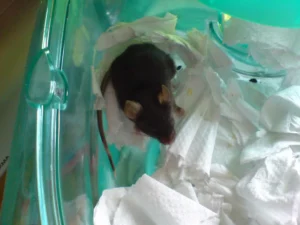
As the rat gets used to you and learns that you’re safe, the stressed vibrating will gradually be replaced by happy, relaxed bruxing. This transition can take days to weeks depending on the individual rat’s personality and past experiences.
Being patient and gentle during this adjustment period is really important. Force the rat to interact when they’re clearly stressed will slow down the bonding process.
How to Encourage Happy Vibrating
If you want your rat to brux happily when you hold them, there are specific things you can do to make them feel comfortable and content.
Always let the rat come to you when possible, rather than grabbing them suddenly. Rats feel much safer when they choose to interact.
Support their whole body when you hold them. Rats don’t like feeling like they’re going to fall, so cradle them securely but gently. Let them sit in your cupped hands or rest against your chest.
Pet them in ways they enjoy. Most rats like gentle strokes on their head and behind their ears. Some like their back scratched lightly. Pay attention to where your rat seems to enjoy being touched.
Keep the environment calm and quiet. Loud noises, sudden movements, and chaos stress rats out. They brux most happily in peaceful settings.
Bonding Through Bruxing
When your rat bruxes happily while you hold them, it’s a sign that you’ve built real trust. Rats only relax enough to brux contentedly when they feel completely safe.

This trust doesn’t come automatically. You earn it through consistent gentle handling, meeting the rat’s needs, and respecting their boundaries.
Each time your rat bruxes happily with you, it strengthens your bond. They’re learning that being held by you is a pleasant, safe experience.
Over time, rats who trust their owners will actively seek out handling and will brux almost as soon as you pick them up because they know what’s coming.
Vibrating During Grooming
Rats often brux while grooming themselves or being groomed by other rats. If you’re holding a rat and they start cleaning themselves, you might feel the vibrating increase.
Self-grooming is a sign of comfort. Rats only groom when they feel safe enough to take their attention off potential threats. So if your rat starts washing their face while sitting in your hands, that’s a really good sign.
Some rats will even try to groom their human’s hands or face. This is a huge compliment in rat language. They’re treating you like a member of their social group.
Do All Rats Vibrate the Same Amount?
Individual rats vary in how much they brux. Some rats brux constantly when they’re happy, while others rarely brux even when they’re clearly content.
Age plays a role too. Older rats often brux more than younger ones. This might be because older rats are calmer and spend more time in relaxed states where bruxing happens.
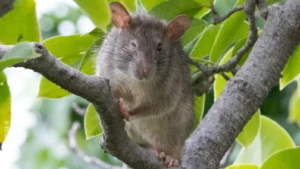
The rat’s past experiences also matter. Rats who were handled gently from a young age tend to brux more easily than rats who had negative experiences with humans.
Some rat breeds or lines might be more prone to bruxing than others, though this isn’t well-documented. Experienced rat owners often notice that rats from certain breeders seem to brux more readily.
Vibrating While Eating Treats
One of the most common times to feel a rat vibrating is when they’re eating something they really love. Happy eating often triggers intense bruxing.
The rat will be so focused on the delicious food that they brux almost unconsciously. You can feel the vibration if you’re holding them while they eat, or even just by putting your hand near them.
This is one of the clearest examples of happy bruxing because it’s obviously associated with something positive. No rat bruxes from stress while eating their favorite treat.
Using treats during bonding sessions can actually encourage more bruxing over time. The rat starts to associate you with good feelings, which leads to more relaxed, happy bruxing during regular handling.
Mutual Grooming and Vibrating
If you have multiple rats, you might notice them bruxing while grooming each other. This social grooming is important for rat bonding, and the vibrating shows they’re enjoying the interaction.
When rats groom each other, they’re reinforcing their social bonds and showing affection. The rat being groomed often bruxes to show they’re enjoying it and to encourage the grooming rat to continue.
If your rat starts trying to groom you (licking or nibbling gently at your skin), they’re treating you like a rat friend. Bruxing during these moments shows they feel close to you.
Conclusion
Rats vibrate when you hold them because they’re bruxing, which is when they rapidly grind their teeth together. This can happen when they’re happy and content (like purring), or when they’re stressed and uncomfortable.
Learning to tell the difference between happy and stressed bruxing helps you understand what your rat is feeling. Happy bruxing comes with a relaxed body and often happens during petting or eating treats. Stressed bruxing comes with a tense body and signs that the rat wants to escape.
The vibrating sensation is totally normal and is actually one of the ways rats communicate their emotions. When your rat bruxes happily in your hands, it’s a sign they trust you and feel safe.
Understanding this behavior helps you build a stronger bond with your rat and ensures you’re handling them in ways that make them comfortable rather than stressed.

Hi, my name is Ezra Mushala, i have been interested animals all my life. I am the main author and editor here at snakeinformer.com.