
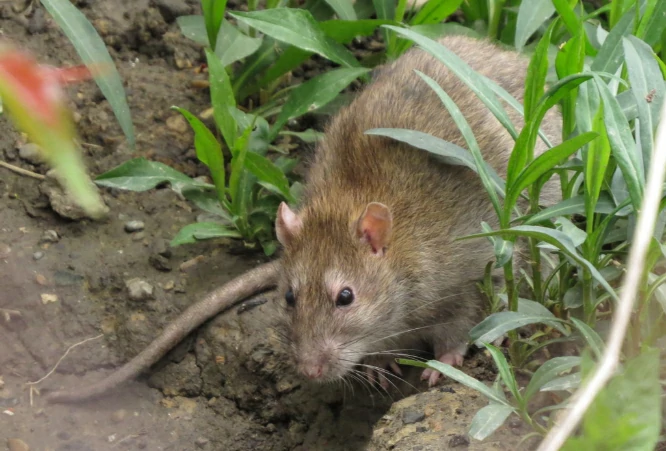
Rats make all kinds of sounds, but one of the strangest is the teeth chattering noise they produce.
It sounds like someone rapidly clicking their teeth together, and it can be pretty loud. If you’ve heard this sound from your pet rat or seen a wild rat doing it, you might be wondering what it means. So why do rats chatter their teeth?
Rats chatter their teeth when they’re feeling aggressive, annoyed, or threatened. It’s a warning sign that tells other rats (or people) to back off. Teeth chattering can also happen when rats are in pain or feeling really stressed. It’s basically their way of saying “I’m not happy right now.”
This behavior is completely different from bruxing, which is a softer grinding sound rats make when they’re relaxed and happy.
Teeth chattering is loud, fast, and always means something negative is going on with the rat.
Teeth Chattering Is a Warning Sign
The main reason rats chatter their teeth is to warn others to stay away.
It’s their version of a dog growling or a cat hissing. When a rat chatters at you or another rat, they’re saying “back off or I might bite.”
This is really important to understand if you have pet rats. If your rat starts chattering their teeth at you, don’t ignore it.
They’re telling you they’re upset about something. Maybe you’re holding them wrong, maybe they’re scared, or maybe they’re sick and don’t want to be touched.
Wild rats use teeth chattering the same way. If you corner a wild rat and it starts chattering, that’s your warning to leave it alone.
A rat that’s chattering is on the edge of becoming aggressive. They might bite if you don’t respect the warning.
The sound is usually pretty obvious. It’s a rapid clicking or rattling noise that you can hear from several feet away.
Some people describe it as sounding like someone shaking a bottle of pills or rapidly clicking a pen. Once you’ve heard it, you won’t forget it.
Aggression and Dominance
Rats chatter their teeth during confrontations with other rats.
When two rats are fighting or establishing who’s dominant, you’ll often hear teeth chattering from one or both of them. It’s part of the aggressive display.
The rat that’s chattering is trying to intimidate the other rat. They’re showing off their teeth and making noise to seem more threatening.

Sometimes this works and the other rat backs down. Other times, it leads to an actual fight.
In groups of rats, the dominant rat might chatter at lower-ranking rats to put them in their place. It’s a way of maintaining the social order without always having to fight.
Male rats especially do this when they’re establishing territory or competing for mates. Intact males (rats that haven’t been neutered) are more likely to chatter than neutered males.
If you have multiple pet rats and you hear chattering, watch them closely. It could be normal social behavior, or it could be a sign that a serious fight is about to happen.
Separate them if the chattering continues and you see other signs of aggression like puffed-up fur, arched backs, or one rat chasing the other.
Pain Makes Rats Chatter Too
Rats will sometimes chatter their teeth when they’re in pain.
This is different from the aggressive chattering because it’s usually combined with other signs of distress. The rat might be hunched up, breathing fast, or moving stiffly.
If your pet rat starts chattering and they haven’t been aggressive before, pain could be the reason. Check them over carefully for injuries.
Look at their feet, legs, tail, and body. Sometimes they step on something sharp or get hurt jumping down from a high place.
Internal pain can also cause teeth chattering. Rats with stomach problems, urinary issues, or other internal discomfort might chatter.
If there’s no obvious injury and the chattering continues, you need to get them to a vet. Pain that lasts more than a few minutes is serious.
Some rats will chatter when you touch a sore spot. If you’re petting your rat and they suddenly start chattering, freeze and think about where you just touched them.
That spot might be injured or painful. Be really gentle when you check that area again.
Stress and Fear Can Trigger Chattering
When rats are really stressed or scared, they might chatter their teeth.
This is less common than aggressive chattering, but it happens. The rat is basically having a panic response.
New environments can stress rats out enough to cause chattering. If you just brought a rat home or moved them to a new cage, they might chatter at you when you try to interact with them.
They’re not being mean; they’re just scared. Give them time to calm down and get used to their new surroundings.
Loud noises, sudden movements, or other scary things can also trigger stress chattering. If a dog barks right next to a rat’s cage, the rat might chatter in response.
In this case, the chattering is defensive. The rat is scared and warning the threat to stay away.
Sick rats sometimes chatter more because they’re stressed from feeling bad. Illness puts a lot of stress on a rat’s body.
If your normally friendly rat starts chattering when you try to handle them, it could be because they’re sick and just want to be left alone.
The Difference Between Chattering and Bruxing
A lot of people get confused between teeth chattering and bruxing because they both involve the teeth.
But they’re completely different sounds and mean opposite things. Bruxing is a soft, rhythmic grinding sound that rats make when they’re happy and relaxed.
You might hear it when you’re petting your rat or when they’re falling asleep. It’s similar to a cat purring.

Chattering, on the other hand, is loud, fast, and aggressive. There’s no mistaking the two once you’ve heard both.
Bruxing sounds gentle and slow. Chattering sounds harsh and rapid.
With bruxing, you’ll often see the rat’s eyes bulging slightly in and out. This is called “eye boggling” and it’s a sign of contentment.
With chattering, the rat’s body language is tense. Their fur might be puffed up, their ears back, and they might be showing their teeth.
If you’re not sure which one you’re hearing, look at the rat’s overall behavior. Are they relaxed and happy, or tense and aggressive?
That will tell you whether it’s bruxing or chattering. The context makes it pretty clear.
What Causes the Physical Sound
The chattering sound comes from the rat rapidly grinding their incisors (front teeth) together.
Rats move their lower jaw back and forth really fast, which makes the top and bottom teeth click against each other. It’s a voluntary behavior; they’re doing it on purpose.
The speed is what makes it sound different from normal chewing or bruxing. When chattering, a rat can move their jaw several times per second.
It creates that distinctive rattling or clicking sound. Some rats chatter louder than others depending on the size of their teeth and how aggressively they’re doing it.
The behavior uses the same jaw muscles that rats use for eating and gnawing. But instead of a slow chewing motion, it’s a rapid back-and-forth movement.
You can sometimes see the rat’s whole head vibrating slightly when they’re chattering really intensely. The muscles are working that hard.
When Pet Rats Chatter at Their Owners
If your pet rat chatters at you, it’s not a good sign for your relationship with them.
It means they see you as a threat or they’re annoyed with something you’re doing. This can happen with new rats that aren’t used to people yet.
When you first get a rat, they might chatter when you try to handle them. They don’t know you yet and they’re scared.
With time, patience, and gentle handling, most rats will stop chattering at their owners. They learn that you’re not a threat.
If a rat that normally likes you suddenly starts chattering, think about what changed. Are you holding them differently?
Did you start using a new lotion or perfume that smells weird to them? Sometimes it’s something small that’s bothering them.
Some rats are just more temperamental than others. Rats have personalities, and some are grumpier than others.
A grumpy rat might chatter more often, even at their owner. You can work with this, but some rats will never be super cuddly.
Never punish a rat for chattering. They’re trying to communicate with you.
Punishing them will just make them more scared and aggressive. Instead, give them space and try to figure out what’s bothering them.
Hormonal Changes and Chattering
Hormones can affect how much a rat chatters.
Female rats sometimes chatter more when they’re in heat. Their hormones are fluctuating and they might be more irritable than usual.
This usually passes after a day or two. Just give them extra space during this time.
Male rats, especially intact males, can be more aggressive overall and might chatter more often. This is because of testosterone.
Neutering can reduce aggressive chattering in males. Many rat owners find that their male rats become much calmer after being neutered.
Pregnant and nursing female rats might chatter more too. They’re protective of their babies and will warn anyone who gets too close to the nest.
This is normal mother rat behavior. Don’t mess with a mama rat’s babies unless you absolutely have to.
Older rats sometimes develop hormonal tumors that can change their behavior. If your older rat suddenly becomes more aggressive and starts chattering when they never did before, a vet visit is a good idea.
Chattering in Different Rat Breeds
All types of domestic rats can chatter their teeth.
Whether you have a fancy rat, a dumbo rat, a hairless rat, or any other variety, the behavior is the same. It’s hardwired into all rats.
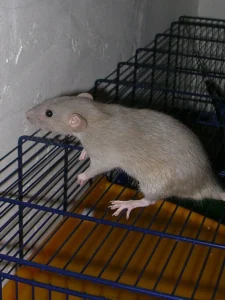
Some individual rats are more prone to chattering than others, but this is about personality, not breed. You might have two rats from the same litter and one chatters all the time while the other never does.
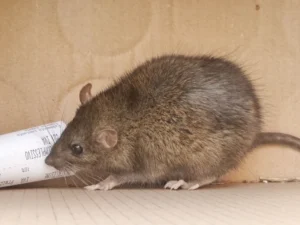
Wild rat species also chatter. Black rats, brown rats, and other wild species all use teeth chattering as a warning.
It’s a universal rat behavior that evolved as a way to avoid fights. Giving a warning is safer than jumping straight into fighting.
If the warning works, both rats can walk away without getting hurt. That’s better for everyone.
How to Respond When a Rat Chatters
When a rat chatters at you, the first thing to do is stop what you’re doing.
If you’re reaching for them, pull your hand back. If you’re petting them, stop.
Give them space and let them calm down. Don’t try to keep handling a chattering rat; you’re likely to get bitten.
Talk to them in a soft, calm voice. Sometimes this helps them relax.
Don’t make sudden movements or loud noises. You want to de-escalate the situation, not make it worse.
After they’ve calmed down (which usually takes a few minutes), try to figure out what upset them. Was it how you were holding them?
Was there a loud noise? Did another pet come too close to their cage?
Once you know what triggered the chattering, you can avoid it in the future. If it was something unavoidable (like a necessary health check), you’ll know to be extra careful next time.
For rats that chatter during handling, you might need to work on trust-building. Spend time near their cage talking to them.
Offer treats through the bars. Let them come to you instead of grabbing them.
This slow approach can help nervous rats learn that you’re safe. It might take weeks or even months, but it’s worth it.
Chattering During Vet Visits
Lots of rats chatter at the vet even if they never chatter at home.
The vet’s office is full of strange smells, sounds, and people. Plus, the vet has to handle them in ways that might be uncomfortable.
This is totally normal. Don’t be embarrassed if your normally sweet rat turns into a chattering ball of fury at the vet.
The vet has seen it before and knows how to handle defensive rats safely. They’ll use proper restraint techniques that keep everyone safe.
You can help by bringing familiar bedding or a worn shirt that smells like you. Having something familiar can comfort the rat a bit.
Talk to them in your normal voice during the exam. They might not calm down completely, but your voice can help a little.
After the vet visit, give them space when you get home. They’ve had a stressful experience and need time to decompress.
Don’t be surprised if they’re a bit grumpy for the rest of the day. By the next day, they should be back to normal.
Can You Train a Rat Not to Chatter?
You can’t really train a rat not to chatter because it’s an instinctive warning behavior.
It’s like trying to train yourself not to flinch when something flies at your face. The reaction is automatic.
What you can do is reduce the situations that cause chattering. If you handle your rat gently and respect their boundaries, they’ll chatter less.
Building trust is the key. A rat that trusts you won’t feel the need to warn you away.
Socializing rats when they’re young helps a lot. Baby rats (called pups) that are handled gently from a young age usually grow up to be calmer adults.
They learn early that humans are safe. Rats that don’t get handled until they’re older are more likely to be defensive.
If you adopted an adult rat that chatters a lot, you can still work with them. It just takes more time and patience.
Use positive reinforcement with treats and never force interaction. Let the rat set the pace.
Conclusion
Rats chatter their teeth as a warning sign when they’re feeling aggressive, threatened, scared, or in pain.
It’s their way of saying “back off” before they resort to biting. This behavior is different from bruxing, which is a happy, contented sound.
If your rat chatters at you, respect the warning and give them space. Try to figure out what’s bothering them so you can avoid triggering it in the future.
Understanding teeth chattering helps you communicate better with your rats and keep everyone safe and happy.

Hi, my name is Ezra Mushala, i have been interested animals all my life. I am the main author and editor here at snakeinformer.com.