
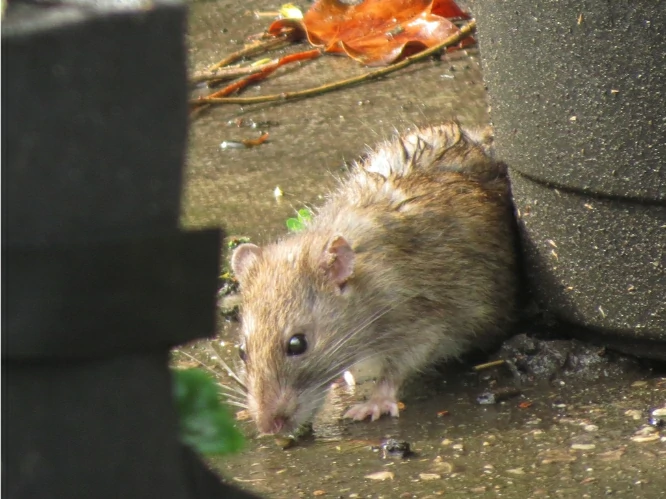
Rats are much more vocal than most people realize. If you listen closely, you’ll hear them making all sorts of sounds, from soft chirps to loud squeaks. These vocalizations aren’t random noise. They’re actually how rats communicate with each other and with their environment. But why do rats squeak?
Rats squeak for many different reasons, including communicating with other rats, expressing emotions like fear or excitement, warning others about danger, showing pain or distress, and during social interactions like playing or mating. The pitch, length, and intensity of the squeak tells you what the rat is trying to communicate.
Some squeaks are so high-pitched that humans can’t even hear them. These ultrasonic sounds are a big part of how rats talk to each other.
Understanding what different squeaks mean can help you better understand rat behavior, whether you’re dealing with pet rats or trying to figure out if wild rats are in your home.
Rats Have a Complex Vocal System
Rats are surprisingly sophisticated communicators. They don’t just squeak randomly. They have a whole range of vocalizations that serve different purposes.

Scientists have identified over 20 different types of rat vocalizations. Some of these are in the range humans can hear (called sonic sounds), while others are ultrasonic and too high-pitched for human ears.
The sounds rats make range from about 20 Hz (very low) all the way up to 90 kHz (extremely high). For comparison, most humans can only hear sounds up to about 20 kHz, which means we’re missing a lot of rat communication.
Young rats tend to make more ultrasonic sounds, while adult rats use both sonic and ultrasonic vocalizations depending on the situation. The age of the rat often affects what sounds they make and when.
Rats make sounds using their larynx (voice box), just like humans do. But they have much better control over the pitch and can create sounds at frequencies we can’t produce or hear.
What Different Squeaks Mean
Not all rat squeaks mean the same thing. The context, pitch, and intensity of the squeak tell you what the rat is communicating.
High-pitched, short squeaks often mean the rat is scared, hurt, or in distress. If you hear these sounds from a pet rat, something is probably wrong and you should check on them immediately.
Longer, lower-pitched squeaks can indicate annoyance or mild discomfort. A rat might make this sound if another rat is bothering them or if they don’t like how they’re being handled.
Rapid squeaking or chattering sounds usually happen during social interactions. Rats might make these noises while playing, grooming each other, or establishing dominance.
Very soft, almost inaudible squeaks are often signs of contentment. A relaxed, happy rat might make gentle sounds that you can barely hear.
Ultrasonic vocalizations that humans can’t hear serve different purposes. Young rats use these to call their mothers. Adult rats make ultrasonic sounds during mating and social bonding.
Why Baby Rats Squeak So Much
If you’ve ever been around baby rats (called pups), you know they’re much more vocal than adults. There are good reasons for this.
Baby rats squeak to communicate with their mother. When they’re cold, hungry, or separated from the nest, they make high-pitched ultrasonic calls that their mother can hear from a distance.

These calls tell the mother exactly where her babies are and that they need help. The mother rat will follow the sounds to find her pups and bring them back to the nest if they’ve wandered off.
The squeaking also gets more intense if the pup is in more serious trouble. A slightly cool pup might squeak softly, while a very cold or endangered pup will squeak loudly and urgently.
As rats grow up, they squeak less frequently. Adult rats are more independent and don’t need constant communication with their parents. They still vocalize, but usually only in specific situations.
This decrease in squeaking is a natural part of rat development. If an adult rat is squeaking as much as a baby rat, it usually means something is wrong.
Squeaking During Social Interactions
Rats are social animals that live in groups, and squeaking is a big part of how they interact with each other.
During play, rats will make various squeaking and chirping sounds. These vocalizations are part of the fun and help coordinate play behavior. Young rats especially will squeak a lot while playing.
When rats groom each other, they might make soft sounds. This grooming behavior, called allogrooming, is how rats bond with each other. The sounds they make during grooming seem to be positive and calming.
Aggressive interactions also involve squeaking. If two rats are fighting or establishing dominance, you’ll hear squeaking along with other sounds like teeth chattering or hissing.
The rat that’s losing or submitting will usually squeak more loudly and urgently. This is their way of saying “okay, you win, please stop.” The dominant rat might respond by backing off.
Mating behavior involves lots of vocalizations too. Male rats make ultrasonic calls to attract females, and both males and females vocalize during the mating process itself.
Fear and Distress Squeaking
One of the most common reasons pet owners hear their rats squeaking is because the rat is scared or in distress.
Fear squeaks are usually high-pitched and sharp. They might be single squeaks or rapid bursts of squeaking. The rat is basically saying “help, I’m scared” or “danger!”
Things that might cause fear squeaking include being grabbed suddenly, seeing a predator (like a cat or dog), loud noises, or being in an unfamiliar environment.
If your pet rat squeaks when you try to pick them up, they might be scared of being handled. This is common with new rats that haven’t learned to trust humans yet.
Pain squeaks sound similar to fear squeaks but often have a different quality. They might be more urgent or prolonged. If a rat squeaks when you touch a particular area of their body, they might be injured there.
Illness can also cause increased squeaking. A rat that doesn’t feel well might vocalize more than usual, especially if they’re in pain or having trouble breathing.
Warning Squeaks and Alarm Calls
Rats use specific squeaks to warn other rats about danger. These alarm calls are an important survival behavior.
When a rat spots a threat, it might make a loud, sharp squeak to alert other rats in the area. This gives the group a chance to hide or defend themselves.
The type of threat affects the squeak. Some research suggests that rats have different alarm calls for different types of predators, though this is still being studied.
Other rats respond to these warning squeaks immediately. They’ll freeze, look for the threat, or run to safety depending on the situation.
In a colony of rats, you might hear a chain reaction of squeaking when danger appears. One rat squeaks a warning, others hear it and add their own squeaks, spreading the alarm quickly through the group.
Pet rats might also use warning squeaks. If your pet rat squeaks when your cat walks by, they’re probably alerting you (or any other rats nearby) to what they perceive as a threat.
Ultrasonic Vocalizations You Can’t Hear
A huge part of rat communication happens at frequencies humans can’t detect. These ultrasonic sounds are just as important as the squeaks we can hear.
Rats make 22 kHz ultrasonic calls in negative situations. These low ultrasonic sounds (low for rats, anyway) happen when rats are scared, stressed, or in danger. They’re basically distress calls.
Rats also make 50 kHz ultrasonic calls in positive situations. These higher ultrasonic sounds happen during play, mating, and other enjoyable activities. They’re thought to be something like rat laughter or expressions of joy.
Young rats produce ultrasonic calls that help their mothers locate them. These are typically in the 30-50 kHz range and get the mother’s attention immediately.
Males make ultrasonic love songs to attract females. These complex vocalizations happen during courtship and seem to make males more attractive to females.
Just because you can’t hear these sounds doesn’t mean they’re not happening. Your rats might be having whole conversations that you’re completely unaware of.
How to Tell If Squeaking Is Normal or a Problem
Since rats squeak for so many reasons, it can be hard to know when squeaking is normal and when it indicates a problem.
Occasional squeaking during play, feeding time, or social interactions is totally normal. If your rats seem healthy and active otherwise, these squeaks are just part of natural behavior.
Frequent, loud, or constant squeaking is more concerning. If a rat is squeaking constantly or much more than usual, something is probably wrong.
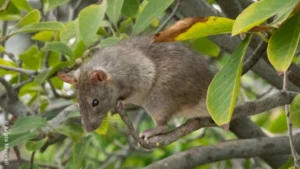
Pay attention to the context. Is the rat squeaking when being handled? They might be scared or hurt. Squeaking when breathing? Could be a respiratory infection. Squeaking when other rats are around? Might be social stress.
Changes in squeaking patterns are worth noting. If a normally quiet rat suddenly starts squeaking a lot, or a vocal rat goes silent, these changes can indicate health or emotional problems.
Body language helps too. A rat that’s squeaking while also showing signs of illness (hunched posture, rough coat, not eating) definitely needs veterinary attention.
Respiratory Problems and Squeaking
One specific cause of squeaking that deserves special attention is respiratory issues. Rats are prone to respiratory infections, and these often cause unusual sounds.
A rat with a respiratory infection might make squeaking or wheezing sounds when breathing. These sounds are different from normal communication squeaks because they’re tied to each breath.
You might also hear crackling, clicking, or rattling sounds along with the squeaking. These noises come from fluid or congestion in the lungs and airways.
Respiratory squeaks often get worse when the rat is active or excited. The increased breathing rate makes the sounds more obvious.
Other signs of respiratory infection include lethargy, red discharge from the eyes or nose (called porphyrin), reduced appetite, and rough-looking fur.
If you suspect respiratory squeaking, get your rat to a vet right away. Respiratory infections in rats can get serious quickly and need antibiotic treatment to clear up.
Squeaking in Wild Rats vs. Pet Rats
Both wild and pet rats squeak, but there are some differences in how and when they vocalize.
Wild rats tend to be quieter overall because loud vocalizations can attract predators. They rely more on ultrasonic communication that predators can’t hear.
Pet rats often squeak more openly because they feel safer. Without predators around, they don’t need to be as cautious about making noise.
Wild rats use alarm squeaks frequently to warn about dangers in their environment. Pet rats might use these less often since they face fewer real threats.
Pet rats might develop unique squeaking patterns based on their interactions with humans. For example, some pet rats learn to squeak for treats or attention.
Both wild and pet rats use similar squeaks for pain, fear, and social bonding though. The basic biology and communication needs are the same regardless of where the rat lives.
Can You Reduce Squeaking in Pet Rats?
If your pet rats are squeaking a lot and it’s becoming disruptive, you might wonder if there’s a way to reduce it.
First, figure out why they’re squeaking. If they’re scared, work on building trust through gentle handling and positive interactions. If they’re bored, provide more enrichment and playtime.
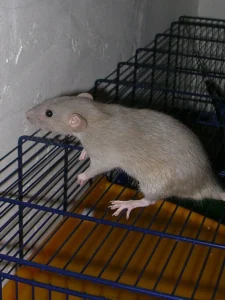
Making sure your rats are healthy will reduce distress squeaking. Regular vet checkups, a good diet, and a clean cage help keep rats healthy and comfortable.
Provide plenty of space and hiding spots. Rats that feel safe and secure tend to be calmer and squeak less out of fear or stress.
If you have multiple rats, watch their interactions. Sometimes excessive squeaking means there’s social tension in the group. You might need to separate rats that don’t get along.
That said, some squeaking is totally normal and healthy. You shouldn’t try to eliminate all vocalizations. Squeaking is how rats express themselves, and a certain amount of it is just part of having rats.
Squeaking and Rat Intelligence
The complexity of rat vocalizations is actually evidence of their intelligence. Rats don’t just make random noises. They use sounds strategically to communicate specific information.
Rats can learn to associate certain squeaks with outcomes. For example, if squeaking in a particular way gets a human’s attention and results in treats, rats will remember and use that squeak intentionally.
They also adjust their vocalizations based on who’s listening. Rats might vocalize differently with other rats than they do around humans.
The fact that rats have different calls for different situations (play vs. danger vs. mating) shows cognitive complexity. They’re not just reacting. They’re choosing appropriate responses.
Young rats learn vocalizations by listening to adult rats. This social learning is another sign of intelligence. They’re not born knowing exactly what all squeaks mean. They figure it out through experience.
Understanding rat squeaks can actually help you bond with pet rats. When you learn what their different sounds mean, you can respond appropriately, which builds trust and communication.
What Science Tells Us About Rat Squeaking
Researchers have studied rat vocalizations extensively, and we’ve learned some fascinating things about why and how rats squeak.
Studies using special microphones that can detect ultrasonic sounds have revealed the full range of rat communication. We now know rats have much more complex vocal lives than previously thought.
Research has shown that the 50 kHz ultrasonic calls rats make during positive experiences are similar to laughter. Rats actually seem to enjoy making these sounds, and they’re associated with positive emotions.
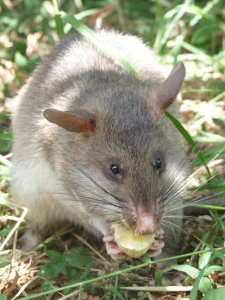
Scientists have also found that rats can be “ticklish.” When researchers tickle rats in ways they enjoy, the rats make those 50 kHz calls and actually seek out more tickling. This suggests rats experience something like joy.
Brain studies show that rat vocalizations are linked to specific brain regions, similar to speech areas in human brains. This indicates that rat communication is more sophisticated than simple instinctive sounds.
Some research even suggests rats have regional “dialects.” Rats in different areas might have slightly different vocalizations, though they can still understand each other.
Squeaking as a Health Indicator
Because rats use squeaking to express distress and pain, changes in vocalization can be an early warning sign of health problems.
A rat that suddenly starts squeaking more might be in pain or discomfort. This can be your first clue that something is wrong, even before other symptoms appear.
The pitch and quality of squeaks can indicate what’s wrong. Respiratory squeaks sound different from pain squeaks, which sound different from fear squeaks.
Rats that stop vocalizing entirely might also be sick. Very ill rats often become quiet and lethargic. If a normally vocal rat goes silent, that’s concerning.
Paying attention to when squeaking happens helps narrow down problems. Squeaking while eating might indicate dental issues. Squeaking when moving might mean injury or arthritis.
Keeping track of your rats’ normal vocalization patterns helps you notice changes quickly. If you know what’s normal for your rats, you’ll recognize when something’s off.
Conclusion
Rats squeak for all sorts of reasons, from communicating with other rats to expressing emotions like fear, excitement, or pain. Their vocalizations are surprisingly complex, including sounds humans can hear and ultrasonic calls we can’t detect.
Different squeaks mean different things. High-pitched distress squeaks warn of danger or indicate pain, while softer sounds might show contentment. Social squeaks happen during play and bonding, and warning squeaks alert other rats to threats.
Understanding what your rat’s squeaks mean helps you respond appropriately. If your pet rat is squeaking in fear, you know to work on building trust. If they’re squeaking in pain, you know to check for injuries or illness.
Not all squeaking is a problem. Rats are vocal animals, and some squeaking is perfectly normal and healthy. But changes in squeaking patterns, constant loud squeaking, or squeaking combined with other symptoms deserve attention.
The more you listen to your rats and learn what their different sounds mean, the better you’ll understand their needs and emotions. Squeaking isn’t just noise. It’s communication, and learning this language helps you care for your rats better.

Hi, my name is Ezra Mushala, i have been interested animals all my life. I am the main author and editor here at snakeinformer.com.