
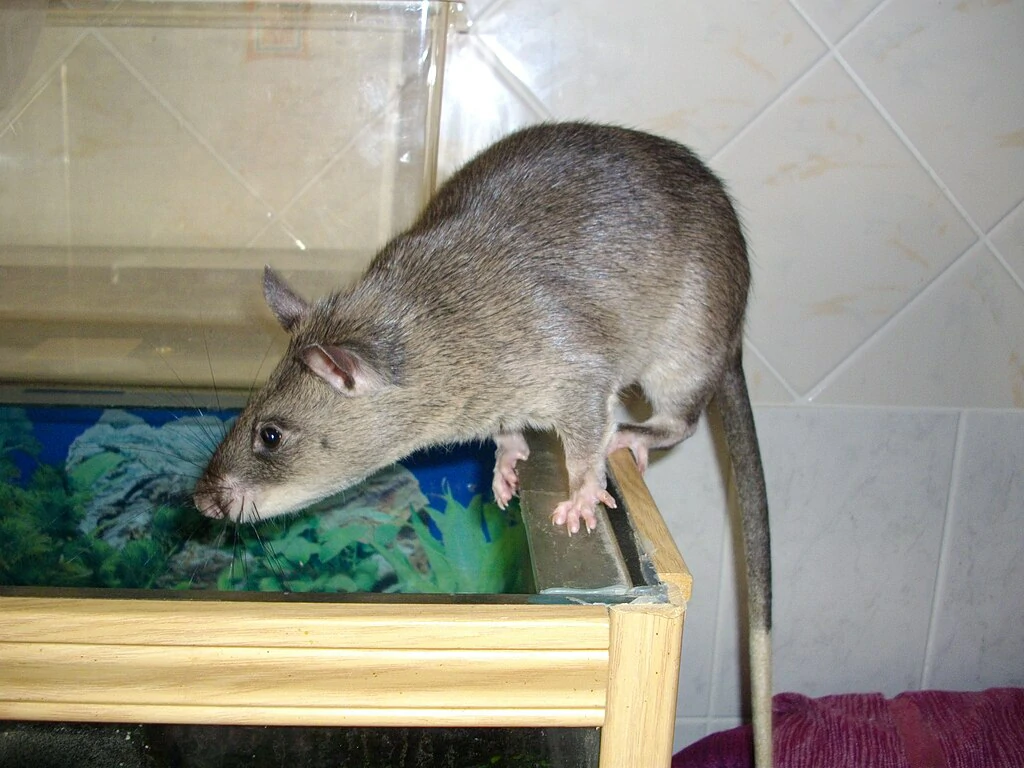
If you’ve noticed your pet rat sneezing, you might be wondering if it’s normal or if something’s wrong. Rat sneezes can sound like tiny squeaks or soft “achoo” sounds, and they can be adorable or concerning depending on how often they happen.
Just like people, rats sneeze to clear their noses, but the reasons behind the sneezing can range from harmless to serious. So why do rats sneeze?
Rats sneeze to clear dust, bedding particles, strong smells, and irritants from their noses. Occasional sneezing is normal and nothing to worry about. However, frequent sneezing combined with other symptoms like discharge, wheezing, or lethargy often signals respiratory infection, which is very common and serious in rats.
A few sneezes here and there are usually fine. But if your rat is sneezing constantly or showing other signs of illness, it needs veterinary care quickly.
Respiratory problems are the leading cause of death in pet rats, so it’s important to know the difference between normal and concerning sneezing.
Normal vs Concerning Sneezing
Learning to tell the difference between healthy, occasional sneezes and problem sneezing is one of the most important skills for rat owners. The context and frequency matter a lot.
Normal sneezing happens occasionally, maybe a few times a day or after the rat has been digging in bedding. The rat acts completely normal otherwise, eating well, playing, and showing no other symptoms.
Normal sneezes are usually single sneezes or maybe two or three in a row, then the rat goes back to what it was doing. There’s no discharge from the nose or eyes.
Concerning sneezing is frequent and repetitive. The rat might sneeze dozens of times in an hour. You’ll hear it constantly throughout the day.
Concerning sneezing often comes with other symptoms. Look for red or brown crusty discharge around the nose and eyes (called porphyrin), labored breathing, wheezing or clicking sounds when breathing, lethargy, loss of appetite, or hunched posture.
If you’re seeing the concerning pattern, don’t wait. Get your rat to a vet who treats small animals as soon as possible. Respiratory infections in rats can become life-threatening within days if not treated.
Dust and Bedding Irritation
One of the most common causes of normal, harmless sneezing in pet rats is dust and particles from their bedding. This is especially true with certain types of bedding materials.
Wood shavings, particularly cedar and pine, produce aromatic oils and very fine dust particles that irritate rats’ sensitive respiratory systems. Even kiln-dried pine can be too dusty for some rats.
Aspen shavings are better than cedar or pine, but they still produce dust that can make rats sneeze.
Paper-based bedding is usually the best choice for rats. Brands made from recycled paper create much less dust. However, even paper bedding can be dusty if it’s a cheap brand or if the bag has settled during shipping.
Rats spend a lot of time burrowing, digging, and rearranging their bedding. All this activity kicks up particles that get into their noses, triggering sneezing.
If your rat sneezes mostly right after you’ve changed the bedding or after it’s been digging around, bedding dust is probably the cause. You can reduce this by switching to a low-dust bedding option or lightly misting the bedding with water before adding it to the cage (just enough to settle the dust, not enough to make it wet).
New Home Adjustment Period
When you first bring a rat home, you might notice it sneezes more than usual for the first week or two. This is actually pretty normal and usually not cause for panic.
The rat is adjusting to new smells, new air quality, new bedding, and a completely different environment. All these changes can irritate its respiratory system temporarily.
Your home might have different cleaning products, air fresheners, cooking smells, or other scents that the rat isn’t used to. Even if these smells don’t bother you, rats have much more sensitive noses.
The stress of moving to a new home can also temporarily weaken a rat’s immune system, making it more prone to mild respiratory irritation.
Give your new rat a week or two to settle in. The sneezing should decrease as it gets used to its new environment. However, if the sneezing gets worse instead of better, or if other symptoms appear, see a vet. The stress of the move might have triggered an underlying respiratory infection.
Strong Scents and Airborne Irritants
Rats have incredibly sensitive respiratory systems, and things that barely affect humans can cause serious irritation for them. Many household products trigger sneezing and can even cause illness.
Cigarette smoke is extremely harmful to rats. Even secondhand smoke or smoke residue on your clothes can irritate their lungs and cause sneezing, respiratory infections, and tumors.
Air fresheners, scented candles, and essential oil diffusers might smell nice to you, but the chemicals can be toxic to rats. They’ll sneeze from the irritation, and chronic exposure can cause permanent lung damage.
Cleaning products with strong fumes (bleach, ammonia, window cleaners) should never be used near rat cages. Even cleaning products used in the same room can affect rats if the fumes are strong.
Perfume, cologne, and heavily scented lotions on your skin can make rats sneeze when you handle them. If you notice your rat sneezes when you pick it up, your personal products might be the problem.
Cooking fumes, especially from burning or frying food, can irritate rat airways. Make sure your rat’s cage isn’t in the kitchen or close to where you cook.
To protect your rats, keep their cage in a well-ventilated area away from kitchens, bathrooms, and smoking areas. Use unscented cleaning products or natural cleaners like vinegar. Avoid air fresheners and scented products in the room where rats live.
Mycoplasma and Chronic Respiratory Disease
Here’s something that surprises many new rat owners: almost all pet rats carry bacteria called Mycoplasma pulmonis from birth. This bacteria lives in their respiratory systems and can cause chronic respiratory disease.
Mycoplasma doesn’t always cause symptoms. Many rats carry it without showing any signs of illness. But when rats get stressed, their immune systems weaken, or they’re exposed to other irritants, the bacteria can flare up and cause active infection.
When Mycoplasma becomes active, rats start sneezing frequently. You’ll also notice porphyrin discharge (red or brown crusty stuff) around their nose and eyes, which looks like blood but isn’t.
The rat might make clicking, wheezing, or rattling sounds when it breathes. Breathing might look labored, with the sides of the body moving noticeably with each breath.
Mycoplasma can’t be cured, but it can be managed with antibiotics. If caught early, rats can live relatively normal lives with occasional antibiotic treatment when flare-ups happen.
Left untreated, Mycoplasma infections get worse over time. The bacteria damages the lungs permanently, causing scarring and making it harder for the rat to breathe. Eventually, this can be fatal.
If you suspect Mycoplasma, get your rat to a vet immediately. The vet will likely prescribe antibiotics like doxycycline or enrofloxacin (Baytril). Some rats need to stay on antibiotics long-term to keep symptoms under control.
Secondary Respiratory Infections
On top of Mycoplasma, rats can get other respiratory infections from bacteria and viruses. These secondary infections often develop when a rat’s immune system is already weakened by Mycoplasma.
Common bacterial infections include those caused by Streptococcus pneumoniae, Corynebacterium kutscheri, and others. These bacteria can cause pneumonia and serious lung infections.
Viral respiratory infections can also affect rats, though they’re less common than bacterial ones.
Secondary infections usually cause the same symptoms as Mycoplasma: sneezing, discharge, difficulty breathing, lethargy. The difference is they might come on more suddenly and progress faster.
Your vet might need to try different antibiotics to find one that works. Sometimes rats need a combination of two antibiotics to fully fight the infection.
Prevention is important here. Keep your rats’ environment clean, reduce stress, and don’t expose them to other sick animals. Wash your hands before handling your rats, especially if you’ve been around other rodents.
Allergies in Rats
Yes, rats can have allergies just like people can. While less common than infections, allergies can definitely cause sneezing in rats.
Rats can be allergic to certain types of bedding. Even if you’re using a “safe” bedding, your individual rat might react to it. Switching bedding types might solve the problem.

Some rats are allergic to certain foods. If you notice sneezing after your rat eats specific treats or fresh foods, try eliminating those items.
Environmental allergies to things like pollen, dust mites, or mold are possible but harder to diagnose and treat in rats.
If you suspect allergies, work with your vet to rule out infections first. Infections are much more common than allergies in rats. If infection is ruled out and symptoms match an allergic pattern, you can try changing environmental factors one at a time to identify the trigger.
Ammonia Buildup From Urine
If you’re not cleaning your rats’ cage often enough, ammonia from urine can build up and irritate their respiratory systems. This is a very common problem and easily fixed.
Rat urine contains urea, which breaks down into ammonia. Ammonia has a strong, sharp smell and is toxic to breathe in high concentrations.
Rats are low to the ground in their cage, right where ammonia concentrations are highest. They’re breathing those fumes constantly if the cage is dirty.
Ammonia irritation causes sneezing and can damage lung tissue over time. It also makes rats more susceptible to respiratory infections because the irritated airways are easier for bacteria to invade.
You should clean your rat’s cage at least once a week, more often if you have many rats or a smaller cage. Spot-clean dirty areas daily by removing soiled bedding and droppings.
Use deep bedding (at least 2 to 3 inches) to absorb urine. Shallow bedding gets saturated quickly and creates more ammonia.
Good ventilation helps. Don’t keep your rat cage in a small, enclosed space with no airflow. But also don’t put it in a drafty area, as drafts can cause respiratory problems too.
Age-Related Respiratory Decline
As rats get older, their respiratory systems often get weaker and more prone to problems. Senior rats sneeze more than young rats, even with the best care.
Older rats have often been fighting chronic Mycoplasma infections for years. The damage accumulates in their lungs, making them more fragile.
Their immune systems weaken with age, so they can’t fight off new infections as well as they could when they were young.
Tumors are common in older rats, and sometimes tumors can press on airways or develop inside the chest cavity, causing breathing problems and sneezing.
Heart problems in older rats can cause fluid to build up in the lungs, leading to difficulty breathing and sneezing.
If your senior rat starts sneezing more, it might just be old age, but it still deserves a vet visit. Sometimes treatment can help keep an older rat comfortable for several more months.
How to Reduce Sneezing in Pet Rats
If your rat is sneezing from environmental irritants rather than infection, here are practical steps to reduce the sneezing and keep your rat healthier.
Switch to a low-dust, paper-based bedding. Avoid wood shavings, especially cedar and pine. Good brands include Carefresh, Yesterday’s News, or similar paper bedding.
Keep the cage scrupulously clean. Clean at least weekly, more if needed. Don’t let ammonia build up.
Remove all air fresheners, scented candles, and essential oil diffusers from the room where your rats live. These products are toxic to rats.
Don’t smoke around your rats or handle them right after smoking. Wash your hands and change your shirt if you’ve been smoking.
Keep their cage away from the kitchen, bathroom, and any areas where you use cleaning chemicals.
Use an air purifier with a HEPA filter in the room where your rats live. This can help remove dust and airborne particles.
Make sure the cage has good airflow but isn’t in a drafty spot. Stagnant air allows ammonia to build up, but drafts can cause respiratory infections.
Reduce stress. Stressed rats have weaker immune systems. Make sure your rats have companions, enough space, enrichment, and gentle handling.
When to See a Vet for Sneezing
Knowing when to seek veterinary care can literally save your rat’s life. Respiratory infections kill rats very quickly if not treated promptly.
See a vet immediately if your rat has any of these symptoms along with sneezing: red or brown discharge around the nose or eyes, wheezing, clicking, or rattling sounds when breathing, rapid or labored breathing (sides heaving), lethargy or lack of interest in food, hunched posture, or fluffed-up fur.
See a vet within a day or two if your rat is sneezing constantly throughout the day, even if there are no other symptoms yet. Frequent sneezing often progresses to more serious symptoms.
Don’t wait to see if it gets better on its own. Rat respiratory infections move fast. A rat that seems okay in the morning can be in serious trouble by evening.
Find a vet who has experience with rats before your rat gets sick. Not all vets treat small animals, and treating rats requires specific knowledge. Ask other rat owners for recommendations or call vets in your area to ask about their experience with rats.
What Treatment Looks Like
If your rat does have a respiratory infection, here’s what to expect from treatment. Understanding the process helps you prepare.
The vet will examine your rat, listen to its lungs, and might take a culture or do other tests. However, many vets will start treatment based on symptoms alone because waiting for test results can waste critical time.
Antibiotics are the main treatment. Common antibiotics for rat respiratory infections include doxycycline, enrofloxacin (Baytril), azithromycin, and amoxicillin. Sometimes vets prescribe two antibiotics at once.
You’ll give the antibiotics at home, usually twice a day for 2 to 4 weeks. Rat antibiotics often come as liquid that you give by mouth using a syringe. Some rats take it easily, others need to have it mixed with a treat like yogurt or baby food.
The vet might also prescribe a bronchodilator (medicine that opens airways) if your rat is having trouble breathing. This helps them breathe easier while the antibiotics fight the infection.
You might need to bring your rat back for follow-up visits to make sure it’s improving.
Most rats start feeling better within a few days of starting antibiotics, but it’s critical to finish the entire course even if your rat seems fine. Stopping early can cause the infection to come back stronger.
Conclusion
Rats sneeze for many reasons, from harmless dust and bedding particles to serious respiratory infections. A few sneezes now and then are normal and nothing to worry about. But frequent sneezing, especially with other symptoms, needs immediate veterinary attention.
Keep your rat’s environment clean and free from irritants, watch for warning signs, and don’t hesitate to see a vet when something seems wrong. Respiratory problems are the biggest health threat to pet rats, but with quick action and proper treatment, most rats can recover and live full, happy lives.
Pay attention to your rat’s breathing and sneezing patterns. Your awareness and quick response can make all the difference in your rat’s health and longevity.

Hi, my name is Ezra Mushala, i have been interested animals all my life. I am the main author and editor here at snakeinformer.com.