
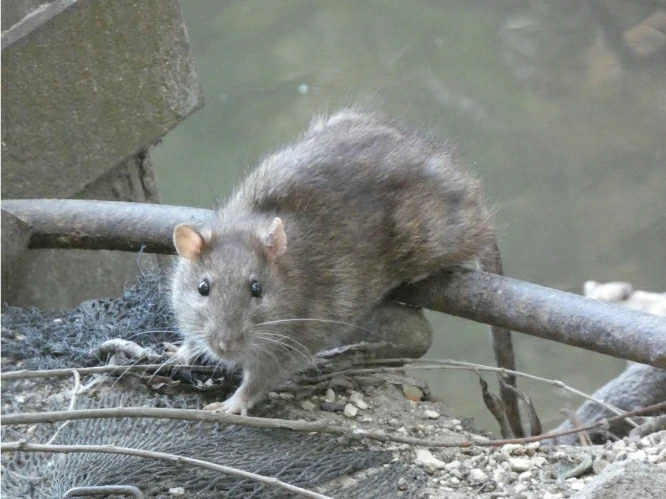
Rats are pretty quiet animals most of the time, but if you’ve ever heard one scream, you know it’s a sound you won’t forget.
It’s high-pitched, loud, and honestly a bit unsettling. So why do rats scream?
Rats scream when they’re in extreme pain, terrified, or feeling threatened. It’s a distress call that tells other rats there’s danger nearby. Rats can also make screaming sounds during aggressive fights with other rats, or when they’re caught by a predator.
When a rat screams, it’s basically having the worst moment of its life.
This isn’t a sound they make casually or for no reason. It’s their way of saying “something is very wrong right now.”
Rats Scream When They’re in Pain
Physical pain is one of the main reasons you’ll hear a rat scream.
If a rat gets injured, caught in a trap, or hurt by another animal, it’ll let out a scream. This can happen if they get their tail or leg caught in something, or if they’re attacked.

The scream is really loud and sharp. It’s different from the other sounds rats make, like their quiet squeaks or chattering.
When you hear it, you know right away that the rat is suffering. The sound can carry pretty far too, which makes sense because it’s meant to alert other rats in the area.
Pet rats can also scream if they’re accidentally hurt during handling. If you step on a rat’s tail or squeeze them too hard, they might scream.
This is why you need to be really careful when you’re holding them. Even a small amount of pain can trigger this response.
Fear Makes Rats Scream Too
Rats don’t just scream from physical pain. Extreme fear can make them scream just as loudly.
When a rat is cornered by a predator and can’t escape, it might scream. This happens when they’re caught by cats, dogs, birds of prey, or even snakes.

The scream in this case isn’t just random. It actually serves a purpose for the rat’s survival.
When one rat screams, other rats in the area hear it and know there’s danger nearby. They’ll run and hide, which helps keep the whole group safe.
It’s basically a warning system. The rat that’s in trouble is letting everyone else know to get out of there fast.
Some researchers think the scream might also startle the predator for just a second. That brief moment of surprise could give the rat a tiny chance to escape.
It doesn’t work most of the time, but even a small chance is better than nothing when you’re fighting for your life.
Aggressive Fights Can Cause Screaming
Rats are social animals, but that doesn’t mean they always get along.
When two rats get into a serious fight, you might hear screaming. This usually happens when they’re fighting over territory, food, or dominance in a group.
Male rats especially can get pretty aggressive with each other. If you have multiple male rats that aren’t properly introduced, fights can break out.

During these fights, the rat that’s losing or getting hurt might scream. It’s a sign that the fight has gotten really intense and one rat is in trouble.
The screaming can also make the other rat back off sometimes. It’s so loud and alarming that it might stop the fight before things get worse.
But this doesn’t always work. Some aggressive rats will keep attacking even after the other one screams.
If you have pet rats and you hear screaming during a fight, you need to separate them right away. Rats can seriously hurt or even kill each other in bad fights.
What a Rat Scream Actually Sounds Like
If you’ve never heard a rat scream, it’s hard to describe, but it’s very distinct.
It’s a high-pitched, sharp sound that’s much louder than their normal squeaks. Some people compare it to a bird’s screech or a baby crying.
The sound can last anywhere from a fraction of a second to a few seconds. It depends on what’s causing the scream and how long the rat is in distress.
You can usually hear it from pretty far away, especially if you’re indoors. The high frequency carries well through the air.
It’s also worth knowing that rats make sounds at frequencies humans can’t hear. But screams are different because they need to be heard.
They’re in the range that both humans and other rats can pick up easily. That’s the whole point of a distress call.
Rats Don’t Scream for Attention or Fun
Unlike some animals that vocalize to get attention, rats don’t scream unless something is seriously wrong.
They’re not screaming because they want food or because they’re bored. This isn’t a communication tool for everyday situations.
If you hear your pet rat scream, something is genuinely hurting or scaring them. You need to figure out what’s wrong immediately.
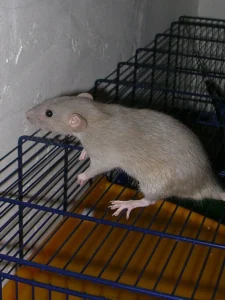
It could be that they’re stuck somewhere, hurt themselves, or they’re terrified of something in their environment. Check them over carefully for injuries.
Look at their legs, tail, and body for any signs of trauma. Also check their cage to see if something could have scared them or caused them pain.
Wild rats are the same way. They don’t waste energy screaming for no reason.
In the wild, making loud noises can actually attract more predators. So a rat will only scream when the situation is already so bad that staying quiet won’t help anymore.
Other Sounds Rats Make Besides Screaming
Rats actually have a pretty complex system of sounds, even though most of them are really quiet.
They make soft squeaks when they’re happy or content. If you have pet rats, you might hear these when you’re petting them or giving them treats.
They also make a sound called bruxing, which is when they grind their teeth together. It sounds like a soft clicking or grinding noise.
Rats do this when they’re relaxed and happy. It’s actually a good sign if your pet rat is bruxing around you.
Hissing is another sound rats make, and it’s a warning. If a rat hisses at you, it’s telling you to back off.
They’re feeling threatened or defensive, and they might bite if you don’t give them space. This is common with rats that aren’t used to people yet.
Baby rats (called pups) make ultrasonic calls that adult rats can hear but humans usually can’t. These are distress calls that tell their mother they need help.
The mother rat will come running when she hears these calls. It’s how baby rats communicate that they’re cold, hungry, or lost.
How to Tell if Your Pet Rat Is in Distress
If you have pet rats, it’s really important to know the signs of distress beyond just screaming.
Most of the time, your rat will show other signs before things get bad enough for them to scream. Watching for these early warning signs can help you prevent serious problems.
A rat in distress might breathe really fast or have labored breathing. They might also sit hunched up in a corner and not want to move.
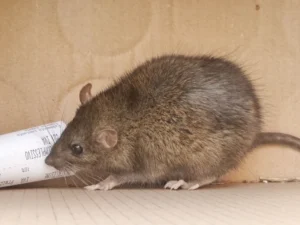
If they’re usually active and playful but suddenly become really still and quiet, something’s wrong. This is especially true if they’re also refusing food.
Their eyes can also tell you a lot. A healthy rat has bright, clear eyes.
If their eyes look dull, half-closed, or have discharge, they might be sick or in pain. A substance called porphyrin (a red or brown discharge around the eyes or nose) is a sign of stress or illness.
Changes in their fur can also be a warning sign. Rats normally keep themselves very clean and their fur looks smooth and shiny.
If their fur looks rough, puffed up, or dirty, it means they’re not grooming themselves. This happens when they’re too sick or stressed to take care of themselves.
What to Do if You Hear a Rat Scream
If you hear a rat scream, you need to act fast to figure out what’s wrong.
For pet rats, check them immediately for injuries. Look at every part of their body, especially their feet, tail, and legs.
Rats can get their limbs caught in cage bars or toys. They can also hurt themselves jumping from high places in their cage.
If you find an injury, you need to get them to a vet who specializes in small animals (called an exotic vet). Don’t try to treat serious injuries yourself.
If there’s no obvious injury, check their environment. Is there something in or near their cage that could be scaring them?
Loud noises, other pets getting too close, or even a change in their cage setup can stress rats out. Remove whatever is causing the problem.
For wild rats, if you hear screaming, it usually means a rat is being attacked or caught by something. There’s not much you can do in this situation.
If you find an injured wild rat, it’s best to contact a wildlife rehabilitator. Wild rats can carry diseases and might bite if they’re scared or hurt.
Can Rats Scream Themselves to Death?
There’s an old belief that rats can literally scream themselves to death from fear, but this isn’t really accurate.
What can happen is that extreme stress can cause serious health problems in rats. Their heart rate goes way up, their blood pressure spikes, and their body floods with stress hormones.
In some cases, especially with older or sick rats, this extreme stress can contribute to a heart attack or stroke. But it’s not the screaming itself that kills them.
It’s the underlying cause of the screaming (the extreme fear or pain) and how their body responds to it. The scream is just a symptom of what’s happening.
Young, healthy rats are pretty resilient to stress, even though it’s still not good for them. But rats with existing health problems are much more vulnerable.
This is why it’s so important to keep your pet rats’ environment calm and safe. Constant stress can actually shorten their lifespan.
Why Understanding Rat Screams Matters
Knowing why rats scream helps you take better care of them if you have them as pets.
It also helps you understand their behavior in the wild. Rats are often misunderstood animals, and people don’t always realize how much they can suffer.
A scream is a clear sign that a rat is in extreme distress. Whether it’s a wild rat or a pet, that animal is going through something terrible in that moment.
For pet owners, recognizing this sound and knowing what it means can literally save your rat’s life. Quick action when you hear a scream can prevent serious injury or death.
It can also help you make your rat’s environment safer. If you hear screaming during playtime, you know something in that area is dangerous and needs to be fixed.
For people dealing with wild rats, understanding that screams mean extreme distress can inform more humane pest control methods. There are ways to deal with rat problems that don’t involve causing them pain.
The Science Behind Rat Vocalizations
Researchers have actually studied rat vocalizations pretty extensively because rats are commonly used in laboratory research.
They’ve found that rats have a much more complex vocal system than most people realize. They can make over a dozen different types of sounds.
Many of these sounds are in the ultrasonic range, which means they’re too high-pitched for humans to hear. But screams are different because they need to be heard by everyone, including predators.
The scream is produced in the rat’s larynx (voice box) just like human screams. When air is forced through the larynx really quickly under stress, it creates that sharp, loud sound.
Scientists have also found that the acoustic properties of rat screams (things like frequency, duration, and volume) can tell you what kind of distress the rat is experiencing. Pain screams sound slightly different from fear screams.
This research has helped people who work with rats in labs and as pets understand them better. It’s also helped develop better welfare standards for rats in research settings.
Conclusion
Rats scream when they’re experiencing extreme pain, terror, or fighting for their lives.
It’s not a sound they make lightly or for attention. When you hear a rat scream, you’re hearing an animal in genuine distress.
Understanding this helps us treat rats with more compassion, whether they’re pets, wild animals, or even pests we’re trying to control. Every scream represents suffering, and recognizing that makes us more responsible in how we interact with these animals.
If you have pet rats, knowing what a scream means can help you keep them safe and respond quickly when something’s wrong. And if you hear a wild rat scream, at least you’ll understand what’s happening in that moment.

Hi, my name is Ezra Mushala, i have been interested animals all my life. I am the main author and editor here at snakeinformer.com.