
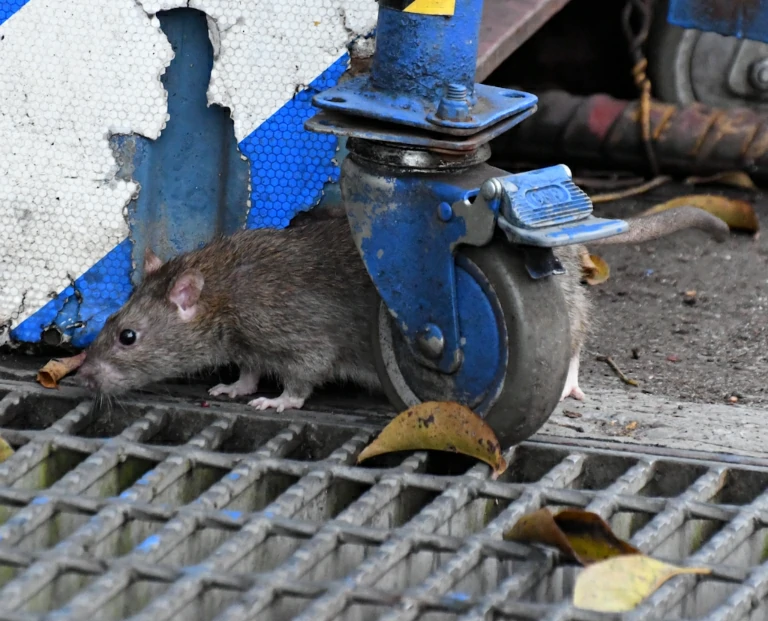
If you’ve ever heard scratching sounds coming from inside your walls at night, you know how unsettling it can be. That persistent scraping, clawing, and rustling often means you have rats living in your walls.
For pet rat owners, you might notice your rats scratching at their cage walls or the walls of your room during playtime. Either way, wall scratching is common rat behavior that happens for specific reasons. So why do rats scratch walls?
Rats scratch walls to explore their environment, wear down their constantly growing teeth and nails, mark territory, look for food, or try to escape. Wild rats scratch walls to create pathways and nests, while pet rats often scratch out of boredom, curiosity, or because they want attention.
The behavior is natural for rats, whether they’re wild pests or beloved pets. Understanding why they do it helps you deal with infestations or address your pet rat’s needs more effectively.
How Rat Teeth and Nails Keep Growing
One of the main reasons rats scratch walls is connected to their biology. Rats have teeth and nails that never stop growing throughout their entire lives.
A rat’s front teeth (incisors) grow about 4 to 5 inches per year. That’s incredibly fast. If rats didn’t constantly wear them down, their teeth would grow so long they couldn’t eat.
Rats wear down their teeth by gnawing on hard materials. Wood, plastic, metal, drywall, and even concrete all help keep their teeth at a manageable length.
When rats scratch walls, they’re often biting and gnawing at the same time. The scratching sound you hear is actually a combination of their claws scraping and their teeth gnawing.
Rat nails also grow continuously, though not as fast as their teeth. Scratching on rough surfaces like walls helps file down their nails naturally.
For wild rats, this constant growth is a survival feature. Their teeth and nails get worn down by all the digging, climbing, and gnawing they do in their environment. But rats living in walls or in cages don’t always have enough appropriate things to chew and scratch on, so they turn to walls.
Exploring and Mapping Their Territory
Rats are naturally curious and intelligent animals. They spend a lot of time exploring their environment to create mental maps of their surroundings. Scratching walls is part of this exploration process.
Rats have poor eyesight and rely heavily on their other senses. They use their whiskers, sense of smell, and sense of touch to understand the world around them.

When a rat scratches at a wall, it’s gathering information. The scratching tells the rat what material the wall is made of, whether there are hollow spaces behind it, and whether the wall can be chewed through.
Rats are looking for weak spots. They’ll scratch along walls until they find areas where the material is softer, where there are gaps, or where they can break through. Once they find a weak spot, they’ll focus their gnawing there.
This is why rats can cause so much damage to buildings. They’re not scratching randomly. They’re systematically testing the structure to find the easiest way to move around, find food, or create nesting sites.
Looking for Food Sources
Hunger is a powerful motivator for rats, and much of their scratching behavior is about finding food. Rats can smell food through walls, and they’ll scratch and gnaw to get to it.
If there’s food on the other side of a wall (like in a pantry, kitchen, or storage area), rats will work tirelessly to reach it. They can smell crumbs, grains, pet food, and other food sources from far away.
Rats living in walls often scratch toward areas where they detect food. You might hear the most scratching near your kitchen, especially behind cabinets or near where you store food.
The scratching usually gets more intense and frequent if the rat is hungry. A well-fed rat might scratch a bit to explore, but a starving rat will scratch aggressively for hours trying to reach a food source.
This is why keeping food sealed and stored properly is so important when dealing with rats. If they can’t smell food, they’re less motivated to scratch through walls to get to it.
Creating Pathways and Nests
Wild rats scratch walls to create the infrastructure they need to live comfortably. This includes pathways for movement and safe spaces for nesting.
Rats prefer to move along walls rather than crossing open spaces. In the wild, staying close to walls protects them from predators. Even in buildings, rats instinctively follow this behavior.
They’ll scratch and gnaw along walls to create smooth pathways they can run along repeatedly. Over time, these paths become worn tracks that multiple rats use.
Rats also scratch walls to create or enlarge holes that lead to nesting sites. Inside walls, between floors, and in attics, rats will gnaw out spaces to build nests.
A rat nest needs to be hidden, warm, and safe. Rats will scratch away insulation, wood, and drywall to create the perfect cavity for raising babies or sleeping.
Female rats that are pregnant or nursing are especially aggressive about this. They need secure nesting sites, and they’ll work hard to create them.
Trying to Escape or Get Through Barriers
Sometimes rats scratch walls simply because they want to get through them. The wall is blocking them from where they want to go, so they try to remove the obstacle.
Rats are surprisingly determined. If they know there’s something interesting on the other side of a wall (food, water, warmth, other rats), they’ll scratch and gnaw until they break through or give up.
This is common in homes where rats are trapped in walls. They might have gotten in through a small gap but can’t find their way back out. The panicked scratching you hear might be a rat desperately trying to escape.
Pet rats will scratch at cage walls or room walls if they want to get to something. If your rat can smell food in another room or hear other rats nearby, it might scratch trying to reach them.
Rats are also claustrophobic to some degree. If they feel trapped or confined, they’ll scratch and dig frantically to find an exit.
Marking Territory With Scent
Rats communicate through scent, and scratching walls is one way they leave scent marks in their territory. This behavior is about communication, not just physical exploration.
Rats have scent glands on their feet and other parts of their bodies. When they scratch surfaces, they leave behind their scent.
Other rats can smell these scent marks and gather information. The scent tells them which rat was there, whether it’s male or female, if it’s ready to mate, and whether it’s part of their colony or an intruder.
Dominant rats will scratch more prominently to mark the best areas of their territory. They’re basically saying “I own this space” to other rats.
In buildings with rat infestations, you’ll often find concentrated scratching in areas where rats travel regularly. These are the main pathways that multiple rats use, and they’re heavily scent-marked.
Boredom and Lack of Stimulation
For pet rats, scratching at cage walls or room walls often comes down to simple boredom. Rats are intelligent animals that need mental and physical stimulation. Without it, they develop repetitive, annoying behaviors.
A rat in a too-small cage with nothing to do will often scratch at the cage walls. It’s not trying to escape necessarily. It’s just bored and needs something to do with its energy.
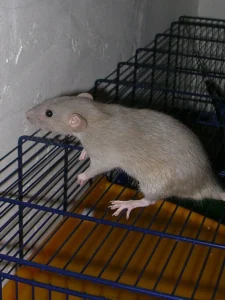
This kind of scratching is usually repetitive and happens at the same spots over and over. The rat might scratch for a while, stop, then come back and do it again.
You might also notice the scratching happens more at certain times, like when you’re home but not paying attention to the rat. The rat has learned that scratching gets your attention.
The solution is to provide more enrichment. Give your rat a bigger cage, more toys, things to climb on, tunnels to explore, and most importantly, more time outside the cage to play.
Rats also need social interaction. A single rat is more likely to develop boredom behaviors like wall scratching than rats that live in pairs or groups. Get your rat a friend if it’s living alone.
The Sound of Rats Scratching in Walls
If you’re hearing scratching sounds coming from inside your walls, it’s important to understand what you’re actually hearing. This helps you figure out if you really have rats and where they are.
Rat scratching sounds different from other pests. It’s usually a combination of scraping, gnawing, and scurrying. You might hear rhythmic scratching as the rat works on one spot, then quick scurrying as it runs along a wall.
The sounds are most common at night. Rats are nocturnal and do most of their activity when it’s dark and quiet. If you hear scratching during the day, it might mean you have a large infestation (so many rats that some are active during daylight) or a trapped rat.

The location of the sound matters. Scratching near the kitchen or pantry suggests rats looking for food. Scratching higher up in walls or in the attic might indicate nesting activity.
You might hear scratching in the same spots repeatedly. Rats use the same pathways over and over, so they’ll scratch in familiar areas as they maintain their routes.
The scratching might stop when you make noise or turn on lights. Rats are cautious and will freeze when they sense danger. But they’ll usually start again once things quiet down.
Damage Rats Cause by Scratching Walls
The scratching itself might seem like just noise, but rats can cause serious damage to buildings through their constant gnawing and scratching behavior.
Rats can chew through drywall, wood, plastic, and even thin metal. Their teeth are incredibly strong and can gnaw through materials you wouldn’t expect.
They create holes in walls that get bigger over time. A small hole that one rat made can become a major entry point for many rats.
Electrical wiring is a serious concern. Rats often scratch and gnaw on wires inside walls. This can cause shorts, power outages, and even fires. Many house fires are caused by rodents damaging electrical systems.
Insulation gets destroyed when rats scratch through it to make nests. This reduces your home’s energy efficiency and can lead to higher heating and cooling bills.
Pipes can be damaged too. Rats sometimes gnaw on plastic pipes, especially if they smell water. This can lead to leaks and water damage inside walls.
The longer rats are allowed to scratch and gnaw, the more damage they cause. Early detection and removal is important to prevent costly repairs.
How to Stop Wild Rats From Scratching Your Walls
If you have rats scratching inside your walls, you need to get rid of them. Here’s how to address the problem effectively.
Find and seal entry points. Rats got into your walls somehow, usually through gaps around pipes, vents, foundations, or roof edges. Inspect your home’s exterior and seal any openings larger than a quarter-inch with steel wool, metal mesh, or concrete.
Remove food sources. Store all food in sealed containers, clean up crumbs and spills immediately, and don’t leave pet food out overnight. Take away the rats’ reason to stick around.

Set traps inside and outside. Snap traps are effective for rats. Place them along walls where you see droppings or hear scratching. Use peanut butter or dried fruit as bait.
Consider getting professional help. If you have a large infestation or can’t find where the rats are getting in, call a pest control company. They have experience and tools that homeowners don’t.
Don’t just use poison. Poison can work, but rats often die inside walls where you can’t reach them. The smell of decomposing rats is horrible and can last for weeks. Traps are better because you can remove the dead rats.
After the rats are gone, clean and repair the damage. Remove any contaminated insulation, patch holes, and sanitize areas where rats were active.
How to Stop Pet Rats From Scratching Walls
If your pet rat is scratching at cage walls or room walls, the approach is different. You need to address the underlying cause of the behavior.
Provide a bigger cage. Rats need lots of space. The minimum is 2 cubic feet per rat, but bigger is always better. A cramped rat will scratch more.
Add enrichment and toys. Give your rats hammocks, tunnels, climbing ropes, boxes to hide in, and toys to chew on. Rotate toys weekly to keep things interesting.
Increase out-of-cage time. Let your rats out to explore a rat-proofed room for at least an hour daily. More is better. This gives them mental stimulation and exercise.
Make sure they have chewing materials. Provide wood blocks, cardboard, and safe chew toys. This gives them appropriate outlets for their gnawing needs.
Get your rat a companion if it’s alone. Rats are social and need other rats. A single rat is more likely to develop problem behaviors.
Spend more time interacting with your rats. Handle them daily, teach them tricks, and give them attention. Sometimes scratching is just a rat saying “I’m bored, play with me.”
If the scratching is focused on one spot, try covering that area with something. A piece of cardboard or fabric might redirect the behavior.
Can Scratching Behavior Indicate Health Problems
In rare cases, excessive scratching behavior in pet rats might signal a health issue rather than just boredom or normal behavior. Watch for these signs.
Frantic, non-stop scratching combined with other symptoms (like lethargy, loss of appetite, or breathing problems) could mean the rat is stressed or sick.
If the rat is scratching at itself rather than walls, it might have skin parasites, mites, or allergies. Look for hair loss, scabs, or red irritated skin.
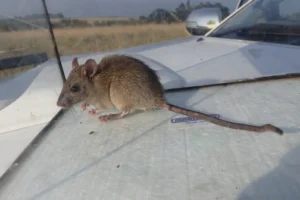
Neurological problems can sometimes cause repetitive behaviors. If the scratching seems compulsive and the rat can’t seem to stop even when distracted, see a vet.
Vision problems might make a rat scratch at walls more because it’s trying to understand its environment without being able to see well.
Most of the time, wall scratching is normal rat behavior and not a medical issue. But if you notice other symptoms or the behavior seems extreme and unstoppable, a vet visit is a good idea.
Conclusion
Rats scratch walls for many reasons, from biological needs like wearing down their teeth to practical goals like finding food and creating nests. For wild rats, this behavior helps them survive and thrive in human structures. For pet rats, it’s often about boredom, curiosity, or seeking attention.
Understanding why rats scratch helps you address the behavior appropriately. If you’re dealing with wild rats, focus on exclusion and removal. If your pet rat is scratching, provide more enrichment, space, and interaction.
Either way, scratching is normal rat behavior. The key is managing it in ways that work for both you and the rats.

Hi, my name is Ezra Mushala, i have been interested animals all my life. I am the main author and editor here at snakeinformer.com.