
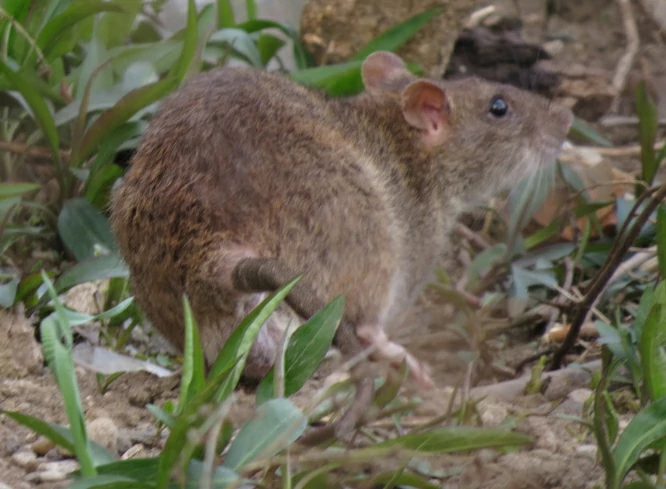
Rats have a reputation for being skittish creatures that scurry away at the first sign of danger. But if you’ve ever had a pet rat or come across one in your home, you might’ve noticed something odd.
Sometimes, instead of running away, rats run straight towards you. This behavior can be confusing, and even a little unsettling if you weren’t expecting it. So why do rats run towards you?
Rats run towards you for several reasons: they may be curious and want to investigate, they’re looking for food, they feel cornered and are trying to escape past you, or in the case of pet rats, they’re excited to see you and want attention or treats.
When a rat runs towards you, it’s usually not trying to attack. Rats are prey animals, so they’re naturally cautious.
If a rat is running in your direction, it’s more likely reacting to something in its environment rather than targeting you specifically.
Curiosity and Investigation
Rats are incredibly curious animals. They explore their surroundings constantly, using their whiskers, nose, and paws to gather information about their environment.
When you enter a space where a rat lives, you become part of that environment. The rat might run towards you just to figure out what you are.

Some rats even use this curiosity to test the boundaries of their environment. They might lightly touch you with their paws or sniff your clothes to understand textures and smells.
This behavior is part of how they learn which areas are safe and which could be dangerous. With pet rats, you’ll often notice them circling around your feet or hands before approaching fully, as if they’re running a little safety check first.
This is especially common with pet rats who’ve been socialized with humans. They don’t see you as a threat, so they feel comfortable coming close to investigate.
Wild rats can also be curious, but they’re usually more cautious. Still, a young or bold rat might approach you to get a better look, especially if you’re standing still and not making sudden movements.
They’re Looking for Food
Rats are opportunistic feeders. They’ll eat just about anything they can find, and they’re always on the lookout for their next meal.
If you’ve been handling food, or if you’re in an area where the rat has found food before, it might run towards you hoping for a snack. Pet rats especially learn to associate humans with food.
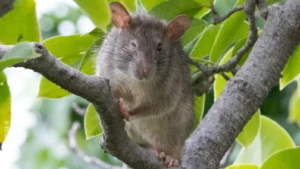
If you regularly give your pet rat treats, it’ll start running to you whenever it sees you. The rat isn’t trying to be aggressive, it just knows you might have something tasty.
Rats also remember patterns. If they notice you carrying grocery bags or if you frequently sit in a spot where you eat, they’ll start associating those places and objects with food.
Wild rats are surprisingly clever about this. They’ll watch from a distance, waiting for the perfect moment to grab scraps without risking danger.
Even a brief glance at a food wrapper can be enough for a rat to take a calculated approach towards you.
If you’ve been feeding pigeons in a park, for example, rats in the area might’ve noticed and could approach you looking for scraps.
Feeling Cornered or Trying to Escape
Sometimes a rat runs towards you because it feels like it has no other choice. If you’ve accidentally blocked its escape route, the rat might try to run past you to get away.
This is a fear response, not aggression. The rat is panicking and trying to reach safety, and you just happen to be in the way.
In these situations, the rat usually won’t stop to interact with you. It’ll try to dart around you or between your legs as quickly as possible.
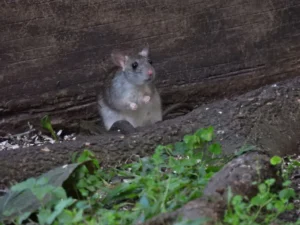
If you see a rat behaving this way, the best thing you can do is step aside and give it a clear path to escape. Once the rat feels it has an exit, it’ll usually take it and leave you alone.
Rats have a strong survival instinct, and in some cases, their choice to run towards you might seem counterintuitive. They’re assessing the fastest path to safety, and if that path happens to go through your vicinity, they’ll take it.
This is also why they often pause or freeze for a moment, scanning for other possible exits before making a final dash.
Observing this can help you understand their logic rather than misinterpreting it as aggression.
Pet Rats Show Excitement and Affection
If you have a pet rat, running towards you is often a sign of excitement and affection. Rats are social animals, and they bond strongly with their owners.
When your rat sees you approaching its cage or hears your voice, it might run to the front of the enclosure, eager for interaction. This is similar to how a dog might run to greet you when you come home.
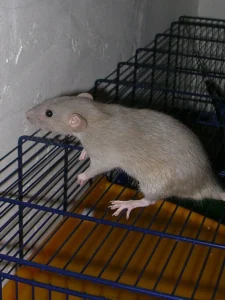
Pet rats also learn your routine. If you usually give treats or playtime at certain times, your rat will anticipate this and run to you when it expects these activities.
Some rats even do a behavior called “popcorning” when they’re excited. They’ll jump and twist in the air, sometimes while running towards you.
You might also notice them doing little squeaks or soft chirps as they approach. These sounds are another way of expressing excitement and communicating with you.
Over time, a pet rat might even learn your walking patterns, recognizing the sound of your footsteps or the rustle of a bag and responding instantly. It’s a small but meaningful way they show they know and trust you.
Territorial Behavior in Some Cases
While it’s rare, some rats can show territorial behavior, especially if they’re protecting a nest or food source. A mother rat with babies, for example, might run towards a perceived threat to defend her young.
Male rats can also be territorial, particularly if they haven’t been neutered. They might run towards another rat (or even a person) to establish dominance or protect their space.
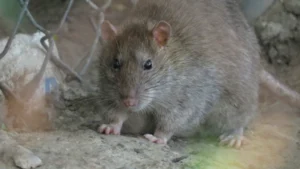
This behavior is more common in wild rats than pet rats. Domesticated rats are bred to be docile and friendly, so territorial aggression is unusual.
If a rat is being territorial, it’ll usually show other warning signs first. It might hiss, puff up its fur, or show its teeth before actually running at you.
In these situations, it’s important to respect the rat’s boundaries. A territorial rat can be unpredictable if it feels trapped, so giving it space to retreat is the safest approach.
Interestingly, male rats may also mark areas with scent glands to signal ownership.
If you see a rat running towards you near one of these marks, it might be checking whether its territory is being challenged rather than reacting to you personally.
They’re Following a Scent Trail
Rats have an excellent sense of smell. They use scent to navigate, find food, and communicate with other rats.
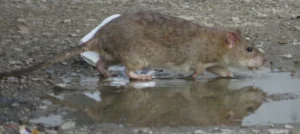
If you’ve walked through an area where the rat has left scent marks, or if you smell like something interesting (food, other animals, etc.), the rat might follow your scent trail. This can look like the rat is running towards you, but it’s actually following the smell.
Pet rats especially love to explore new scents. If you’ve been somewhere new or handled something with a strong smell, your rat might run to you to investigate.
This is completely normal behavior and shows that your rat trusts you enough to explore you as part of its environment.
Rats can even distinguish between the scents of different humans. They might be more curious about someone new in their space or less wary of a person they’re familiar with.
They also use scent to communicate with other rats, leaving traces behind that signal where they’ve been or what they’ve found.
This makes them incredibly good at reading the environment and acting in ways that might seem surprisingly intentional for such small creatures.
What to Do When a Rat Runs Towards You
If you have a pet rat running towards you, enjoy it! This is usually a sign of trust and affection. You can offer your hand for the rat to sniff, give it a treat, or let it climb on you if you’re comfortable with that.

If it’s a wild rat, stay calm and don’t make sudden movements. The rat is probably more scared of you than you are of it.
Give the rat space to escape. Don’t corner it or try to catch it, as this will only make it more panicked and could lead to a bite.
If wild rats are regularly running towards you in your home, you might have an infestation. Look for signs like droppings, chewed materials, or nests in hidden areas.
Rats Can Learn from Experience
Rats are quick learners. If they’ve had positive encounters with humans in the past, they’ll remember who’s safe to approach.
Even wild rats can develop habits based on repeated interactions, such as cautiously taking food from the same person who feeds them.
This learning ability helps them survive in both wild and urban environments. In a home setting, pet rats can also learn routines, responding to cues like the sound of a treat bag or the click of a cage door.
This explains why some rats run towards you seemingly “on cue”. They’re remembering patterns and acting with expectation.
How Pet Rats Are Different from Wild Rats
Pet rats and wild rats are the same species, but they behave very differently around humans. Pet rats have been bred for generations to be friendly and docile.
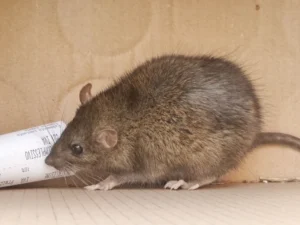
They’re used to human contact from a young age, so they don’t see people as threats. A pet rat running towards you is almost always a positive sign.
Wild rats, on the other hand, see humans as potential predators. They’ve evolved to be cautious and avoid us whenever possible.
If a wild rat is running towards you, it’s usually because it’s scared, cornered, or following a scent, not because it wants to interact.
Conclusion
Rats running towards you can mean different things depending on the situation. Pet rats usually do this out of excitement, curiosity, or because they’re hoping for treats and attention.
Wild rats are more likely running towards you because they feel cornered, they’re following a scent, or they’re just trying to escape past you to safety.
Understanding rat behavior can help you respond appropriately. If you have pet rats, running towards you is a sweet sign of trust and bonding.
If you’re dealing with wild rats, give them space and consider addressing any infestation issues in your home.

Hi, my name is Ezra Mushala, i have been interested animals all my life. I am the main author and editor here at snakeinformer.com.