

Rats are usually busy, active animals that move with purpose. They’re constantly exploring, foraging, or grooming themselves.
But sometimes you might see a rat doing something that looks really strange. It sits in one spot and rocks its body back and forth repeatedly, almost like it’s in a trance. Why do rats rock back and forth?
Rats rock back and forth to gather more visual information about their surroundings. The rocking motion helps them judge distances and get a better three-dimensional view of objects, especially when deciding whether to jump or climb. This is called stereovision or depth perception rocking, and it’s completely normal behavior.
While rocking can be normal in certain contexts, it can also indicate stress, boredom, or health problems in other situations. Understanding the difference helps you know whether the behavior is healthy or concerning.
The context in which a rat rocks back and forth tells you everything about what it means.
How Rocking Helps Rats See Better
The most common and normal reason rats rock back and forth is to improve their vision and depth perception.
Rats have poor eyesight compared to humans. They’re nearsighted and don’t see fine details very well. Their eyes are positioned on the sides of their head, which gives them a wide field of view but less overlap for depth perception.

When a rat rocks back and forth, it’s moving its head and eyes to different positions. This creates slightly different views of the same object from multiple angles, similar to how our two eyes see slightly different images.
The rat’s brain processes these multiple views and builds a three-dimensional understanding of the scene. This is called motion parallax, and it’s how many animals with limited binocular vision compensate for poor depth perception.
You’ll most often see this rocking when a rat is trying to judge a distance. Before jumping from one surface to another, climbing up something, or reaching for an object, the rat will rock back and forth to figure out exactly how far away the target is.
The behavior is especially common in situations where getting the distance wrong could be dangerous. If a rat is considering jumping across a gap, it needs accurate distance information. Rocking gives it that information.
Young rats do this more than adults. As rats gain experience, they need less rocking to judge distances for familiar jumps and climbs. But even adult rats will rock when facing new or challenging situations.
When Rocking Is Normal Behavior
Understanding when rocking is normal helps you distinguish it from problem behaviors.
Before jumping or climbing, rocking is totally normal. The rat is just gathering visual information before committing to a potentially risky movement. This type of rocking lasts just a few seconds.
When investigating new objects, rats might rock slightly to get a better view. They’re trying to understand what the object is and whether it’s safe. Again, this is brief and purposeful.

At the edge of elevated surfaces, rocking is common. When a rat is on a shelf, table, or any high spot and looking down, it will often rock to judge the height before deciding whether to jump down.
In environments with poor lighting, rats rock more. When it’s dark or dim, visual information is already limited, so rats need even more head movement to build a mental picture of their surroundings.
Normal rocking has a clear trigger and purpose. The rat rocks, gathers the information it needs, then stops and acts on that information. It’s not continuous or repetitive beyond what’s needed.
Stress-Related Rocking in Captive Rats
In captive rats, especially those in poor living conditions, rocking can be a sign of stress or stereotypic behavior.
Stereotypic behaviors are repetitive, seemingly purposeless actions that animals do when they’re stressed, bored, or living in inadequate environments. Rocking can become stereotypic under the wrong conditions.
Rats in small cages with nothing to do might develop rocking behavior. When they can’t express natural behaviors like exploring, foraging, and climbing, they develop these repetitive motions instead.
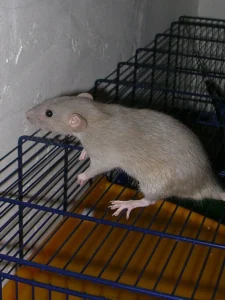
This type of rocking looks different from normal depth-perception rocking. It’s continuous, goes on for minutes at a time, and doesn’t have an obvious trigger or purpose. The rat just rocks and rocks.
Lack of mental stimulation is a major cause. Rats are intelligent animals that need things to do. Without toys, social interaction, and environmental enrichment, they get bored and develop abnormal behaviors.
Social isolation can also trigger stereotypic rocking. Rats are social animals that need companionship. A rat kept alone without another rat to interact with might rock as a coping mechanism for loneliness.
If you have a pet rat that rocks excessively, it’s a sign you need to improve its living conditions. Get a bigger cage, add toys and climbing structures, provide a companion, and give it more out-of-cage time.
How to Tell Normal Rocking from Problem Rocking
The difference between healthy rocking and problem rocking is usually pretty clear if you know what to look for.
Duration is the first clue. Normal rocking lasts a few seconds to maybe 15-20 seconds max. Problem rocking goes on for minutes or even hours.
Context tells you a lot. If the rat rocks before jumping or when investigating something, that’s normal. If it rocks while sitting in the middle of its cage with nothing happening, that’s a problem.
Frequency matters too. A rat that rocks occasionally throughout the day is probably just using it for depth perception. A rat that rocks constantly for long periods has a behavioral issue.
Normal rocking has an endpoint. The rat rocks, then acts on the information (jumps, climbs, moves away, etc.). Problem rocking doesn’t lead anywhere; the rat just keeps rocking.
Body language provides more clues. A rat doing normal rocking looks alert and focused on something. A rat doing stereotypic rocking often looks zoned out or vacant.
Other behaviors tell the story too. A rat with one problem behavior usually has others. If you see excessive rocking plus bar chewing, pacing, or other repetitive actions, you’re looking at a stressed animal.
Rocking Due to Neurological Problems
Sometimes rocking indicates a neurological issue rather than behavioral stress or normal depth perception.
Inner ear infections can cause rocking, often combined with head tilt and circling. The rat’s balance is off, and it might rock as it tries to maintain equilibrium.
This neurological rocking looks unsteady and uncontrolled. Unlike purposeful depth-perception rocking, it seems like the rat can’t help it. The movement might be jerky or irregular.
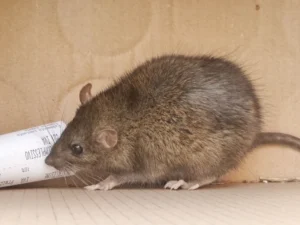
Brain injuries or tumors can affect movement control. If a rat develops rocking suddenly along with other symptoms like seizures, weakness, or loss of coordination, it could be a serious neurological problem.
Genetic conditions in some rat lines can cause movement disorders. Certain breeding lines are prone to neurological issues that include rocking, swaying, or other repetitive movements.
This type of rocking usually comes with other symptoms. The rat might have trouble walking straight, lose balance easily, or show head tilting. If you see these signs, a vet visit is necessary.
Older rats sometimes develop neurological decline that includes rocking. As rats age, they can develop problems similar to dementia or Parkinson’s in humans, which affects movement.
Rocking in Response to Vision Problems
Rats with vision problems might rock more than normal rats, even for routine tasks.
Blind or partially blind rats rely heavily on rocking for spatial information. Since they can’t use vision at all or have very limited sight, they need extra head movement to navigate.
Cataracts, which are common in older rats, reduce visual clarity. A rat with cataracts might rock excessively because it can’t gather clear visual information even with normal amounts of rocking.
Eye infections or injuries that affect sight will increase rocking behavior temporarily. Once the infection clears or the injury heals, the excessive rocking usually stops.
Albino rats (those with red eyes) have worse vision than rats with dark eyes. They’re more prone to being nearsighted and having poor depth perception, so they tend to rock more often.
Vision-related rocking still has purpose though. The rat is trying to overcome its visual limitations. It’s different from stereotypic rocking, which serves no function.
Why Baby Rats Rock More Than Adults
If you watch baby rats, you’ll notice they rock back and forth a lot more than adult rats. There are good reasons for this.
Baby rats are still learning about their world. They don’t have experience judging distances, heights, and spatial relationships. Rocking helps them learn these skills.
Their vision is still developing. Young rats have even worse eyesight than adults, so they need more rocking to compensate and gather adequate visual information.

Everything is new and potentially dangerous to a baby rat. They rock more because they’re cautious and want to be absolutely sure before attempting jumps or climbs.
As rats mature and gain experience, they build a mental library of distances and heights. An adult rat that’s jumped from a particular shelf hundreds of times knows exactly how far it is and doesn’t need to rock anymore.
This developmental rocking is totally normal and nothing to worry about. It’s actually a sign of a healthy, cautious young rat that’s learning its environment properly.
Rocking in Wild Rats vs. Pet Rats
The context differs between wild and pet rats, which affects how and why they rock.
Wild rats rock for depth perception just like pet rats, but you’re less likely to see it. Wild rats are cautious around humans and usually only visible when moving quickly, not when pausing to rock and assess.
Pet rats in enriched environments will show normal rocking behavior without developing stereotypies. A well-cared-for pet rat rocks when judging jumps but doesn’t rock excessively or repetitively.
Lab rats in barren cages historically showed high rates of stereotypic rocking. This led to animal welfare improvements in laboratory settings because researchers recognized the behavior indicated poor living conditions.
The main difference is environmental. Wild rats have complex, stimulating environments. Well-kept pet rats do too. It’s only in inadequate captive conditions that rocking becomes a problem behavior.
How Different Rat Species Rock
There are different species of rats, and they show slightly different rocking behaviors.
Norway rats (the most common pet and pest rat) rock moderately when assessing jumps and distances. They have reasonably good vision for rats and don’t need excessive rocking.
Roof rats, which are more arboreal and better climbers, might rock less because they have better depth perception from living in three-dimensional tree environments.

Fancy rats (domesticated Norway rats bred as pets) show the same rocking as their wild counterparts. Domestication hasn’t changed this basic behavior.
Different color varieties within fancy rats might rock at different rates. Albino rats with red eyes tend to rock more because their vision is worse than dark-eyed rats.
When to Worry About Rocking
Sometimes rocking requires action on your part. Knowing when to intervene helps keep your rat healthy.
If rocking is constant and lasts for long periods, it’s a problem. A rat that sits and rocks for 10, 20, or 30 minutes straight needs better living conditions or medical attention.
Rocking combined with head tilt, circling, or loss of balance suggests a medical issue. Get the rat to a vet as soon as possible for these symptoms.
Sudden onset of excessive rocking in an adult rat is concerning. If a rat never rocked much before and suddenly starts doing it constantly, something has changed. It could be environmental stress or a health problem.
Rocking that prevents normal behaviors is serious. If a rat rocks so much it’s not eating, drinking, grooming, or socializing normally, it needs help.
If you see rocking plus bar chewing, pacing, or other stereotypic behaviors, the rat’s environment needs immediate improvement. These behaviors indicate severe stress.
How to Reduce Problem Rocking
If your pet rat shows excessive rocking, you can take steps to fix the underlying issues.
Upgrade to a larger cage if your rat’s home is small. Rats need lots of space to move around, climb, and explore. A minimum of 2.5 cubic feet per rat is recommended, but bigger is always better.
Add environmental enrichment. Include hammocks, ropes, tunnels, platforms at different heights, and toys. Change things around every week or two to keep the environment interesting.

Provide a companion. Rats are social and need other rats. If your rat is alone, getting it a same-sex companion (preferably two, so you have three rats total) can eliminate loneliness-based stereotypies.
Increase out-of-cage time. Let your rat explore a rat-proofed room for at least an hour every day. This provides mental stimulation and physical exercise.
Offer foraging opportunities. Hide food around the cage so the rat has to search for it. This mimics natural foraging behavior and keeps the rat mentally engaged.
Interact with your rat daily. Play with it, teach it tricks, and provide social interaction. Even with other rat companions, interaction with you is important.
For medical causes, see a vet. If rocking comes with other symptoms or appears suddenly, don’t try to fix it yourself. Get professional veterinary care.
Conclusion
Rats rock back and forth primarily to improve their depth perception and judge distances. This is normal, healthy behavior that compensates for their poor eyesight and helps them navigate safely.
The rocking creates motion parallax, which gives rats three-dimensional information about their environment. You’ll see this most often before jumps, climbs, or when exploring new heights.
However, excessive, purposeless rocking can indicate stress, boredom, inadequate living conditions, or medical problems. The key is distinguishing between brief, purposeful rocking and long, repetitive rocking.
If your pet rat rocks normally (a few seconds before jumps), there’s nothing to worry about. If it rocks constantly for long periods, improve its environment and consider seeing a vet.
Understanding why rats rock helps you provide better care and recognize when something might be wrong with your pet’s health or living conditions.

Hi, my name is Ezra Mushala, i have been interested animals all my life. I am the main author and editor here at snakeinformer.com.