
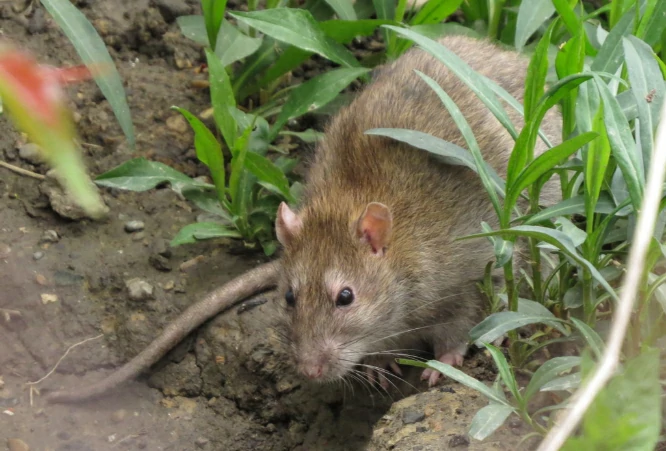
If you’ve ever held a pet rat, you’ve probably experienced this. You’re having a nice bonding moment with your furry friend, and suddenly you feel something small and firm drop onto your hand or clothes.
Your rat has pooped on you. This happens to almost everyone who owns rats, and while it can be frustrating, it’s actually completely normal behavior. So why do rats poop when you hold them?
Rats poop when you hold them because they can’t control their bowel movements very well and have very fast digestive systems. They also poop more when they’re nervous or excited. Unlike cats or dogs, rats haven’t evolved to hold their waste, so they go whenever they need to, even while being held.
This isn’t your rat being rude or trying to tell you something. It’s just how rat bodies work.
Understanding why this happens can help you prepare for it and handle your rats in ways that minimize the mess.
Rats Have Fast Digestive Systems
One of the main reasons rats poop so much is because their digestive system works incredibly fast. Food moves through a rat’s digestive tract much quicker than it does in humans or many other animals.
From the time a rat eats something to the time it comes out the other end can be as little as four to six hours. This means rats need to eliminate waste frequently throughout the day.

A healthy adult rat can poop anywhere from 40 to 50 times per day. That’s a lot of pooping, and it means your rat will probably need to go at some point while you’re holding it.
The fast digestive system helps rats process food efficiently and get nutrients quickly, which is important for their high metabolism and active lifestyle.
They Can’t Hold It Like Other Pets
Dogs and cats can be house-trained because they have the ability to hold their bowel movements until they’re in an appropriate place. Rats don’t have this same level of control.
Rats lack the strong sphincter muscles that allow other animals to “hold it” for extended periods. When waste is ready to come out, it comes out.
This also means there’s no warning period. Rats don’t get the same buildup feeling that allows animals like dogs to wait or signal that they need to go. By the time their body decides it’s time, it’s already happening.
This isn’t a training issue or a sign of poor behavior. It’s just how rat anatomy works. Even the most well-behaved, perfectly socialized pet rat will poop when it needs to.
You can litter train rats to use a specific area in their cage for most of their bathroom needs. But when they’re out playing or being held, they can’t always make it back to the litter box in time.
Stress and Nervousness Increase Pooping
When rats are nervous, scared, or stressed, they often poop more than usual. This is because stress affects their digestive system and can speed up the movement of waste through their intestines.
If you have a young rat or one that’s not used to being handled, it might poop more when you first pick it up. The rat isn’t trying to tell you to put it down, it’s just anxious about the situation.
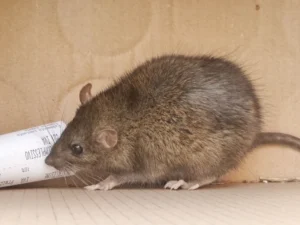
You might also notice this happens more in new environments. If you take your rat somewhere unfamiliar or introduce it to new people, the extra stimulation can make it more likely to poop.
This usually settles down once the rat feels safe again.
As rats become more comfortable with handling, they might poop less during these times. But they’ll still poop sometimes because they genuinely need to go.
Even confident, well-socialized rats might poop more when something unusual happens, like a vet visit, meeting new people, or being in an unfamiliar environment.
Excitement Also Triggers Pooping
It’s not just stress that makes rats poop more. Excitement can have the same effect. When rats get really happy and energetic, their bodies respond by speeding up various processes, including digestion.
If your rat is excited to see you and starts running around, jumping, or doing happy behaviors, it might poop more. This is especially common during playtime.
Some rats get so excited during free-roam time that they leave little poop trails everywhere they go. It’s not that they’re marking territory (though they might be doing that too with urine), they just can’t hold it while they’re having fun.
This is actually a sign your rat is happy and comfortable, even though it creates a mess for you to clean up.
In a way, it’s similar to how some animals get a burst of energy when they’re excited.
Their whole body speeds up a bit, and that includes digestion. The result is more frequent pooping during active moments.
Young Rats Poop More Than Adults
Baby and young rats tend to poop more frequently than adult rats. Their digestive systems are still developing, and they eat more relative to their body size because they’re growing.
Young rats also have less control over their bodily functions in general. As they mature, they might become slightly better at holding waste for short periods, though they’ll still poop frequently.

If you’re handling a young rat, expect even more pooping than you would with an adult. Keep paper towels nearby and accept that this is just part of raising baby rats.
The good news is that young rat poop is smaller than adult rat poop, so at least the individual droppings are less messy.
Diet Affects How Much They Poop
What you feed your rat can influence how often and how much it poops. Rats on high-fiber diets tend to poop more because fiber adds bulk to the stool and speeds up digestive transit time.
Fresh vegetables and fruits can also make rats poop more. These foods have high water content and move through the system quickly.
If you’ve just given your rat a treat before handling it, expect some pooping. The digestive system kicks into gear when new food enters, which can push existing waste out faster.
A diet that’s too rich or has sudden changes can cause digestive upset, leading to more frequent or softer pooping. Consistent, balanced nutrition can help regulate your rat’s bathroom habits somewhat.
Hydration also plays a role. Rats that drink more water will often produce softer and more frequent droppings.
This isn’t usually a problem, but it can make the mess a bit harder to clean compared to the usual dry pellets.
Some Rats Poop More Than Others
Just like people, individual rats have different bathroom habits. Some rats seem to poop constantly, while others go less frequently.
This can depend on factors like genetics, age, health, stress levels, and individual metabolism. If you have multiple rats, you might notice one is much messier than the others.
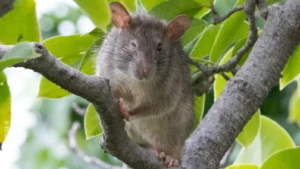
You might even notice patterns with specific rats. Some tend to go right after eating, while others seem to poop more during activity.
Once you get used to your rat’s habits, it becomes a bit easier to predict when it’s more likely to happen.
Male rats and female rats don’t have significant differences in pooping habits, though males tend to urine-mark more. The pooping is pretty equal between sexes.
Older rats might actually poop less than younger rats because their metabolism slows down. But they might also have less control due to age-related muscle weakness.
Health Issues That Cause More Pooping
While most rat pooping is normal, sometimes excessive pooping or changes in poop consistency can signal health problems. Diarrhea is a red flag and needs veterinary attention.
Parasites, bacterial infections, or digestive issues can cause rats to poop more than usual or produce abnormal droppings. If your rat’s poop suddenly looks different (too soft, discolored, or has blood in it), get it checked by a vet.
Some medications can also affect how much rats poop. Antibiotics in particular can mess with their digestive system and cause more frequent bowel movements.
If your rat is pooping way more than usual and also showing other symptoms like lethargy, loss of appetite, or weight loss, something might be wrong.
It’s Not About Territory Marking
Unlike urine, rat poop isn’t used for territory marking or communication. When your rat poops on you, it’s not trying to claim you or send a message.
Rats do use urine to mark territory and communicate with other rats, but poop is just waste. It doesn’t carry the same chemical signals that urine does.
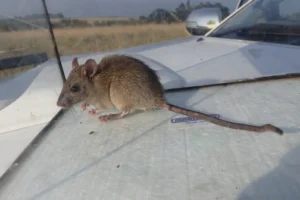
So when your rat poops on your hand, it’s not being possessive or trying to establish dominance. It literally just needed to poop and you happened to be holding it at the time.
This is good news because it means the pooping isn’t a behavioral issue you need to correct. It’s just a biological function you need to accept.
How to Minimize the Mess
You can’t stop your rat from pooping when you hold it, but you can minimize the mess. Let your rat use its litter box right before you take it out for playtime or handling.
Wear “rat clothes” that you don’t mind getting dirty. A dedicated hoodie or old t-shirt can protect your nicer clothing from poop and urine.
Keep paper towels or tissues nearby for quick cleanup. Rat poop is dry and firm, so it’s easy to brush off or pick up.
Some people use blankets or towels on their lap when holding rats. This creates a barrier between the rat and your clothes, and the blanket can be washed easily.
Shorter handling sessions mean less opportunity for your rat to poop on you. If you’re just bonding for a few minutes, the rat might not need to go during that time.
Letting Them Go Before Handling
One simple way to reduce accidents is to give your rat a minute or two in its cage before picking it up. Many rats will naturally poop shortly after waking up or moving around.
If you wait a bit and let them walk around first, there’s a good chance they’ll go before you start handling them. This doesn’t eliminate it completely, but it can reduce how often it happens.
The Poop Itself Is Pretty Clean
As far as animal poop goes, rat poop is relatively inoffensive. It’s small, dry, firm, and doesn’t usually smell much unless you stick your nose right up to it.
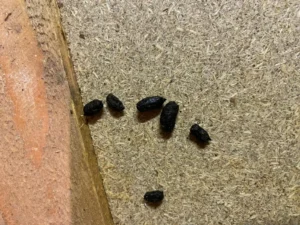
Rat poop is shaped like tiny grains of rice, usually dark brown or black. Healthy rat poop shouldn’t be mushy or leave stains.
Still, it can carry bacteria, so you should wash your hands after handling rats or cleaning up their poop. Basic hygiene is important with any pet.
The poop is easy to clean up from hard surfaces. On fabric, it usually brushes off easily unless it’s been sitting there for a while.
Getting Used to It
If you’re new to rat ownership, the constant pooping can be off-putting at first. But most rat owners get used to it pretty quickly.
You start to see it as just part of the experience, like how cat owners accept hairballs or dog owners deal with drool. Every pet has its quirks.
The joy and companionship you get from your rats far outweighs the minor inconvenience of having to clean up poop occasionally. Rats are affectionate, intelligent, playful pets.
Over time, you’ll develop routines and habits that make dealing with rat poop almost automatic. You won’t even think about it anymore.
Conclusion
Rats poop when you hold them because they have fast digestive systems, can’t control their bowel movements well, and eliminate waste frequently throughout the day. This happens more when they’re nervous or excited, but even calm, comfortable rats will poop while being held.
This is completely normal behavior that you can’t train away. It’s just how rat bodies work. The best approach is to accept it, prepare for it, and focus on enjoying your time with your rats.
With the right mindset and some simple precautions like keeping paper towels nearby and wearing washable clothes, rat pooping becomes a minor part of pet ownership rather than a major frustration.

Hi, my name is Ezra Mushala, i have been interested animals all my life. I am the main author and editor here at snakeinformer.com.