
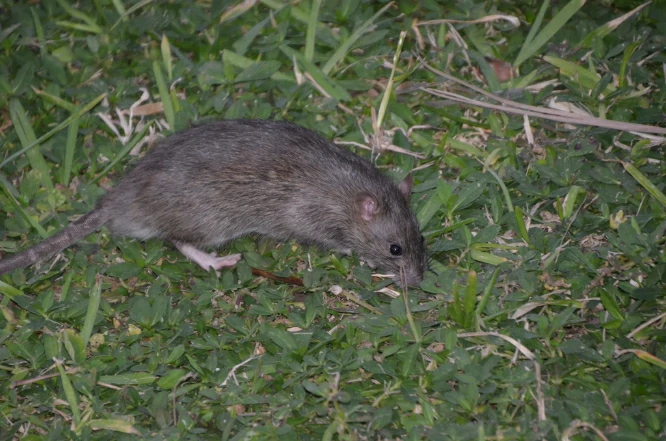
If you’ve ever had rats, whether as pets or as unwanted visitors, you’ve probably noticed one thing immediately: they poop constantly. Rat droppings seem to appear everywhere, all the time. You might clean up droppings and find new ones just hours later. So why do rats poop so much?
Rats poop so much because they have extremely fast metabolisms and short digestive systems. Food moves through their bodies quickly, which means they need to eliminate waste frequently. A single rat can produce 40 to 50 droppings per day, and they don’t control when or where they go. Rats basically poop while they walk, eat, sleep, and do everything else.
This constant pooping isn’t a sign of illness or bad behavior. It’s just how rat biology works. Their small bodies process food quickly to fuel their high energy levels, and the waste has to go somewhere. The result is a lot of droppings in a lot of places.
How Rat Digestive Systems Work
To understand why rats poop so much, you need to understand how their digestive system is built.
Rats have relatively short digestive tracts compared to many other animals. The entire journey from mouth to the other end is only about 12 to 24 hours for most food.
For comparison, food takes 24 to 72 hours to pass through a human digestive system. Rats process everything much faster.
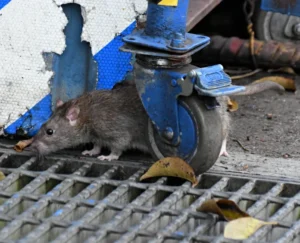
This fast processing means rats are constantly moving food through their system. As soon as new food goes in, waste is coming out the other end.
Rats also have high metabolic rates. They burn energy quickly, which means they need to eat frequently. More food going in means more waste coming out.
Their small body size plays a role too. A rat’s entire digestive system is tiny, so it can’t hold much at once. Small amounts of food move through quickly and produce frequent small droppings.
Rats don’t have the ability to “hold it” like humans and some other animals can. When waste reaches the end of their digestive tract, it comes out immediately.
How Much Do Rats Actually Poop?
The numbers might surprise you. Rats are incredibly prolific poopers.
A single adult rat produces 40 to 50 droppings every single day. That’s an average, so some rats might produce more and others slightly less.
If you have multiple rats (and wild rats usually live in groups), multiply that number. Five rats means 200 to 250 droppings per day. Ten rats means 400 to 500 droppings daily.
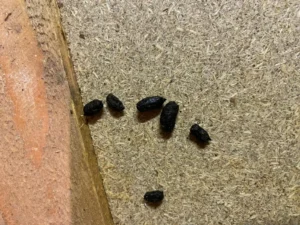
Over a week, one rat produces 280 to 350 droppings. Over a month, that’s roughly 1,200 to 1,500 droppings from just one rat.
Each dropping is small, usually about 1/2 inch to 3/4 inch long and shaped like a pellet. But when you add them all up, that’s a lot of rat poop.
The droppings are scattered everywhere the rats go. Since rats don’t use specific bathroom areas, their droppings end up along their travel routes, in their nesting areas, near food sources, and basically everywhere.
Why Rats Don’t Use Bathroom Areas
Unlike cats, dogs, or some other animals that can be trained to use specific bathroom spots, rats just go wherever they are.
Rats lack the physiological control to hold their waste for any length of time. When they need to go, it happens immediately.
In the wild, spreading droppings around actually serves a purpose. It marks territory and leaves scent trails that help rats navigate their environment.
Pet rats can sometimes be partially litter trained, but even trained rats will still poop outside their litter box frequently. It’s not misbehavior; they just can’t always make it to the box in time.
The small size of each dropping means it doesn’t require much effort or attention from the rat. They can drop a pellet while running, eating, or sleeping without breaking stride.
This lack of control is actually an advantage in the wild. Rats don’t waste time or energy looking for bathroom spots. They can stay focused on finding food and avoiding predators.
The Relationship Between Eating and Pooping
Rats eat frequently throughout the day, and this directly affects how much they poop.
A rat typically eats 5 to 10% of its body weight daily. For a rat weighing 300 grams (about 10.5 ounces), that’s 15 to 30 grams of food each day.
They don’t eat all at once. Rats snack throughout the day and night, taking small meals frequently. This constant food intake leads to constant waste production.
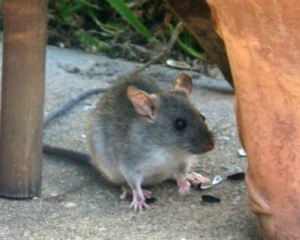
The type of food affects pooping too. Foods high in fiber produce more droppings. Foods that are more fully digested produce less waste, but rats eat such a variety of things that their droppings are pretty consistent.
Fresh foods with high water content can make droppings softer or more frequent temporarily. Dry foods like grains produce typical dry pellet droppings.
If you notice a sudden change in your pet rat’s pooping habits, it’s worth checking what they’ve been eating. But in general, lots of eating equals lots of pooping.
Young Rats vs. Adult Rats
Baby rats (called pups) have different pooping patterns than adults, though they still poop a lot.
Very young pups can’t poop on their own at first. Mother rats lick their babies’ genital areas to stimulate them to urinate and defecate. Without this stimulation, waste doesn’t come out.
Once pups are a few weeks old, they start pooping independently. As they grow and eat more food, their pooping frequency increases.
Young rats that are actively growing might actually produce more droppings than adults relative to their body size. They’re eating a lot to fuel their growth, so there’s more waste.
Adult rats settle into the typical pattern of 40 to 50 droppings per day. Very old rats might poop slightly less as their metabolism slows down, but the difference isn’t huge.
If you’re raising baby rats or caring for a pregnant/nursing mother rat, expect even more droppings than usual during those periods.
Health Problems That Affect Pooping
While frequent pooping is normal for rats, changes in dropping appearance, consistency, or frequency can indicate health problems.
Diarrhea in rats means soft, mushy, or wet droppings instead of the normal firm pellets. This can be caused by infections, dietary problems, or stress.
Constipation is less common but can happen. If you notice your rat straining to poop or producing very small, hard droppings infrequently, this could be a problem.
Blood in droppings is always concerning. If you see red or black droppings, or notice blood on the outside of normal droppings, get veterinary help.
Unusual colors can indicate problems. Very pale droppings might mean liver issues. Bright green droppings could be from certain foods but might also indicate intestinal problems.
If your rat suddenly stops pooping or produces way fewer droppings than usual, this is an emergency. It could indicate a blockage or serious illness.
Changes in dropping size or shape can also be meaningful. Consistently abnormal droppings should be checked by a vet who understands rat health.
Where Rats Poop Most
Since rats poop while doing everything, their droppings show up in predictable places.
Along travel routes is where you’ll find the most droppings. Rats use the same paths repeatedly, and they drop pellets as they walk. Look along walls, baseboards, and anywhere rats move regularly.
Near food sources, droppings pile up fast. Rats often poop while eating, so anywhere they feed will have lots of droppings around it.
Nesting areas are full of droppings. Rats spend a lot of time in their nests sleeping and resting, and they’re constantly pooping, so nests accumulate waste quickly.

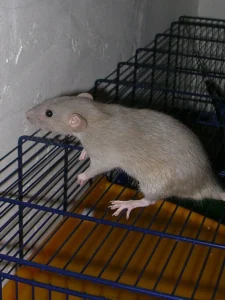
In pet rat cages, you’ll find droppings literally everywhere. The cage floor, hammocks, shelves, inside hideouts, and even in food dishes can all have droppings.
Hidden spaces like inside walls, under appliances, or in attics will have droppings if rats are living there. Finding droppings in unusual spots often indicates rats have accessed areas you didn’t know about.
The droppings tell you where rats are spending their time. Following the dropping trail can help you figure out how rats are moving through a building.
Pet Rats and Litter Training
Many pet rat owners try to litter train their rats to reduce the mess. This can work to some degree, but expectations need to be realistic.
Some rats will naturally use one corner of their cage more than others for bathroom purposes. You can encourage this by placing a litter box in that corner.
Rats often poop and pee when they first wake up. If you notice your rat always goes in a certain spot after sleeping, put the litter box there.
Positive reinforcement can help. When you see your rat using the litter box, give them a treat or praise. This encourages the behavior.
However, even well-trained rats will only use the litter box maybe 70 to 80% of the time at best. They’ll still poop all over the cage for the remaining 20 to 30%.
Some rats never take to litter training at all. This isn’t stubbornness; they just don’t have the physical control to make it work consistently.
The goal with pet rats shouldn’t be eliminating cage cleaning, but rather reducing it slightly. You’ll still need to clean regularly regardless of litter training.
The Smell Factor
With all that pooping, you might expect rat areas to smell terrible. The reality is a bit more complicated.
Fresh rat droppings actually don’t smell much. The pellets are dry and don’t have a strong odor when they’re new.
The smell comes more from rat urine than from droppings. Rat pee has a strong, musky smell that many people find unpleasant.
Old accumulated droppings can start to smell, especially if they get wet or if there are lots of them in a confined space.
For pet rats, regular cage cleaning keeps smell under control. If you clean the cage thoroughly once or twice a week, the smell shouldn’t be too bad.
Wild rat infestations smell terrible not because of droppings alone, but because of the combination of droppings, urine, nesting materials, rotting food, and sometimes dead rats.
Good ventilation helps a lot. Rat areas that are enclosed and poorly ventilated will smell worse than areas with good air circulation.
Disease Risks from Rat Droppings
Rat droppings can carry diseases, which is one reason why frequent pooping creates health concerns.
Hantavirus is a serious disease that can be transmitted through rat droppings. When dried droppings are disturbed, virus particles can become airborne and be inhaled.
Leptospirosis bacteria can be present in rat droppings and urine. This disease can cause serious illness in humans, especially if droppings contaminate water or food.
Salmonella is often found in rat droppings. Touching contaminated surfaces and then touching your face or food can lead to infection.

Rat-bite fever can be transmitted not just through bites but also through contact with rat waste. The bacteria can survive in droppings for some time.
Allergies to rat droppings are common. The proteins in rat waste can trigger allergic reactions, especially with repeated exposure.
For these reasons, always wear gloves and masks when cleaning up rat droppings, especially large amounts. Don’t sweep or vacuum dried droppings, as this makes particles airborne.
Cleaning Up Rat Droppings
With rats pooping so frequently, cleaning becomes a regular task whether you have pet rats or a wild rat problem.
For pet rats, spot cleaning daily helps. Remove visible droppings from the cage floor, hammocks, and other surfaces every day.
Full cage cleanings should happen weekly or twice weekly. Remove all bedding, wipe down all surfaces, and replace everything with fresh materials.
For wild rat droppings, wear protective gear first. Gloves, a mask, and even eye protection are good ideas when dealing with potentially disease-carrying waste.
Spray droppings with disinfectant before cleaning them up. This prevents particles from becoming airborne when you disturb them.
Use paper towels or rags to pick up droppings, then seal them in plastic bags before disposing. Don’t leave contaminated materials in open trash.
Disinfect the area thoroughly after removing droppings. A bleach solution (1 part bleach to 10 parts water) works well for killing bacteria and viruses.
Wash your hands thoroughly after handling rat droppings, even if you wore gloves. This is a critical step that shouldn’t be skipped.
How Rat Pooping Helps Identify Infestations
For people dealing with potential rat problems, droppings are often the first clear sign of an infestation.
Finding fresh droppings tells you rats are currently active in that area. Fresh droppings are dark, moist, and somewhat soft. Old droppings are dry, gray, and crumbly.
The number of droppings gives you a sense of how many rats you might have. A few scattered droppings might mean one rat passing through. Piles of droppings indicate regular rat activity or nesting.
The location of droppings shows you where rats are traveling and spending time. This information helps you place traps or determine where rats are entering.
The size and shape of droppings can even tell you what kind of rodent you have. Rat droppings are larger and blunter than mouse droppings.
Monitoring droppings over time helps you know if your control efforts are working. If you’re still finding fresh droppings after setting traps or using exclusion methods, the problem isn’t solved yet.
Conclusion
Rats poop so much because of their biology. They have fast metabolisms, short digestive tracts, and no ability to control when they eliminate waste. This results in 40 to 50 droppings per day from a single rat, scattered wherever that rat goes.
This frequent pooping isn’t a sign of health problems or bad behavior. It’s just how rats are built. Their small bodies process food quickly, and waste comes out just as quickly.
If you have pet rats, accepting this reality and establishing good cleaning routines is the best approach. Spot clean daily and do thorough cleanings weekly to keep up with the constant droppings.
If you’re dealing with wild rats, the massive amount of droppings they produce is actually helpful. It shows you where rats are active and helps you track the extent of the problem.
Understanding why rats poop so much doesn’t make it less annoying, but it does explain that this behavior is normal, natural, and impossible to change. Whether you love rats or hate them, their pooping habits are just part of the package.

Hi, my name is Ezra Mushala, i have been interested animals all my life. I am the main author and editor here at snakeinformer.com.