
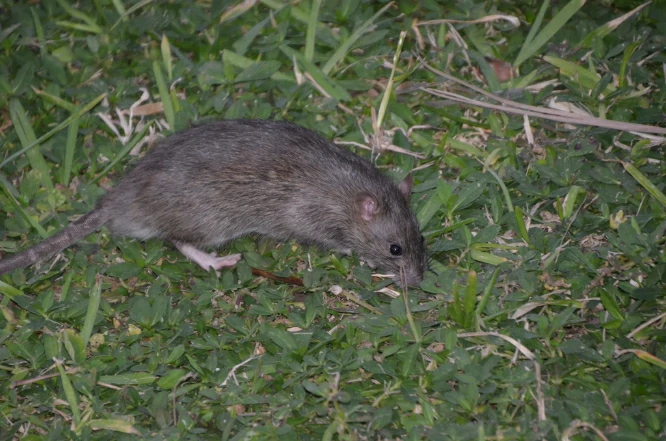
If you’ve ever owned pet rats or dealt with a rat problem in your home, you might’ve noticed something interesting: rats tend to poop in the same spot over and over again. While they pee everywhere, their pooping habits are actually pretty organized.
So why do rats poop in the same spot?
Rats poop in the same spot because they’re naturally clean animals that don’t want waste contaminating their living areas. They establish latrine areas away from where they sleep and eat, which helps keep their nest clean and reduces disease risk.
This behavior is instinctive and shows up in both wild rats and pet rats. Even young rats that have never been trained will naturally start using specific spots for their bathroom needs.
Understanding why rats do this can actually help you with litter training pet rats or figuring out where wild rats are living if you have an infestation.
Rats Are Surprisingly Clean Animals
Most people think of rats as dirty creatures because they live in sewers and garbage. But rats themselves are actually really clean and spend several hours each day grooming.
Wild rats groom just as much as pet rats do. They wash their faces, clean their tails, and carefully maintain their fur. A healthy rat is a clean rat, and they work hard to keep it that way.
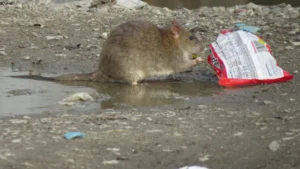
This cleanliness extends to their bathroom habits. Rats don’t want to live in their own waste, so they instinctively choose specific areas for pooping that are away from their nest.
In the wild, rats will designate latrine areas that are separate from their sleeping chambers and food storage areas. This separation helps prevent diseases and parasites from spreading through the colony.
Pet rats show the same behavior. Even in a cage, they’ll usually pick one or two corners to use as bathrooms and avoid pooping in their sleeping areas or near their food bowls.
This cleanliness is one reason why rats can be litter trained much more easily than many other small pets. They already want to poop in specific spots, so you’re just working with their natural instincts.
Territory Marking With Feces
While rats mainly use urine for territory marking, they also use feces to send messages to other rats. The droppings contain chemical signals that other rats can detect.
Rats will often leave droppings in strategic locations along territorial boundaries. These poop piles tell other rats “this area is occupied” and can help prevent conflicts between colonies.
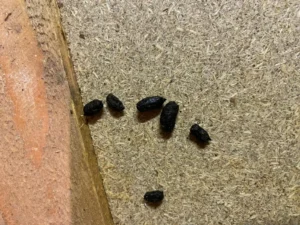
Fresh droppings smell stronger than old ones, and rats can tell the difference. If a rat finds really old droppings in an area, it knows that territory might be abandoned and available.
Male rats especially use feces for marking during mating season. They’ll leave droppings in areas where females travel to advertise their presence.
However, unlike urine marking (which happens constantly), rats are more selective about where they poop. They’ll mark with feces in important areas but still maintain their main latrine spots for regular bathroom use.
The dual purpose of feces (both waste elimination and communication) is part of why rats are so particular about where they poop.
Latrine Behavior in Wild Rats
In natural environments, rat colonies establish communal latrine areas that multiple rats use. These shared bathrooms are usually located away from the main nest but still within the colony’s territory.
Wild rats living in burrow systems will create specific chambers or areas designated for waste. These latrine chambers are typically at the edges of the burrow system rather than near the sleeping chambers.

The location of latrine areas isn’t random. Rats choose spots that are relatively safe from predators but still convenient to reach. They prefer areas with some cover overhead rather than completely exposed locations.
In urban environments like sewers or buildings, rats will pick corners, along walls, or other out-of-the-way spots for their latrines. You can often track rat activity by finding these concentrated poop areas.
Multiple rats from the same colony will use the same latrine spots. This communal behavior might seem weird, but it actually makes sense from a cleanliness standpoint (better to have waste concentrated in a few spots than scattered everywhere).
When a colony gets too large or resources become scarce, rats might establish new latrine areas or split into sub-groups with their own territories and bathroom spots.
How Pet Rats Choose Their Bathroom Spots
Pet rats kept in cages will naturally select one or two corners to use as bathrooms. This happens even without any training from humans.
Rats tend to prefer corners because they feel more secure there. The walls on two sides provide some sense of protection while they’re in a vulnerable position.
They also prefer spots that are away from their sleeping area and food. If you watch where a rat sleeps most often, you’ll notice they rarely poop in that same spot.
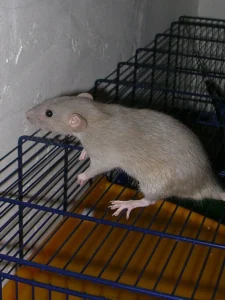
Some rats are more consistent about this than others. Young rats might poop randomly at first but usually develop better habits as they mature.
If you have multiple rats in one cage, they’ll typically all use the same bathroom spots. This shared latrine behavior is the same instinct that wild rats follow.
The type of bedding or flooring can influence where rats choose to poop. They often prefer areas with different textures or materials, which is why litter boxes with different substrate work well for training.
Litter Training Success Rates
Because rats naturally want to poop in the same spot, you can take advantage of this instinct to litter train them. The success rate is actually pretty high.
Most rats can be at least partially litter trained. Some rats become 90-95% reliable about pooping in their litter box, while others might only use it 50-60% of the time.
Males tend to be slightly harder to litter train than females because they mark more with urine, but both sexes will poop in designated spots if you work with their natural preferences.
The key to litter training is figuring out where your rat already wants to go, then putting a litter box in that spot. Fighting against their chosen location usually doesn’t work well.
Young rats (under 4 months) are easier to train than older rats who have already established strong habits. But even adult rats can learn to use a litter box with patience.
Some rats are just more particular about cleanliness than others. You might have one rat that’s perfect about using the litter box and another that’s sloppier, even though they’re from the same litter.
Why Some Rats Poop Outside Their Main Spot
Even though rats prefer to poop in the same spot, you’ll still find occasional droppings in other areas. This isn’t necessarily a problem.
Rats sometimes mark new areas with a few droppings when they’re exploring or when they’re nervous. These aren’t bathroom trips but rather territorial marks.
If a rat can’t get to its usual bathroom spot (maybe another rat is blocking the way or it’s sleeping far from the latrine), it might poop elsewhere rather than holding it uncomfortably long.

Stress or illness can mess up bathroom habits. A stressed rat might poop more randomly, and a sick rat might lose control of its bowels.
Very young rats (under 8 weeks) haven’t fully developed their bathroom habits yet and will poop more randomly. This is normal and improves with age.
During play time outside the cage, rats often poop as they explore. This is partly marking behavior and partly because they’re away from their established bathroom spots.
Health Benefits of Concentrated Waste Areas
From a biological standpoint, having concentrated waste areas (instead of pooping everywhere) provides real health advantages for rats.
Keeping waste away from sleeping and eating areas reduces the rat’s exposure to harmful bacteria and parasites that grow in feces. Even though rats have pretty strong immune systems, this separation still helps.
In rat colonies, communal latrines help prevent disease spread. If rats pooped randomly throughout their living space, the whole area would become contaminated and disease would spread faster.
The concentration of waste also helps with parasite management. Many rat parasites have life cycles that involve eggs in feces. By keeping feces in specific areas, rats avoid constant re-infection.
For pet rats, this instinct helps keep their cage cleaner overall. Even without litter boxes, rats will naturally keep most waste in a few spots, making spot-cleaning easier.
The behavior probably evolved because rats that kept cleaner living spaces had better survival rates and produced healthier offspring.
Differences Between Rat Species
The Norway rat (the most common wild rat in cities) and the roof rat (common in warmer climates) both show this same spot-pooping behavior, though there are slight differences.
Norway rats tend to be more ground-dwelling and create latrines in corners or along walls at ground level. They prefer locations with solid surfaces overhead.
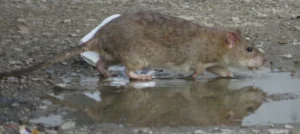
Roof rats (also called black rats) are more arboreal and might establish latrine areas on beams, in trees, or on elevated surfaces. They’re less particular about having cover overhead.

Both species will use the same latrine spots repeatedly, creating visible accumulations of droppings. In infestations, these poop piles can contain hundreds of droppings.
Domestic rats (bred as pets) show the same instincts as their wild cousins, but selective breeding might have made some lines slightly more or less particular about bathroom habits.
The basic behavior is consistent across all rat species because it provides survival advantages regardless of the specific environment.
Using Poop Spots to Track Rat Problems
If you’re dealing with a rat infestation, finding their bathroom spots can tell you a lot about where they’re living and how many rats you’re dealing with.
Concentrated piles of droppings indicate high-traffic areas or locations near nests. Rats won’t poop far from where they feel safe.
Fresh droppings (dark, shiny, and soft) mean rats are currently active in that area. Old droppings (dry, gray, and crumbly) tell you rats were there but might have moved on.
The size and quantity of droppings can give you a rough idea of population size. More droppings mean either more rats or a longer infestation.
Finding multiple latrine areas in a building suggests you have either a large colony or multiple separate groups of rats. Each group tends to establish its own bathroom spots.
The location of latrines also hints at travel routes. Rats often poop along their regular pathways, so following the trail can show you how they’re moving through a space.
Environmental Factors That Influence Location
Several environmental factors affect where rats choose to establish their bathroom spots.
Safety is the top priority. Rats prefer latrine areas that are somewhat hidden or protected. They won’t choose spots where they feel exposed to predators.
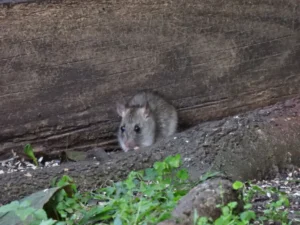
Proximity to the nest matters. Rats want bathroom spots close enough to be convenient but far enough to keep waste away from living areas. Usually this means 3 to 10 feet from the nest.
Surface texture plays a role. Rats often prefer certain types of surfaces for pooping. In cages, they might choose the corner with paper bedding over the corner with fleece.
Ventilation matters more than you’d think. Rats prefer areas with some air movement because it reduces smell buildup. Completely enclosed spaces with no airflow are less popular for latrines.
The presence of water can influence location too. Rats generally avoid pooping directly next to water sources, though they’ll poop nearby.
In multi-level environments (like cages with platforms), rats often establish latrines on lower levels rather than upper ones.
Comparing Rats to Other Small Pets
Rats are unusual among small pets in how trainable their bathroom habits are. Let’s compare them to similar animals.
Hamsters tend to pick one corner of their cage for bathroom use, similar to rats. However, they’re less consistent and harder to litter train.

Mice scatter their droppings much more randomly than rats. While they might have preferred spots, they’ll poop while running around without much concern for location.
Guinea pigs poop constantly and everywhere with no particular pattern. They’re essentially impossible to litter train.
Rabbits can be litter trained very successfully, often even better than rats. They naturally choose bathroom spots and are quite particular about cleanliness.
Gerbils, like mice, tend to be random poopers. They’ll poop while active and don’t establish clear latrine areas as consistently as rats.
The rat’s combination of cleanliness, intelligence, and natural latrine behavior makes them one of the easiest small pets to litter train.
What This Means for Rat Owners
If you keep pet rats, understanding their bathroom behavior can make your life much easier and keep your rats healthier.
Work with their instincts instead of against them. Watch where your rats naturally choose to poop, then put litter boxes in those spots.
Clean litter boxes regularly (every 2 to 3 days minimum). Rats are more likely to use litter boxes that are clean. If the box gets too dirty, they might start going elsewhere.
Use different bedding in the litter box than in the rest of the cage. This helps rats distinguish the bathroom area from other spaces.
Don’t punish rats for pooping outside the box. They’re not doing it out of spite, and punishment will just stress them out and make the problem worse.
Praise and reward rats when they use the litter box correctly. Small treats given right after they use the box can reinforce the behavior.
Be patient with the process. Even rats that are mostly litter trained will have occasional accidents.
Conclusion
Rats poop in the same spot because they’re naturally clean animals that want to keep waste separate from their living and eating areas. This behavior provides health benefits by reducing exposure to bacteria and parasites.
The instinct to establish latrine areas is hardwired into rat behavior and shows up in both wild and domestic rats. It’s one reason why rats can be litter trained more easily than many other small pets.
If you have pet rats, you can use this natural behavior to your advantage by providing litter boxes in the spots they already prefer. If you’re dealing with wild rats, finding their bathroom spots can help you locate nests and understand the extent of your rat problem.
Either way, this particular bathroom habit is actually one of the cleaner and more organized things about rats.

Hi, my name is Ezra Mushala, i have been interested animals all my life. I am the main author and editor here at snakeinformer.com.