
Rats are known for being clever, adaptable creatures that can survive in almost any environment. But one of their more unusual behaviors can be startling if you’ve never seen it before.
Sometimes, when faced with danger or extreme stress, a rat will suddenly freeze, fall over, and appear completely lifeless. This behavior is called playing dead, or thanatosis. So why do rats play dead?
Rats play dead as a last-resort survival strategy when they’re extremely stressed, frightened, or feel like they have no way to escape. This is an involuntary response triggered by overwhelming fear, not a conscious decision. The rat’s body essentially shuts down temporarily to avoid further harm.
Playing dead isn’t something rats do often or casually. It’s a defense mechanism that kicks in during life-threatening situations when running away or fighting back aren’t options.
Understanding this behavior can help you recognize when your rat is in serious distress and needs help.
It’s a Survival Instinct
Playing dead is a survival strategy that many prey animals use. The scientific term for this is thanatosis, which comes from the Greek word for death.
When a predator catches a rat, the predator usually expects a struggle. If the rat suddenly goes completely limp and appears dead, it can confuse the predator and cause it to lose interest.
Some predators prefer to hunt live prey and won’t eat something that’s already dead. Others might loosen their grip to reposition for a better hold, giving the rat a split-second chance to escape.
This defense mechanism is hardwired into rats. They don’t think about doing it, it just happens automatically when their brain perceives extreme danger.
Extreme Stress Triggers the Response
Rats don’t play dead unless they’re absolutely terrified. This is a last-ditch response when all other defense mechanisms have failed.
Before playing dead, a rat will usually try to run away first. If escape isn’t possible, it might try to hide or freeze in place hoping to go unnoticed.
If none of these strategies work and the rat feels completely trapped, its body may trigger the playing dead response. The rat basically goes into a state of shock.
In pet rats, this is extremely rare and usually only happens if they’ve been severely stressed or traumatized. A healthy, well-socialized pet rat shouldn’t play dead during normal handling.
Even smaller stressors can build up over time. Things like strong smells, sudden shadows, or being handled in a way the rat isn’t used to can make it more on edge.
Most of the time this won’t lead to playing dead, but it can make the rat more sensitive if something bigger happens.
What Happens When a Rat Plays Dead
When a rat plays dead, it’s not just lying still. The entire body shuts down in a very specific way. The rat becomes completely limp and unresponsive.
Its breathing becomes very shallow and slow, almost undetectable. The heart rate drops significantly, and the rat won’t react to touch or sound.
The rat’s eyes might stay open, staring blankly. There’s no muscle tension at all, the rat feels like a rag doll if you pick it up.
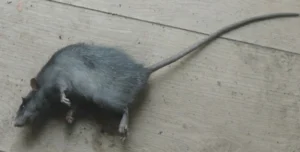
This state can last anywhere from a few seconds to several minutes, depending on how threatened the rat feels. The rat will only “come back to life” when it senses the danger has passed.
In some cases, the rat might also release a small amount of urine or droppings while in this state. This is part of the body’s stress response and isn’t something the rat can control.
It can look alarming, but it’s just another sign of how overwhelmed the rat is in that moment.
It’s Not the Same as Freezing
Rats also freeze when they’re scared, but freezing and playing dead are different behaviors. When a rat freezes, it stays completely still but remains alert and aware.
A frozen rat is tense and ready to bolt at any second. Its eyes are open and moving, tracking potential threats in its environment.
Playing dead is much more extreme. The rat isn’t just staying still, its body has actually shut down most of its normal functions.
You can usually tell the difference by gently touching the rat. A frozen rat will react and might run away. A rat playing dead won’t respond at all.
It Can Happen During Medical Procedures
Some pet rats play dead when they’re at the vet, especially during stressful procedures like blood draws or examinations. The unfamiliar environment, strange smells, and handling by strangers can trigger extreme fear.
If this happens, the vet needs to work quickly while the rat is immobile, or wait for the rat to recover before continuing. Forcing a rat to stay in this state longer than necessary can be dangerous.

Some rats are more prone to this response than others. Rats that haven’t been well-socialized or have had previous traumatic experiences are more likely to play dead in stressful situations.
If your rat has this response during a vet visit, let the vet know. They can adjust their handling techniques or use calming medications for future visits.
Wild Rats vs Pet Rats
Wild rats are more likely to play dead than pet rats because they face real predators and life-threatening situations regularly. For them, this behavior can actually save their lives.
Wild rats deal with constant threats, so their reactions are often faster and more extreme. They don’t get time to think through situations the way a pet rat might.
Everything happens quickly, and responses like this are triggered automatically based on instinct.
Pet rats living in safe, comfortable homes rarely have reason to play dead. If a pet rat does this, it means something has gone seriously wrong.
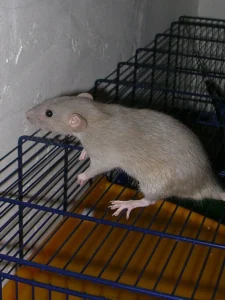
Possible triggers for pet rats include rough handling, attacks from other pets, sudden loud noises, or being dropped or injured. Any situation where the rat feels its life is in immediate danger could trigger the response.
A well-cared-for pet rat that’s been properly socialized should never play dead during normal interaction with its owner. If this happens, you need to figure out what went wrong and avoid repeating that situation.
Health Problems Can Look Similar
Sometimes what looks like playing dead is actually a medical emergency. Rats can have seizures, strokes, or heart problems that cause them to suddenly collapse and become unresponsive.
Respiratory distress can also cause a rat to become limp and unresponsive. If a rat isn’t getting enough oxygen, it might appear to be playing dead when it’s actually suffocating.
The key difference is that playing dead is temporary and the rat will recover once the threat is gone. A rat with a medical emergency won’t recover on its own.
If your rat suddenly collapses and doesn’t wake up within a minute or two, treat it as a medical emergency and get to a vet immediately.
What to Do If Your Rat Plays Dead
If your rat plays dead, the first thing to do is remove whatever caused the stress. Put the rat back in its cage, remove other pets from the room, or eliminate whatever triggered the fear response.

Stay calm and quiet. Speaking softly or making sudden movements might keep the rat in the stressed state longer.
Give the rat time to recover. Don’t poke at it or try to force it to wake up. The rat will come out of the state when it feels safe.
Once the rat recovers, let it rest. Don’t immediately try to handle it again. The rat has just been through an extremely stressful experience and needs time to calm down.
Letting the Rat Fully Recover
After the rat starts moving again, it’s important to give it space. Even though it looks normal, it may still feel shaken and unsure.
Let it stay somewhere quiet and familiar without handling it right away.
Once it’s fully calm again, it will return to its usual behavior on its own.
Long-Term Effects of Playing Dead
Playing dead is incredibly stressful for a rat’s body. The dramatic drop in heart rate and breathing can be dangerous, especially for older rats or rats with health problems.
Repeated episodes can cause long-term stress and anxiety issues. A rat that has played dead multiple times might become more fearful and anxious in general.
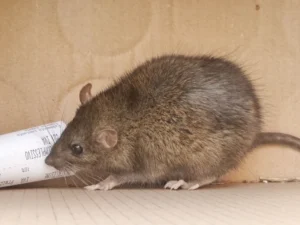
This is why it’s so important to figure out what triggered the response and make sure it doesn’t happen again. Your rat shouldn’t have to go through this kind of extreme stress.
If your rat plays dead frequently, something in its environment is seriously wrong. You might need to change how you handle the rat, separate it from aggressive cage mates, or reduce stress factors in its living space.
Individual Rats React Differently
Not every rat responds to fear in the same way. Some will always try to run first, while others freeze or hide.
A few are more prone to shutting down completely if they feel overwhelmed. This can depend on their personality, how they were raised, and past experiences.
Rats that haven’t been handled much or had a rough start in life are more likely to react strongly to stress. More confident rats usually rely on escape or hiding instead.
Preventing the Behavior
The best way to prevent your rat from playing dead is to make sure it never feels that threatened in the first place. Handle your rat gently and respect its boundaries.
Socialize young rats early so they become comfortable with human handling. Rats that trust their owners are much less likely to experience this level of fear.
Keep your rat’s environment calm and predictable. Sudden changes, loud noises, or aggressive pets can all trigger extreme stress responses.
If you have multiple rats, watch for bullying. A rat being constantly attacked by cage mates might play dead during these encounters.
Keeping the Environment Predictable
Rats do best in environments that don’t change too suddenly. Keeping things consistent helps them feel safe and reduces the chance of extreme stress.
Try to avoid sudden loud noises, rough handling, or introducing new things too quickly. When changes do happen, letting the rat adjust slowly can make a big difference in how it reacts.
Other Defense Mechanisms Rats Use First
Before playing dead, rats have several other defense strategies they’ll try. Running away is always the first choice. Rats are fast and can squeeze through tiny spaces to escape.
If running isn’t possible, they’ll try to hide. Rats feel safest in enclosed, dark spaces where predators can’t see them.
Some rats will try to scare off threats by standing tall, puffing up their fur, and chattering their teeth. This makes them look bigger and more dangerous.

As a last resort before playing dead, some rats will fight back. They’ll bite, scratch, and struggle as hard as they can.
Playing dead only happens when literally every other option has failed and the rat believes it’s about to die.
Warning Signs Before It Happens
In some cases, you might notice small changes right before a rat plays dead. The rat might suddenly stop moving, go very still, or breathe faster than usual.
Its body can become stiff for a moment before going completely limp.
These signs don’t always happen, but when they do, they can give you a chance to reduce the stress before things get worse.
Conclusion
Rats play dead as an extreme, last-resort defense mechanism when they’re terrified and feel completely trapped. This involuntary response causes the rat’s body to shut down temporarily in hopes of confusing a predator or escaping harm.
Pet rats rarely play dead unless they’ve experienced severe trauma or stress. If your rat does this, it’s a sign that something has gone seriously wrong and needs to be addressed immediately.
Understanding this behavior can help you create a safe, low-stress environment for your rats where they never feel threatened enough to trigger this response. A happy, well-cared-for rat should never have to play dead.

Hi, my name is Ezra Mushala, i have been interested animals all my life. I am the main author and editor here at snakeinformer.com.