
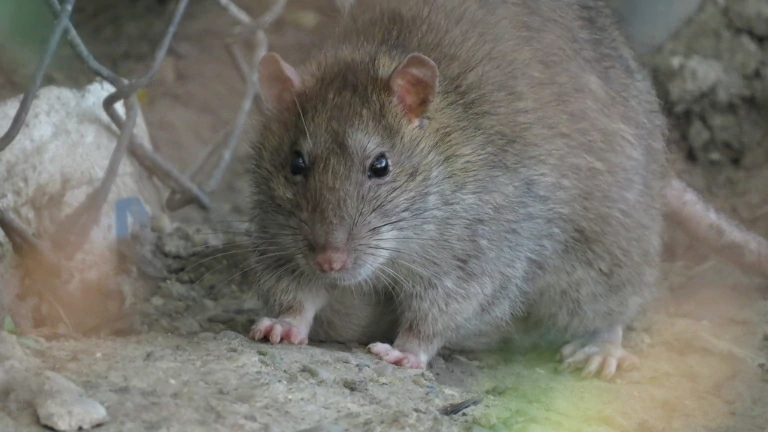
You’re holding a rat, whether it’s a pet or one you’ve just caught, and suddenly you feel warm wetness. The rat just peed on you.
It’s gross and frustrating, especially if it happens every time you handle them. This behavior seems deliberate, but is it? So why do rats pee on you?
Rats pee on you for several reasons: they’re marking you with their scent to claim you as part of their territory, they’re nervous or scared, they have weak bladder control and can’t hold it, or they’re excited. Pet rats especially use urine to mark things they consider “theirs,” including their favorite humans.
Understanding why rats do this helps you deal with it better and maybe even reduce how often it happens.
Rats Use Urine to Talk to Each Other
The first thing you need to know is that rat urine isn’t just waste. It’s one of the main ways rats communicate with each other and interact with their environment.
Rat urine contains pheromones and other chemical signals. These chemicals tell other rats all kinds of information about the rat that left the urine.

Other rats can smell the urine and learn things like which rat left it, how long ago it was left, whether that rat is male or female, the rat’s health status, whether a female is ready to mate, and whether the rat is dominant or subordinate in the colony.
This scent communication is natural and instinctive. Rats have been doing it for millions of years. They’re not going to stop just because they’re pets or because you’d prefer they didn’t.
Marking Territory and Possessions
One of the main uses of urine is to mark territory. In the wild, rats pee on objects and areas to claim them as their own.
This behavior carries over completely to pet rats. Your pet rat considers you part of their territory. When they pee on you, they’re marking you as “theirs.”
It’s actually a compliment in rat terms. The rat is saying “This human belongs to me.” Dominant, confident rats mark more than subordinate ones.
If you have multiple rats, you might notice some pee on you more than others. The ones who pee most are usually the most confident, social ones who have bonded strongly with you.
Pee Helps Rats Make Things Feel Familiar
Rats also pee on things to make them smell familiar. Everything in a rat’s territory should smell like the rat (or like other rats in their colony).

When you hold a rat and they pee on you, they’re making you smell like them. This makes them feel more comfortable and secure.
If you’ve just showered or are wearing freshly cleaned clothes, you might get peed on more. The rat is thinking “You don’t smell right. Let me fix that.”
Fear and Stress Cause Rats to Pee
Not all peeing is about marking. Sometimes rats pee because they’re scared or stressed.
Fear Response
When a rat is frightened, they might involuntarily release urine. This is a fear response that happens in many animals, including humans sometimes.
If you’re handling a rat that isn’t used to being picked up, or if you grab them too quickly or roughly, they might pee from fear.
Wild rats or rats that haven’t been socialized will almost always pee (and poop) when you first catch or handle them. They think you’re a predator about to eat them, and fear makes them lose control.
Stress Peeing
Even without immediate fear, general stress can cause rats to pee more. If a rat is in an unfamiliar environment, around strangers, or dealing with other stressors, they might pee more frequently.
This is partly involuntary and partly an attempt to make the strange environment smell familiar by marking it.
Rats Have Weak Control of Their Bladder Control
Just like with their bowels, rats don’t have great control over their bladders. This is a simple physical reality that leads to lots of peeing.
They Can’t Hold It Long
Rats have relatively weak bladder sphincters compared to many other animals. They can hold their urine for a while, but not nearly as long as a dog or cat.
If you’re holding a rat for more than a few minutes, they’re probably going to need to pee. They’re not trying to be rude. They just can’t hold it any longer.
Small Bladder Size
Rats are small animals with small bladders. They can’t store much urine at once, which means they need to pee more frequently than larger animals.
A rat might need to pee every 15-30 minutes when they’re active. If you happen to be holding them when that time comes, you’re getting peed on.
Excitement Peeing
Some rats pee when they’re excited or happy. This is especially common in younger rats or rats that really love their humans.
Happy to See You
When you open your rat’s cage and they’re excited to see you, they might dribble urine. This is similar to how puppies sometimes pee when they’re super excited.
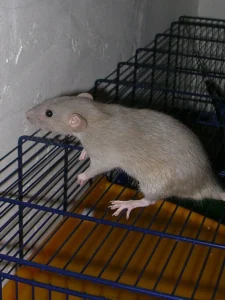
It’s involuntary and related to high arousal and emotion. The rat is so focused on their excitement that they don’t even notice they’re peeing.
During Play
Active, energetic play can lead to peeing. When rats are running around, jumping, and having fun, small amounts of urine might leak out.
This is partly because of the physical activity and partly because of the excitement of play.
Medical Reasons for Excessive Peeing
If a rat is peeing way more than normal, or if their urine looks or smells unusual, there might be a health problem.
Urinary Tract Infections
Rats can get bladder infections just like other animals. Signs include peeing more frequently than normal, straining to pee, blood in the urine (pink or red color), and squeaking or showing pain when peeing.
If you notice these signs, your rat needs to see a vet. UTIs are treatable with antibiotics but can become serious if ignored.
Kidney Problems
Older rats sometimes develop kidney disease. One sign is drinking more water and peeing more often.
The urine might be clearer and more diluted than normal. The rat might lose weight and seem less energetic.
Diabetes
Though less common, rats can develop diabetes. This causes excessive thirst and urination.
If your rat is drinking and peeing much more than normal, seems hungrier but is losing weight, this needs vet attention.
Simple Ways to Reduce Getting Peeed On
You probably can’t stop rats from peeing on you entirely, but you can reduce how often it happens.
Handle Them Regularly
Rats that are handled daily from a young age get used to human interaction. They’re less stressed when picked up, which means less fear peeing.
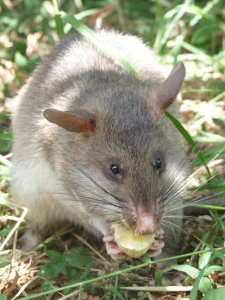
Regular handling also strengthens your bond with your rats, though it might actually increase marking behavior because they like you more. But marking pee is usually just small dribbles, while fear pee is a flood.
Keep Handling Sessions Short
Don’t hold rats for long periods. If you keep sessions under 10-15 minutes, they’re less likely to need to pee simply because their bladder is full.
You can have multiple short sessions throughout the day instead of one long one.
Let Them Pee First
Before picking up your rat, let them come out of their cage and explore for a few minutes. They’ll probably pee during this time, emptying their bladder.
Then when you pick them up, they have less urine to release on you.
Use a Blanket or Towel
Accept that peeing will happen and protect yourself. Keep a designated “rat towel” or blanket on your lap when handling rats.
This keeps urine off your clothes and skin. It’s much easier to throw a towel in the wash than to deal with pee-soaked clothes.
Stay Calm and Gentle
Handle rats calmly and gently. Quick movements, loud noises, or rough handling increase stress and fear, which increases peeing.
Talk softly to your rats and move slowly. Let them come to you when possible instead of grabbing them.
Create a Routine
Rats feel more secure when they know what to expect. If you handle them at the same time each day in the same way, they’ll be less stressed and less likely to fear pee.
Routine reduces anxiety, and less anxiety means less stress peeing.
What to Do When a Rat Pees on You
It’s going to happen, so here’s how to deal with it.
Don’t Punish the Rat
Never yell at, hit, or punish a rat for peeing on you. They don’t understand punishment, and it will only make them afraid of you.
This increases stress, which ironically makes them pee more in the future. Punishment makes the problem worse.
Stay Calm
Rats can sense your emotions. If you get upset, they’ll pick up on your stress, which stresses them out too.
Just calmly clean yourself off and continue interacting with the rat if you want to. Don’t make a big deal out of it.
Clean Up Properly
Rat urine can carry diseases, especially from wild rats. Wash any affected skin with soap and water.
Wash peed-on clothes in hot water with detergent. Clean furniture or other surfaces with an enzymatic cleaner designed for pet urine.
Check for Health Issues
If the peeing seems excessive or the urine looks abnormal, make a note of it. If it continues, get your rat checked by a vet.
Normal rat urine is pale yellow to yellow. Dark orange, red, or brown urine is not normal and needs vet attention.
Wild Rats vs. Pet Rats
The reasons for peeing are the same in both wild and pet rats, but you’ll see different patterns.
Wild Rats Pee from Fear
If you catch a wild rat (maybe you trapped it and need to release it elsewhere), it will almost certainly pee and poop on you.
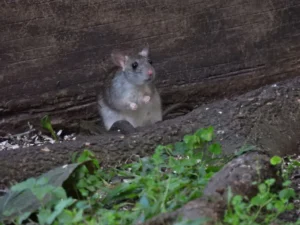
This is pure fear. The rat thinks it’s about to die. Peeing is an involuntary stress response.
Wild rats aren’t trying to mark you as theirs. They have no bond with you and just want to escape.
Pet Rats Pee to Bond
Well-socialized pet rats pee on you mostly for social and territorial reasons. They’re marking you because they like you and consider you part of their social group.
The more bonded your rat is to you, the more they might mark you. It’s annoying, but it’s actually a sign of affection and trust.
Male Rats Mark More Than Females
If you have both male and female rats, you’ve probably noticed males pee on you more often.
Testosterone Drives Marking
Male rats have higher testosterone levels, which drives territorial marking behavior. They’re biologically programmed to mark their territory constantly.
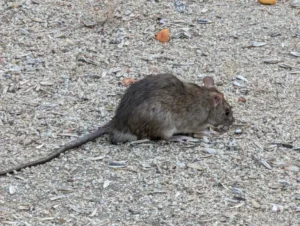
An intact (non-neutered) male rat will mark much more than a neutered male. Neutering reduces testosterone and usually reduces marking, though it doesn’t eliminate it completely.
Does Neutering Help?
If your male rat is marking excessively, neutering might help. It won’t stop all peeing, but it usually reduces the frequency.
However, neutering a rat is serious surgery and comes with risks. Talk to a vet experienced with rats before deciding.
Female Rats Still Mark
Female rats mark too, just less frequently. They’ll still pee on you for all the same reasons as males, just not as often.
Some individual females are heavier markers than others. Personality plays a role beyond just sex differences.
The Role of Age
Young rats and old rats show different peeing patterns.
Young Rats
Baby rats (under 3 months) often have less bladder control and might pee more from excitement. As they mature, they gain better control.

However, young rats are also learning social behaviors and might mark more as they figure out their place in the social hierarchy.
Adult Rats
Adult rats (3 months to 2 years) show the most typical marking behavior. This is when territorial marking peaks, especially in males.
Older Rats
Senior rats (over 2 years) might develop health issues that cause increased urination. They might also have weaker bladder control simply due to age.
If your older rat suddenly starts peeing much more, it’s worth a vet check to rule out kidney disease or other age-related problems.
Conclusion
Rats pee on you for several reasons: they’re marking you as part of their territory, they’re scared or stressed, they have weak bladder control and can’t hold it, or they’re excited and happy to see you.
For pet rats, peeing on you is usually a sign of social bonding. They consider you part of their group and want you to smell like them. It’s not malicious or spiteful, even though it’s annoying.
You can reduce peeing by handling rats regularly so they’re less stressed, keeping sessions short, letting them pee before you pick them up, and using towels to protect yourself.
Accept that some amount of peeing is inevitable with rats. They’re small animals with weak bladder control and strong instincts to mark their territory. If you want to keep rats, occasional pee is just part of the deal.

Hi, my name is Ezra Mushala, i have been interested animals all my life. I am the main author and editor here at snakeinformer.com.