
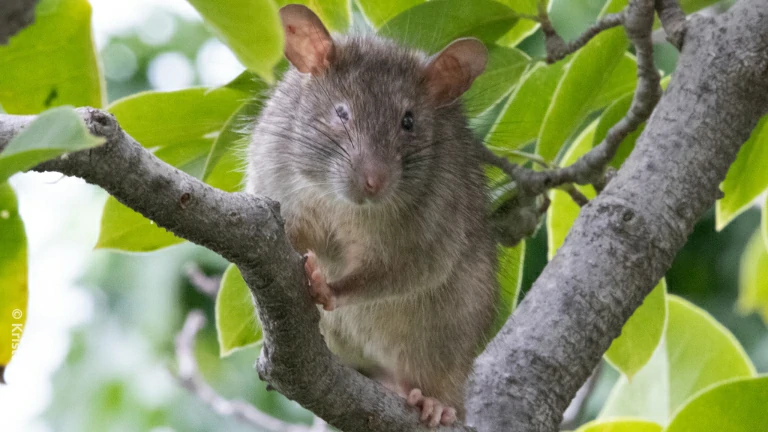
Rats are smart, social, and surprisingly affectionate pets that many people grow to love deeply. But if you’ve ever owned a rat or thought about getting one, you’ve probably noticed something heartbreaking: they don’t live very long.
Most pet rats only make it to about two or three years old, and some don’t even reach that. This short lifespan can be really hard for rat owners who get attached to their little friends. So why do rats only live two or three years?
Rats only live two or three years because of their fast metabolism, quick reproductive cycle, and how their bodies age rapidly. In the wild, rats are prey animals that need to reproduce quickly before predators get them, so their bodies are built for speed, not longevity.
Their bodies basically work on fast forward compared to larger animals. Everything from their heart rate to how their cells divide happens much quicker, which means they also age much quicker.
The Science Behind Rat Lifespans
When you look at mammals in general, there’s a pretty clear pattern: smaller animals tend to live shorter lives than larger ones. A mouse might live two years, a rat lives two to three years, a dog can live ten to fifteen years, and an elephant can live sixty years or more.
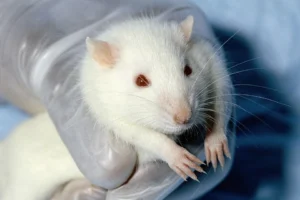
This happens because of something called metabolic rate. Rats have incredibly fast metabolisms, which means their bodies burn through energy really quickly.
Their hearts beat around 300 to 400 times per minute when they’re resting (compared to a human’s 60 to 100 beats per minute). All this rapid activity means their cells divide and replace themselves much faster.
Every time a cell divides, it gets a little bit older at the genetic level. There are things called telomeres at the ends of DNA strands, and they get shorter each time a cell divides.
When the telomeres get too short, the cell can’t divide anymore and dies. Since rat cells divide so much faster than human cells, they hit this limit much sooner.
How Evolution Shaped Rat Lifespans
In the wild, rats face constant danger from predators like owls, hawks, snakes, cats, and dogs. Most wild rats don’t live longer than a year because something usually eats them first. Because of this, evolution pushed rats to reproduce as quickly and as often as possible.
Female rats can get pregnant when they’re just five weeks old. They can have up to twelve babies in a single litter, and they can have a new litter every three weeks if conditions are right.

This means a single female rat could theoretically have over 100 babies in one year.
This reproductive strategy doesn’t leave much room for long lifespans. In evolutionary terms, it makes more sense for rats to put all their energy into making lots of babies quickly rather than living a long time. T
heir bodies are built for this fast-paced lifestyle, which is why they age so rapidly.
The Heart Rate Connection
Your heart beats about 2.5 billion times over an average human lifetime. Interestingly, many mammals have roughly the same number of total heartbeats in their lifetimes, just spread over different amounts of time.
A rat’s heart beats so fast that it burns through those heartbeats in just two to three years.
This isn’t a hard rule, but it shows how metabolic rate and lifespan connect. Animals with faster heart rates and faster metabolisms tend to live shorter lives.
Their bodies are constantly working at high speed, which wears them out faster.
Think of it like a car engine. An engine that runs at high RPMs all the time will wear out faster than one that runs at lower speeds.
A rat’s body is basically running at high speed all the time, which means it wears out much sooner.
Why Pet Rats Live Longer Than Wild Rats
Even though two to three years seems short, pet rats actually live much longer than their wild cousins. Wild rats typically only survive six months to a year because of predators, disease, lack of food, and harsh weather. Pet rats have it much better.
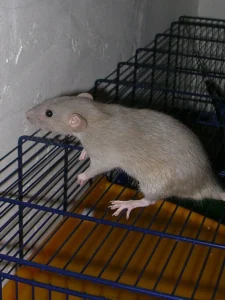
When you keep a rat as a pet, you remove most of the dangers they’d face in the wild. They get regular food, clean water, a safe place to sleep, and protection from predators. They also get medical care if they get sick, which wild rats never get.
Some pet rats can even live up to four years if they’re really healthy and well cared for. This is pretty rare, but it happens. The difference between wild and pet rat lifespans shows just how much environment matters, even when genetics set a hard limit.
Common Health Problems That Shorten Rat Lifespans
Rats are prone to several health problems that can cut their already short lives even shorter. Respiratory infections are probably the biggest issue.
Rats have very sensitive respiratory systems, and they can easily develop infections from things like dusty bedding, poor air quality, or sudden temperature changes.
These respiratory problems can turn serious really quickly. What starts as a little sneeze can become pneumonia within days. Even with treatment, chronic respiratory disease is common in older rats and can really affect their quality of life.
Tumors are another major problem, especially in female rats. Mammary tumors (breast tumors) are extremely common and can show up in rats as young as one year old.
Some of these tumors are benign (not cancerous), but they can grow very large and affect the rat’s ability to move and breathe.
Kidney disease also shows up frequently in aging rats. Their kidneys can start to fail as they get older, leading to weight loss, increased thirst, and eventually death.
Heart disease is another issue that affects older rats, though it’s less common than respiratory problems and tumors.
Genetics Play a Big Role
Not all rats are created equal when it comes to lifespan. Some rats are genetically programmed to live longer than others, and this often comes down to their breeding.
Rats from responsible breeders who carefully select for health and longevity tend to live longer than rats from pet stores or accidental litters.

Feeder rats (rats bred as food for snakes and other reptiles) typically have the shortest lifespans because they’re bred for quantity, not quality.
These rats often come from poor genetic lines with lots of health problems. Pet store rats fall somewhere in the middle, while rats from dedicated breeders usually live the longest.
Inbreeding is a big problem in many rat lines. When rats are bred too closely to their relatives, genetic problems get worse with each generation.
This can lead to weaker immune systems, more tumors, and shorter lifespans overall.
How Diet Affects How Long Rats Live
What you feed your rat can make a real difference in how long they live. Rats need a balanced diet with the right mix of protein, fats, and carbohydrates. Too much protein can stress their kidneys, while too much fat can lead to obesity and heart problems.
High-quality rat pellets should make up the bulk of their diet. These are specially made to give rats all the nutrients they need. You can add fresh fruits and vegetables as treats, but these shouldn’t be more than about 10% of their total diet.
Some foods are actually toxic to rats and can shorten their lives or even kill them. Chocolate, raw beans, green potatoes, and anything with caffeine are all dangerous.
Even some “healthy” foods like citrus fruits should be given sparingly because the acid can cause problems for male rats.
Obesity is a real problem in pet rats, especially ones that don’t get enough exercise. Fat rats are more likely to develop heart disease, have trouble breathing, and die younger than rats kept at a healthy weight.
Exercise and Mental Stimulation Matter
Rats are incredibly active and smart animals. In the wild, they might travel several miles in a single night looking for food. Pet rats need exercise too, or they’ll get bored, depressed, and unhealthy.
A good-sized cage with multiple levels, ropes, hammocks, and toys can help keep your rat active. But rats also need time outside the cage every day.

At least an hour of free roaming time (in a rat-proofed area) gives them the exercise they need.
Mental stimulation is just as important as physical exercise. Rats are problem solvers who love puzzles, new toys, and things to explore. Bored rats can become stressed, and chronic stress shortens lifespans in all animals, including rats.
Social interaction matters too. Rats are extremely social animals who get lonely and depressed when kept alone. Most experts recommend keeping at least two rats together. Lonely rats often develop health problems and die younger than rats with companions.
The Environment Makes a Difference
Where you keep your rat and how you set up their cage can affect how long they live. Temperature is important because rats can’t handle extreme heat or cold very well. The ideal temperature range is between 65 and 75 degrees Fahrenheit.
Bedding choice matters a lot too. Cedar and pine shavings contain oils that can damage rat respiratory systems over time. Paper-based bedding or aspen shavings are much safer choices.
The cage also needs good air flow to prevent ammonia buildup from urine, which can cause respiratory problems.
Stress from loud noises, constant handling, or living with aggressive cage mates can also shorten a rat’s life. Rats need quiet time to sleep during the day (since they’re mostly active at night), and they need to feel safe in their environment.
Can Anything Make Rats Live Longer?
Scientists have done lots of research on extending rat lifespans because rats are commonly used in aging studies. One thing that’s been shown to work in lab settings is caloric restriction.
Rats that eat about 30% fewer calories than normal (while still getting all necessary nutrients) can live up to 40% longer.
However, this isn’t really practical or humane for pet rats. The rats in these studies are kept in very controlled conditions, and they spend most of their lives somewhat hungry.
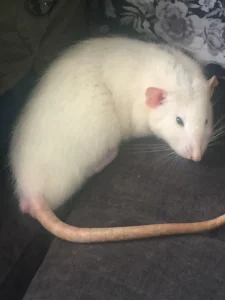
Most pet owners wouldn’t want to put their rats through this.
Some supplements and medications have shown promise in extending rat lifespans in research settings. Antioxidants, anti-inflammatory drugs, and certain hormones have all been studied. But none of these have become standard practice for pet rats yet.
The best thing you can do is provide excellent basic care: good food, clean housing, regular vet checkups, mental stimulation, exercise, and companionship. This won’t make your rat live forever, but it’ll help them live the longest, healthiest life possible.
Why Short Lifespans Are So Hard for Owners
Losing a pet is always painful, but rat owners face this loss much sooner than people with cats or dogs. You might only have two years with your rat before you have to say goodbye. For many people, this makes them hesitate to get rats in the first place.
The bond you form with a rat can be just as strong as the bond with any other pet. Rats recognize their owners, come when called, and show real affection.
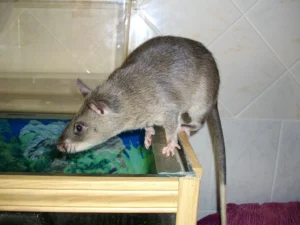
They have distinct personalities and can be incredibly sweet and loving. Losing them after such a short time feels unfair.
Some people deal with this by always keeping multiple rats of different ages. This way, they always have rat companions even as individual rats pass away. Others take breaks between rats to grieve. There’s no right way to handle it.
What This Means If You’re Thinking About Getting Rats
If you’re thinking about getting pet rats, their short lifespan is something you need to consider seriously. Can you handle saying goodbye after just two or three years? Are you prepared for the vet bills that often come with older rats who develop health problems?
On the other hand, the short lifespan also means a shorter commitment than a cat or dog. If you’re not sure you can commit to a pet for fifteen years, a rat might actually be a better choice. You can experience the joy of having a smart, affectionate pet without the decade-plus commitment.
Many rat owners say the short lifespan makes every moment more precious. When you know you only have a limited time, you tend to appreciate your rat more and make the most of the time you have together.
Conclusion
Rats only live two to three years because their bodies are built for speed, not longevity. Their fast metabolism, rapid heart rate, and quick reproductive cycle mean they age much faster than larger animals.
Evolution shaped them this way because in the wild, most rats get eaten before they turn one year old anyway.
While we can’t change their genetic programming, we can give pet rats the best possible care to help them live the longest, healthiest lives possible.
Good food, clean housing, mental stimulation, companionship, and regular vet care all make a difference. Even though two years isn’t very long, it’s enough time to form a deep bond with these smart, loving little animals.
The short lifespan is definitely the hardest part of owning rats, but for many people, the joy they bring makes it worth the heartbreak.
Every rat owner has to decide for themselves whether the brief but meaningful time with these amazing creatures is worth the inevitable goodbye.

Hi, my name is Ezra Mushala, i have been interested animals all my life. I am the main author and editor here at snakeinformer.com.