
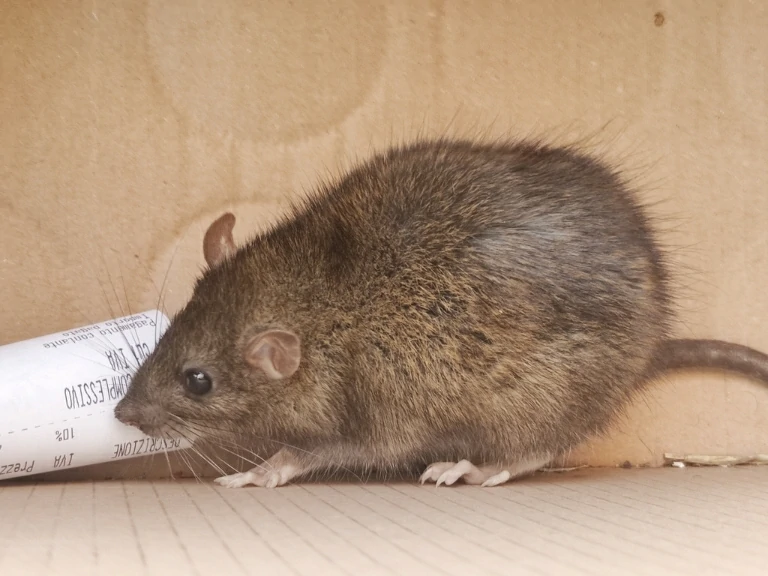
If you’ve ever owned a pet rat or studied these little creatures, you might have noticed something strange about them. Unlike humans and many other animals, rats can’t throw up.
They lack the physical ability to vomit, which is directly tied to their missing gag reflex. This might seem like just a weird fact, but it actually has some serious effects on how rats live and survive. So why do rats not have a gag reflex?
Rats don’t have a gag reflex because of their unique anatomy. They have a physical barrier between their stomach and esophagus that’s too strong to allow reverse flow, their diaphragm isn’t strong enough to create the pressure needed for vomiting, and their brain lacks the neural pathways that trigger the vomiting response.
This inability to vomit has shaped everything about how rats eat, what poisons work on them, and even how they’ve survived as a species. It’s a feature that comes with both advantages and serious risks.
The Physical Barrier That Prevents Vomiting
The main reason rats can’t vomit comes down to anatomy. The connection between their esophagus (the tube from mouth to stomach) and their stomach is built differently than in animals that can throw up.
In rats, there’s an extremely tight barrier at the point where the esophagus meets the stomach. This is called the gastroesophageal junction, and in rats, it works like a one-way valve that only opens in one direction.
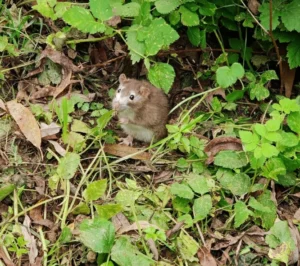
Food can easily pass down into the stomach, but the barrier is so strong that nothing can move back up. The muscles around this area are structured in a way that prevents any reverse flow from the stomach back into the esophagus.
This isn’t just a weak barrier that rarely fails. It’s physically impossible for contents to move backward through this junction in rats. Even if a rat wanted to vomit, their anatomy simply won’t allow it.
How a Rat’s Diaphragm Differs From Ours
The diaphragm is the muscle that sits below your lungs and helps you breathe. In animals that can vomit, the diaphragm also plays a key role in creating the pressure needed to force stomach contents back up.
When you throw up, your diaphragm contracts forcefully while your stomach muscles also contract. This creates intense pressure that overcomes the normal barriers and pushes everything upward.

Rats have a much weaker diaphragm compared to their body size. It’s not structured or strong enough to create the kind of pressure needed to force anything back through that tight gastroesophageal barrier.
Even if the barrier wasn’t so strong, the rat’s diaphragm simply can’t generate enough force to make vomiting happen. It’s like trying to push a car uphill with the emergency brake on, there’s just not enough power.
Why Rats’ Brains Don’t Trigger Vomiting
Beyond the physical barriers, rats are also missing the neurological wiring that makes vomiting happen. The vomiting reflex in most animals is controlled by a specific area of the brain.
In humans and other animals that can vomit, there’s a “vomiting center” in the brainstem that coordinates all the different muscles and responses needed to throw up. This area receives signals about toxins, motion sickness, or stomach irritation and triggers the vomiting response.
Rats don’t have this vomiting center in their brain. The neural pathways simply aren’t there. Even if their anatomy allowed for it, their brain wouldn’t know how to coordinate the response.
This means rats can’t experience nausea the way we do either. They might feel sick or uncomfortable from eating something bad, but they don’t get that specific “I need to throw up” sensation because their brain doesn’t have the circuitry for it.
What Happens When Rats Eat Poison
The inability to vomit has serious consequences for rats, especially when it comes to poison. This is actually why rat poison works so effectively.
When a rat eats poison, it can’t expel it from its system by throwing up. The poison stays in their stomach and gets absorbed into their bloodstream. There’s no emergency ejection system like other animals have.
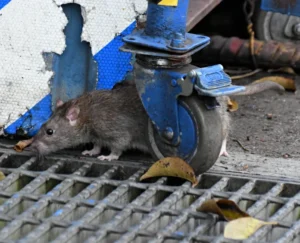
This makes rats extremely vulnerable to poisoning. A dog might eat something toxic and vomit it back up before much harm is done. A rat doesn’t have that option, once the poison is swallowed, it’s stuck with it.
Pest control companies take advantage of this weakness. Rat poisons are designed to be attractive to rats and deadly once consumed, knowing that the rat won’t be able to vomit the poison back up.
How Rats Developed This Trait Through Evolution
You might wonder why evolution would create an animal that can’t protect itself by vomiting. Seems like a disadvantage, right? But there are actually some theories about why this trait stuck around.
One theory is that rats evolved to be extremely cautious eaters instead of relying on vomiting. They have highly developed senses of taste and smell that help them detect dangerous food before they eat much of it.
Rats also practice something called “neophobia,” which means they’re suspicious of new foods. When they find something they haven’t eaten before, they’ll only take a tiny nibble first. Then they wait to see if they feel sick.
If that small amount makes them feel bad, they remember and avoid that food forever. If nothing bad happens, they’ll eat more next time. This careful approach might have made vomiting less important for their survival.
Do Any Other Animals Lack a Gag Reflex?
Rats aren’t alone in their inability to vomit. Several other animals share this trait, which tells us something interesting about how evolution works.
Horses can’t vomit either. They have a similar one-way valve system at the entrance to their stomach, and their esophagus enters the stomach at an unusual angle that prevents backward flow.
Rabbits and guinea pigs also can’t throw up. Like rats, they’re rodents with similar digestive anatomy. This seems to be a common feature among many rodent species.
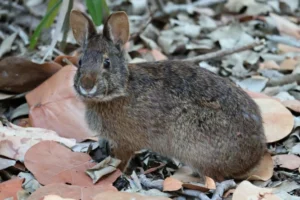
What these animals have in common is that they’re all herbivores or omnivores with specialized digestive systems. They rely more on careful food selection than on the ability to expel bad food once it’s been eaten.
How Rats Taste-Test Food to Avoid Poison
Since rats can’t vomit, they’ve evolved incredibly sophisticated ways to avoid eating dangerous things in the first place. Their tasting behavior is actually pretty fascinating.
When rats encounter a new food, they don’t just dig in. They take the smallest possible bite, sometimes just a few milligrams. This tiny amount is enough to taste but not enough to cause serious harm if it’s toxic.
After eating this tiny sample, the rat waits several hours to see how it feels. If the food makes them sick, they develop what’s called a “conditioned taste aversion” to that food.
This learned aversion is incredibly strong and lasts for life. A rat that got sick from eating something will refuse to touch that food again, even if they’re starving. They’ll even avoid foods that just smell or look similar to the one that made them sick.
What This Means for Rat Poison Effectiveness
The rat’s inability to vomit combined with their cautious eating creates an interesting challenge for pest control. You’d think it would be easy to poison them, but it’s actually more complicated.
If a poison makes rats feel sick quickly, they’ll only eat a tiny bit before learning to avoid it. This is why modern rat poisons are designed to have delayed effects.
These poisons don’t make the rat feel sick right away. Instead, they work slowly over several days. This delay means the rat doesn’t connect the poison with feeling bad, so they keep eating it.
By the time the rat starts feeling the effects, they’ve already consumed a lethal dose. And since they can’t vomit it up, there’s no way to get rid of the poison once it’s in their system.
Can Anything Make a Rat Vomit?
Given that rats physically can’t vomit, you might wonder if there’s any way to force it to happen. Maybe some drug or technique that could override their anatomy?
The answer is no. Scientists have tried various methods to induce vomiting in rats for research purposes, and nothing works. The physical barriers are just too strong.
Drugs that cause vomiting in humans and other animals have no effect on rats. You can give them substances that would make a human immediately throw up, and the rat won’t vomit at all.
This is actually useful in medical research. Since rats can’t vomit, they’re good test subjects for studying how drugs are absorbed and processed in the digestive system without the complication of vomiting affecting the results.
How This Affects Pet Rat Care
If you have pet rats, understanding that they can’t vomit is really important for keeping them safe and healthy.
You need to be extremely careful about what your rats have access to. Things that might just make another pet sick temporarily could kill a rat since they can’t expel toxins by vomiting.
Common household items like chocolate, certain plants, cleaning products, and human medications can be deadly to rats. Even small amounts can be dangerous because once consumed, there’s no getting it back out.
If you suspect your rat ate something toxic, you can’t just “wait and see” like you might with a dog. There’s no vomiting as a warning sign or natural defense. You need to get to a vet immediately.
Why Rats Rarely Get Food Poisoning
Despite not being able to vomit, rats surprisingly don’t get food poisoning as often as you’d think. This is because they have other defenses that compensate for the lack of vomiting.
Rats have extremely acidic stomach acid, more acidic than humans. This strong acid kills most bacteria and pathogens in food before they can cause problems.
They also have a robust gut microbiome (the collection of helpful bacteria in their intestines) that helps them process questionable food without getting sick.
Plus, their cautious eating behavior means they rarely eat enough of something dangerous to cause serious harm. By the time they realize food is bad, they’ve only consumed a tiny amount.
The Role of Bile in Rat Digestion
Since rats can’t vomit up toxins, their liver and bile system work overtime to process and neutralize harmful substances.
Bile is a fluid produced by the liver that helps digest fats and also plays a role in removing toxins from the body. In rats, the bile system is particularly efficient at processing toxic compounds.
When a rat consumes something toxic, the liver filters it from the blood and secretes it into bile. This bile then goes into the intestines and gets eliminated through feces instead of through vomiting.
This process is slower than vomiting and doesn’t work for all toxins, especially fast-acting poisons. But for many mildly toxic substances, the rat’s liver can handle them before they cause serious damage.
How Researchers Use This Trait
The fact that rats can’t vomit makes them valuable research animals for certain types of studies, even though it sounds strange.
When testing drugs that might cause nausea or vomiting in humans, researchers can use rats to study the drug’s other effects without vomiting complicating the results.
Rats are also used to study toxicology (how poisons affect the body) because researchers can be certain that all of the poison stays in the system and gets absorbed. There’s no variable of “did the animal vomit some of it up?”
This has helped develop better treatments for poisoning in other animals and humans, ironically using the rat’s weakness to help protect other species.
Does the Lack of Vomiting Affect Rat Lifespan?
You might think that not being able to vomit would make rats die younger since they can’t protect themselves from toxins. But that’s not really how it plays out.
Wild rats typically live 1-2 years, which is pretty short compared to other mammals their size. But this short lifespan is more about predation, disease, and harsh living conditions than about poisoning.
Pet rats can live 2-3 years on average, sometimes even longer with good care. The lack of vomiting doesn’t seem to significantly impact their lifespan as long as they’re kept safe from toxins.
The real impact is on how they die when they do encounter poison. While other animals might survive a toxic exposure because they vomited, rats usually don’t get that second chance.
Can Rats Expel Food in Other Ways?
Since vomiting is off the table, you might wonder if rats have any other ways to get rid of food they shouldn’t have eaten.
Rats can sometimes regurgitate very small amounts of food, but this is different from vomiting. Regurgitation is a passive process where food comes back up without the forceful contractions of vomiting.

However, this rarely happens in rats and usually only involves food that hasn’t fully entered the stomach yet. It’s more like food coming back up the esophagus than being expelled from the stomach.
The main way rats eliminate unwanted substances is through their digestive system. If they eat something their body doesn’t like, they might get diarrhea as their body tries to push it through and out as quickly as possible.
Why Motion Sickness Doesn’t Affect Rats
Here’s an interesting side effect of not having a vomiting reflex: rats don’t get motion sickness.
Motion sickness in humans and other animals happens when there’s a conflict between what your eyes see and what your inner ear (which controls balance) senses. This conflict triggers nausea and vomiting.
Since rats don’t have the brain circuitry for nausea and vomiting, they can’t experience motion sickness. You could spin a rat around or take it on a roller coaster, and it wouldn’t feel nauseated.
This makes them useful in space research, actually. NASA has used rats to study how zero gravity affects the body without the complication of motion sickness affecting the results.
Conclusion
Rats don’t have a gag reflex or the ability to vomit because of their unique anatomy and neurology. A strong one-way barrier in their digestive system, a weak diaphragm, and missing brain circuitry all combine to make vomiting impossible.
This trait makes rats extremely vulnerable to poisoning but also pushed them to develop other survival strategies. Their cautious eating behavior, strong stomach acid, and efficient liver help compensate for what they can’t do.
Understanding this limitation is important whether you’re trying to protect pet rats from toxins or trying to understand why certain pest control methods work. Either way, the rat’s inability to vomit is a defining feature that shapes everything about how these animals survive.

Hi, my name is Ezra Mushala, i have been interested animals all my life. I am the main author and editor here at snakeinformer.com.