

If you’re thinking about getting a pet rat, one of the first things you’ll hear from experienced rat owners is this: don’t get just one. Rats need company, and that company needs to be another rat, not just you.
But why do rats need to be in pairs or groups? Can’t they be happy as solo pets if you give them enough attention?
Rats need to be in pairs or groups because they’re highly social animals that evolved to live in colonies. A rat kept alone will suffer from loneliness, stress, and depression, even with daily human interaction, because humans can’t provide the same type of companionship that another rat can.
No amount of human attention can fully replace what rats get from being with their own kind. They need to groom each other, sleep in piles, play-fight, and communicate in ways that only other rats understand.
Keeping a single rat alone is considered inhumane by most animal welfare experts and rat rescue organizations.
Rats Are Colony Animals By Nature
In the wild, rats live in large social groups called colonies that can include dozens or even hundreds of individuals. These colonies have complex social structures with established hierarchies.
Wild rats are almost never alone by choice. A solitary rat in nature is usually sick, injured, or has been driven out of its colony, and it’s at serious risk of dying.

This social nature is deeply hardwired into rat biology and behavior. Rats have evolved over millions of years to depend on each other for survival, warmth, protection, and social learning.
Domestic pet rats are the same species as wild rats (just bred for different temperaments), so they have the exact same social needs. Breeding rats for different colors or personalities hasn’t changed their fundamental need for rat companionship.
A rat’s brain is wired to expect and need social interaction with other rats. When that need isn’t met, it causes real stress and suffering.
Even rats that seem “fine” when kept alone are actually experiencing chronic stress that shortens their lifespan and reduces their quality of life.
What Rats Get From Each Other That Humans Can’t Provide
Humans can be great companions for rats, but we can’t replace what another rat provides. The interactions rats have with each other are specific to their species.
Rats groom each other constantly throughout the day. This grooming (called allogrooming) helps them stay clean in hard-to-reach spots, but it’s also deeply comforting and stress-reducing. Humans can pet rats, but we can’t groom them the way another rat does.
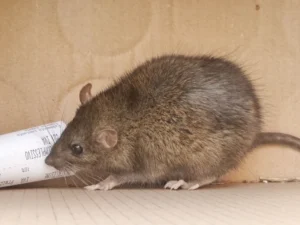
Rats communicate through ultrasonic vocalizations that humans can’t even hear without special equipment. These high-frequency sounds let rats “talk” to each other about emotions, danger, and social bonding. A rat living alone never gets to have these conversations.
Physical contact with other rats is really important. Rats sleep in piles, pressing their bodies together for warmth and security. They need that constant physical presence of another warm, furry body.
Play-fighting and wrestling are how rats exercise, establish social bonds, and maintain their place in the hierarchy. Humans can play with rats, but we can’t wrestle and tumble with them the way another rat can.
Rats also learn from watching other rats. Young rats learn what’s safe to eat, how to navigate obstacles, and social skills by observing older rats. This social learning is built into their biology.
The Mental Health Impact of Isolation
Keeping a rat alone has serious negative effects on its mental health, even if you spend hours with it every day.
Isolated rats show clear signs of depression. They become less active, sleep more, and show less interest in exploring or playing. This isn’t laziness; it’s a stress response to loneliness.
Stress hormones stay elevated in solitary rats. Chronic stress weakens the immune system, making rats more likely to get sick and reducing their lifespan.
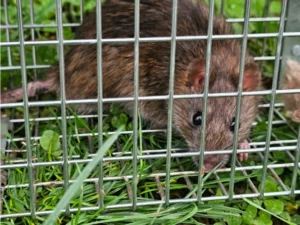
Some solitary rats develop neurotic behaviors like excessive grooming (leading to bald spots), repetitive movements, or aggressive behavior toward their owners. These are coping mechanisms for extreme stress.
Brain chemistry actually changes in isolated rats. Studies show that rats kept alone have lower levels of serotonin and other feel-good chemicals compared to rats living with companions.
The stress of isolation can make rats more fearful and anxious. They startle more easily and have trouble adapting to changes in their environment.
Some rats seem to cope with isolation better than others, but that doesn’t mean they’re thriving. They’re just managing chronic stress, which isn’t the same as being happy.
Physical Health Problems From Living Alone
The mental stress of living alone doesn’t just affect a rat’s mood. It has real physical health consequences too.
Chronic stress suppresses the immune system. Isolated rats are more likely to develop respiratory infections, tumors, and other health problems compared to rats living in pairs or groups.
Studies have found that solitary rats have shorter lifespans on average than rats living with companions. The difference can be several months, which is significant when rats only live 2 to 3 years.
Isolated rats tend to become overweight or underweight. Without other rats to compete with for food or play with for exercise, they don’t maintain healthy activity levels.
Heart health suffers too. The chronic stress of isolation increases blood pressure and can lead to heart problems later in life.
Wound healing is slower in stressed, isolated animals. If a solitary rat gets injured or has surgery, it may take longer to recover.
The stress also affects digestive health. Isolated rats have more stomach problems and can develop stress-related digestive issues.
How Rats Interact in Groups
Watching rats interact with each other shows you just how complex and important their social lives are.
Grooming sessions happen throughout the day. One rat will groom another’s head, ears, and neck, then they’ll switch positions so the other rat can groom back. This mutual grooming strengthens social bonds.
Rats communicate constantly through body language, scent, and sounds (many too high-pitched for humans to hear). They’re always “talking” to each other about how they feel and what they want.

Play behavior includes chasing, wrestling, and mock-fighting. This play is how young rats learn social skills and how adult rats maintain friendships and burn energy.
Sleeping in piles isn’t just about warmth. Rats actively seek out physical contact with their cage-mates and get upset if they’re forced to sleep alone.
Dominance hierarchies exist but aren’t usually cruel. One rat might be more dominant, but this is established through posturing and minor scuffles rather than constant fighting.
Rats show empathy and will help each other. If one rat is scared, its cage-mate will often comfort it. If one rat finds good food, it’ll often share with others in its group.
Common Myths About Solo Rats
Several myths about keeping single rats persist, but they’re all wrong and harmful.
Myth: A single rat will bond better with humans. This isn’t true. Rats kept in pairs or groups actually tend to be more confident and friendly with humans because they’re less stressed and anxious.
Myth: Rats kept alone won’t fight. True, but fighting in a well-matched pair of rats is rare and usually minor. The absence of fighting doesn’t mean a rat is happy.
Myth: If I spend enough time with my rat, it won’t need a companion. Even if you spend every waking moment with your rat, you can’t provide what another rat can. And most people can’t actually be with their pet 24/7.
Myth: My rat seems fine alone. Rats are prey animals that hide signs of stress and illness. A rat that “seems fine” might be suffering silently.
Myth: Getting two rats is twice the work. Actually, rats kept in pairs are often easier to care for because they keep each other entertained and don’t develop as many behavioral problems.
Myth: Rats kept together will ignore their owner. Properly socialized rats will enjoy both rat companionship and human interaction. Having a friend doesn’t make them antisocial toward people.
Introducing Rats to Each Other
If you already have a single rat and want to get it a companion (which you should), proper introduction is really important.
Don’t just put two unfamiliar rats together and hope for the best. This can lead to serious fighting and injuries.
The introduction process usually takes 1 to 3 weeks. Start by housing the rats in separate cages placed near each other so they can see and smell each other.
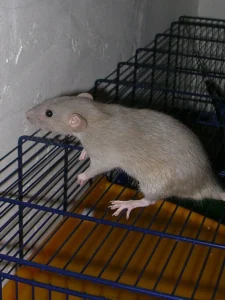
Swap bedding between the cages so they get used to each other’s scent. This helps them become familiar before they actually meet.
The first physical meeting should happen on neutral territory (not in either rat’s home cage). A bathtub or large box works well.
Supervise all early interactions closely. Some minor dominance behaviors (one rat pinning another or humping) are normal. Serious biting is not.
Once rats are getting along during supervised sessions, you can try putting them in a cleaned cage together. Use a cage that’s new to both rats or one that’s been thoroughly cleaned to remove territorial scents.
Some rats click immediately, while others take weeks to warm up to each other. Age, personality, and past experiences all affect how long introduction takes.
Best Combinations for Rat Pairs
Not all rat combinations work equally well. Some pairings are much more likely to succeed than others.
Same-sex pairs are usually the best choice to avoid unwanted babies. Female pairs and male pairs both work well.
Two females together tend to have very stable, peaceful relationships. Female rats rarely fight seriously and usually get along great.
Two males can work wonderfully, but they sometimes have more dominance issues than females. Neutering the more dominant male often helps if problems occur.
Age matters. Rats of similar ages often bond more easily than rats with large age gaps, though an older rat paired with a young one can work if done carefully.
Temperament matching is important. A very energetic rat might overwhelm a calm, shy rat. Try to match energy levels and personalities.
Never pair intact males and females unless you want babies. Rats can start breeding at 5 weeks old and females can get pregnant every 3 weeks.
Siblings or rats that grew up together have the easiest time since they’re already bonded. If buying rats from a breeder or pet store, getting two from the same litter is ideal.
What About Rats That Lose Their Companion?
If you have a bonded pair and one rat dies, the surviving rat needs a new companion as soon as possible.
Grief is real for rats. A rat that loses its companion will often show signs of depression, including reduced appetite, letharness, and withdrawal.
Don’t leave a rat alone for long after its companion dies. The stress of sudden isolation compounds the stress of losing a friend.
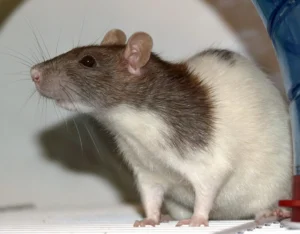
Finding a new companion quickly is the kindest thing you can do. Look for a rat with a compatible personality, preferably one that’s also lost a companion and needs a friend.
The introduction process might be faster if the surviving rat is clearly lonely and seeking companionship, but you should still follow proper introduction protocols.
Some people worry that getting a new rat is “replacing” the one that died, but you’re really just making sure your surviving rat doesn’t suffer from loneliness on top of grief.
If your rat is elderly and you don’t want to commit to young rats that will outlive it, consider adopting another elderly rat that also needs a companion for its final months.
Groups vs. Pairs
While pairs are the minimum, groups of three or more rats can actually be even better for the rats’ wellbeing.
In groups of three or more, rats have more social variety. If two rats aren’t getting along on a particular day, they have other companions to interact with.
Groups more closely mirror how rats live in nature. Wild rats form colonies, not just pairs.
The hierarchy in groups tends to be more stable because dominance is spread among multiple rats rather than concentrated between two individuals.
If one rat in a group dies, the survivors still have companions and don’t face sudden isolation.
However, groups require larger cages and more resources. You also need to be comfortable managing more complex social dynamics.
For most pet owners, a pair is the practical minimum, but if you have space and resources, a trio or small group can be wonderful.
Special Circumstances
There are very few situations where keeping a single rat is acceptable, and they’re all temporary.
If a rat is extremely sick and needs to be quarantined from cage-mates for medical treatment, temporary isolation might be necessary. But this should only last as long as medically required.

A rat that’s extremely aggressive and has repeatedly injured cage-mates despite proper introduction attempts might need to live alone. However, this is really rare and should only be determined after working with a vet or experienced rat behaviorist.
If you’re fostering a rat temporarily before it goes to a permanent home with other rats, a short period alone might be okay. But even then, most rescues prefer to foster rats in pairs.
A rat at the very end of its life that’s too sick or frail to interact with cage-mates might be separated for comfort. But again, this should be a last-resort decision made with veterinary guidance.
None of these circumstances justify buying a single rat and keeping it alone for its entire life.
What Rescue Organizations Say
Rat rescues and welfare organizations are unanimous about this issue: rats must live in groups.
Most reputable rat rescues won’t adopt out single rats unless the adopter already has a rat at home that needs a companion.
The American Fancy Rat and Mouse Association recommends keeping rats in same-sex pairs or groups as a minimum welfare standard.
Many countries have animal welfare laws that specifically prohibit keeping social animals like rats in isolation. Switzerland, for example, legally requires social animals to be kept with companions.
Veterinarians who specialize in small animals consistently advise against keeping rats alone.
The scientific community agrees too. Studies on rat welfare consistently show that isolated rats suffer compared to socially housed rats.
Conclusion
Rats need to be in pairs or groups because they’re deeply social animals that suffer when kept alone. Even with daily human interaction, a solitary rat experiences chronic loneliness and stress that affects both mental and physical health.
The companionship of another rat provides things humans simply can’t replace: species-specific communication, mutual grooming, physical comfort from sleeping together, and opportunities for natural social behaviors like play-fighting.
If you want pet rats, commit to getting at least two from the start. They’ll be happier, healthier, and will actually be better pets because they’re not stressed and lonely.
Keeping a rat alone isn’t just less than ideal. It’s actually cruel, even if that’s not your intention. Do right by your rats and give them the companionship they desperately need.

Hi, my name is Ezra Mushala, i have been interested animals all my life. I am the main author and editor here at snakeinformer.com.