
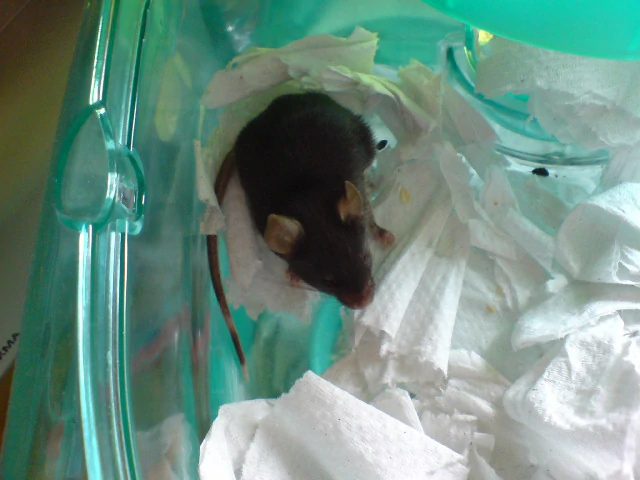
If you’re new to keeping rats as pets, you might wonder why these little guys need bedding in their cage at all. After all, wild rats seem to get by just fine on hard surfaces in sewers and alleys.
But when you bring rats into your home as pets, bedding becomes one of the most important things you can provide for their health and happiness. So why do rats need bedding?
Rats need bedding because it absorbs their urine and waste, controls odors, provides warmth and comfort, and gives them material to burrow and nest in. Without proper bedding, rats can develop respiratory problems, skin infections, and stress-related health issues.
Bedding isn’t just about making the cage look nice or keeping your room from smelling bad (though it does help with both). It’s actually a basic need that affects your rat’s physical and mental health in some really important ways.
Bedding Absorbs Urine and Controls Ammonia
Rats pee a lot. Like, really a lot. They use urine to mark their territory and communicate with other rats, so even a small group of rats can produce a surprising amount of waste in just one day.
When rat urine sits on hard surfaces without anything to absorb it, it breaks down and releases ammonia. This ammonia builds up in the cage and creates fumes that are seriously harmful to your rats’ lungs.

Good bedding soaks up the urine before it can pool and start releasing those nasty fumes. Materials like paper-based bedding or aspen shavings can hold moisture away from the surface where your rats walk and sleep.
Without this absorption, the ammonia levels in the cage can get high enough to damage your rat’s respiratory system. Rats are already prone to respiratory infections, so exposing them to ammonia fumes is basically asking for trouble.
How Bedding Protects Their Sensitive Feet
If you’ve ever looked closely at a rat’s feet, you’ve probably noticed they’re pretty delicate. They don’t have thick paw pads like dogs or cats do. Instead, they have thin skin on their feet that can get irritated easily.

When rats walk on wire cage floors or hard plastic without any soft bedding, they can develop something called bumblefoot. This is basically a bacterial infection that starts with small cuts or pressure sores on their feet.
Bumblefoot is painful and can get really serious if you don’t catch it early. The infection can spread to the bones in their feet and become life-threatening.
Soft bedding gives your rats a cushioned surface to walk on. This spreads out the pressure on their feet and prevents those sores from forming in the first place.
Why Rats Need Bedding for Temperature Control
Rats are actually pretty sensitive to temperature changes. They can’t sweat like we do, and they can get too cold or too hot pretty easily.
Bedding acts like insulation in their cage. When it’s cold, rats can burrow into the bedding to stay warm. The material traps their body heat and creates cozy pockets they can snuggle into.

On the flip side, when it’s warm, bedding can help keep them cool by providing a barrier between their body and hot cage surfaces. They can also move the bedding around to create cooler spots.
Without bedding, rats sitting on bare metal or plastic have no way to regulate their temperature. This can lead to stress and make them more likely to get sick.
Bedding Satisfies Their Need to Burrow and Nest
In the wild, rats spend a ton of time building nests and creating burrow systems. This behavior is hardwired into them. Even fancy pet rats have the same instincts as their wild cousins.
When you give rats bedding, they can dig through it, move it around, and build little nests in their favorite spots. You’ll often see them gathering bedding material to create sleeping areas or hiding spots.
This kind of activity isn’t just fun for them. It’s actually mentally stimulating and helps prevent boredom. Rats are smart animals, and they need things to do or they can get stressed and develop behavioral problems.
A cage without bedding takes away this natural behavior. Your rats won’t have anything to manipulate or rearrange, which can lead to boredom and frustration.
What Happens When Rats Don’t Have Proper Bedding?
If you skip the bedding or don’t use enough of it, you’re setting your rats up for some serious health problems. The most common issue is respiratory disease.

Rats forced to live with the ammonia smell from their own urine will start showing signs of respiratory distress. You might hear wheezing, see them breathing with their mouth open, or notice discharge from their nose and eyes.
Skin problems are another big issue. Without bedding to absorb moisture, rats can develop skin infections from sitting in their own urine. Their skin gets irritated and raw, especially on their feet and belly.
Stress is also a major problem. Rats living in cages without bedding can’t engage in natural behaviors, can’t get comfortable, and are constantly exposed to their own waste. This chronic stress weakens their immune system and makes them more likely to get sick.
The Best Types of Bedding for Rats
Not all bedding is created equal when it comes to rats. Some types can actually harm them, even if they’re marketed for small animals.
Paper-based bedding is one of the safest options. It’s dust-free, absorbs well, and doesn’t have the oils or chemicals that can irritate rat lungs. Brands specifically made for small animals work great.
Aspen shavings are another good choice. Unlike pine or cedar shavings (which you should never use), aspen doesn’t contain phenols. These are aromatic oils that can cause serious respiratory damage to rats.
Some people use fleece liners, which are reusable fabric covers that go over an absorbent layer. These work well if you’re willing to wash them every few days, but you still need to provide loose bedding in some areas for burrowing.
Avoid cedar and pine shavings completely. The strong smell might seem like it would control odors, but those aromatic oils actually damage rat respiratory systems. Also skip dusty bedding like some cheap wood shavings, since dust can trigger breathing problems.
How Much Bedding Do Rats Actually Need?
The amount of bedding you use matters just as much as the type. Too little won’t do the job, but too much can be wasteful and make cage cleaning harder.

A good rule is to put down at least 2-3 inches of bedding on the floor of the cage. This gives your rats enough to burrow in and provides good absorption for urine.
In areas where your rats tend to pee the most (like corners or near their food), you might want to add even more bedding. Rats often pick specific bathroom spots, so piling extra bedding there can help keep the rest of the cage cleaner.
You’ll also want to do a full bedding change at least once a week, sometimes more often if you have several rats. Spot cleaning daily (removing soiled bedding and droppings) will help it last longer between full changes.
Can You Use Alternatives to Traditional Bedding?
Some rat owners use alternative setups that don’t involve traditional loose bedding. The most popular option is fleece liners with an absorbent layer underneath.
These liners are basically fabric covers that you can wash and reuse. They save money in the long run and create less waste. But they don’t let rats burrow, which is a pretty important natural behavior.
If you go with fleece liners, you should still provide a dig box or litter pan filled with safe bedding material. This gives your rats somewhere to satisfy their burrowing instincts.
Another option some people try is training their rats to use a litter box. This can work, though rats aren’t as consistent about it as cats. Even with litter training, you’ll still need some bedding or soft material in the main cage area.
How Bedding Affects Your Rat’s Mental Health
The mental health benefits of bedding don’t get talked about enough. Rats are incredibly intelligent and need mental stimulation to stay happy.
When you give rats bedding, you’re basically giving them a manipulatable environment. They can dig, build, rearrange, and create hiding spots. This kind of activity keeps their brain engaged.

Rats that don’t have bedding to interact with can develop something similar to depression. They might become less active, show less interest in their surroundings, or develop repetitive behaviors like bar chewing.
The ability to build a nest is especially important for a rat’s sense of security. When they can create their own cozy space, they feel safer and less stressed. This is particularly true for shy or nervous rats.
Does Bedding Help With Cage Odor?
Let’s be honest, rat cages can smell pretty bad if you don’t manage them right. But good bedding makes a huge difference in controlling that smell.
When bedding absorbs urine quickly, it prevents the ammonia from building up and creating that sharp, unpleasant smell. Paper-based bedding is especially good at locking in odors.
However, bedding isn’t magic. If you don’t clean the cage regularly, even the best bedding will get overwhelmed. The key is combining good bedding with consistent cleaning.
Some people add baking soda under their bedding to help with odors, but you need to be careful with this. Rats have sensitive respiratory systems, and stirring up baking soda dust when they dig can irritate their lungs.
Special Bedding Needs for Baby Rats
If you’re caring for baby rats (called kittens or pups), their bedding needs are a bit different from adult rats.
Baby rats are even more sensitive to temperature than adults. They can’t regulate their body heat well until they’re a few weeks old, so they need extra-thick bedding to burrow into and stay warm.
You also want to avoid any bedding with long fibers that could wrap around their tiny legs or get caught in their mouths. Shredded paper or paper-based pellets work better than stringy materials.
Clean the bedding more often when you have babies, since they’re more vulnerable to infections. Their immune systems aren’t fully developed, so keeping their environment super clean is really important.
Bedding for Rats With Respiratory Issues
If your rat already has respiratory problems, choosing the right bedding becomes even more important. Any dust or irritants can make their condition worse.

Paper-based bedding is usually the safest choice for rats with breathing issues. It’s low-dust and doesn’t have aromatic oils that can irritate sensitive lungs.
Some rat owners switch to fleece liners when their rats have chronic respiratory disease. Since fleece doesn’t create dust and you wash it regularly, it can be easier on sick rats’ lungs.
Whatever bedding you choose, keep it extra clean. Change it more frequently than you would for healthy rats, and do daily spot cleaning to remove any soiled areas right away.
Conclusion
Bedding isn’t just a nice extra for pet rats. It’s a basic need that affects their physical health, mental well-being, and overall quality of life.
From absorbing urine and controlling ammonia to providing warmth and satisfying natural burrowing instincts, good bedding does a lot of important jobs in your rat’s cage. Without it, rats can develop serious respiratory problems, skin infections, and stress-related issues.
Choose safe, absorbent bedding like paper-based products or aspen shavings, and make sure to use enough of it. Keep the cage clean with regular bedding changes, and your rats will be healthier and happier for it.

Hi, my name is Ezra Mushala, i have been interested animals all my life. I am the main author and editor here at snakeinformer.com.