
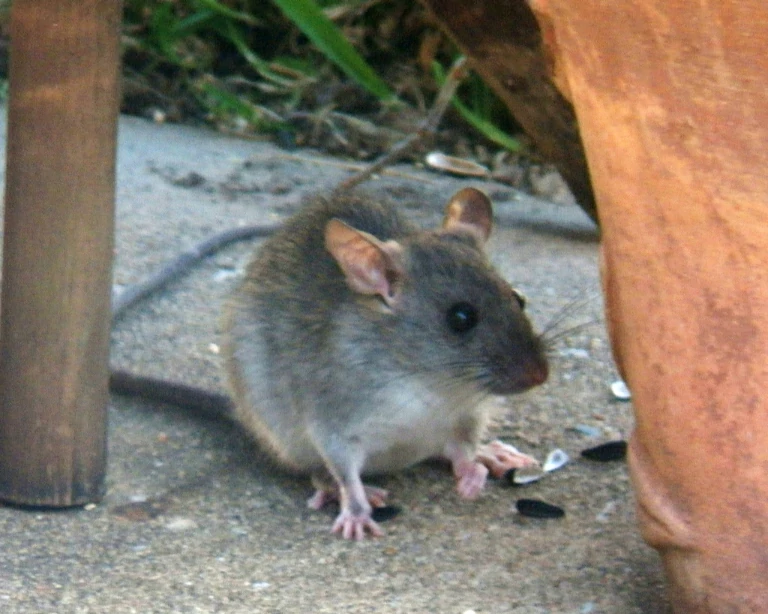
Just as you’re settling into bed, you hear it. Scratching in the walls. Scurrying across the ceiling. Maybe some squeaking or rustling sounds that definitely weren’t there during the day.
If you’ve got rats in your house, you know this nighttime noise pattern all too well. But why do rats make noise at night instead of during the day?
Rats make noise at night because they’re nocturnal animals. They sleep during daylight hours and become active after dark, which is when they search for food, communicate with each other, build nests, and move around. All these activities create the scratching, scurrying, and squeaking sounds you hear.
The nighttime noise isn’t random or meant to annoy you. It’s just rats doing their normal daily activities while you’re trying to sleep. Understanding what they’re doing can help you deal with the problem more effectively.
Rats Are Built for Nighttime Activity
Rats have spent millions of years evolving to be active at night. Their entire biology is designed around being nocturnal creatures.
Their eyes work much better in low light than in bright daylight. They have special cells in their eyes that let them see in near-darkness.
This doesn’t mean they see perfectly in pitch black. But they can navigate really well in the dim light conditions you’d find inside walls or attics at night.
Their other senses are also fine-tuned for nighttime living. Rats have incredible hearing and can pick up sounds humans can’t detect at all.
They use their whiskers like sensors to feel their way around in the dark. Each whisker sends information to their brain about nearby objects and spaces.
Their sense of smell is also extremely powerful. Rats can follow scent trails and find food in complete darkness just by using their nose.
All these adaptations make nighttime the perfect time for rats to be active. Daytime is when they rest and conserve energy.
Why Being Nocturnal Helps Rats Survive
In the wild, being nocturnal gives rats huge advantages for staying alive. Most of their natural predators hunt during the day.
Hawks, eagles, and other birds of prey rely on vision to hunt. They can’t see rats at night, so rats avoid them by being active after dark.
Many ground predators like foxes and coyotes also hunt more during the day. By sleeping during daylight hours, rats reduce their chances of being eaten.
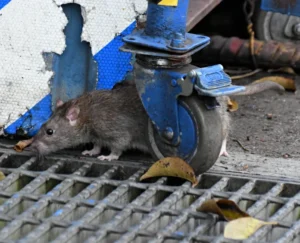
The cover of darkness also helps rats stay hidden while they search for food. They can move around more freely without being spotted.
This survival strategy has worked so well that rats have kept these nocturnal habits even when living in human environments.
Your house rats don’t face the same predators as wild rats, but they still follow the same biological clock their ancestors developed.
What Rats Do at Night That Makes Noise
When rats wake up after dark, they have a whole list of activities they need to do. Each one creates different sounds.
Searching for food is priority number one. Rats need to eat regularly, and they’ll spend hours every night looking for food sources.
This creates scratching sounds as they move through walls, scurrying as they run across floors or ceilings, and rustling as they dig through materials.
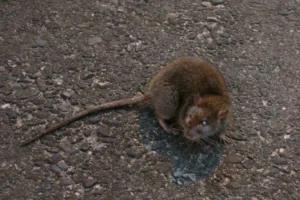
Gnawing is another major activity. Rats have to chew constantly to keep their teeth from growing too long. This creates distinctive grinding and scraping noises.
They also spend time maintaining and building their nests. This involves dragging materials around, which creates thumping and rustling sounds.
Social interaction is important too. Rats communicate through squeaking, which is why you often hear high-pitched noises along with the movement sounds.
Exploring and mapping their territory is an ongoing activity. Rats like to know every inch of their environment, so they constantly check and recheck areas.
The Sound of Rats Looking for Food
Food-searching creates the most consistent nighttime noise from rats. They’re methodical and persistent when hunting for meals.
You’ll hear them moving along their established routes. Rats tend to travel the same paths over and over, usually along walls and edges.
When they find a potential food source, the noise increases. They’ll scratch at packaging, gnaw through barriers, and make quite a racket.
Rats in your walls will follow any scent of food. If you’ve got food in your kitchen, you’ll probably hear more activity in the walls near that area.
The scurrying you hear is them running from their nest to food sources and back again. Rats are surprisingly fast and their little feet make lots of noise on hard surfaces.
If they’ve found food, you might hear chewing and crunching sounds. They’ll sit in one spot and eat, which creates steady noise.
When they’re carrying food back to their nest, you’ll hear the movement sounds change slightly. They move differently when they’re carrying something in their mouth.
Gnawing Makes Distinctive Nighttime Sounds
Rats have to gnaw on hard materials every single day. Their front teeth never stop growing throughout their entire life.
If they don’t wear down their teeth through constant chewing, the teeth will grow too long and cause serious health problems. This biological need drives them to gnaw constantly.
Wood is a favorite gnawing material. The sound of rats gnawing on wooden beams, floorboards, or wall studs is a steady scraping or grinding noise.

They also gnaw on plastic, drywall, insulation, and even soft metals like aluminum or lead. Each material creates a slightly different sound.
Electrical wires are dangerous for everyone when rats chew them. You might hear a quick gnawing sound followed by sparks or electrical issues.
The gnawing usually happens in bursts. A rat will chew for several minutes, take a break, then start again.
This sound is often what people notice first when they have rats. It’s rhythmic and persistent, and it clearly sounds like something chewing.
Movement Creates Scratching and Scurrying
Rats move around a lot at night, and their movement creates the most common sounds people complain about.
Scratching happens when rats move through tight spaces. Their claws scrape against wood, drywall, or metal as they squeeze through areas.
In walls, you’ll hear them climbing up and down vertical spaces. This creates a scratching sound that moves from floor to ceiling or vice versa.
Scurrying is the sound of rats running across open spaces. Attics are prime locations for this because rats can run freely across the flat surfaces.
The sound changes depending on what surface they’re running on. Wood sounds different than insulation, which sounds different than ductwork.
You can often tell how many rats you have by listening to the movement patterns. Multiple rats moving together sound different than a single rat.
Baby rats make lighter, faster scurrying sounds. Adult rats are heavier and their footfalls are more pronounced.
Nest Building Causes Rustling and Dragging Sounds
Rats build elaborate nests using whatever materials they can find. This construction work happens mostly at night and creates lots of noise.
Insulation is a favorite nesting material. You’ll hear rustling and tearing sounds as rats pull insulation apart and drag it to their nest location.

Paper, cardboard, fabric, and plant material are also used. Each material creates different rustling sounds as rats work with it.
The dragging sound is distinctive. When rats pull larger pieces of material through tight spaces, it creates a steady sliding or scraping noise.
Nest building intensifies when a female rat is pregnant. She’ll work extra hard to create a safe, comfortable nest for her babies.
If you hear a lot of rustling and material-moving sounds in one area, you’ve probably got a nest nearby. This is where the rats are spending their downtime between activities.
Rats also constantly maintain their nests. They’ll add new materials, remove soiled bedding, and adjust things to stay comfortable.
Social Sounds and Communication
Rats are social animals and they communicate with each other constantly at night. This creates squeaking and chirping sounds.
Different squeaks mean different things. Short, sharp squeaks often indicate aggression or territorial warnings.
Longer, more rhythmic squeaking can be social communication or mating calls. Male rats make specific sounds when trying to attract females.
Baby rats squeak a lot to stay in contact with their mother. These are high-pitched, constant sounds that can be really annoying at night.
Fighting between rats creates louder, more frantic squeaking. If you hear aggressive squeaking, you might have territorial disputes happening.
Some rats are just noisier than others. Just like people have different personalities, some rats are more vocal.
You might also hear ultrasonic sounds that are too high-pitched for human ears to detect. But other rats can hear them perfectly.
Why Your House Amplifies the Sounds
The sounds rats make would be much quieter if they were outside. But your house’s structure actually makes the noise louder and more noticeable.
Walls, floors, and ceilings act like drums. When rats move on these surfaces, the vibrations travel through the structure and get amplified.
Hollow spaces create echo chambers. The space inside your walls makes sounds bounce around and seem louder than they actually are.
Ductwork and pipes act like speaking tubes. Sounds from rats in one part of the house can travel through ducts and emerge somewhere completely different.
Your house is also quieter at night, which makes rat sounds stand out more. During the day, all your normal household noise covers up the rat activity.
But at night, when everything is quiet and you’re trying to sleep, those same sounds become incredibly obvious and intrusive.
The structure also conducts vibration really well. Even small movements can create sounds you can feel as much as hear.
Different Sounds Mean Different Problems
The type of noise you hear can actually tell you what kind of rat problem you have and how serious it is.
Constant, widespread noise in multiple locations suggests a large population. One or two rats won’t make that much racket.
Heavy thumping or loud running sounds usually mean adult rats. Baby rats don’t weigh enough to make these kinds of noises.
High-pitched squeaking that sounds frantic often indicates baby rats in a nest. This is bad news because it means active breeding.
Gnawing sounds concentrated in one area might mean rats are trying to chew through something specific. Check for new holes or damage near where you hear the gnawing.
Sudden, intense noise followed by silence could mean a rat got caught in a trap or had some other misfortune.
Noise that happens at the same time every night shows rats have established routines. They’re comfortable and settled in your house.
When Noise Patterns Change
Changes in the noise patterns can give you important information about your rat situation.
If the noise suddenly gets louder or more frequent, your rat population is probably growing. More rats mean more noise.
Noise moving to new areas of the house means rats are expanding their territory. They’re no longer confined to their original location.
Reduced noise doesn’t always mean the rats are gone. They might have just moved to a different part of the house you can’t hear as well.
New types of sounds (like babies squeaking) indicate breeding. This means your problem is about to get much worse.
Noise during daylight hours is a red flag. Rats normally avoid daytime activity, so if you hear them during the day, you probably have a serious infestation.
Frantic or panicked-sounding noise might mean rats are stressed by control measures you’ve implemented. This could actually be a good sign that your efforts are working.
Why You Can’t Just Ignore the Noise
Beyond being annoying, the nighttime noise from rats tells you about real problems that need addressing.
Rats cause significant property damage through their gnawing. Those sounds you hear at night are rats literally destroying parts of your house.
Fire hazards increase when rats chew electrical wires. The gnawing sounds could be warnings of dangerous electrical problems developing.
Health risks come with rat infestations. Rats carry diseases and parasites that can affect your family.
The noise itself affects your sleep quality and mental health. Chronic sleep disruption has serious health consequences.
Rats multiply incredibly fast. Every night of noise represents rats eating, breeding, and establishing themselves more firmly in your home.
The longer you wait to address the problem, the harder and more expensive it becomes to solve. Early action saves money and stress.
What Time of Night Is Loudest
Rat activity follows predictable patterns throughout the night. Understanding these can help you identify the problem.
The first few hours after dark are typically the busiest. Rats wake up hungry and immediately start searching for food.

This is when you’ll hear the most movement and food-searching sounds. Usually between sunset and midnight.
Middle of the night activity tends to be more varied. Rats might be eating, socializing, building nests, or just moving around.
The hours just before dawn see another spike in activity. Rats are making final food runs before settling in for the day.
Some rats are more active in the early night, others prefer late night. If you have multiple rats, you might hear activity all night long.
Weather affects activity patterns too. Cold nights might drive rats to be more active as they search for food to maintain body heat.
How to Reduce Nighttime Rat Noise
While the only real solution is removing the rats completely, there are temporary measures to reduce the noise.
White noise machines or fans in your bedroom can mask the sounds. This won’t fix the problem but might help you sleep.
Sealing gaps around pipes and vents can reduce how much sound travels through your house. This contains the noise to where the rats actually are.
Removing food sources makes rats less active. If they can’t find food easily, they’ll spend less time searching and make less noise.
Setting traps reduces the population and therefore the noise levels. Fewer rats means less overall activity.
Never use poison without professional guidance. Poisoned rats often retreat into walls and create even more noise before they die.
The most effective approach is professional rat removal. Experts can eliminate the rats and seal entry points to prevent new ones from coming in.
Conclusion
Rats make noise at night because that’s when they’re naturally active. Their nocturnal biology drives them to sleep during the day and do everything else after dark, from finding food to building nests to socializing with other rats.
The scratching, scurrying, gnawing, and squeaking you hear aren’t random. They’re the sounds of rats going about their normal activities in an environment that amplifies every little noise.
Understanding why rats are active at night won’t make the noise less annoying, but it can help you develop better strategies for dealing with the problem. The nighttime noise is your warning that rats have made themselves at home, and the sooner you take action, the better.

Hi, my name is Ezra Mushala, i have been interested animals all my life. I am the main author and editor here at snakeinformer.com.