
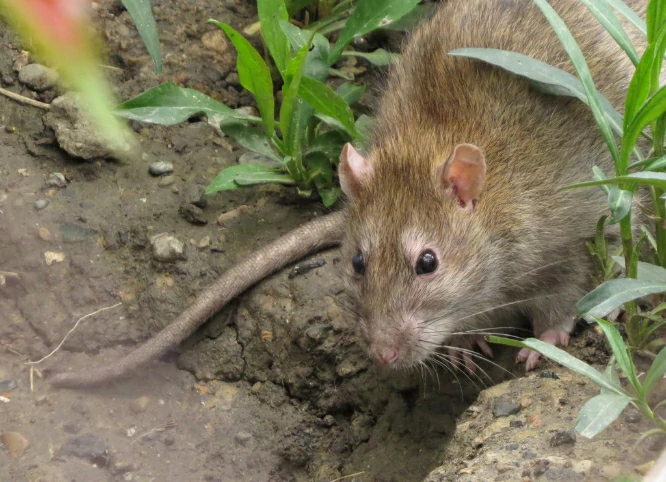
Walk into any hardware store and you’ll find rat traps with pictures of cheese on the package. But experienced pest control experts know the truth: peanut butter is actually the best bait for catching rats.
Rats absolutely love peanut butter and will go to great lengths to get it. So why do rats like peanut butter so much?
Rats like peanut butter because it’s high in protein, fat, and calories, which gives them the energy they need to survive. The strong smell attracts them from far away, the sticky texture keeps them at the trap longer, and the taste satisfies their natural craving for calorie-dense foods.
Peanut butter hits all the right notes for what a rat’s body needs and wants. It’s not just about taste, it’s about survival and nutrition.
The Smell Is Incredibly Strong and Attractive
Rats have an amazing sense of smell that’s much better than human smell. They use this sense to find food from long distances.
Peanut butter has a powerful, distinct aroma that carries through the air. Rats can smell it from across a room or even from outside your house.

The oils in peanut butter are what create such a strong smell. These oils contain volatile compounds that evaporate into the air.
When a rat catches a whiff of peanut butter, their brain immediately recognizes it as high-value food worth investigating.
The smell doesn’t fade quickly either. Peanut butter stays fragrant for hours or even days, continuously attracting rats.
This is why peanut butter works so well as trap bait. It creates a scent trail that draws rats directly to the trap location.
Foods with weak smells don’t attract rats as effectively because rats can’t detect them from far away.
The intensity of peanut butter’s smell makes it stand out among all the other odors in your home.
It’s Packed with Calories That Rats Need
Rats have incredibly fast metabolisms. They need to eat frequently throughout the day and night to maintain their energy levels.
A rat needs to consume about 15 to 20 grams of food per day, which is roughly 10% of their body weight.
But they don’t just need any food, they need calorie-dense food that provides maximum energy in small amounts.
Peanut butter is extremely calorie-dense. Just one tablespoon contains about 95 calories.
For a rat, that’s a huge energy payoff for a small amount of food. They can get what they need without spending much time eating.
This efficiency is really important for rats. The less time they spend eating, the less time they’re exposed to predators.
In the wild, rats seek out the most calorie-rich foods available. Peanut butter would be like hitting the jackpot.
Even in your home, rats instinctively recognize peanut butter as superior to other available foods.
High Protein Content Matches Their Diet Needs
Rats are omnivores, but they actually need a decent amount of protein in their diet to stay healthy.
Protein is important for building and repairing muscle tissue, especially in young growing rats.
Pregnant and nursing female rats need even more protein to support their babies.
Peanut butter contains about 7 to 8 grams of protein per serving, which is significant for such a small amount of food.
This protein content makes peanut butter nutritionally valuable to rats, not just tasty.
Rats can sense the nutritional value of foods through taste and smell. They’re drawn to foods that meet their dietary needs.
In nature, rats get protein from insects, small animals, eggs, and seeds. Peanut butter’s protein profile is similar to these natural foods.
The combination of protein and fat in peanut butter is especially attractive. This combination is rare in plant-based foods.
The Fat Content Is Highly Appealing
Fat is the most calorie-dense nutrient available. Gram for gram, fat provides more than twice the calories of protein or carbohydrates.
Rats instinctively crave fatty foods because fat represents maximum energy storage and survival advantage.
Peanut butter is about 50% fat by weight. That’s an incredibly high concentration that rats find irresistible.
These fats include both monounsaturated and polyunsaturated fats, which rats can digest efficiently.
Fatty foods also taste good to rats. Their taste receptors are specifically tuned to recognize and enjoy fatty flavors.
In the wild, fatty foods are relatively rare and precious. When rats find them, their brains release pleasure chemicals.
This evolutionary programming makes rats seek out fatty foods whenever possible, even in modern environments where fat is abundant.
The creamy, rich mouthfeel of peanut butter, created by its fat content, is something rats find extremely satisfying.
The Sticky Texture Works Perfectly for Traps
Beyond nutrition, peanut butter has physical properties that make it ideal for catching rats.
The sticky, thick texture means you can smear it on trap triggers. It won’t roll off or get knocked loose easily.

When a rat goes for peanut butter bait, they can’t just grab it and run. They have to stop and lick it off.
This extended interaction with the bait increases the chances of triggering the trap mechanism.
Other foods like cheese can be grabbed quickly and carried away. The rat might never trigger the trap.
Peanut butter forces the rat to commit to the location. They have to work at it, licking and chewing.
The stickiness also means you can use small amounts effectively. A tiny dab is enough to attract and hold a rat’s attention.
This makes peanut butter economical as bait. A single jar can bait dozens of traps.
Rats Are Attracted to Familiar Human Foods
Rats have evolved alongside humans for thousands of years. They’ve learned that human foods are safe and nutritious.
Foods that smell like human food trigger recognition in rats’ brains. They associate these smells with successful feeding.
Peanut butter is a common food in many homes. Rats living in or near houses have probably encountered it before.
This familiarity reduces caution. Rats are more willing to try foods they recognize than completely novel foods.
Wild rats away from human habitation might be more cautious about peanut butter at first, but they quickly learn it’s safe and valuable.
The smell of roasted peanuts is also naturally appealing. Even rats who’ve never encountered peanut butter respond to the scent.
Rats are neophobic, meaning they’re suspicious of new things. But once they try peanut butter, they overcome this fear quickly.
The Taste Satisfies Multiple Flavor Preferences
Rats have taste receptors for sweet, salty, sour, bitter, and umami flavors, just like humans.
Peanut butter triggers multiple taste receptors at once, creating a complex, satisfying flavor experience.

It has a slight sweetness from natural sugars in peanuts. Rats enjoy sweet flavors because sweetness often indicates safe, ripe foods.
There’s also a savory, almost meaty quality to peanut butter. This umami taste appeals to rats’ omnivorous nature.
The slight saltiness in many peanut butter brands enhances overall flavor and makes it more craveable.
This combination of flavors creates what’s called “palatability” in food science. Highly palatable foods are hard to resist.
When rats taste peanut butter, their brains light up with pleasure signals. This reinforces the desire to seek it out again.
One taste of peanut butter often creates a lasting preference. Rats remember good foods and actively seek them out in the future.
It Doesn’t Spoil Quickly
From a practical standpoint, peanut butter’s stability makes it excellent bait for traps.
Unlike fresh foods that spoil or dry out within hours, peanut butter remains attractive to rats for days.
This longevity means you don’t have to check and rebait traps constantly. Once set, they stay effective.
The oils in peanut butter prevent it from drying out completely. Even if the surface hardens a bit, it still smells strong.
Other common baits like bread or fruit become unappealing quickly as they mold or desiccate.
Peanut butter’s shelf stability saves time and effort in pest control situations.
The fact that it doesn’t need refrigeration also makes it convenient for setting traps in various locations.
Rats Have Been Conditioned by Experience
Many rats, especially those living in human environments, have positive past experiences with peanut butter.
They might’ve found it in garbage, stolen it from pet food bowls, or discovered it in pantries.
Each successful encounter with peanut butter reinforces the behavior. Rats learn that seeking it out leads to a good meal.
This learned behavior gets passed down through colonies. Rats teach each other what foods are safe and valuable.
Young rats watch older rats and learn to prefer the same foods their elders prefer.
In areas where peanut butter is commonly available, entire rat populations develop a strong preference for it.
This social learning makes peanut butter even more effective over time as more rats become familiar with it.
The Texture Is Easy for Rats to Eat
Rats don’t have hands like primates, but they do have very dexterous front paws.
They hold food while eating, manipulating it to get the best bites. Peanut butter’s consistency works well with this behavior.
It’s soft enough to lick but substantial enough to hold onto if needed.
Hard foods require gnawing, which is fine but takes energy and time. Soft foods like peanut butter are easier to consume quickly.
Rats can eat peanut butter efficiently, getting maximum nutrition with minimum effort.
The texture doesn’t irritate their mouths or stick uncomfortably to their teeth the way some sticky foods might.
Young rats with developing teeth and old rats with worn teeth can both handle peanut butter easily.
This universal accessibility across all ages makes it a consistently attractive food source.
Peanut Butter Beats Other Common Baits
When comparing peanut butter to traditional rat baits, it wins on multiple factors.
Cheese, despite its reputation, isn’t actually that attractive to rats. They’ll eat it, but they don’t seek it out strongly.
Cheese also dries out quickly and loses its smell, reducing its effectiveness as trap bait.
Chocolate works okay, but not all rats respond to it. Some rats ignore chocolate completely.
Fresh fruit and vegetables spoil too quickly and might attract insects before rats find them.
Bacon and meat products smell great initially but spoil rapidly and can attract unwanted pests.
Grains and seeds are natural rat foods, but they’re too easy to grab and carry away without triggering traps.
Peanut butter combines the best qualities: strong smell, high nutrition, perfect texture, and long-lasting effectiveness.
Professional pest control experts consistently rank peanut butter as the number one rat bait for good reason.
Different Types of Peanut Butter Work Differently
Not all peanut butter is equally effective for attracting rats.
Natural peanut butter with just peanuts and maybe salt tends to have a stronger peanut smell.
This pure scent is highly attractive to rats because it’s more concentrated and recognizable.
Conventional peanut butter with added sugar and oils is also effective, though sometimes slightly less potent.
Crunchy peanut butter adds texture variation that some rats seem to prefer over smooth varieties.
However, smooth peanut butter is easier to apply to trap triggers and less likely to fall off.
Organic or conventional doesn’t seem to matter to rats. They respond equally to both.
Flavored peanut butters like honey roasted might work, but plain is generally more reliable.
Old peanut butter that’s separated can actually be more attractive because the oil concentration creates a stronger smell.
When Peanut Butter Might Not Work
While peanut butter is extremely effective, there are situations where rats might ignore it.
If rats have access to even better food sources, they might pass up peanut butter.
In homes with open garbage, pet food left out, or other easily accessible food, rats aren’t desperate enough to risk traps.
Rats that have been trapped before and escaped might become bait-shy, avoiding anything associated with traps.
In these cases, you need to eliminate competing food sources first, then use peanut butter bait.
Sometimes rats are just suspicious of new objects in their territory. They might avoid traps initially regardless of bait.
Give them time. Most rats overcome their caution within a day or two if the peanut butter is the only food available.
Very young rats who are still nursing might not respond to peanut butter because they’re not eating solid food yet.
How to Use Peanut Butter as Rat Bait
Getting the most from peanut butter bait requires proper technique.
Use only a small amount, about the size of a pea. Too much and rats can eat without triggering the trap.
Smear it directly onto the trap trigger mechanism so rats have to really work at it.
Place traps along walls where rats travel. They rarely cross open spaces.
Fresh peanut butter works best, but even day-old bait remains effective.
Consider mixing peanut butter with a little bit of something else like oats or bird seed to create a more complex lure.
Check traps daily. Successful traps should be reset immediately to catch other rats.
Rotate trap locations if rats are avoiding certain spots. They learn to avoid danger areas.
Alternatives If Peanut Butter Isn’t Available
While peanut butter is ideal, other nut butters work similarly well.
Almond butter, cashew butter, and sunflower seed butter all have strong smells and sticky textures.
Some pest control experts report success with hazelnut spread, though it’s more expensive.
Bacon grease can work in a pinch, though it doesn’t last as long as peanut butter.
Marshmallow is sticky and sweet, which some rats find attractive, though it’s less nutritious.
Pet food, especially wet cat food, has a strong smell and high protein content.
Nesting materials like cotton balls or dental floss can attract rats, but they’re less reliable than food baits.
The key is finding something with strong smell, good nutrition, and texture that keeps rats in place long enough to trigger traps.
Conclusion
Rats like peanut butter because it’s the perfect combination of everything they need: high calories, good protein and fat content, a strong attractive smell, and a sticky texture that’s easy to eat. The smell draws them in from far away, and the taste satisfies their natural cravings for energy-dense foods.
This makes peanut butter the most effective bait for rat traps. It outperforms cheese, chocolate, and most other foods because it taps into rats’ evolutionary drive to seek out nutritionally valuable foods.
Whether you’re trying to catch rats or just understand their behavior, knowing why they love peanut butter helps explain what motivates these intelligent, resourceful animals in their constant search for food.

Hi, my name is Ezra Mushala, i have been interested animals all my life. I am the main author and editor here at snakeinformer.com.