
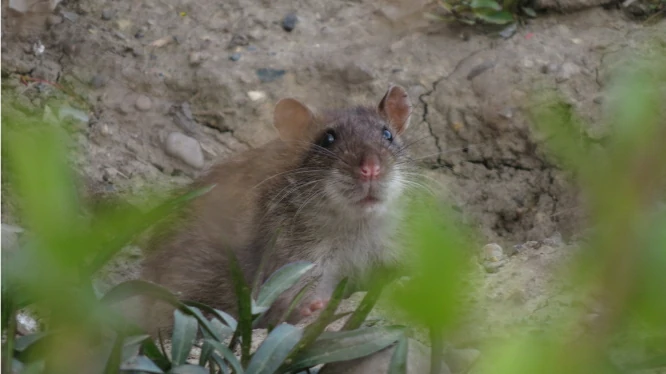
You’ve probably heard the old saying “rats jumping ship” used to describe people abandoning a bad situation. But where did this phrase actually come from?
Is it based on real rat behavior, or just an old myth? Why do rats jump ship?
Rats jump ship when they sense danger like sinking, flooding, or fires. They’re extremely sensitive to changes in their environment and can detect things like tilting, unusual vibrations, and water seeping in before humans notice. This survival instinct makes them abandon ships that are in trouble.
Rats aren’t being cowardly when they leave a ship. They’re actually responding to very real warning signs that something’s wrong. Their heightened senses pick up on problems long before people do, and their natural instinct is to get to safety as quickly as possible.
How Rats Detect When Ships Are in Trouble
Rats have incredibly sensitive whiskers and paws that can detect even the smallest vibrations and changes in movement. When a ship starts taking on water or developing problems, it creates subtle shifts that rats pick up on right away.
Their whiskers, called vibrissae, are connected to highly sensitive nerve endings. These whiskers can sense air currents, vibrations, and even slight changes in the ship’s angle or position. When a ship starts listing to one side or moving in unusual ways, rats feel it immediately.

Rats also have an excellent sense of smell. They can detect changes in the air that happen when a ship is flooding or when fires start. The smell of saltwater seeping into areas where it shouldn’t be, or the first hints of smoke, trigger their escape response.
Their hearing is another major factor. Rats can hear sounds at much higher frequencies than humans can. They pick up on creaking, groaning, and unusual sounds that a ship makes when it’s in distress. These sounds tell them something’s not right, even if the crew hasn’t noticed yet.
The History Behind “Rats Jumping Ship”
This phrase didn’t come out of nowhere. Sailors have been observing this behavior for centuries, and it became such a well-known pattern that it turned into a warning sign.
In the age of wooden sailing ships, rats were common passengers. They came aboard in port cities, hiding in cargo and supplies. Once on board, they’d set up nests in the dark spaces below deck.

Sailors learned to watch the rats. If they saw rats scrambling to get off the ship while it was still docked, or trying to escape when the ship was at sea, they knew something was seriously wrong. Sometimes rats would leave even before the crew realized the ship was damaged.
There are historical accounts of rats abandoning ships hours before they sank. In some cases, sailors who noticed this behavior also abandoned ship and survived, while those who stayed went down with the vessel.
This pattern was so reliable that “rats jumping ship” became synonymous with abandoning a failing situation. The phrase stuck because rats were usually right. When they left, disaster often followed.
Why Rats Are So Good at Sensing Danger
Rats are prey animals in the wild, which means they’ve evolved extremely sharp survival instincts. Their entire biology is built around detecting threats and escaping quickly.
In their natural environment, rats face constant danger from predators like hawks, owls, snakes, and larger mammals. They’ve developed multiple backup systems for sensing danger so they can react before it’s too late.

Their brains are wired to constantly monitor their surroundings. Even when they’re eating or resting, part of their brain is always scanning for threats. This hyperawareness makes them incredibly sensitive to anything unusual.
Rats also have an excellent memory for their environment. They learn the normal patterns of their territory, including how things should sound, smell, and feel. When something changes from the normal pattern, they notice immediately.
Their low position on the food chain has made them experts at reading warning signs. While humans might rationalize unusual sounds or movements, rats don’t second-guess their instincts. When something feels wrong, they act.
What Makes Rats Leave Ships Today
Modern ships are very different from old wooden vessels, but rats still find their way aboard. And they still jump ship when they sense danger.
Today, rats mostly get on ships in ports where cargo is loaded. They hide in containers, pallets of goods, and storage areas. Once aboard, they stay hidden in engine rooms, storage spaces, and anywhere they can find food and shelter.
Modern rats still respond to the same warning signs their ancestors did. If a ship starts flooding, tilting, or showing signs of fire, rats will try to escape. They don’t understand what a ship is or why it’s moving, but they know when their environment becomes dangerous.
Ships that are poorly maintained might have rats leaving regularly. If there are leaks, unusual vibrations from damaged engines, or other problems, rats sense the instability and try to find a safer place.
Even on ships that aren’t in immediate danger, rats might leave when the ship docks. They can sense the stillness and the connection to land, and some will take the opportunity to find new territory with potentially better food sources.
Do Rats Really Know When Ships Are Going to Sink?
Rats don’t have some magical ability to predict the future. They can’t look at a ship and know it’s going to sink in three hours. What they can do is detect current problems that humans might miss.
When a ship is taking on water, rats living in the lower levels notice it first. They feel the water, smell it, and sense the change in humidity. They respond to what’s happening right now, not what might happen later.

If a ship has structural damage, it creates vibrations and sounds that are different from normal operation. Rats pick up on these differences. To them, it just feels wrong and potentially dangerous, so they leave.
The reason it seems like rats “know” a ship will sink is because the problems they detect often do lead to sinking. But rats aren’t predicting anything. They’re just reacting to real, current danger signs that their senses can detect.
Sometimes rats leave ships that never sink. They might detect problems that get fixed, or they might just be responding to temporary issues. But their survival strategy is simple: when in doubt, get out. It’s better to leave unnecessarily than to stay and die.
How Rats Escape from Ships
When rats decide to leave a ship, they’re surprisingly resourceful about finding escape routes. They don’t just jump into the ocean and swim aimlessly.
If the ship is docked or close to shore, rats will use any connection to land. This includes ropes, chains, loading equipment, or even jumping to a dock if it’s close enough. Rats are excellent jumpers and can leap several times their body length.
They’ll also use gangplanks meant for humans, usually traveling at night when there’s less activity. Rats are naturally cautious and prefer to move when they’re less likely to be seen.
When a ship is at sea and rats sense danger, their options are much more limited. Some will stay hidden in the safest parts of the ship they can find. Others might actually jump into the water if they sense immediate danger like fire.
Rats are good swimmers and can survive in water for days if necessary. If land is visible or if there’s floating debris, they’ll swim toward it. But jumping into open ocean is definitely a last resort, only used when staying on the ship means certain death.
Are Rats Actually Abandoning Ship or Just Looking for Safety?
It’s important to understand that rats aren’t “abandoning” anything in the way humans think about it. They’re not being disloyal or cowardly. They’re simply following their survival instincts.
Rats don’t have any attachment to ships or loyalty to crews. A ship is just a territory to them, like a building or a forest would be. When that territory becomes dangerous, they leave and look for a safer one.
From a rat’s perspective, staying on a sinking ship would be completely irrational. They don’t understand concepts like duty or going down with the ship. Their only goal is survival, and they’ll do whatever gives them the best chance of staying alive.
This practical approach to danger is actually why the phrase “rats jumping ship” has negative connotations when applied to people. Humans value loyalty and sticking together through hard times, so we see leaving as a moral failing. But for rats, it’s just smart survival behavior.
The rats that jumped ship and survived passed on their genes to future generations. The rats that stayed out of loyalty or confusion died. Over thousands of generations, this created rats that are extremely good at knowing when to leave.
Other Animals That Show Similar Behavior
Rats aren’t the only animals that seem to sense danger before humans do. Many animals show similar patterns of leaving areas before disasters strike.
Before major earthquakes, people have reported seeing unusual animal behavior. Dogs bark excessively, birds fly away in large groups, and smaller animals flee the area. Scientists think these animals detect the initial vibrations that happen before the main quake.
In areas prone to tsunamis, there are stories of animals heading to higher ground before the waves hit. The 2004 Indian Ocean tsunami had reports of elephants moving inland and dogs refusing to go on their normal beach walks just before the disaster.
Mice and other small rodents show similar escape behavior to rats. Before floods, wildfires, or building collapses, they’ll often leave the area if they can. Their survival instincts work the same way.
Even insects can show this pattern. Ants have been observed evacuating their colonies before floods, and some people claim cockroaches leave buildings before they collapse (though this is harder to verify).
What This Means for Modern Ships and Buildings
The fact that rats and other animals can detect danger so effectively has some practical applications today. Some researchers have studied whether we could use animal behavior as an early warning system.
On ships, crews sometimes watch for unusual rat behavior as one sign among many that something might be wrong. If rats that normally stay hidden suddenly appear in large numbers trying to escape, it’s worth investigating.
In earthquake-prone areas, some scientists have tried to develop monitoring systems based on animal behavior. The idea is that if you can track when animals start acting strangely, you might get advance warning of seismic activity.
However, this approach has limitations. Animals respond to many things, not just disasters. Rats might leave a ship because they smell better food elsewhere, not because the ship is sinking. Dogs might bark because of a passing car, not an earthquake.
Still, the principle is sound. Animals with better senses than humans can detect things we miss. Paying attention to their behavior, combined with modern technology and human expertise, gives us the best chance of spotting danger early.
Can You Use Rat Behavior to Predict Problems?
If you’re on a ship or in a building and you notice rats suddenly trying to escape, should you follow them? It’s not quite that simple.
Rats leaving doesn’t automatically mean disaster is coming. They might be responding to something minor, or they might just be moving to find better resources. Rats are always exploring and looking for new territories.
But unusual rat behavior shouldn’t be completely ignored either. If you see large numbers of rats leaving an area they normally inhabit, and you combine that observation with other signs like unusual sounds, smells, or movements, it’s worth investigating.
The key is not to rely on rat behavior alone. Use it as one piece of information along with everything else you can observe. If rats are leaving and you also notice the floor is wet when it shouldn’t be, or you hear strange creaking sounds, those combined signs mean something’s probably wrong.
Basically, rats have good instincts, but they’re not infallible. They’re responding to what their senses tell them, which is usually accurate but not always a sign of immediate disaster. Trust your own observations and common sense first, but don’t dismiss what the rats are doing either.
Conclusion
Rats jump ship because they’re incredibly good at sensing danger. Their sensitive whiskers, excellent hearing, sharp sense of smell, and constant awareness of their environment let them detect problems like flooding, fires, and structural damage before humans notice.
This behavior isn’t about prediction or magic. Rats are simply responding to real, current warning signs that their highly developed senses can pick up. When they detect these danger signals, their survival instinct kicks in and they leave as quickly as possible.
The phrase “rats jumping ship” exists because sailors observed this pattern for centuries. Rats really do abandon ships in trouble, and they’re usually right to do so. Their escape often preceded actual disasters, which is why it became such a well-known warning sign.
Today, even on modern ships and in buildings, rats still show this behavior. While you shouldn’t rely only on rat behavior to detect danger, it’s worth paying attention to when combined with other warning signs.
These small animals have survived for millions of years by being excellent at knowing when to leave, and that instinct is still working just as well as it always has.

Hi, my name is Ezra Mushala, i have been interested animals all my life. I am the main author and editor here at snakeinformer.com.