
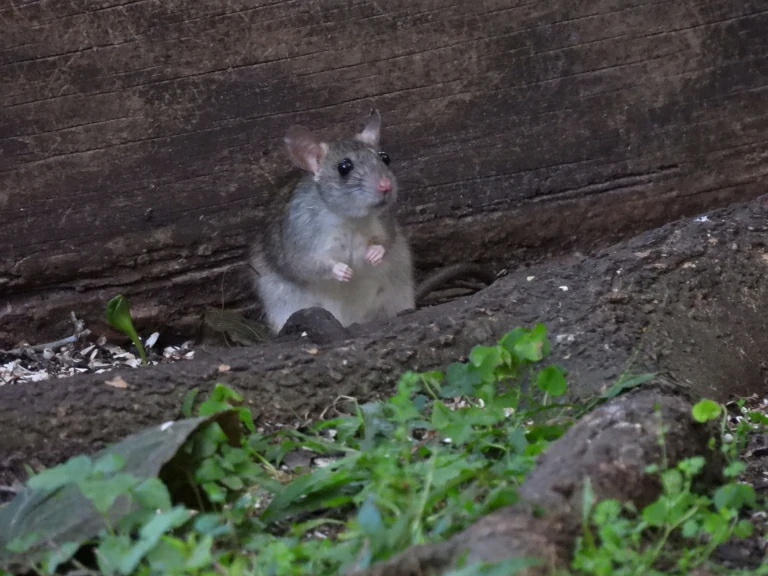
If you’ve worked in restaurants or food service, you might’ve heard horror stories about rats jumping into deep fryers. These stories sound crazy (and really gross), but they actually happen more often than you’d think.
So why would a rat jump into hot oil? Is this some kind of bizarre suicide, or is something else going on?
Rats don’t intentionally jump into deep fryers. They fall in by accident when they’re running along surfaces near the fryer, misjudge distances while trying to escape from threats, or are attracted by the smell of food and don’t realize the oil is dangerously hot until it’s too late.
These incidents usually happen in restaurant kitchens at night when the building is closed and rats come out to forage. The fryer becomes a deadly trap for rats that are just trying to find food or escape from perceived danger.
Understanding why this happens can help restaurant owners prevent these gruesome (and health code violating) situations.
Rats Don’t Understand What Deep Fryers Are
The first thing to understand is that rats don’t know what a deep fryer is or that it’s dangerous. They can’t recognize it as a threat the way a human would.
To a rat, a deep fryer is just another surface or container in the kitchen. They don’t have any instinctive understanding that the liquid inside is hot enough to kill them.
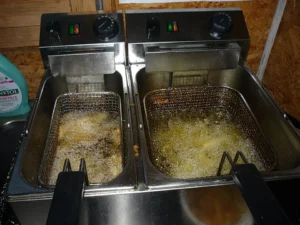
Rats rely heavily on smell, touch, and memory to navigate. They can’t assess the temperature of oil by looking at it, especially if the fryer is off or cooling down.
Many accidents happen when fryers are turned off but still contain oil. The oil might be warm but not obviously dangerous to the rat until it’s already in the fryer.
Even rats that live in restaurants and have been around fryers for weeks or months don’t necessarily learn to avoid them. Unlike fire or other immediately obvious dangers, the threat of hot oil isn’t clear until the rat makes direct contact.
Young rats especially lack the experience to recognize potential dangers. They’re more likely to explore unfamiliar objects and surfaces without caution.
The Food Smell Attraction
Deep fryers smell like food, and rats have an incredibly strong sense of smell. This attraction can override their natural caution.
Oil used for frying absorbs the scent of everything cooked in it. To a rat, a deep fryer smells like an all-you-can-eat buffet of french fries, chicken, fish, and whatever else has been fried.
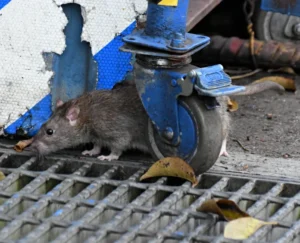
Rats might approach the fryer trying to get to food particles floating on the oil’s surface or stuck to the sides of the fryer basket.
The smell is strongest right after closing time when fryers have been used all day. This is exactly when rats become most active in restaurants.
If there are actual food particles in or near the fryer, rats will take serious risks to get them. Their hunger can make them bold and less careful.
Rats have been known to climb down into cold fryers to eat stuck-on food bits, which works fine until someone turns the fryer on the next morning without checking inside first.
Running and Panic Scenarios
Many rats end up in fryers because they’re running from something and don’t have time to assess where they’re going.
Restaurant kitchens are often active environments even after hours. Cleaning crews, closing staff, or even other predators (like cats) can scare rats into panicked flight.
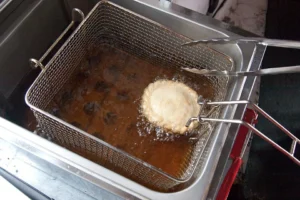
When rats panic, they run fast and take the first escape route they see. This might mean jumping off a counter or shelf, not realizing there’s a fryer below.
Rats are good jumpers and can leap several feet horizontally or vertically. But they don’t always look before they leap, especially when scared.
The reflective surface of oil can be deceiving. Under certain lighting conditions, oil might look solid or like it’s at a different level than it actually is.
If a rat is being chased by a person, another animal, or even another rat, it might jump into a fryer while trying to escape, choosing what looks like a hiding spot but is actually a death trap.
Poor Depth Perception in Certain Conditions
Rats have decent vision, but they struggle with depth perception in some situations, especially regarding smooth, reflective surfaces.
Oil in a fryer creates a dark, reflective surface that can look like solid ground to a rat, particularly under dim lighting conditions common in closed restaurants.
Rats rely on whiskers (called vibrissae) to sense their immediate surroundings and judge distances to nearby objects. But whiskers can’t detect the depth of liquid until the rat is right at the edge.
The sides of commercial fryers are often stainless steel, which reflects light in ways that can confuse rats about where surfaces begin and end.
If there’s a layer of condensation or grease on surfaces around the fryer, this can also trick rats into thinking they’re stepping onto solid ground when they’re actually stepping into open space above the oil.
Rats are more active at night and in low light, when their depth perception is already less reliable. Most fryer accidents happen during these hours.
Temperature Confusion
You might think rats can feel heat radiating from hot oil and would avoid it, but it’s not that simple.
Rats can detect radiant heat, but they need to be pretty close to the source. By the time a rat is close enough to feel the heat from oil, it might already be committed to whatever action it was taking.
If a fryer has been off for even 30 minutes, the oil cools down significantly at the surface while staying hot below. A rat might touch the cooler surface layer and think it’s safe.

Rats are attracted to warmth in general, especially in cooler weather or air-conditioned buildings. The warmth from a fryer might actually attract them rather than repel them.
The fatal mistake happens when they make contact with the oil. By then it’s too late to escape, especially because oil is slippery and rats can’t get traction to climb out.
Burns cause shock very quickly. A rat that touches hot oil might become disoriented or paralyzed by pain almost instantly, preventing it from escaping even if the fryer isn’t that deep.
Climbing and Falling Accidents
Rats are excellent climbers and use this ability to navigate kitchens, but climbing near fryers is dangerous.
Commercial fryers are often located against walls or in corners where rats naturally like to travel. Pipes, shelves, and equipment above fryers create climbing routes that rats follow.
Rats might be climbing along a pipe or shelf above a fryer and lose their grip. They fall straight down into the oil below.
Grease buildup on surfaces makes them slippery. A rat climbing on a greasy pipe or shelf might slip and fall unexpectedly.
Rats sometimes misjudge distances when jumping from one surface to another. They might jump from a counter toward a pipe, miscalculate, and land in the fryer instead.
Young rats, elderly rats, or sick rats have poorer coordination and are more likely to fall while climbing. These are the individuals most at risk of fryer accidents.
Investigating New Objects
Rats are curious animals and investigate changes in their environment. A fryer (especially a new one or one that’s been moved) becomes something they want to explore.
When rats explore, they often walk along the edges of objects and poke their noses into openings. This behavior can lead them to lean too far over a fryer’s edge and fall in.

They might try to walk along the rim of the fryer, lose their balance, and fall inward. The metal rim can be narrow and slippery.
If food or grease has spilled on the outside of the fryer, rats will lick it up. While leaning down to lick grease, they can lose balance and tumble in.
Rats use their front paws almost like hands to manipulate objects and test surfaces. They might reach into a fryer to investigate, lose balance, and fall.
Restaurant Conditions That Increase Risk
Certain conditions in restaurants make fryer accidents more likely to happen.
Fryers left uncovered at night are the biggest risk. Many restaurants don’t have lids for their fryers or staff forgets to put them on after closing.
Poor cleaning practices create grease buildup around fryers, which both attracts rats and makes surfaces more slippery.
Inadequate lighting in kitchens after hours means rats can’t see clearly and are more likely to misjudge distances and surfaces.
Cluttered kitchens with lots of boxes, equipment, and supplies near fryers give rats more climbing routes and jumping-off points above the fryer.
Restaurants with serious rat infestations have so many rats competing for space that they take more risks and explore dangerous areas they might otherwise avoid.
Older fryers with damaged or missing safety features (like proper venting or guards) are more hazardous for rats to navigate around.
What Happens When It Occurs
The aftermath of a rat in a fryer is disturbing and creates serious health code violations for the restaurant.
When a rat hits hot oil, death is usually very quick (within seconds), but not instant. The rat will thrash briefly, which can splash hot oil around.
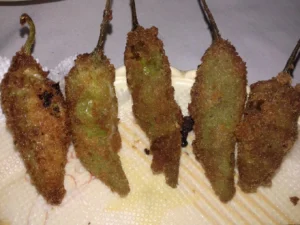
The body cooks rapidly. Hair burns off, skin blisters and chars, and the rat essentially becomes deep-fried.
The smell is absolutely horrible. Burning rat smells different from burning food and is immediately noticeable to anyone nearby.
If this happens overnight when no one’s around, staff arriving in the morning might discover the cooked rat floating in the oil or stuck in the fryer basket.
The entire fryer and all its oil must be discarded. You can’t just scoop out the rat and keep using that oil. Health codes require complete sanitization.
Some jurisdictions require restaurants to report these incidents to health departments, which can lead to inspections and fines.
Prevention Strategies
Restaurants can take steps to prevent rats from accessing deep fryers and avoid these disgusting situations.
Always cover fryers when not in use. Proper fitted lids or covers prevent rats from falling in even if they’re climbing nearby.
Keep fryer areas spotlessly clean. No grease buildup on surfaces, no food particles around the fryer, nothing that attracts rats to that specific area.
Improve general rat control in the building. If you don’t have rats in your restaurant in the first place, they can’t fall into your fryers.
Install better lighting in kitchen areas that stays on 24/7. Rats are less active in bright light, and when they do move around, they can see better and avoid falling.
Remove climbing routes near fryers. Don’t store boxes, supplies, or equipment above or next to fryers. Keep pipes and conduit away from fryer areas where possible.
Train staff to check fryers before turning them on each morning. A quick look inside takes seconds and can prevent cooking a rat that climbed in overnight.
Use fryers with built-in covers that close automatically or are easier to put on. If covering the fryer is convenient, staff are more likely to do it.
Why This Mostly Happens in Restaurants
While rats can encounter hot oil in other settings, the vast majority of these incidents happen in commercial kitchens.
Restaurants have large commercial fryers that hold many gallons of oil, creating a bigger target for falling rats.
The combination of constant food smells, rats seeking shelter, and fryers in active use creates perfect conditions for these accidents.

Home fryers are smaller and usually stored away when not in use. People are also more likely to be present when home fryers are operating.
Food processing plants and industrial kitchens face the same issues as restaurants, though they often have better pest control and safety protocols.
Restaurants, especially smaller ones or those with tight budgets, sometimes have inadequate pest control and maintenance, allowing rat populations to build up near dangerous equipment.
Urban Legends vs. Reality
There are lots of exaggerated stories about rats and fryers, so it’s worth separating fact from fiction.
Rats don’t commit suicide by jumping into fryers. They lack the cognitive ability to intentionally kill themselves.
Stories about rats surviving in fryers or climbing out are false. Once a rat is in hot oil, it can’t escape and dies within seconds.
Claims that rats “aim” for fryers because they think the oil is water are speculation. Rats probably can’t tell what the liquid is until they’re in it.
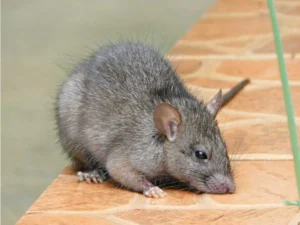
Tales of rats turning on fryers to warm themselves are impossible. Rats can’t operate commercial kitchen equipment.
However, stories about multiple rats in a single fryer during major infestations are sometimes true. If conditions are bad enough, several rats might fall in over the course of a night.
Legal and Health Code Implications
Finding a rat in your fryer has serious legal consequences for restaurants.
Health codes in most jurisdictions require immediate disposal of all oil and thorough cleaning of equipment when contamination occurs.
Restaurants must report the incident to health departments in many areas. Failure to report can result in larger fines than the incident itself.
If customers got sick or someone witnessed the incident, restaurants can face lawsuits and serious reputation damage.
Insurance might not cover all costs associated with cleanup, disposal, and potential business closure during inspection.
Repeat incidents can result in permanent closure of the establishment by health authorities.
Social media has made these incidents even more damaging. If staff post about finding a rat in the fryer, the restaurant’s reputation can be destroyed overnight.
Conclusion
Rats jump into deep fryers because they’re attracted by food smells, they can’t recognize the danger of hot oil, and they misjudge surfaces while climbing, running, or exploring.
These incidents aren’t intentional or suicidal behavior. They’re tragic accidents that happen when rats encounter dangerous equipment they don’t understand.
For restaurant owners, prevention is straightforward: control your rat population, cover your fryers, keep the area clean, and train staff to check equipment before use.
If you work in food service and find a rat in a fryer, don’t try to hide it. Follow proper health codes, report it, clean everything thoroughly, and fix whatever pest control problems led to rats being in your kitchen in the first place.

Hi, my name is Ezra Mushala, i have been interested animals all my life. I am the main author and editor here at snakeinformer.com.