
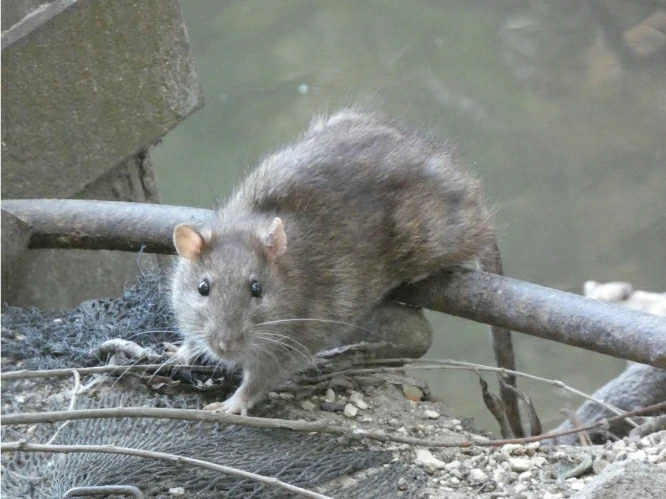
Few things are more terrifying than having a rat suddenly jump at you. Whether you’re walking through an alley, cleaning out a basement, or just minding your own business, a rat launching itself toward your face can make anyone scream.
So why do rats jump at people? Are they attacking, or is something else going on?
Rats jump at people out of fear and panic, not aggression. When cornered or surprised with no escape route, a rat will jump toward the nearest exit (which might be past you) or try to leap over the perceived threat. They’re trying to escape, not attack.
True attacks where rats are trying to hurt people are extremely rare. What looks like aggressive jumping is almost always a desperate escape attempt by a terrified rat.
Understanding why this happens can help you avoid these situations and react appropriately when they do occur.
Fear Is the Main Motivator
Rats are prey animals. In nature, they’re hunted by cats, dogs, hawks, owls, snakes, and lots of other predators. This means their first instinct is always to run and hide.

To a rat, humans are massive predators. Even a small person towers over a rat and could easily kill it. Rats know this instinctively.
When a rat encounters a human, its first choice is always to flee to safety. If it can run away without coming near you, it will.
The problem happens when a rat feels it has no way to escape. If you’re blocking the only exit, standing between the rat and its nest, or have cornered it in a tight space, the rat panics.
In panic mode, rats become unpredictable. They’ll take risks they normally wouldn’t, including jumping toward or past a human to reach what they perceive as safety.
The jump isn’t calculated aggression. It’s a fear response, similar to how you might flail or push someone if you were trapped and panicking.
Blocked Escape Routes
The most common reason rats jump at people is because their escape routes are blocked and you’re in the way.
Rats have predictable travel patterns. They follow the same routes repeatedly, usually along walls and edges where they feel safer. If you’re standing in one of these routes, you’re blocking their path.
When a rat rounds a corner and suddenly sees you blocking its regular path, it panics. If it can’t quickly find an alternative route, it might jump toward you to get past.

Basements, crawl spaces, storage rooms, and other enclosed areas are particularly risky because rats have fewer escape options. You’re more likely to accidentally corner a rat in these spaces.
Rats can jump straight up about 2 feet and horizontally 3 to 4 feet. If jumping past you is the only way to reach safety, they’ll do it even if it means coming close to you.
From the rat’s perspective, you’re a huge obstacle. It’s trying to jump around or over you, not at you specifically.
The Element of Surprise
Mutual surprise makes jumping incidents more likely. When neither you nor the rat expects the encounter, both of you react instinctively.
Rats are most active at night and in dark areas. If you suddenly turn on lights or move into a space where a rat is foraging, you startle it.
A startled rat doesn’t have time to carefully assess the situation and plan an escape. It reacts immediately with whatever option seems fastest.
Similarly, if you’re not expecting to see a rat and suddenly encounter one, your own reaction (stepping back, shouting, or moving quickly) can scare the rat into jumping.
The rat might be just as surprised to see you as you are to see it. In that moment of mutual shock, the rat’s instinct is to get away as fast as possible.
Quick movements from either party make things worse. If you move suddenly toward a rat (even by accident), it perceives this as an attack and responds with a panic jump.
Maternal Aggression Is Different
There’s one situation where rats might actually show true aggression toward humans: protecting babies.
Female rats with newborn pups can be extremely defensive. If they perceive you as a threat to their nest, they might charge or jump at you as a warning.
This is real aggression, not just panic. The mother rat is trying to drive you away from her babies.
However, even maternal aggression usually starts with warning signs. The rat will posture, make aggressive noises, and try to look threatening before actually jumping.
If you back away from a nest when a mother rat warns you, she’ll usually let you go. She just wants you far from her babies.
Maternal aggression is still rare in human encounters because most rats nest in hidden areas where humans don’t go. You’d have to specifically approach a nest to trigger this response.
Rats Don’t Hunt Humans
Unlike some animals, rats have no instinct to attack animals much larger than themselves. They’re not predators looking at you as prey.
Rats are omnivores that mostly eat grains, fruits, vegetables, and small invertebrates. They don’t hunt mammals, especially ones thousands of times their size.

The idea of rats as aggressive attackers is mostly myth and hysteria. Rats want nothing to do with humans and will avoid us whenever possible.
Even the largest wild rats (which can reach 2 pounds) wouldn’t attack a human unprovoked. The size difference is just too extreme.
Rats that appear to “attack” are almost always trying to escape past you, not hurt you. They’re hoping to scare you enough that you move out of their way.
Urban Environments Increase Encounters
Cities create more opportunities for rats and humans to surprise each other in tight spaces.
Alleyways, subway platforms, basements, and garbage areas force close encounters between rats and people.
Urban rats are somewhat bolder than rural rats because they’re more accustomed to human presence, but they’re still afraid of direct contact.
High rat populations in cities mean you’re more likely to accidentally corner a rat simply because there are more of them in the area.
Poor lighting in many urban areas means neither humans nor rats see each other until they’re very close.
Noise from traffic, construction, and city life masks the sounds both species make, leading to more surprise encounters.
How Rats Assess Threats
Understanding how rats perceive threats can help explain their jumping behavior.
Rats rely heavily on smell, hearing, and whisker sensation. Their eyesight is okay but not their strongest sense.
They can’t always tell exactly where you are or what you’re doing, especially in low light. A shape moving toward them just registers as “threat” without much detail.
Rats assess threat based on movement more than appearance. Fast movements register as more dangerous than slow ones.
They also can’t tell your intentions. You might be trying to help or ignore the rat, but it can’t distinguish between someone trying to catch it and someone just walking by.
The fight-or-flight response in rats is immediate and instinctive. There’s no reasoning or assessment beyond “threat detected, must escape.”
What Actually Happens During a Jump
When a rat jumps at you, it’s not trying to land on you or bite you (in most cases). Here’s what’s really happening.
The rat spots you blocking its escape route and makes a split-second decision that jumping toward you is better than staying where it is.
It launches itself in your direction, usually aiming to go past you, over you, or to the side of you to reach an exit.
The jump is powered by strong hind legs and can be surprisingly high and far. Rats are excellent jumpers for their size.
Most rats are trying to avoid touching you. They’re aiming for the space next to you, not your body.
Sometimes the rat miscalculates (because it’s panicking) and does contact you. This is usually brief contact as it scrambles past.
If the rat does make contact, it’s trying to push off you to continue its escape, not bite or claw intentionally.
Differences Between Species
Not all rats behave identically. Different rat species have slightly different temperaments.
Norway rats (the most common urban rat) are more likely to stand their ground or jump when cornered. They’re generally bolder.

Roof rats (black rats) are more agile climbers and might climb up and over obstacles (including you) rather than jumping horizontally.

Domestic pet rats are much less likely to jump at people because they’re bred for docile temperaments and are socialized to humans.
Wild rats that have had previous encounters with humans might be either more or less jumpy depending on whether those encounters were negative.
Younger rats are often more skittish and unpredictable. Older rats might be more experienced at avoiding humans.
Actual Rat Bites Are Rare
Despite the scary nature of rats jumping at people, actual bites from wild rats are uncommon.
Most rat-human contact during jumps is just the rat brushing past you or scrambling over your foot or leg.
Bites usually only happen if you try to grab the rat, corner it further, or accidentally step on it.
A cornered rat will try every escape option before resorting to biting. Biting is a last resort when all other options have failed.
If a rat does bite, it’s trying to make you let go or back off, not trying to feed on you.
Rat bites, while they do happen, are far less common than people fear. Most people who live in rat-infested areas go their entire lives without being bitten.
How to Avoid Being Jumped At
If you’re in an area where rats are present, you can reduce the chances of having one jump at you.
Make noise as you move through spaces where rats might be. This gives them time to hear you coming and hide before you arrive.
Use a flashlight in dark spaces. This lets you see rats before you get close and gives them time to escape.
Don’t corner rats. If you see a rat, step aside and give it a clear path to escape. It’ll run away rather than toward you.
Move slowly and deliberately rather than with sudden movements. Slow movements are less likely to trigger panic responses.
In areas with known rat problems, wear protective clothing like boots and long pants. This won’t prevent jumping but reduces the chance of a bite if contact occurs.
Keep one hand free and at your side. If a rat does jump, you can instinctively deflect it rather than having both hands full.
What to Do If a Rat Jumps at You
If you find yourself in a situation where a rat is jumping at you, here’s how to respond.
Don’t try to catch or hit the rat. This will make it more desperate and more likely to bite.

Step aside or back up to give it an escape route. Most rats will take the opportunity to flee rather than continue toward you.
Stay calm (easier said than done). Screaming and flailing make you seem like a bigger threat and can cause the rat to panic more.
Protect your face and neck if the rat is jumping high. Bring your arms up defensively.
After the encounter, wash any areas where the rat made contact. Rat fur can carry parasites and bacteria.
If bitten, clean the wound immediately with soap and water and seek medical attention. Rat bites can transmit diseases.
Settings Where This Happens Most
Certain environments are more likely to result in rats jumping at people.
Garbage rooms and dumpster areas provide lots of hiding spots for rats. When you approach to throw something away, you might surprise a rat.
Basements and crawl spaces have limited exits and poor lighting, making it easy to corner rats accidentally.
Subway platforms and tunnels have high rat populations and limited space, increasing encounter frequency.
Old buildings with lots of clutter provide rat habitat right near where people live and work.
Construction sites disturb rat nests, forcing rats into new areas where they encounter workers.
Parks at night, especially around trash bins, are common places for surprise rat encounters.
The Psychology of Why This Scares Us
Rats jumping at us is particularly terrifying for psychological reasons beyond the actual danger.
We instinctively fear things that move toward us suddenly. This triggers our own fight-or-flight response.
Rats are associated with disease and filth in most cultures, making them emotionally triggering even though individual encounters aren’t usually dangerous.

The unpredictability scares us. We can’t anticipate when or where a rat might jump.
Their appearance (naked tails, visible teeth, beady eyes) triggers disgust responses in many people.
The violation of personal space feels threatening even when the rat is just trying to escape.
Cultural conditioning and stories about rats as dangerous pests amplify our fear beyond the actual risk.
Seasonal Patterns
Rat jumping incidents follow seasonal patterns based on rat behavior throughout the year.
Spring brings baby rats that are less experienced and more likely to panic and make poor decisions about escaping.
Summer heat drives rats to seek water and food more actively, increasing encounters.
Fall brings breeding season and territorial behavior, which can make rats more reactive.
Winter drives rats indoors seeking warmth, bringing them into more direct contact with humans in buildings.
Heavy rain (any season) forces rats out of flooded burrows, increasing surface encounters.
Signs You Might Be About to Surprise a Rat
There are often warning signs that rats are present, giving you time to avoid surprising them.
Droppings (small, dark, rice-shaped) indicate recent rat activity.
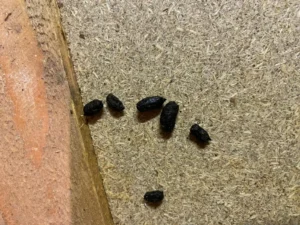
Gnaw marks on wood, plastic, or cardboard show rats have been working in the area.
Greasy smudge marks along walls show where rats regularly travel.
Scratching or scurrying sounds mean rats are active nearby.
A musky, ammonia-like smell indicates rat presence.
If you see one rat, assume others are nearby. Where there’s one, there’s usually more.
Conclusion
Rats jump at people because they’re terrified and trying to escape, not because they’re attacking. When cornered or surprised with no clear exit, a rat will take desperate measures to get away, which might mean jumping past or toward the person blocking their path.
These encounters are scary but rarely dangerous. The rat wants to get away from you just as much as you want to get away from it.
Understanding that jumping is a fear response rather than aggression can help you stay calm and handle these situations better. Give rats an escape route, move slowly, and most importantly, don’t corner them.
If you’re in rat-prone areas, a little awareness and caution can prevent most jumping incidents from happening in the first place.

Hi, my name is Ezra Mushala, i have been interested animals all my life. I am the main author and editor here at snakeinformer.com.