
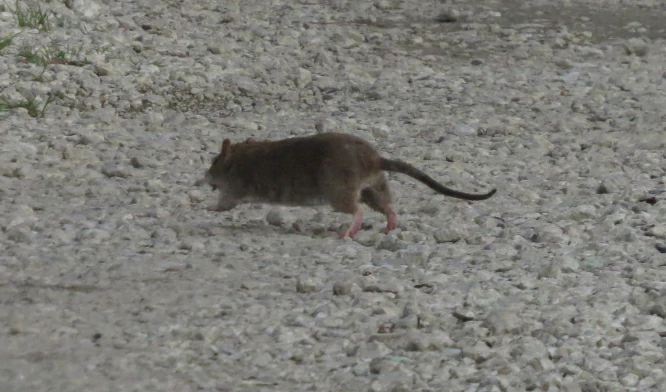
If you’ve watched your pet rat zooming around during playtime, you might have noticed something cute and unusual. Instead of running smoothly like a cat or dog, rats often move in little hops or bounces, almost like tiny kangaroos.
This hopping behavior can look playful and energetic, and it’s one of the many charming things about rats. But why do rats hop when they run?
Rats hop when they run because they’re excited, happy, and full of energy. This behavior is called “popcorning” or “bouncing,” and it’s a sign of joy and playfulness. Young rats do it more often, but adult rats hop too when they’re in a good mood.
The hopping movement is completely normal and healthy. It’s actually one of the best signs that your rat is feeling great and enjoying itself. When you see your rat bouncing around, you’re watching a happy animal.
What Popcorning Actually Looks Like
When rats hop or popcorn, the movement is pretty distinctive. It’s not just regular running. The rat will suddenly start making little jumps or bounces as it moves.
Some hops are small and quick, just little bounces mixed in with running. Other times, the rat will do bigger, more dramatic jumps, almost launching itself into the air.

Young rats are the most enthusiastic poppers. Baby and teenage rats will hop all over the place during playtime, sometimes bouncing off walls, furniture, and even other rats.
Adult rats still hop, but usually not as wildly as youngsters. An adult rat’s popcorning tends to be calmer and less frequent, though an especially excited adult can still put on quite a show.
The hopping often happens during play sessions, when exploring new areas, or when the rat is just released from its cage for free time. It’s pure excitement in physical form.
Why Rats Hop When They’re Happy
The hopping behavior is linked to positive emotions in rats. When a rat feels good, safe, and energetic, its brain releases feel-good chemicals, and all that happiness has to go somewhere.
Think of it like how a happy dog wags its tail or how a happy person might jump for joy. Rats express their happiness through movement, and hopping is one of their main ways to show it.

Research on rat behavior shows that popcorning happens most often in environments where the rat feels secure and comfortable. Rats in stressful situations don’t hop. They freeze, hide, or move cautiously.
So if your rat is hopping around, it’s telling you it feels safe with you and in its environment. It’s basically saying, “Life is good right now!”
Young rats hop more because they have tons of energy and everything is new and exciting to them. As rats get older, they mellow out a bit, but they’ll still hop when something really gets them excited.
The Physical Mechanics of Rat Hopping
Rats are built in a way that makes hopping natural and easy for them. Their body structure actually supports this kind of movement.
Rats have strong back legs with powerful muscles. These legs are designed for jumping, climbing, and quick bursts of speed. When a rat wants to hop, those back leg muscles do most of the work.

Their long tail helps with balance during hops and jumps. As the rat bounces, its tail acts like a counterweight, keeping the rat stable in the air and helping it land on its feet.
Rats are also surprisingly athletic for their size. They can jump vertically up to 3 feet and horizontally even farther. That’s impressive for an animal that weighs less than a pound.
The hopping motion uses up a lot of energy quickly, which is why rats don’t hop constantly. They’ll do it in bursts during active play, then settle down to explore more calmly.
Popcorning vs Other Types of Movement
It’s helpful to understand the difference between happy hopping and other rat movements. Not all jumping is the same.
Popcorning is characterized by bouncy, playful movements that happen during active play. The rat looks relaxed and happy, and the hops are mixed with running, exploring, and other playful behaviors.
Startled jumping is different. If a rat is scared by a sudden noise or movement, it might do a single, panicked jump. This jump is usually straight up or to the side, and the rat will freeze or run away immediately after. The body language is tense, not playful.
Escape jumping happens when a rat is trying to get away from something. The rat will make powerful, purposeful jumps to get over obstacles or out of reach. This is serious movement, not play.
You can tell happy hopping apart from scared jumping by watching the rat’s overall behavior. A happy, hopping rat will keep playing, exploring, and coming back to you. A scared rat will hide and stay still.
When Rats Hop the Most
There are specific times and situations when you’re most likely to see your rat hopping around. Knowing when to expect it can help you create opportunities for your rat to have fun.
Playtime outside the cage is prime hopping time. When you let your rats out for free roaming in a rat-proofed room, they’ll often start popcorning right away. The extra space and freedom gets them excited.

Young rats hop throughout the day whenever they’re awake and active. Baby rats seem to have two modes: sleeping and bouncing. They’re little energy machines.
Evening and early morning are when rats are naturally most active (they’re crepuscular, meaning they’re active at dawn and dusk). You’ll see more hopping during these times.
When you introduce new toys or rearrange the cage, rats often get excited and start hopping. The novelty stimulates them and brings out playful behavior.
After being apart from you for a while, your rats might hop when they see you again. This is their way of saying they’re happy to see you.
Do All Rats Hop
Most rats will hop at some point, especially when they’re young. However, individual rats have different personalities, and some are just more enthusiastic hoppers than others.
High-energy, outgoing rats tend to hop more. These are the rats that are always exploring, playing, and getting into things. Hopping fits their active personality.
Calmer, more laid-back rats might hop less frequently. They’re still happy, but they express it differently. They might show affection through gentle grooming or sitting calmly with you instead.
Older rats hop less than young rats. As rats age, they slow down naturally. An older rat might still do a few small hops when excited, but it won’t bounce around like it did as a baby.
Rats with health problems, especially joint pain, arthritis, or respiratory issues, might not hop at all. If your rat used to hop and suddenly stops, it could be a sign something’s wrong. Watch for other symptoms and consider a vet visit.
Some rats never really hop much, even when young and healthy. This doesn’t mean they’re unhappy. They just have a different way of moving and expressing themselves.
Other Signs Your Rat Is Happy
Hopping isn’t the only way rats show they’re happy. Understanding other positive behaviors helps you see the full picture of your rat’s emotional state.
Bruxing is when a rat grinds its teeth together, making a soft clicking or chattering sound. This is like a cat purring. Rats brux when they’re content and relaxed.
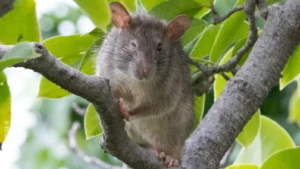
Boggling happens when a rat’s eyes vibrate or bulge in and out slightly. It often happens at the same time as bruxing. It looks weird, but it’s a sign of pure happiness.
Licking you is a rat’s way of showing affection. If your rat licks your hand or fingers, it’s grooming you like it would groom another rat. It’s a sign of trust and bonding.
Sleeping on you means your rat feels completely safe with you. Rats are prey animals, so they only sleep deeply when they feel secure. A rat snoozing on your lap or shoulder trusts you completely.
Grooming themselves while sitting with you shows they’re relaxed. Rats only groom when they feel safe. If your rat is casually cleaning itself while near you, it’s comfortable.
How to Encourage Healthy Play and Hopping
If you want to see your rats hop and play more, you can create an environment that encourages this natural behavior. The key is giving them what they need to feel safe and energetic.
Provide plenty of out-of-cage time. Rats need at least an hour of free roaming outside their cage every day (more is better). Use a rat-proofed room or set up a play area where they can run, climb, and explore.
Keep at least two rats together. Rats are social animals and they play more when they have friends. Two rats will chase each other, wrestle, and hop around together in ways a single rat never would.
Offer toys and enrichment. Rats are smart and need mental stimulation. Give them tunnels, boxes, hanging toys, things to climb on, and objects to investigate. Rotate toys regularly to keep things interesting.
Make sure they’re getting good nutrition. A healthy diet gives rats the energy they need for play. Feed high-quality rat food and avoid overfeeding, which can make rats sluggish.
Handle your rats gently and build trust. Rats that feel safe with you are more likely to play and hop around you. Spend time with them every day, talk softly, and offer treats.
When Hopping Might Signal a Problem
While hopping is usually a sign of happiness, there are rare cases where unusual jumping could indicate something’s wrong. It’s important to know the difference.
Frantic, panicked jumping combined with breathing problems could mean respiratory distress. If your rat seems to be jumping or thrashing because it can’t breathe, get to a vet immediately.
Repeated jumping at the cage walls with obvious frustration might mean the cage is too small or the rat isn’t getting enough enrichment. This is stressed behavior, not happy play.
Twitching or jerky movements that look like involuntary jumps could be neurological problems or seizures. If your rat’s movements don’t look controlled or playful, see a vet.
Jumping away from you repeatedly, even during calm situations, might mean your rat is scared of you or in pain when touched. This isn’t normal and needs attention.
If you’re not sure whether your rat’s behavior is normal happy hopping or something concerning, pay attention to the context and the rat’s overall body language. Happy rats look relaxed and playful. Stressed or sick rats look tense, hide, or show other symptoms.
Age-Related Changes in Hopping Behavior
As your rats age, you’ll notice their hopping behavior changes. Understanding this natural progression helps you know what to expect at different life stages.
Baby rats (0 to 3 months) are the champion hoppers. They seem to be made of pure energy. They’ll bounce constantly during playtime, often hopping so enthusiastically they tumble over themselves.
Teenage rats (3 to 6 months) are still very active and hop frequently, though they’re starting to develop more coordination. Their hops become more controlled and purposeful.
Young adult rats (6 to 12 months) hop less than babies but still have plenty of energy. They’re selective about when they hop, usually saving it for particularly exciting moments.
Middle-aged rats (12 to 18 months) hop occasionally but spend more time on calm exploration and cuddling. They’ve mellowed out but can still get excited.
Senior rats (18 months and older) rarely hop. They’re slowed down by age and possible health issues. A senior rat might do one or two gentle hops if really excited, but constant hopping is behind them.
This progression is normal and healthy. Don’t expect your 2-year-old rat to bounce like a baby. Just appreciate whatever level of activity they’re comfortable with.
Hopping in Different Rat Breeds
All rat breeds can hop, but some might show the behavior more than others based on their build and temperament. Recognizing these differences helps you understand your specific rats.
Standard rats are the most common pet rats. They’re medium-sized and have the typical body shape. These rats hop regularly when happy, especially when young.
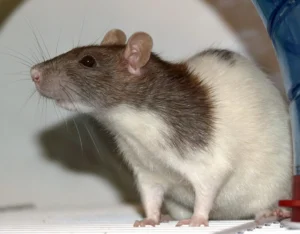
Dumbo rats (rats with large, low-set ears) hop just like standard rats. Their ear placement doesn’t affect their movement at all.
Hairless rats and rats with less fur hop normally too. Their lack of coat doesn’t change their behavior or energy levels.
Rex rats (rats with curly fur and whiskers) are just as hoppy as any other variety. The fur texture is purely cosmetic.
Larger rats might hop with slightly less height than smaller, lighter rats simply because of physics. More weight means more effort to get airborne. But they still hop when happy.
The main factor in hopping behavior is personality and age, not breed or variety. An energetic dumbo rat will hop more than a calm standard rat, regardless of how they look.
Conclusion
Rats hop when they run because they’re filled with joy, energy, and excitement. This adorable behavior, called popcorning, is one of the clearest signs that your rat is happy and comfortable.
When you see your rats bouncing around during playtime, you’re witnessing pure happiness in action. It’s your rat’s way of saying life is good, and it’s one of the many reasons these animals make such rewarding pets.
Encourage this natural behavior by giving your rats plenty of space to play, friends to interact with, and an environment where they feel safe. The more happy hopping you see, the better job you’re doing as a rat owner.

Hi, my name is Ezra Mushala, i have been interested animals all my life. I am the main author and editor here at snakeinformer.com.