
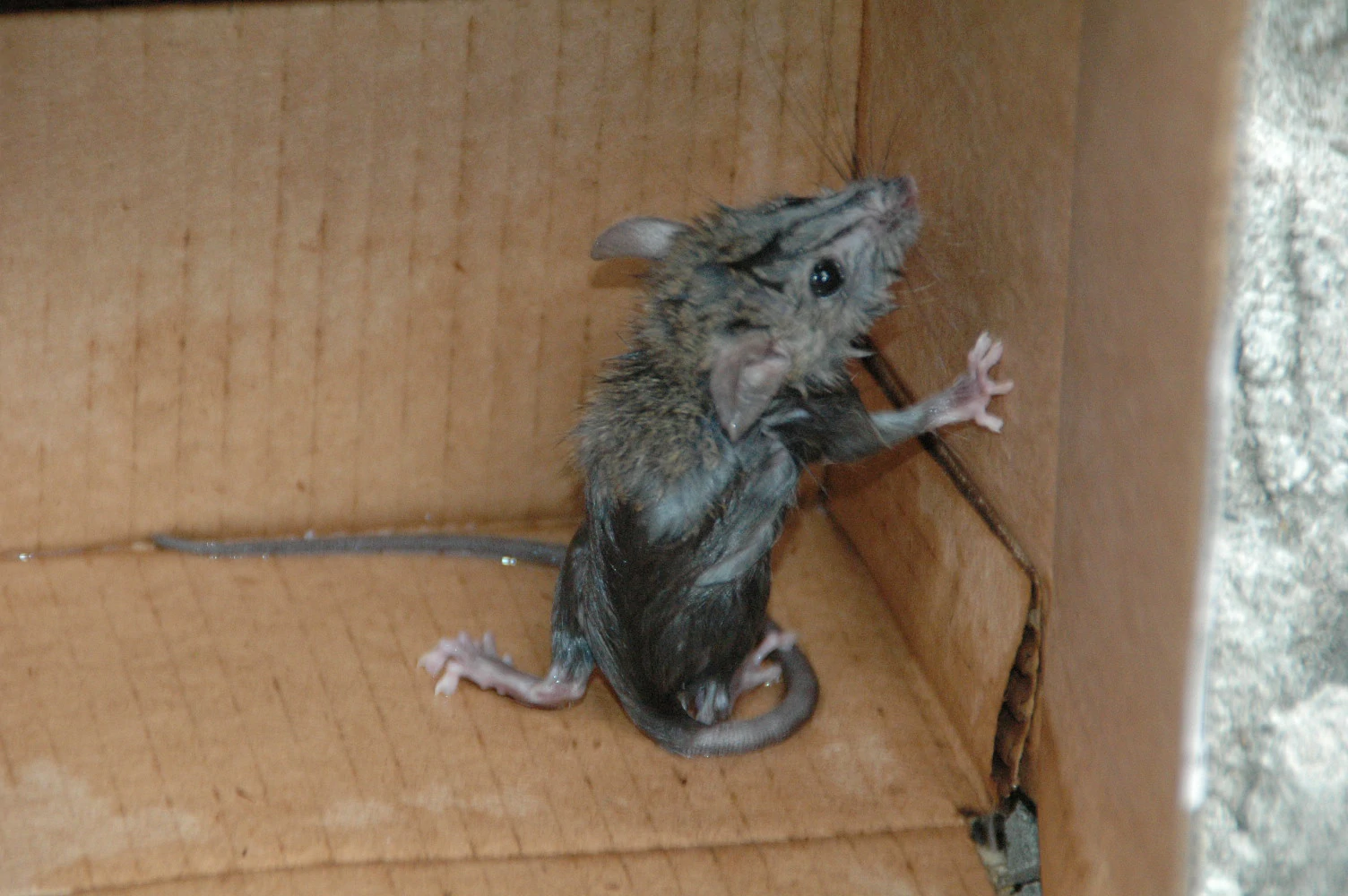
If you’ve ever watched a rat eat or pick something up, you’ve probably noticed something interesting about their little hands. Rats have tiny fingers that they use with surprising skill, grabbing food, grooming themselves, and handling objects with what looks like real dexterity.
But if you count those fingers carefully, you’ll see something that might surprise you. Most animals we’re familiar with have five fingers on each hand, but rats have only four fingers (plus a tiny thumb) on their front paws.
This isn’t a defect or missing digit, it’s actually how rats are built. So why do rats have 4 fingers?
Rats have four main fingers and one small thumb on their front paws because this hand structure works perfectly for their needs. The four longer fingers provide good grip and dexterity for climbing, digging, and handling food, while the small thumb helps them grasp objects without needing a fully opposable thumb like primates have.
This hand structure has served rats well for millions of years and is common among rodents. It gives them enough dexterity to survive and thrive without the complexity of a five-fingered hand.
The Anatomy of Rat Hands
When you look at a rat’s front paw, you’ll see four relatively long, thin digits that work as fingers. These are the second, third, fourth, and fifth digits (if you were counting like you count human fingers).
They’re roughly similar in length, though the middle two tend to be slightly longer than the outer ones.
The first digit (what would be the thumb) is present but very small. It’s called the pollex, and it sits on the inside of the paw closer to the rat’s body.
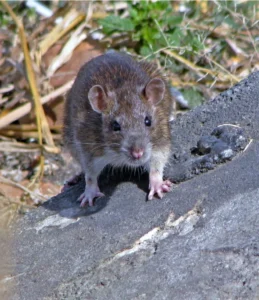
This tiny thumb has a small claw on it just like the other digits, but it’s much shorter and doesn’t extend as far forward as the other fingers.
Each of the four main fingers has three bones (phalanges), just like human fingers. The tiny thumb has only two bones. At the end of each digit is a sharp claw that rats use for gripping surfaces when they climb and for digging.
The paw itself has pads on the palm and on each finger tip. These pads are hairless and provide grip when the rat is climbing or holding something. The texture is slightly rough, which helps them hold onto smooth surfaces.
Between the bones and under the skin, rats have tendons, muscles, and ligaments that control finger movement. Rats have pretty good control over their individual fingers and can move them somewhat independently, though not with the precision of primate hands.
How This Differs from Human Hands
Humans have five fingers (including the thumb) on each hand, and our thumbs are opposable. This means we can touch our thumb to each of our other fingers, which gives us really precise grip and the ability to manipulate small objects with great control.
Rat hands work differently. Their small thumb isn’t truly opposable. It can move a bit, but not enough to press firmly against the other fingers the way a human thumb can.
Instead, rats grip things by curling their four main fingers around objects and using the palm and thumb for support.
The four-finger structure means rats hold things a bit differently than we do. When a rat picks up a piece of food, it usually uses both front paws together, cradling the food between them. The fingers curl around the food and the rat pulls it close to its chest while eating.
Human hands are built for precision and tool use. Rat hands are built more for climbing, digging, and handling food, tasks that don’t need the same level of precision. The four-finger setup works perfectly well for everything rats need to do.
Why Four Fingers Instead of Five
The four-finger arrangement in rats is actually an evolutionary adaptation that works really well for their lifestyle. Having one less fully developed digit means less weight and complexity in the paw, which can actually be an advantage.
For small animals like rats, every bit of weight matters. A simpler hand structure with fewer bones, muscles, and tendons means less energy is needed to grow and maintain the paw.
This lets rats put more energy into other things like reproduction or growing other parts of their body.
The four main fingers provide plenty of dexterity for what rats need to do. They can climb trees and ropes, dig burrows, handle food, groom themselves and each other, and manipulate their environment.
Adding a fifth fully developed finger wouldn’t really give them much advantage for these activities.
In evolutionary terms, traits that don’t provide enough benefit tend to get lost over time. The reduction of the thumb to a small nub suggests that a larger, fully functional thumb wasn’t beneficial enough for rats to maintain it.
The four-finger setup was “good enough,” so that’s what stuck around.
How Rats Use Their Four-Fingered Hands
Despite having one less main finger than humans, rats are surprisingly skilled with their paws. They can pick up small objects, manipulate food while eating, and even open things like containers or doors if they’re determined enough.
When eating, rats typically sit up on their hind legs and hold food in their front paws. They’ll rotate the food as they eat it, kind of like how you might turn a corn on the cob. The four fingers wrap around the food item and the rat has pretty good control over its position.
Rats also use their hands for grooming, which they do constantly. They’ll lick their paws and then use them to wash their faces, ears, and head. The fingers can spread out and come together, letting the rat really work through its fur to keep clean.
For climbing, the four fingers work great. Rats can grip onto branches, ropes, and cage bars really well. The claws at the end of each finger hook onto surfaces, and the finger pads provide friction for grip. This setup lets rats climb almost anything.
Digging is another important use for rat hands. When digging, rats use their claws to break up soil and their fingers to scoop and push dirt backward.
The four-finger arrangement gives them enough “surface area” to move dirt efficiently while keeping the paw structure relatively simple.
The Back Feet Are Different
While we’re talking about rat digits, it’s worth noting that rat back feet are actually different from their front paws. The back feet have five toes, not four.
These toes are longer and more spread out than the front paw digits.
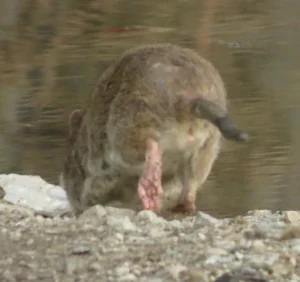
The back feet are used more for pushing and balancing than for gripping and manipulating. The five-toe arrangement on the back feet provides a stable platform when the rat sits up or stands. It gives them good balance and helps distribute weight when they’re moving.
The difference between front and back feet shows how evolution shaped different parts of the body for different jobs. Front paws needed to be good at handling objects and climbing, while back feet needed to be good at pushing off for jumping and providing stable support.
This front versus back difference is common in many animals. Even in humans, our hands and feet are shaped differently for their different roles, though both have five digits.
Comparison to Other Rodents
The four-finger front paw arrangement isn’t unique to rats. Many rodents have similar hand structures. Mice, which are closely related to rats, also have four main fingers and a tiny thumb on their front paws.
Squirrels have the same basic setup (four fingers plus a small thumb), which makes sense since they’re also rodents. Hamsters, gerbils, and guinea pigs all have variations of this four-finger arrangement as well.
However, not all rodents are identical. Some have slightly different proportions or slightly more developed thumbs.
Beavers, for example, have very specialized hands adapted for swimming and dam building. But the basic four-finger pattern is common throughout the rodent family.
This shared trait among rodents suggests it appeared early in rodent evolution and has been maintained because it works well for the rodent lifestyle. All these animals climb, dig, and handle food in similar ways, so similar hand structures make sense.
The Small Thumb Still Has a Purpose
Even though the rat’s thumb is tiny and not opposable, it’s not completely useless. That little digit does help with gripping, even if it’s not as important as the four main fingers.
When a rat grabs onto something, the thumb helps press against the palm to create a more secure grip. Think of it like a small support that helps stabilize whatever the rat is holding.
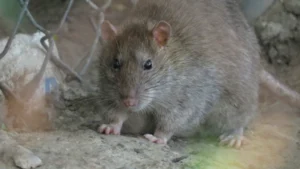
It’s not doing the main work of gripping (that’s the four fingers), but it’s adding a bit of extra security.
The thumb also has a claw, which helps when climbing. Even though it’s small, that claw can hook onto surfaces and provide an additional point of contact with whatever the rat is climbing on.
In some behaviors, you can actually see the thumb in use. When rats are grooming their faces, sometimes the thumb moves independently and helps manipulate the skin or fur in certain spots. It’s subtle, but it’s there.
Evolutionary History of Rodent Hands
Rodents evolved from earlier mammals that had five digits on all four feet. Over millions of years, as rodents adapted to their specific lifestyles, the hand structure changed to be more efficient for what they needed.
The reduction of the thumb probably happened gradually. Early rodent ancestors might have had slightly larger thumbs that got smaller and smaller over generations because maintaining a full thumb didn’t provide enough benefit compared to the energy cost.
Fossil evidence of early rodents shows that this four-finger arrangement is ancient. It’s been the standard rodent hand design for millions of years, which tells us it’s a successful design that’s stood the test of time.
Different rodent groups then evolved slight variations based on their specific needs. Tree-dwelling rodents might have developed better gripping ability, while digging rodents developed stronger claws. But the basic four-finger plus tiny thumb design stayed consistent.
Dexterity Without Opposable Thumbs
One of the most interesting things about rat hands is how much they can do without true opposable thumbs. Opposable thumbs are usually considered a major advantage (they’re part of what makes primates so good at using tools), but rats manage pretty well without them.
Rats make up for the lack of opposable thumbs by using both front paws together for most tasks. When a human picks up something small, we might use one hand with the thumb and fingers working together.

A rat will use both paws together to accomplish the same thing.
This two-handed approach works fine for rat-sized objects and rat-level tasks. They’re not trying to thread needles or write with pencils. They just need to grab food, climb branches, and dig holes
. The four-finger setup handles all of that.
Some research has shown that rats can actually be quite precise with their paws when they need to be. In laboratory tests, rats can learn to press small levers, pull strings, and manipulate objects in specific ways.
They might not have opposable thumbs, but they’ve got enough dexterity for complex behaviors.
How Injuries Affect Function
When a rat loses a finger or damages its paw, it can still function surprisingly well. Because the four fingers work somewhat independently, losing one doesn’t completely disable the paw the way losing several fingers might.
Rats are adaptable and will compensate for missing digits by adjusting how they grip things. A rat missing one finger might hold food a bit differently or rely more on its other paw, but it can usually still eat, climb, and groom.
That said, paw injuries can be serious. If the paw gets infected or multiple digits are damaged, the rat’s quality of life goes down significantly. Good paw health is important for all the activities rats need to do daily.
Pet rats sometimes develop bumblefoot (a condition where the foot pads become infected and swollen) which can make using their paws painful. This shows how important healthy paws are to rat wellbeing, even with the relatively simple four-finger structure.
The Role of Claws
The claws on each of the four fingers (and the tiny thumb) are really important for how rats use their hands. These claws are made of keratin (the same material as human fingernails) but are much sharper and more curved.
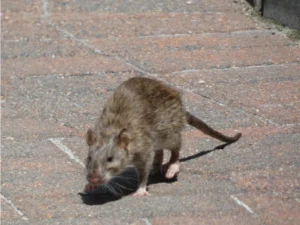
When climbing, the claws hook onto surfaces and provide grip that the finger pads alone couldn’t manage. Rats can climb up rough wood, rope, and even some smooth surfaces by using their claws to find tiny imperfections to grip onto.
For digging, the claws work like tiny shovels. They break up soil and help the rat scoop dirt backward out of a burrow. The claws on all four fingers working together can move dirt pretty efficiently.
Rats also use their claws for grooming. They’ll scratch at their fur to remove debris or work out tangles. The sharp claws can get down to the skin and really work through the coat.
The claws grow continuously throughout the rat’s life, just like their teeth. They wear down naturally through normal activity like climbing and digging. Pet rats sometimes need their claws trimmed if they’re not wearing them down enough through activity.
Do Pet Rats Need Special Care for Their Hands
Pet rats don’t usually need much special care for their paws, but there are some things owners should watch for. The paws should be clean and free from cuts or swelling. The pads should be soft and pink (or dark brown/black depending on the rat’s coloring), not hard and dry.
Providing climbing opportunities helps keep the paws and claws healthy. When rats climb on different textures (wood, rope, metal bars), it helps wear the claws down naturally and keeps the foot muscles strong.
Sometimes pet rat claws can get snagged on fabric (like fleece bedding or hammocks) and tear or rip off. This is painful and can bleed, though rats usually recover fine. Using appropriate bedding materials and checking claws occasionally can help prevent this.
If a pet rat develops any swelling, redness, limping, or reluctance to use a paw, it needs to see a vet. Paw problems can get serious quickly if left untreated.
Conclusion
Rats have four main fingers and one tiny thumb on their front paws because this hand structure perfectly suits their needs. The four-finger design gives them plenty of dexterity for climbing, digging, handling food, and grooming without the added complexity and weight of five fully developed fingers.
This arrangement has been successful for rodents for millions of years. The small thumb, while not opposable like a primate thumb, still provides some additional grip and support. The claws on each digit allow rats to climb almost anything and dig effectively.
Evolution shaped rat hands to be efficient and functional for their lifestyle. They might not have the precision of human hands with opposable thumbs, but they don’t need it.
For everything a rat needs to do to survive and thrive, four fingers works just fine.
Understanding this aspect of rat anatomy helps us appreciate how well-adapted these animals are to their environment and how evolution creates different solutions for different needs.

Hi, my name is Ezra Mushala, i have been interested animals all my life. I am the main author and editor here at snakeinformer.com.