
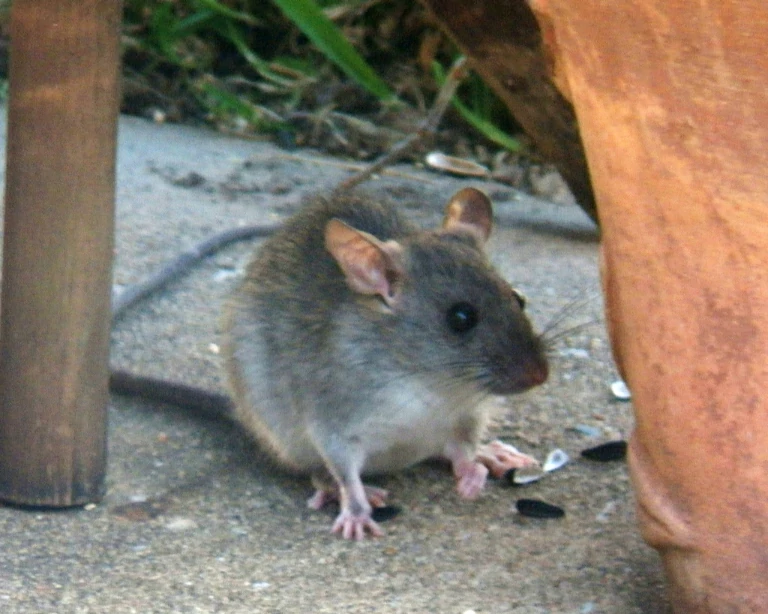
Walk into any hardware store and you’ll find peppermint oil marketed as a natural rat repellent. Online forums are full of people swearing it works, while others say it’s completely useless.
The idea makes sense on the surface. Peppermint oil has a strong smell that many people find pleasant but overwhelming in large amounts.
So if it’s that intense for humans, maybe it’s unbearable for rats with their sensitive noses. Why do rats hate peppermint oil?
Rats hate peppermint oil because their sense of smell is much stronger than humans, and the menthol in peppermint oil irritates their sensitive nasal passages and mucous membranes, making it painful and uncomfortable to breathe in areas where the scent is concentrated.
Their noses are designed to pick up faint food smells from far away. When something as strong as peppermint oil floods that sensitive system, it’s overwhelming and unpleasant enough to make them avoid the area.
How Sensitive Is a Rat’s Sense of Smell?
Rats rely on their noses for almost everything. Their sense of smell is anywhere from 10 to 100 times stronger than a human’s, depending on which study you look at.

They use smell to find food, identify other rats, detect predators, and get around in the dark. A huge portion of their brain is dedicated to processing scent information. When they breathe, they’re constantly analyzing what’s in the air.
Their nasal passages are packed with scent receptors. Humans have about 5 million scent receptor cells. Rats have closer to 10-15 million. That’s a lot more hardware dedicated to smelling things.
This sensitivity is great for finding a crumb of food across a room. But it also means strong smells hit them much harder than they hit us. What seems mildly strong to a human can be painfully intense to a rat.
What’s Actually in Peppermint Oil?
Peppermint oil comes from crushing peppermint leaves. The main active ingredient is menthol, which makes up about 40-50% of the oil. Menthol is what gives peppermint its cooling, tingly sensation.
Other compounds in peppermint oil include menthone, menthyl acetate, and various other chemicals. These all contribute to the overall scent and effect.

When you smell peppermint, you’re detecting these volatile compounds floating through the air. They evaporate from the oil and spread out, which is why peppermint smell carries so well.
For rats, these compounds don’t just smell strong. The menthol actually triggers physical sensations in their nose and throat. It’s not just a scent. It’s an irritant.
How Does Menthol Affect Rats?
Menthol activates cold-sensitive receptors in the nose and mouth. This is why peppermint feels “cool” when you taste it. Your body thinks it’s cold even though the temperature hasn’t changed.
In rats, this sensation is much more intense. Their nasal passages are sensitive and small. Breathing in menthol vapor activates these cold receptors all through their nose and throat.
It’s not painful exactly, but it’s extremely uncomfortable. Imagine breathing in really strong menthol vapor constantly. Your nose would burn, your eyes might water, and you’d want to get away from it fast.
The menthol can also dry out mucous membranes. Rats need these membranes to stay moist to smell properly and breathe comfortably. When menthol dries them out, it makes breathing harder and less pleasant.
Do Rats Actually Avoid Peppermint Oil in Studies?
Research on this is mixed, which is frustrating for people looking for clear answers. Some studies show rats avoiding peppermint scent. Others show they get used to it pretty quickly.
In short-term tests, rats definitely avoid areas with fresh peppermint oil. When given a choice between a peppermint-scented area and an unscented area, they’ll pick the unscented one almost every time.
But longer studies show a different pattern. After a few days or weeks of exposure, many rats start ignoring the peppermint smell. They’ll walk right through it if there’s food or shelter on the other side.
The concentration matters a lot. High concentrations of peppermint oil (like 100% pure oil on cotton balls) keep rats away longer. Diluted amounts or old, weak peppermint scents barely slow them down.
Why Do Some People Say Peppermint Oil Works?
When people first put out peppermint oil, they often see immediate results. Rats that were hanging around seem to disappear. This creates the impression that it works great.
What’s really happening is the rats are temporarily avoiding that specific spot. The smell is new and strong, so they take a different route or come back later when the smell has faded.
If the peppermint oil is blocking access to something rats really need (like their main food source or nest), they’ll find a way around it or just tolerate the smell. But if it’s just one route among many, they’ll take a different path.
The placebo effect plays a role too. People want natural solutions to work, so when they don’t see rats for a few days after using peppermint oil, they assume it’s working even if the rats just happened to be elsewhere for unrelated reasons.
Why Do Others Say It Doesn’t Work?
Pest control professionals are usually skeptical about peppermint oil because they’ve seen it fail so many times. Rats adapt to it quickly, and it doesn’t address why rats are there in the first place.
The smell fades fast. Peppermint oil evaporates, especially in warm conditions or with air flow. What seems strong to you after one day might be barely noticeable after three days. Rats just wait it out.
Rats are also really motivated when they find good food sources or safe shelter. A bit of unpleasant smell isn’t enough to make them abandon a great nesting spot or reliable food supply.
In commercial or heavy infestation situations, peppermint oil is basically useless. When you have dozens or hundreds of rats, they can’t all just avoid the pepperminted areas. Some will push through, and once a few do it, others follow.
How Strong Does Peppermint Oil Need to Be?
If you’re going to try peppermint oil, concentration is everything. The weak peppermint sprays you can buy at stores usually aren’t strong enough to matter.
Pure peppermint essential oil (100%) is what you’d need. Even then, you have to use a lot of it and refresh it constantly. We’re talking cotton balls soaked in oil, replaced every 2-3 days.

The smell needs to be strong enough that you find it unpleasant too. If you can barely smell it, rats definitely won’t care. If it’s making your own eyes water a bit, it might be strong enough to bother them.
You also need to cover every area where rats might go. Missing even one route means they’ll just use that path instead. This gets expensive and time-consuming fast.
Where Does Peppermint Oil Work Best?
Peppermint oil isn’t completely useless, but it only works in specific situations. Small spaces with good ventilation control are ideal.
Inside a car or RV that’s being stored, peppermint oil cotton balls might keep rats from nesting. The space is small, it’s enclosed, and the smell stays concentrated.
In closets or storage areas that you don’t use often, it might help. Rats looking for easy nesting spots might choose somewhere else if the closet reeks of peppermint.
As a temporary measure while you fix the real problem, it could buy you a few days. If you’re waiting for an exterminator but want to keep rats out of one specific area in the meantime, heavy peppermint oil use might work briefly.
But in active living spaces, kitchens, basements, or anywhere rats have established themselves, peppermint oil alone won’t solve the problem.
What Other Smells Do Rats Hate?
Peppermint gets the most attention, but rats dislike several strong scents. Understanding why helps explain what might actually work.
Ammonia smells like predator urine to rats, so they avoid it instinctively. But it’s also dangerous to breathe for humans and pets, making it impractical for most situations.
Mothballs contain naphthalene, which rats find unpleasant. But mothballs are toxic and shouldn’t be used around food prep areas or where kids and pets can reach them.
Cayenne pepper and other hot spices irritate rats’ noses and paws. They might avoid areas dusted with cayenne, but rain washes it away and it needs constant reapplication.
Eucalyptus and citronella oils work similarly to peppermint. They’re less studied but probably have similar temporary effects.
The pattern is the same for all of these. Strong, irritating smells might work briefly, but rats adapt or find ways around them.
Can You Combine Peppermint Oil With Other Methods?
Peppermint oil makes more sense as part of a bigger strategy rather than a standalone solution. It’s not going to solve a rat problem by itself.
Using it along with sealing entry points might help. If you’ve blocked most ways into your house and use peppermint at the few remaining spots, it adds one more reason for rats to look elsewhere.
After getting rid of rats with traps or professional help, peppermint oil might discourage new rats from moving in immediately. It’s not prevention on its own, but it could help slightly.
In gardens or outdoor areas, peppermint plants (not just oil) might make rats choose different paths. Combined with removing food sources and shelter, it could be a small part of making your yard less attractive.
The key is having realistic expectations. Don’t count on peppermint oil to do the heavy lifting. Use it as a minor additional deterrent at best.
Why Don’t Rats Just Get Used to Peppermint Smell?
Actually, they do. This is one of the biggest problems with using peppermint oil long-term. Rats are incredibly adaptable animals.
When they first smell peppermint, it’s new and overwhelming. Their instinct is to avoid new, strong smells because they might indicate danger. This is called neophobia (fear of new things).
After a few exposures, the smell becomes familiar. It’s not associated with any actual danger, so their fear response fades. The smell might still be unpleasant, but it’s not scary anymore.

If there’s something valuable on the other side of the peppermint smell (food, water, shelter), rats will push through the discomfort. They’re motivated by survival, and a bad smell isn’t enough to override that.
Young rats born in areas where peppermint smell is common might not even react to it much. They grow up with it as part of their normal environment.
How Does Peppermint Oil Compare to Professional Solutions?
Pest control professionals use methods that actually eliminate rats rather than just trying to repel them. The difference in effectiveness is huge.
Snap traps and live traps catch rats regardless of what they smell like. A hungry rat will go for bait even if there’s peppermint smell nearby.
Rodenticides (poison) work because rats eat them. The poison doesn’t rely on smell to work, so peppermint oil doesn’t interfere or help.
Exclusion (sealing up buildings) is the gold standard for rat control. Once rats can’t get in, it doesn’t matter whether they hate peppermint oil or not.
Professional-grade repellents exist, but even these are considered supplementary. No exterminator would rely on smell-based repellents alone to solve a real rat problem.
The cost difference is interesting too. Using enough peppermint oil to make any difference can actually cost more than professional pest control when you add up buying oil and replacing it constantly.
What Do Homeowners Need to Know?
If you’re dealing with rats, peppermint oil might be worth trying, but go in with low expectations. It’s not a solution, just a possible minor help.
For light situations where you’ve seen one or two rats and want to discourage them from a specific area, fresh peppermint oil might work temporarily. Use pure essential oil, refresh it often, and combine it with actually fixing whatever attracted rats in the first place.
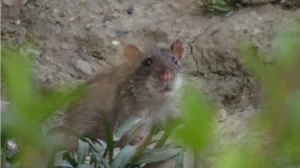
For active infestations where you’re seeing rats regularly or finding droppings everywhere, don’t waste your time or money on peppermint oil. You need real pest control methods.
The appeal of peppermint oil makes sense. It’s natural, smells good to humans, and seems safer than poison or traps. But rats are tough animals that have survived alongside humans for thousands of years. They’re not going to be defeated by mint.
Is Peppermint Oil Safe to Use?
One advantage of peppermint oil is that it’s relatively safe compared to rat poison or other chemicals. But “natural” doesn’t automatically mean “harmless.”
Pure essential oils can irritate skin and eyes in humans too. If you’re soaking cotton balls in 100% peppermint oil and placing them around your house, be careful not to get it on your skin or in your eyes.

Cats are especially sensitive to essential oils. Their livers can’t process certain compounds the way human livers can. Using lots of peppermint oil in a house with cats could potentially make them sick.
Dogs generally handle peppermint better than cats, but concentrated oils can still cause problems if they get into it or if there’s way too much in the air.
For humans, breathing in too much peppermint vapor can cause headaches, nausea, or dizziness. If you’re using so much that your house reeks of peppermint, you might be making yourself uncomfortable too.
What Really Works for Getting Rid of Rats?
Since we’re talking about what doesn’t work that well, it’s worth covering what actually does work. Real rat control comes down to three things.
First, eliminate food sources. Rats need to eat daily. If they can’t find food in your house, they’ll go somewhere else. Store food in sealed containers, clean up crumbs immediately, take out garbage regularly, and don’t leave pet food out overnight.
Second, seal entry points. Rats can squeeze through holes the size of a quarter. Find and block every gap, crack, and hole in your foundation, walls, and roof. Use steel wool and caulk for small gaps, metal mesh for bigger ones.
Third, remove them. Traps (snap traps or live traps) work if you use enough of them and place them correctly. Bait them with peanut butter or bacon, not cheese. Check and reset them daily.
For serious problems, professional exterminators have tools and experience that homeowners don’t. They can identify how rats are getting in, where they’re nesting, and the best way to eliminate them permanently.
Conclusion
Rats hate peppermint oil because it irritates their sensitive noses and triggers uncomfortable cold sensations in their nasal passages. When they first smell it, they’ll usually avoid it.
But “hate” doesn’t mean “will never go near it.” Rats adapt quickly to unpleasant smells, especially when there’s food or shelter they need on the other side. Peppermint oil might work as a very temporary deterrent in limited situations, but it’s not a real solution to a rat problem.
If you want to try it, use pure essential oil in high concentrations, refresh it constantly, and combine it with real pest control methods. Don’t expect miracles, and don’t rely on it as your only strategy.
The best approach to rats is still the boring, unglamorous work of removing food, sealing buildings, and using traps. Peppermint oil might smell better than rat poison, but it doesn’t work nearly as well.

Hi, my name is Ezra Mushala, i have been interested animals all my life. I am the main author and editor here at snakeinformer.com.