
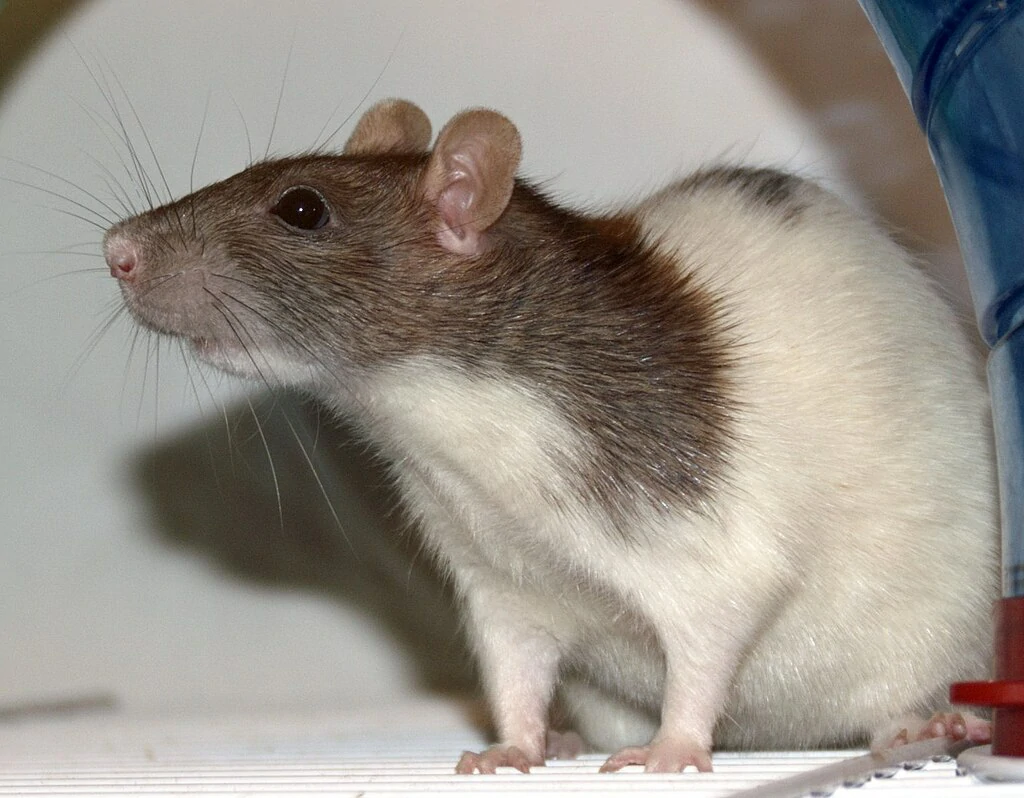
If you’ve ever watched pet rats during playtime, you’ve probably seen them suddenly take off running around their cage or play area like they’ve lost their minds.
They’ll sprint in circles, bounce off walls, do flips, and basically act like they’re supercharged with energy. This behavior is often called “zoomies,” and it’s both hilarious and a bit confusing to watch. So why do rats get zoomies?
Rats get zoomies because of excess energy that needs to be released, excitement and happiness, play behavior, and natural athletic ability. Zoomies are a sign of a healthy, happy rat that feels safe enough to engage in energetic play. The behavior is completely normal and actually shows your rat is comfortable in its environment.
Zoomies aren’t random crazy behavior. They serve real purposes for rats and are part of normal rat psychology and physical health.
When your rat goes zooming around, it’s not stressed or sick. It’s actually the opposite. It’s a rat doing what rats do when they feel good and have energy to burn.
What Zoomies Actually Look Like in Rats
Before we talk about why it happens, let’s describe what rat zoomies actually look like so we’re all on the same page.
A rat getting zoomies will suddenly start running really fast, usually in patterns like circles or figure-eights. The movements are quick and energetic.
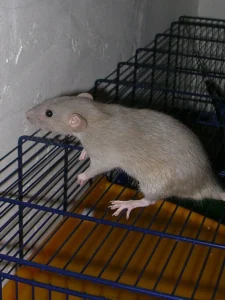
They’ll often bounce off walls, cage bars, or furniture. It looks almost like the rat is ricocheting around the space.
Some rats do little jumps or hops while running. Others might do full backflips or twist in mid-air.
The rat’s body language during zoomies is loose and playful. Ears are up, eyes are bright, and the whole rat looks happy.
Zoomies usually come in bursts that last anywhere from a few seconds to a couple of minutes. Then the rat stops, catches its breath, and might start up again.
You might hear little happy sounds like bruxing (teeth grinding, a sign of contentment) or even tiny squeaks of excitement.
After a zoomie session, the rat usually looks satisfied and might settle down to groom or just rest. The energy has been released.
Multiple rats together will sometimes get the zoomies at the same time, chasing each other and playing. This is adorable to watch.
Energy Release and Exercise Needs
One of the main reasons rats get zoomies is simply to burn off excess energy. Rats are naturally active animals that need physical exercise.
In the wild, rats travel long distances every night looking for food, exploring territory, and avoiding predators. They’re built to move a lot.
Pet rats in cages don’t get as much natural movement, so energy builds up. Zoomies are a way to release that built-up energy quickly.
Rats that don’t get enough exercise or playtime outside the cage tend to have more intense zoomies when they do get the chance to run.
Young rats have way more energy than older rats and will get zoomies more frequently. A young rat might zoom several times a day.
The energy release feels good to the rat. It’s satisfying in the same way a good workout feels good to humans.
Regular free roam time where rats can run around helps prevent excessive energy buildup. Rats that get daily exercise still get zoomies, but the sessions are usually shorter.
Think of zoomies like a human suddenly needing to stretch after sitting too long. The rat’s body is saying “I need to MOVE right now!”
Happiness and Excitement
Zoomies are often triggered by positive emotions. A happy, excited rat is more likely to zoom than a calm, relaxed one.
When you let your rat out for playtime, the excitement of freedom and new space to explore can trigger immediate zoomies.
Rats that are happy to see you might zoom when you approach their cage or reach in to interact with them.
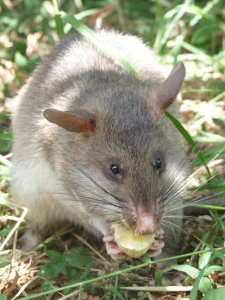
Getting a favorite treat or toy can spark zoomies. The rat is so excited it needs to run around to express the feeling.
Some rats zoom after successfully solving a puzzle or finding hidden treats. It’s like a celebration of their success.
The excitement of playing with cage mates can escalate into zoomies. One rat gets excited, starts running, and suddenly everyone is zooming.
Rats that feel safe and secure in their environment are more likely to have zoomies. A scared or stressed rat won’t waste energy on playful running.
The zoomies seem to be genuinely fun for rats. They’re not doing it because they have to. They’re doing it because it feels good.
Play Behavior and Social Interaction
Zoomies are closely linked to play, which is an important behavior for rats.
Young rats learn social skills, boundaries, and physical coordination through play. Zoomies are often part of play sessions.
When rats play fight (which looks rough but is friendly), they’ll often break into zoomies as part of the game.
Chase games between rats almost always involve zoomies. One rat runs, another chases, and both are zooming around having fun.
Solo rats can still get zoomies, but they’re often more common and elaborate in rats that have cage mates to play with.
Zoomies help rats practice important physical skills like quick direction changes, jumping, and maintaining balance at high speeds.
The social aspect matters. Rats are more likely to zoom when they have an audience, whether that’s other rats or their human owner.
Some rats develop individual zooming styles. One might do lots of jumps, another might focus on speed, another might do spins. It’s like a personality quirk.
Play is important for rat mental health. Rats that play regularly, including getting zoomies, are generally happier and healthier.
Natural Athletic Ability
Rats are surprisingly athletic animals. Zoomies showcase their physical capabilities.
Rats can run up to 8 miles per hour in short bursts. That’s really fast for such a small animal.
They can jump vertically up to 3 feet and horizontally even farther. Zoomies often include impressive jumping displays.
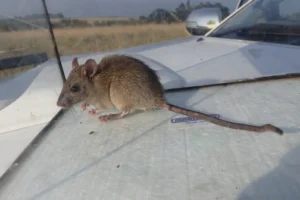
Rats have excellent balance and coordination. They can make sharp turns and sudden stops without losing control.
Their flexible spine allows them to twist and turn in ways that look almost impossible. This is why you see backflips and mid-air spins during zoomies.
Strong back legs give rats powerful propulsion. When they really push off, they can cover a lot of ground quickly.
Rats use their tail for balance during high-speed movement. You’ll see the tail helping them make tight turns during zoomies.
This athletic ability was important for wild rats escaping predators and navigating complex environments. Pet rats still have these abilities and enjoy using them.
Zoomies might be a way for rats to maintain their physical fitness. Regular zooming keeps muscles strong and reflexes sharp.
Environmental Triggers for Zoomies
Certain situations or environmental factors make zoomies more likely to happen.
A clean cage can trigger zoomies. After you clean and rearrange the cage, rats often zoom around exploring the refreshed space.
Temperature affects zoomie frequency. Rats at a comfortable temperature zoom more than rats that are too hot or cold.
New environments are major zoomie triggers. Letting your rat explore a new room often results in excited zooming.
Interesting obstacles or new toys in the play area encourage zooming. Rats love investigating and that excitement translates to running.
Lighting changes can trigger zoomies. When you turn the lights on in the evening (when rats are waking up), you might see immediate zooming.
Sound can play a role too. Some rats zoom in response to music or exciting sounds like rustling treat bags.
The amount of available space matters. Rats given a large open area to explore will zoom more than rats in a small confined space.
Time of day is a factor. Rats are crepuscular (most active at dawn and dusk), so zoomies often happen around these times.
The Role of Age and Health
Age and health status significantly affect how often and how intensely rats get zoomies.
Baby rats (under 3 months) zoom constantly. They have endless energy and everything is new and exciting to them.
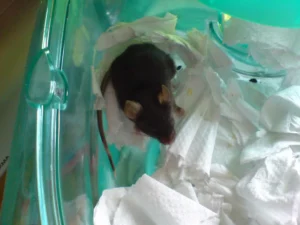
Young adult rats (3-12 months) still zoom frequently. This is the peak physical condition age for rats.
Middle-aged rats (12-18 months) zoom less often but still have occasional bursts of energy.
Senior rats (over 18 months) might not zoom at all, or only do very brief, gentle versions. This is normal aging, not a problem.
Sick rats won’t get zoomies. If your normally zoomy rat suddenly stops, it could be an early sign of illness.
Overweight rats zoom less because the extra weight makes running harder and less enjoyable.
Rats with respiratory issues might want to zoom but can’t because they can’t breathe well enough during intense exercise.
Rats recovering from surgery or injury will gradually return to zooming as they heal. The return of zoomies is actually a good sign.
A sudden change in zoomie frequency (either much more or much less) can indicate a health change worth monitoring.
Gender and Personality Differences
Not all rats zoom the same amount, and some of this comes down to gender and individual personality.
Male rats tend to zoom less than female rats overall. Males are often more chill and less hyperactive.
Female rats are usually more energetic and get zoomies more frequently. They’re also more likely to do acrobatic moves during zoomies.
That said, some male rats are super zoomy and some female rats are calm. Gender is a general trend, not a rule.
Individual personality matters a lot. Some rats are just naturally more active and playful, while others are more laid-back.
Confident, outgoing rats tend to zoom more than shy, timid rats. Zoomies require feeling secure.
Curious rats that love exploring get more zoomies because they’re constantly excited by new things.
Rats raised with lots of handling and socialization from a young age often zoom more because they’re comfortable and happy.
Even rats from the same litter can have very different zooming habits based on their unique personalities.
Zoomies vs. Concerning Behaviors
It’s important to know the difference between normal, happy zoomies and behavior that might indicate a problem.
Normal zoomies look playful and fun. The rat is clearly enjoying itself and has control over its movements.
Concerning behavior looks frantic or panicked. The rat seems unable to stop or is running into things because it’s not in control.
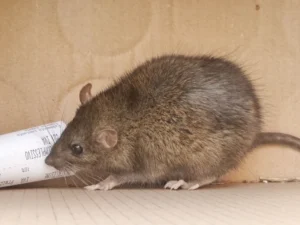
Zoomies happen in bursts and the rat can stop when it wants to. Concerning behavior might be continuous without breaks.
After zoomies, the rat should look content and might groom or rest. After concerning behavior, the rat might seem stressed or confused.
Rats getting zoomies will still respond to you. They might pause if you call them or offer a treat. Rats in distress won’t respond normally.
If a rat suddenly develops constant running behavior that never existed before, especially paired with head tilting or balance problems, that’s a neurological concern needing a vet visit.
Seizures can sometimes look like running, but they’re repetitive, the rat can’t be interrupted, and the rat is usually not responsive.
Trust your instincts. If the behavior looks joyful and natural, it’s probably zoomies. If it looks distressed or wrong, get it checked out.
How to Encourage Healthy Zoomies
If you want your rats to have more opportunities for healthy zoomie sessions, here’s what helps.
Provide daily free roam time outside the cage. Even 30 minutes to an hour lets rats burn energy and have fun.
Create an interesting play space with things to climb, tunnels to run through, and obstacles to navigate.
Rotate toys and rearrange the play area regularly so there’s always something new to explore.
Make sure the temperature is comfortable. Rats zoom most when they’re not too hot or cold.
Offer exercise wheels appropriate for rats (solid surface, at least 12 inches diameter to prevent back problems).
Play with your rats. Chase games, offering toys, and interactive play can trigger happy zoomies.
Keep your rats in pairs or groups. Social rats zoom more than lonely rats.
Maintain a consistent routine. Rats that know playtime is coming get excited and zoom more.
Don’t interrupt zoomies unless the rat is in danger. Let them finish their burst of energy naturally.
Conclusion
Rats get zoomies because they’re happy, energetic, playful animals expressing natural behaviors. When your rat zooms around like a tiny furry rocket, it’s showing you that it feels safe, healthy, and content.
Zoomies are completely normal and actually a sign that you’re doing a good job as a rat owner. Rats that get regular zoomies are getting enough exercise, mental stimulation, and social interaction.
Rather than being concerned about zoomies, embrace them as one of the most entertaining parts of having pet rats. Set up safe spaces for zooming, give your rats regular playtime, and enjoy watching them be their energetic, joyful selves.
Those little bursts of crazy running around aren’t so crazy after all. They’re just your rats being perfectly normal, healthy rats doing what rats do when life is good.

Hi, my name is Ezra Mushala, i have been interested animals all my life. I am the main author and editor here at snakeinformer.com.