
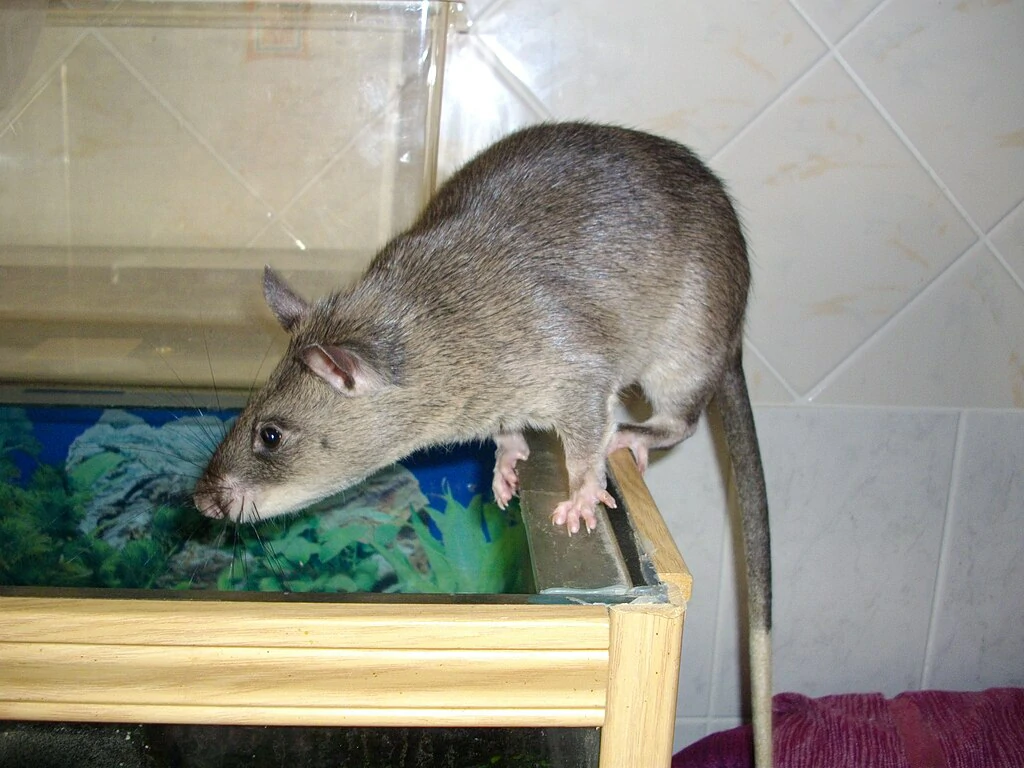
If you’ve ever owned pet rats or known someone who has, you’ve probably heard the sad reality. Rats get tumors at an alarming rate, and they often develop them when they’re still relatively young.
It seems like almost every rat owner has a story about dealing with tumors in their pets. So why do rats get tumors so easily and often?
Rats get tumors easily and often because they have a genetic tendency toward tumor development, very fast cell division throughout their lives, and hormone systems that can trigger tumor growth. Their short lifespan means they go through rapid aging, and selective breeding for research and pets has concentrated genes that make them more prone to cancer.
The tumor issue is probably the biggest health challenge rat owners face, and it’s rooted in the very biology of what makes a rat a rat.
Their Cells Divide Incredibly Fast
One of the biggest reasons rats develop tumors is because their cells are constantly dividing at a rapid rate.
Every time a cell divides, there’s a chance for DNA copying errors. These errors are called mutations, and they can lead to cancer.
Rats have fast metabolisms and grow quickly, especially when they’re young. This means their cells divide more frequently than cells in slower-growing animals.

More cell divisions equal more chances for mutations. It’s basically a numbers game, and rats are playing with stacked odds.
Humans grow slowly and have relatively slow cell turnover as adults. Rats maintain high cell division rates throughout their entire lives.
Think of it like making copies of copies. The more times you copy something, the more likely errors will creep in. Rat cells make millions more copies than human cells in the same timeframe.
This constant cellular activity is great for healing wounds quickly and maintaining energy, but it also creates more opportunities for cancer to develop.
Genetic Predisposition Is Built In
Many rats, especially fancy rats kept as pets, have been selectively bred in ways that accidentally concentrated cancer-causing genes.
Laboratory rats were bred for specific traits like docility, specific coat colors, or particular body types. These breeding programs didn’t focus on cancer resistance.
Over generations, genes that make rats more susceptible to tumors became more common in the breeding population.
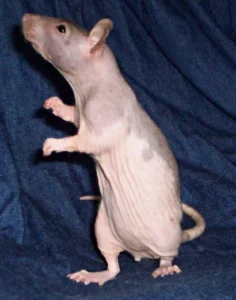
Pet rats often come from these same laboratory lines. The fancy rats you buy at pet stores have genetics that trace back to research colonies.
Wild rats probably get tumors too, but they usually die from other causes (predators, disease, starvation) before tumors become a problem.
Captive rats live longer and safer lives, which means they survive long enough for genetic tumor tendencies to show up.
Certain rat strains are more prone to specific types of tumors. For example, female rats often develop mammary tumors because of their genetic background.
Hormones Play a Huge Role
Hormone systems in rats, particularly in females, create conditions that encourage tumor development.
Female rats have extremely high levels of certain hormones, especially prolactin and estrogen. These hormones can stimulate tissue growth.
Mammary tumors (breast tumors) are incredibly common in female rats because the mammary tissue is sensitive to these hormones.

Every heat cycle a female rat goes through exposes her mammary tissue to surges of these tumor-promoting hormones.
Rats don’t go through menopause like humans do. They keep cycling throughout their lives, which means constant hormone exposure.
This is why spaying female rats early can significantly reduce their tumor risk. Removing the ovaries eliminates the source of these hormones.
Male rats have hormone-related tumor issues too, though usually different types. Testosterone can contribute to certain tumors.
The hormone systems in rats are running at high intensity all the time, unlike many other animals that have more seasonal or moderated hormone patterns.
They Age Incredibly Fast
Rats pack an entire lifetime into just 2 to 3 years. This accelerated aging process affects everything, including cancer risk.
The biological wear and tear that takes 70 or 80 years to accumulate in humans happens to rats in just a couple of years.
As animals age, their cells accumulate damage and their DNA repair mechanisms become less effective. Rats go through this aging process in fast-forward.
By the time a rat is 18 months old (middle-aged), it’s already experiencing the kinds of cellular changes that lead to tumors.
The rapid aging means rats don’t have as much time to repair cellular damage before it becomes problematic.
Their immune systems also age quickly. Older rats have weaker immune surveillance for cancer cells.
In young rats, the immune system can often catch and destroy abnormal cells before they become tumors. But this protection fades fast as rats age.
Mammary Tumors Are Especially Common
If you own female rats, mammary tumors are almost something you’ll deal with eventually. The rates are shockingly high.
Some studies show that up to 50% or more of female rats will develop mammary tumors in their lifetime.
Rats have mammary tissue extending from their chest all the way down their sides and back to their hind legs. This is way more mammary tissue than most animals have.

All that tissue means more cells that can potentially become cancerous. It’s a larger target area for mutations.
The mammary tissue in rats is extremely hormone-sensitive. Every hormonal fluctuation can stimulate tissue growth.
Mammary tumors in rats often grow incredibly fast. You might not notice anything one week, and then suddenly there’s a marble-sized lump.
These tumors can grow to enormous sizes, sometimes as large as the rat itself. They can get so big that they affect the rat’s mobility and quality of life.
Most mammary tumors in rats are benign (not cancer), but they still cause problems because of their size and how fast they grow.
Pituitary Tumors Are Another Big Issue
The pituitary gland is a tiny gland in the brain that controls many hormone systems. Rats are very prone to developing pituitary tumors.
The pituitary in rats seems to be particularly vulnerable to developing adenomas (a type of benign tumor).
These tumors mess up hormone regulation, which can cause all kinds of problems throughout the body.
Pituitary tumors can cause symptoms like weight loss, poor coat condition, head tilt, circling, and eventually seizures.
The tumor physically presses on the brain as it grows, causing neurological problems even though it’s not technically a brain cancer.
Pituitary tumors are one of the main causes of death in older rats, particularly females.
The exact reason rats are so prone to these tumors isn’t completely clear, but it’s related to their hormone regulation systems.
Inbreeding in Pet Populations
The pet rat population has a serious inbreeding problem, and this makes the tumor situation worse.
Many pet rats come from relatively small breeding populations. The same genetic lines are bred over and over.
Inbreeding concentrates both good and bad genes. If tumor-prone genes are in the population, inbreeding makes them more common.

Responsible breeders try to avoid this by introducing new bloodlines and selecting against tumor tendencies, but many rats come from less careful breeding.
Pet store rats often come from large-scale breeding operations that prioritize quantity over genetic health.
The lack of genetic diversity means that protective genes that might prevent tumors are less common in the population.
Some rat fancy organizations are trying to improve this by tracking genetics and encouraging diverse breeding, but it’s an uphill battle.
Research Breeding Has Shaped Pet Rats
Many pet rat lines originated from laboratory breeding programs, and this history affects tumor rates today.
Laboratory rats were often bred specifically to be tumor-prone for research purposes. Scientists wanted rats that would develop cancer reliably for studies.
Some of these research lines made their way into the pet trade, bringing their tumor susceptibility with them.
Even laboratory strains not specifically bred for tumors were bred for other traits without considering cancer resistance.
The result is a pet rat population with genetics that lean toward tumor development.
Wild rats have more genetic diversity and natural selection keeps removing the most tumor-prone individuals. Captive breeding doesn’t have this filter.
Environmental Factors Can Make It Worse
While genetics is the main issue, environmental factors can increase tumor risk in rats that are already predisposed.
Diet quality matters. Rats fed poor diets or too many fatty, sugary treats may have higher tumor rates.
Obesity in rats is linked to increased tumor development, especially mammary tumors. Fat tissue produces hormones that can fuel tumor growth.

Exposure to certain chemicals, even in small amounts, might contribute. Plastic cage materials, certain bedding types, and household chemicals could play a role.
Stress can affect immune function, and a weakened immune system is less effective at controlling abnormal cell growth.
However, it’s important to note that even rats in perfect conditions with great care still get tumors. Environment can influence risk but can’t eliminate it.
Why Some Rats Get Tumors Young
It’s heartbreaking when a young rat, barely a year old, develops a tumor. But it happens frequently.
Genetic tumor predisposition doesn’t wait for old age. If a rat has strong cancer-promoting genes, tumors can appear early.
The rapid cell division in young, growing rats actually creates more opportunities for mutations that lead to cancer.
Hormone levels are high in young adult rats, especially in females going through regular heat cycles. This hormonal environment can trigger tumor growth.
Some tumor types, particularly mammary tumors, are seen more often in younger rats.
If a rat comes from a line with very strong tumor tendencies, those genes can express themselves at any age.
Young rats also have fast-growing tumors. Once a tumor starts, it can grow to noticeable size very quickly in a young rat.
Benign vs. Malignant Tumors in Rats
Most tumors in rats are actually benign, which means they don’t spread to other parts of the body like cancer does.
Mammary tumors are usually benign adenomas or fibroadenomas. They grow locally but don’t metastasize (spread).

However, benign doesn’t mean harmless. These tumors can grow enormous and cause serious quality of life issues.
A benign tumor that weighs as much as the rat itself is still a huge problem even if it’s not technically cancer.
Malignant tumors (true cancers) do occur in rats, but less commonly. These are more likely to be fatal.
Pituitary tumors are usually benign in the sense that they don’t spread, but they’re still deadly because of where they’re located.
The distinction between benign and malignant matters for treatment decisions but doesn’t change the fact that tumors are a major health issue for rats.
How Fast Rat Tumors Can Grow
One of the most shocking things about rat tumors is the growth rate. They can appear and expand incredibly quickly.
A tumor that wasn’t there during last week’s health check can suddenly be the size of a grape.
Mammary tumors especially can double in size within days or weeks. This rapid growth is partly due to the rat’s fast metabolism.
The blood supply to tumors develops quickly in rats, which feeds the tumor and helps it grow even faster.
Some rat owners report tumors growing from barely noticeable to grapefruit-sized in just a month or two.
This fast growth means you have to act quickly once you notice a tumor. Waiting can make surgical removal much more complicated.
The rapid growth is also why regular health checks are so important for rats. Early detection makes a huge difference in treatment options.
Why Female Rats Have Higher Tumor Rates
If you compare male and female rats, females have significantly higher overall tumor rates.
The hormone difference is the main reason. Female reproductive hormones drive mammary tissue growth and tumor development.
Unspayed female rats are constantly exposed to estrogen and prolactin throughout their lives.
Females also have more mammary tissue covering a larger area of their body, providing more opportunities for tumors.
Male rats do get tumors, including mammary tumors (yes, males have some mammary tissue too), but at much lower rates.
Pituitary tumors affect both sexes but are more common in females, again likely due to hormone differences.
This is why many rat experts recommend spaying female rats if you’re not breeding them. It dramatically reduces tumor risk.
Surgical Removal Doesn’t Solve the Problem
Many rat owners opt to surgically remove tumors, and surgery can extend life and improve quality of life.
However, surgery doesn’t change the underlying genetic tendency to develop tumors.

Rats that have one tumor removed often develop new tumors elsewhere. It’s not uncommon for a rat to need multiple surgeries.
Each surgery carries risks, especially as rats age. Older rats tolerate anesthesia less well.
Some tumors grow back in the same location after removal, especially if the surgeon couldn’t get clean margins.
Surgery is a management strategy, not a cure. It buys time and improves comfort but doesn’t fix the root problem.
Still, many rats live happily for months or even over a year after successful tumor removal, so surgery can definitely be worth it.
What This Means for Rat Owners
If you own rats or are thinking about getting them, tumor awareness needs to be part of your preparation.
Budget for potential veterinary care. Tumor removal surgery can cost several hundred dollars per operation.
Learn to do regular health checks. Running your hands over your rat weekly helps you catch tumors early when they’re still small.
Consider spaying female rats between 4 to 6 months of age. This significantly reduces mammary and pituitary tumor risk.
Understand that even with perfect care, your rat will likely develop a tumor at some point. It’s not your fault.
Make decisions ahead of time about how you’ll handle tumors. Will you pursue surgery? When would you consider euthanasia?
Find a vet who’s experienced with rats before you need one. Not all vets are comfortable treating rats or doing rodent surgery.
Enjoy the time you have with your rats. Knowing they’re prone to tumors makes every healthy day more precious.
Conclusion
Rats get tumors easily and often because of a combination of genetic predisposition, rapid cell division, hormone influences, fast aging, and the effects of selective breeding. Their biology is simply set up in a way that makes tumor development likely, especially in females.
Understanding why this happens doesn’t make it less sad when your pet rat develops a tumor, but it does help you prepare and make informed decisions about their care. The tumor susceptibility is part of the package when you choose to share your life with rats.
Despite the high tumor rates, rats make wonderful, intelligent, affectionate pets. Many rat owners feel the joy these animals bring is worth the eventual heartbreak
. Being aware of the tumor issue just means you can provide better care and make the most of the time you have together.

Hi, my name is Ezra Mushala, i have been interested animals all my life. I am the main author and editor here at snakeinformer.com.