
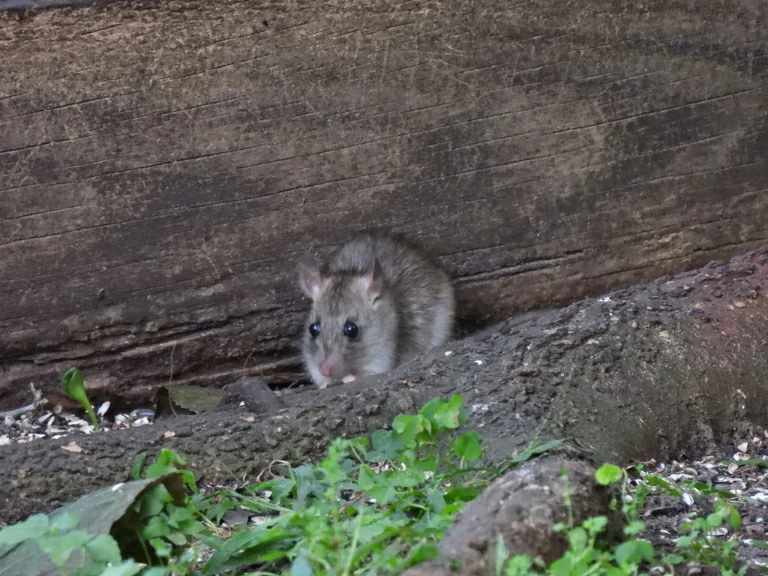
If you’ve ever found your favorite underwear chewed up with mysterious holes, you might have a rat problem on your hands. It’s frustrating to discover your clothes destroyed, especially when you’re just trying to keep your home clean and organized.
Rats don’t actually eat underwear because they’re hungry for fabric. So why do rats eat underwear?
Rats chew underwear to file down their constantly growing teeth, and they’re attracted to the salt, oils, and scent left behind from your body. They’re not eating it for food, they’re using it to keep their teeth from overgrowing and they’re drawn to anything that smells like you.
When rats chew on your underwear, they’re solving two problems at once. Their teeth never stop growing throughout their entire lives, so they need to gnaw on things constantly to keep them at a healthy length.
Your underwear also carries your scent, body oils, and salt from sweat, which makes it really interesting to rats.
Rats Need to Chew All the Time
Rat teeth grow about 4 to 5 inches per year, which means they’re always looking for something to gnaw on. If they don’t file their teeth down regularly, the teeth will grow so long that they can’t eat properly, and this can actually kill them.

This is why you’ll find rats chewing on all kinds of things in your home, not just underwear. They’ll chew through wood, plastic, electrical wires, cardboard, and even concrete if they need to.
It’s not because they want to eat these things. It’s because they have to keep their teeth short enough to survive. When a rat finds your underwear, the fabric gives them something soft to chew on, and it helps wear down their teeth at the same time.
Your Scent Attracts Rats to Your Clothes
Rats have an incredibly strong sense of smell, much better than humans. They can detect scents that you can’t even notice, and they’re naturally drawn to anything that smells like food, salt, or other animals (including you).
When you wear underwear, it absorbs sweat, body oils, dead skin cells, and natural salts from your skin. Even after you wash your clothes, tiny traces of these scents can remain in the fabric.
Rats are attracted to these scents because salt is an important part of their diet, and they’re always looking for sources of it. The oils and proteins left behind on your clothes also smell interesting to them, kind of like how a dog might be attracted to worn socks.
If your underwear is sitting in a laundry basket or drawer where rats can access it, they’ll be drawn to it because of these lingering scents. It’s not that they want to eat the fabric itself, they’re just investigating something that smells appealing.
Rats Use Fabric for Nesting Material
Beyond chewing and scent, rats also tear up fabric to build nests. If you find shredded underwear in a hidden corner of your home, there’s a good chance a rat used it to make a cozy place to sleep or raise babies.
Rats prefer soft, warm materials for their nests. Cotton underwear is perfect because it’s easy to shred into small pieces and it holds heat well. Female rats especially look for soft materials when they’re pregnant because they want to create a safe, warm space for their babies.
If you notice that your underwear isn’t just chewed but completely shredded and scattered around, that’s a strong sign that rats are nesting somewhere nearby. They’ll often mix the fabric with other materials like paper, insulation, and bits of plastic to create a nest.
What Types of Underwear Do Rats Prefer?
Rats aren’t picky, but they do seem to prefer certain types of fabric over others. Cotton underwear is usually their favorite because it’s soft, easy to chew, and holds scent really well.
Synthetic fabrics like polyester or nylon are less appealing to rats because they don’t absorb body oils and sweat as much as natural fibers do. They’ll still chew on synthetic underwear if it’s available, but if given the choice, they’ll go for cotton first.
Underwear that’s been worn recently is also more attractive to rats than freshly washed items. The stronger the scent, the more interested they’ll be. If you leave dirty laundry sitting around for days, you’re basically creating a buffet of interesting smells for any rats in your home.
How Rats Get Access to Your Underwear
You might be wondering how rats are even getting to your underwear in the first place. Rats are incredibly good climbers and can squeeze through spaces as small as a quarter, so they can access places you wouldn’t expect.
If you keep your laundry basket on the floor, rats can easily climb in and help themselves. They can also get into drawers if there’s even a small gap, or if you leave drawers slightly open.

Rats are active mostly at night, so you might not even see them doing this. They’ll wait until you’re asleep or away from home, then come out to explore and look for food, nesting materials, and things to chew on.
Even if you think your home is sealed up tight, rats can find ways in through tiny cracks in walls, gaps around pipes, open windows, or damaged screens. Once they’re inside, they’ll investigate everything, including your bedroom and closets.
Signs That Rats Are Chewing Your Clothes
If you’re not sure whether rats are the culprit, there are some clear signs to look for. The most obvious one is finding small holes or torn edges in your underwear and other clothes.
Rat teeth leave distinctive marks. The holes are usually clean-edged and about the size of a pencil eraser or smaller. You might also find small tears along seams or edges where the fabric was easier to grip.
Another sign is finding small, dark droppings near your laundry or in your drawers. Rat droppings are about the size of a grain of rice and have pointed ends. If you see these near your clothes, you definitely have rats.
You might also notice a strong, musky odor in areas where rats have been active. Rats mark their territory with urine, and it has a very distinctive smell that’s hard to miss once you know what you’re looking for.
Other Things Rats Chew Besides Underwear
Underwear isn’t the only thing rats will destroy in your home. They’ll chew on pretty much anything they can get their teeth on, and some of these things can be really dangerous.
Electrical wires are a big target for rats. They’ll chew through the plastic coating to get to the copper inside, and this can cause fires or electrical problems in your home. Rats are actually responsible for a lot of house fires that people don’t even realize were caused by rodents.

They’ll also chew on wood furniture, baseboards, door frames, and even drywall. You might find small holes gnawed into wooden cabinets or see scratch marks and teeth marks on furniture legs.
Food packaging is another favorite. Rats will chew through plastic bags, cardboard boxes, and even thin metal containers to get to food inside. If you find mysterious holes in your pantry items, rats are probably the cause.
How to Stop Rats From Eating Your Underwear
The best way to protect your clothes is to store them in places rats can’t access. Keep your laundry in sealed plastic bins with tight-fitting lids instead of open baskets.
Don’t leave dirty laundry sitting around for long periods. The longer it sits, the more time rats have to find it and the stronger the scent becomes. Wash your clothes regularly and put them away in closed drawers or closets.
You should also seal up any entry points where rats might be getting into your home. Check for gaps around pipes, cracks in walls, spaces under doors, and damaged window screens. Fill these gaps with steel wool or metal mesh, because rats can’t chew through metal.
Set traps in areas where you’ve seen rat activity. Snap traps work well if you place them along walls where rats like to travel. You can also use live traps if you prefer to relocate the rats instead of killing them.
When to Call a Professional
If you’ve tried everything and rats are still getting to your clothes, it might be time to call pest control. Professional exterminators can find entry points you might have missed and set up more effective trapping systems.
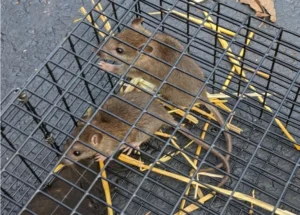
They can also help identify how big your rat problem actually is. If you’re only dealing with one or two rats, you might be able to handle it yourself. But if you have a full infestation, professional help is usually necessary.
Rats reproduce really quickly. A female rat can have up to 12 babies every three weeks, so a small problem can turn into a big one fast. If you’re finding more and more evidence of rats over time, don’t wait to get help.
Are Rats Dangerous When They Chew Your Clothes?
While it’s annoying to have your underwear destroyed, the bigger concern is what else rats bring with them. Rats carry diseases that can make you sick, and they spread these diseases through their urine, droppings, and saliva.
When rats chew on your clothes, they’re leaving behind bacteria and possibly parasites. If you wear underwear that’s been in contact with rat urine or droppings without washing it first, you could get sick.
Some diseases rats carry include leptospirosis, hantavirus, salmonella, and rat-bite fever. You don’t have to be bitten by a rat to get sick. Just touching contaminated surfaces and then touching your face can be enough.
This is why it’s so important to wash any clothes that rats have been in contact with in hot water with detergent. You should also wear gloves when cleaning up rat droppings or handling items that rats have chewed.
Conclusion
Rats chew underwear because their teeth never stop growing and they need to file them down constantly. They’re also attracted to the salt, oils, and scent that your body leaves behind on fabric.
While it’s frustrating to have your clothes destroyed, the real problem is what rats represent. If they’re getting to your underwear, they have access to other parts of your home where they can cause more serious damage and spread disease.
The best approach is to store your laundry in sealed containers, clean up regularly, and seal any entry points where rats might be getting in. If the problem continues, don’t hesitate to call a professional.
Rats aren’t eating your underwear because they’re hungry. They’re using it to survive, and understanding why they do this helps you protect your home and clothes more effectively.

Hi, my name is Ezra Mushala, i have been interested animals all my life. I am the main author and editor here at snakeinformer.com.