

Rats have a reputation for eating just about anything they can get their teeth on, from food scraps to cardboard boxes. But one of the stranger things people notice is that rats will sometimes chew on and eat bars of soap.
If you’ve ever found gnaw marks on your soap or discovered a partially eaten bar in your bathroom or laundry room, you’re probably wondering what’s going on. Why do rats eat soap?
Rats eat soap mainly because it contains fats and oils that smell like food to them. Many soaps are made with animal fats or vegetable oils, and rats can’t tell the difference between these ingredients and actual food. The scent attracts them, and once they start chewing, they keep going.
It might seem weird that rats would want to eat something that isn’t food, but when you look at what soap is made of, it starts to make more sense.
Soap often contains tallow (beef fat), lard (pig fat), or plant-based oils like coconut oil or palm oil. To a rat’s nose, these ingredients smell a lot like something edible.
Rats have an incredibly strong sense of smell, and they use it to find food sources. When they smell those fatty acids in your soap, their brain tells them it might be worth investigating.
What Makes Soap Attractive to Rats
The main thing that draws rats to soap is the fat content. Traditional soap is made through a process called saponification, where fats or oils are combined with an alkali (like lye) to create soap.
Even though the chemical process changes these fats, they still retain some of the scent compounds that rats find appealing.

Different types of soap attract rats in different ways. Homemade soaps or natural soaps that use a lot of animal fats or rich plant oils tend to be more attractive to rats than commercial soaps with synthetic ingredients.
If you’re using handmade soap with shea butter, cocoa butter, or goat’s milk, rats might find it even more tempting.
Scented soaps can also be a problem. Some fragrances, especially food-based scents like vanilla, almond, oatmeal, or honey, can make rats think the soap is actually food.
Even floral or herbal scents might attract them if they’re curious or hungry enough.
Rats Can’t Always Tell What’s Food and What Isn’t
One important thing to understand about rats is that they explore the world with their mouths. They don’t have hands like we do, so they use their teeth to investigate new objects and textures.
When a rat comes across something that smells interesting, it’ll often take a few nibbles to figure out what it is.

This is why you might find bite marks on all sorts of non-food items in your home. Rats will chew on candles (which also contain wax and sometimes fats), crayons (made with paraffin wax), and even some types of plastic.
They’re not trying to eat these things as a meal, but they’re testing them out to see if they’re edible.
Once a rat starts chewing on soap, it might continue even after realizing it’s not actually food. Rats have teeth that grow continuously throughout their lives, and they need to gnaw on things to keep their teeth worn down to a manageable length.
So even if the soap doesn’t taste great, it might serve a purpose for dental maintenance.
The Nutritional Confusion Factor
Rats are opportunistic feeders, which means they’ll eat whatever food sources they can find. In the wild, they eat seeds, grains, fruits, insects, and pretty much anything organic.
In urban environments, they’ve adapted to eating human food scraps, garbage, and even things that aren’t technically food but contain some nutritional value.
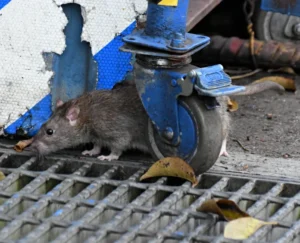
When food is scarce, rats become less picky about what they eat. If a rat is hungry and comes across something that smells like it might contain fats or calories, it’s going to give it a try. Soap contains those fatty compounds, so in a rat’s mind, it’s worth investigating.
Some soaps also contain glycerin, which is a sweet-tasting compound. If rats get a taste of glycerin, they might continue eating the soap because it has a slightly sweet flavor.
This is especially true with handmade or natural soaps that have higher glycerin content.
Why Bathroom and Laundry Room Soaps Get Targeted
You’ll often find that rats go after soap in specific areas of your house, particularly bathrooms and laundry rooms. This isn’t a coincidence. These rooms tend to be more humid and might have water sources that attract rats in the first place.
Rats need water to survive, and they’re drawn to areas where they can find both food and water close together. If your bathroom or laundry room has a leak, condensation, or standing water, rats will investigate.
Once they’re in the area, they’ll explore everything around them, and that includes your soap.
Laundry soap and detergent can also attract rats, especially if they contain enzymes or additives that smell like food. Powdered laundry detergent sometimes gets into because rats might mistake it for food powder or grain.
How Eating Soap Affects Rats
You might wonder if eating soap actually hurts rats or makes them sick. The truth is, it can, but it depends on how much they eat and what the soap is made of. Most rats won’t eat enough soap to cause serious harm because it doesn’t taste good and won’t satisfy their hunger.
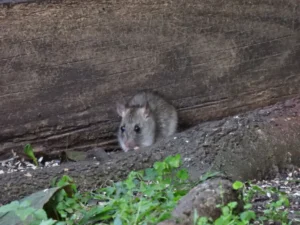
However, soap is designed to be a cleaning agent, which means it can irritate a rat’s digestive system. If a rat eats a significant amount of soap, it could experience stomach upset, diarrhea, or other digestive problems.
Some soaps contain chemicals or additives that could be toxic in large amounts.
Strong antibacterial soaps or those with harsh chemicals might make a rat sick faster than a gentle, natural soap. But most rats are smart enough to stop eating something once they realize it’s making them feel bad. They might take a few bites, decide it’s not worth it, and move on to look for real food.
Other Non-Food Items Rats Chew On
Soap isn’t the only strange thing rats will chew on. If you have a rat problem, you might notice damage to all sorts of household items. Rats will gnaw on cardboard boxes, paper, wood, electrical wiring, plastic containers, and even concrete or drywall.
Some of this chewing is about exploring and testing potential food sources. But a lot of it is just about keeping their teeth healthy. Rat teeth grow about 4 to 5 inches per year, and if they don’t gnaw on hard materials regularly, their teeth can grow too long and cause serious health problems.
This is why rats will chew on things that clearly aren’t food, like electrical wires or wood beams. They’re not trying to eat these things. They’re using them as tools to maintain their teeth.
Soap happens to be soft enough to chew easily but firm enough to provide some resistance, making it a decent gnawing material.
Signs That Rats Are Eating Your Soap
If you’re not sure whether rats are the ones getting into your soap, there are some telltale signs to look for. The most obvious is gnaw marks on the soap bar itself. Rat teeth leave distinctive parallel grooves, and you’ll usually see marks on the edges or corners of the soap where they started chewing.
You might also find soap shavings or crumbs near where the soap was stored. Rats don’t eat cleanly, and they’ll leave debris behind as they chew.
Look for small droppings nearby as well. Rat droppings are dark brown or black, about the size of a grain of rice, and have pointed ends.
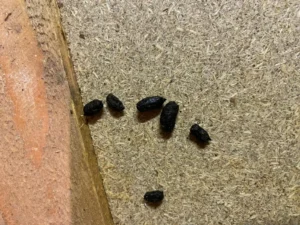
Another sign is if the soap is missing entirely or has been moved. Rats will sometimes carry food items (or things they think might be food) back to their nests. If your soap keeps disappearing, a rat might be taking it.
How to Keep Rats Away from Your Soap
The best way to stop rats from eating your soap is to make it harder for them to access it. Store your soap in containers with tight-fitting lids, or keep it in a drawer or cabinet that closes securely.
Don’t leave soap sitting out on open shelves or in soap dishes where rats can easily reach it.
If you’re using bar soap in the shower or bathroom, try to keep it dry between uses and store it in a soap dish that drains well. Rats are less interested in dry, hard soap than soft, moist soap.
You can also switch to liquid soap, which is much harder for rats to access and doesn’t have the same texture that attracts them.
In your laundry room, keep detergent in sealed containers rather than leaving boxes or bottles open. Clean up any spills immediately, and don’t let detergent residue build up on surfaces.
Dealing with the Bigger Problem
If rats are eating your soap, that’s really a sign of a bigger issue. You don’t just have rats interested in your soap. You have rats in your house, and the soap is just one of many things they’re getting into.
The real solution is to deal with the rat infestation itself. This means sealing up entry points where rats are getting into your home, removing food sources, and potentially using traps or calling a pest control professional.
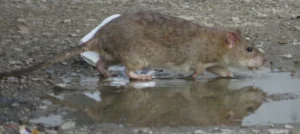
Rats can squeeze through openings as small as a quarter, so check your home’s foundation, walls, and roof for cracks, gaps, or holes. Pay special attention to areas where pipes or wires enter your house, as these are common entry points.
Seal these gaps with steel wool, caulk, or metal sheeting that rats can’t chew through.
Remove food sources by keeping your kitchen clean, storing food in airtight containers, and taking out garbage regularly.
Don’t leave pet food out overnight, and clean up any spilled birdseed or other outdoor food sources that might attract rats to your property.
Why Prevention Matters More Than Just Hiding Soap
Just moving your soap won’t solve a rat problem. If rats can’t get to your soap, they’ll just move on to something else. They might start chewing on your walls, getting into your pantry, or damaging your electrical wiring. The soap is honestly one of the less concerning things rats can get into.
Rats carry diseases and can contaminate your home with their droppings and urine. They can also cause serious structural damage if they’re allowed to stay in your house for an extended period.
Chewed electrical wires are a fire hazard, and rats can destroy insulation, drywall, and wooden structures.
This is why it’s so important to address the root cause rather than just treating the symptoms. If you’re seeing evidence of rats (whether it’s chewed soap, droppings, or gnaw marks on other items), take action immediately to remove them from your home and prevent them from coming back.
Conclusion
Rats eat soap because it contains fats and oils that smell like food to them. Their strong sense of smell leads them to investigate anything with fatty acids, and soap made with animal fats or vegetable oils fits the bill.
Once they start chewing, they might continue because they can’t quite tell it’s not food, or because the texture is good for wearing down their constantly growing teeth.
While a rat eating your soap might seem like a minor annoyance, it’s really a warning sign that you have a larger pest problem to deal with.
Focus on sealing entry points, removing food sources, and potentially working with a pest control professional to get rid of the rats completely.
Once they’re gone, you won’t have to worry about protecting your soap or any other household items from their curious teeth.

Hi, my name is Ezra Mushala, i have been interested animals all my life. I am the main author and editor here at snakeinformer.com.