
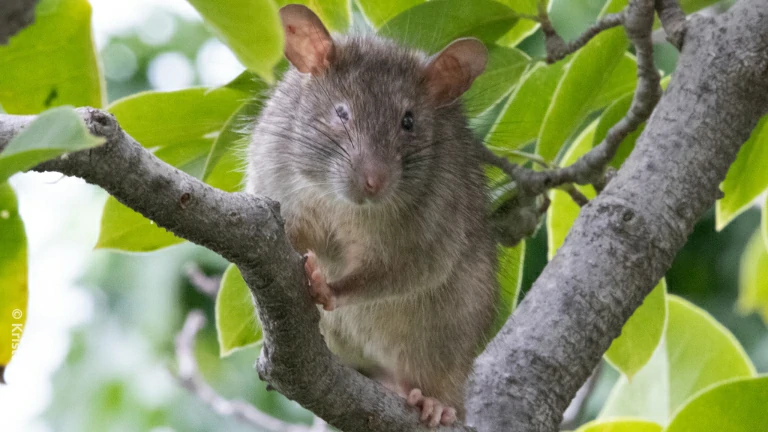
Rat poison seems like it should be the last thing a rat would want to eat.
After all, these are smart animals with strong survival instincts, so you’d think they’d avoid anything that could kill them.
Yet rats do eat poison, and sometimes they eat quite a bit of it before dying. So why do rats eat rat poison?
Rats eat rat poison because it’s designed to smell and taste appealing to them, often mimicking foods they naturally seek out like grains, seeds, or peanut butter. The poison is also formulated to not cause immediate sickness, so rats don’t connect the bait with feeling ill and continue eating it over several days until they’ve consumed a lethal dose.
The manufacturers of rat poison spend a lot of time and money making these products irresistible to rats.
They use flavors, scents, and textures that rats find attractive, basically tricking the rats into eating something that will eventually kill them.
Understanding why rats fall for this trick helps explain how rat poison works and why it’s effective.
How Rat Poison Is Designed to Attract Rats
Rat poison manufacturers understand rat behavior and preferences really well.
They use this knowledge to create baits that rats can’t resist. The whole point is to make poison more attractive than the other food sources rats might find in your home.
Most rat poisons are grain-based because rats naturally eat grains.
In the wild and in human environments, rats seek out seeds, grains, and similar foods.
Poison pellets or blocks are often made from grains like wheat, corn, or oats, which are foods rats recognize and already want to eat.
The poison includes attractants that smell really good to rats.
These might include peanut butter flavoring, fish oil, molasses, or other scents that rats find irresistible.
To a rat, the poison smells like a feast, not something dangerous.
Texture matters too, and poison is made to feel right in a rat’s mouth.
Some poisons are soft and chewy, while others are hard blocks that rats can gnaw on.
The texture is designed to match what rats naturally like to eat, making the experience familiar and satisfying.
Colors can attract rats as well, though they don’t see color the same way you do.
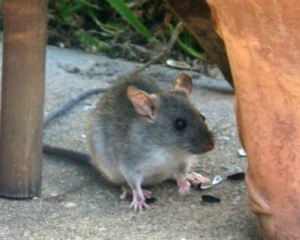
Many rat poisons are dyed green, blue, or red (partly to help you identify them as poison), but rats can still detect these colors to some degree and may find the colored blocks interesting.
The poison is often wax-based, which helps preserve the bait and keeps it fresh longer.
This also gives it a slightly waxy texture that rats seem to enjoy. The wax coating helps lock in the attractant smells and flavors.
Manufacturers test different formulas to see which ones rats prefer.
They literally put different versions of poison in front of rats to see which gets eaten first and most completely.
The formulas that win these tests are the ones that make it to market.
Why Rats Don’t Realize the Poison Is Harmful
You might wonder why rats don’t figure out that the poison is making them sick and stop eating it.
The answer comes down to how most rat poisons are designed to work. They’re specifically formulated to avoid triggering the rat’s natural wariness of dangerous food.
Most modern rat poisons are anticoagulants, which means they work slowly.
These poisons interfere with blood clotting, causing internal bleeding over several days. The rat doesn’t feel sick immediately after eating the poison, so it doesn’t connect the bait with any negative effects.
This delayed action is critical to the poison’s effectiveness.
If rats got sick right after eating the poison, they’d learn to avoid it (a survival mechanism called “bait shyness”). But since they feel fine for days after eating it, they keep coming back for more.
Rats are actually really good at avoiding foods that make them sick.
If a rat eats something and gets an upset stomach within a few hours, it’ll remember that food and avoid it forever.
This is why some rat poisons used to fail because they worked too fast and rats learned to avoid them.
The poison needs to be eaten multiple times to reach a lethal dose.

Single-dose poisons exist, but many modern anticoagulant poisons require rats to eat the bait over several days before enough builds up in their system to kill them. During this time, the rats feel normal and keep eating.
By the time the rat starts feeling sick, it’s too late.
The poison has already done irreversible damage, and the rat won’t connect this sickness with the bait it ate days ago.
The delay between eating and dying breaks the mental connection rats would normally make.
Some poisons actually include ingredients that make rats thirsty.
This drives them to leave your home in search of water, where they die outside rather than in your walls.
Rats don’t realize the bait caused their thirst because it happens gradually.
Rat Behavior Makes Them Vulnerable to Poison
Rats have specific behaviors and habits that make them susceptible to eating poison, even though they’re generally cautious animals.
Rats are always searching for food, and they’re not picky eaters.
They’ll try new food sources, especially if familiar foods become scarce.
This curiosity about potential food makes them willing to taste poison baits, even if they’re also eating other things in your home.
They follow established pathways and feeding patterns.

Once rats find a good food source, they return to it repeatedly. If you place poison along their regular routes or near where they’ve been feeding, they’re likely to find it and eat it multiple times.
Rats are social animals and learn from each other.
If one rat finds the poison bait and eats it (and doesn’t immediately get sick), other rats will notice and try it too.
This can lead to multiple rats eating the poison because they see others doing it safely.
Hunger overrides caution, especially in competitive environments.
If there are many rats competing for food, they’re more likely to eat whatever they can find, including poison bait. They can’t afford to be too picky when other rats might eat the food first.

Rats need to eat frequently because they have fast metabolisms.
They eat small amounts many times throughout the day and night. This frequent feeding means more opportunities to encounter and consume poison baits.
Young rats are less cautious than older ones.
Juvenile rats are more likely to try new foods, including poison, because they haven’t learned to be as wary yet.
These younger rats often eat poison more readily than experienced adults.
Different Types of Rat Poison and Why Rats Eat Them
Not all rat poisons are the same, and each type has different characteristics that attract rats.
First-generation anticoagulants require multiple feedings over several days.
These include poisons like warfarin and chlorophacinone. Rats eat these because they taste good and don’t cause immediate sickness.
The rats come back night after night until they’ve eaten enough to die.
Second-generation anticoagulants are more potent and can kill with fewer feedings.
Products like brodifacoum and bromadiolone can be lethal after just one or two meals. Rats eat these for the same reasons they eat first-generation poisons, but these are more dangerous because they work faster.
Grain baits look like regular food to rats.
These loose pellets or seeds are mixed with poison and spread in areas where rats travel. Rats eat them because they look exactly like the grains and seeds they naturally seek out.
Block baits are solid chunks that rats can gnaw on.
These are made from grains compressed with wax and poison. Rats like these because they can grip them with their paws and nibble on them, plus gnawing helps keep their teeth trimmed (which rats constantly need to do).
Soft baits have a paste-like or gel texture.
Some rats prefer these over hard blocks, especially if they’re formulated with strong attractants like peanut butter or fish oils. The soft texture is easy to eat and feels natural to rats.
Liquid baits are less common but work well in dry environments.
Rats need water, and if it’s scarce, they’ll drink poisoned water. These baits are especially effective in places like attics or warehouses where water isn’t readily available.
When Rats Avoid Poison
Even though poison is designed to attract rats, sometimes they avoid it, and understanding why helps explain their behavior.
Rats exhibit neophobia, which means fear of new things.
When you first put out poison, rats might avoid it for days or even weeks because it’s unfamiliar. They’ll watch it, smell it, maybe touch it, but not eat it right away until they’re sure it’s safe.
If rats see or smell a dead rat near the poison, they might avoid it.
Rats can sense when another rat has died, and if they find a dead rat near a bait station, they may connect the two and avoid that bait. This is one reason why some rats never eat poison.
Some rat populations have developed resistance to certain poisons.
In areas where the same poison has been used for years, rats can evolve resistance, making the poison less effective.
These resistant rats might eat the poison but not die, or they might sense it’s not good for them and avoid it.
If better food is available, rats will choose real food over poison.
Even though poison is formulated to be attractive, fresh food often wins. This is why pest control experts recommend removing other food sources before putting out poison, making the poison the best option available.
Rats can become bait-shy if they’ve had bad experiences.
If a rat eats a poison that works too quickly and makes it sick (but doesn’t kill it), that rat will remember and avoid similar baits forever. It’ll even teach other rats to avoid it.
The placement of poison matters a lot.
If poison is put in open areas where rats feel exposed, they might avoid it even if it smells good. Rats prefer to eat in safe, hidden locations where they don’t feel vulnerable to predators.
How Poison Manufacturers Overcome Rat Caution
Because rats can be so cautious, poison manufacturers use various tricks to overcome their natural wariness.
Pre-baiting is a technique where people put out non-poisoned bait first.
You place attractive food (without poison) in bait stations for several days. Rats get used to eating from these locations and let their guard down.
Then you swap in the actual poison, and rats eat it readily because they’re already comfortable with the setup.
Multiple feeding formulas require rats to eat over several days.

This works around neophobia because even if rats are cautious at first and only eat a little bit, they’ll come back when nothing bad happens.
Over time, they eat more and more until they’ve consumed a lethal dose.
Strong attractants override caution in hungry rats.
By using really powerful smells and flavors that rats find irresistible, manufacturers can overcome some of the natural wariness.
A starving rat will take more risks for food that smells amazing.
Variety in bait types helps reach different rats.

Some rats prefer blocks, others prefer pellets, and some like soft baits. By offering different formulas, manufacturers ensure that at least one type will appeal to the rats in any given infestation.
Weatherproof formulas keep bait fresh and attractive longer.
If poison gets moldy, wet, or stale, rats won’t eat it. Modern poisons are designed to stay fresh and appealing even in harsh conditions, ensuring rats remain interested.
The Science Behind Bait Preference
Researchers have actually studied what rats prefer to eat, and this research guides poison formulation.
Rats prefer high-calorie foods because they need a lot of energy.
Poison baits are often formulated to have high caloric value (from the grains and fats used), making them more attractive than lower-calorie alternatives.
Rats instinctively seek out calorie-dense foods.

Certain flavors appeal more to rats than others.
Peanut butter, fish, and grain flavors consistently rank high in studies of rat food preferences.
This is why you’ll see these flavors in commercial rat poisons, they’re proven to work.
The size and shape of bait matters more than you’d think.
Rats prefer bait they can hold in their paws and nibble on. Block baits are sized specifically for this, making them comfortable and natural for rats to handle.
Freshness is really important to rats, and they can tell if food is stale.

Poisons with preservatives and protective coatings stay fresh longer, remaining attractive to rats for weeks or months. Stale poison often goes uneaten.
Rats prefer foods they recognize or that are similar to what they’ve eaten before.
This is why grain-based poisons work so well because rats have evolutionary experience with grains as a safe, nutritious food source.
Temperature can affect bait attractiveness.
Some studies show rats prefer room-temperature or slightly warm food over cold food. Poison stored in moderate temperatures may be more effective than poison stored in very cold areas.
Why Rats Keep Eating Even After Others Die
You might expect rats to stop eating poison after they notice other rats dying, but this doesn’t always happen.
The delayed action of most poisons means dying rats aren’t near the bait.
By the time a rat is dying from anticoagulant poison, it’s been several days since it ate the bait.
The rat might be in a completely different location, so other rats don’t connect the death with the food.
Rats don’t always find dead rats in hidden locations.
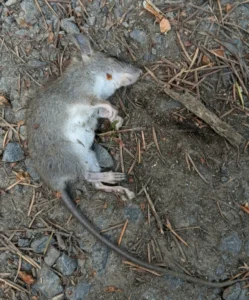
If a rat dies inside a wall or in a nest area, other rats might not even discover the body. They continue eating the poison because they have no idea it’s causing deaths.
The social learning that protects rats from bad food doesn’t work with slow-acting poisons.
Rats learn to avoid foods that make them or other rats sick quickly. But when the sickness is delayed by days and happens far from the food source, this learning mechanism fails.
In large infestations, there’s high turnover and competition.
New rats are always entering the population, and these newcomers haven’t seen any deaths.
They find the poison and eat it because it smells and tastes good to them.

Dominant rats often eat first and get poisoned first.
Subordinate rats might not notice these dominant individuals are gone for a while. By the time they realize the dominant rats are missing, they’ve already been eating the poison themselves.
Some rats are just hungrier or less cautious than others.
Individual personalities vary in rats, and some are more willing to try new foods or take risks.
These rats eat the poison regardless of what’s happening to the population around them.
Conclusion
Rats eat rat poison because it’s carefully designed to smell and taste like foods they naturally want, and because it doesn’t make them sick immediately, so they don’t learn to avoid it.
The delayed action of most rat poisons is key to their effectiveness because it prevents rats from developing bait shyness.
By the time rats start feeling sick, they’ve already eaten a lethal dose and don’t connect their illness with the bait they ate days earlier.
Understanding why rats eat poison helps you use it more effectively.
You know to remove competing food sources, place bait in areas where rats feel safe, and give the poison time to work as rats gradually consume it over several days.
While rat poison can be effective, it should always be used carefully and according to directions to protect non-target animals and people.

Hi, my name is Ezra Mushala, i have been interested animals all my life. I am the main author and editor here at snakeinformer.com.