
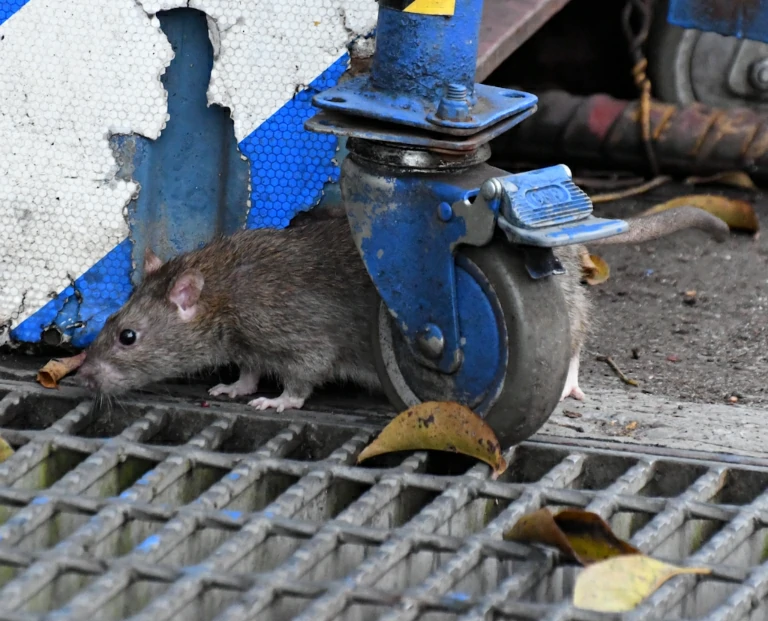
You leave a plastic bag on the counter overnight and wake up to find it shredded with bite marks everywhere. Or maybe you’ve discovered rats have chewed through plastic storage bins in your garage.
Plastic doesn’t have any nutritional value, so why are rats so determined to chew it up? Why do rats eat plastic?
Rats chew and eat plastic primarily because their teeth grow continuously throughout their lives and they must gnaw constantly to keep them at a manageable length. Plastic also sometimes smells like food or has food residue on it, making it attractive to investigate and chew.
While rats aren’t actually trying to eat plastic for nutrition, they do ingest it while gnawing for other reasons. Understanding what drives this behavior helps you protect your belongings and understand rat behavior better.
The Never-Ending Growth of Rat Teeth
The main reason rats chew plastic (and basically everything else) comes down to their teeth.
Rat incisors grow continuously throughout their entire lives, never stopping. These front teeth can grow 4 to 5 inches per year if not worn down.

This constant growth is a biological reality rats must deal with. If they don’t gnaw regularly to wear their teeth down, the teeth will grow too long to function properly.
Overgrown teeth curve into the jaw and skull, eventually making it impossible for the rat to eat. This leads to starvation and death, so gnawing isn’t optional for rats, it’s survival.
The gnawing keeps teeth at the right length while also maintaining their sharp, chisel-like edge. Rats need this sharp edge to bite through their natural food sources.
This drive to chew is instinctive and constant. Rats are looking for things to gnaw on all the time, and plastic happens to be everywhere in modern human environments.
Why Plastic Seems Appealing to Rats
Beyond just needing to chew something, there are specific reasons plastic often becomes a target.
Many plastics smell like food to rats. If a plastic container held food, it absorbs those scent molecules. Even after washing, traces remain that rat noses can detect.
Food residue sticks to plastic surfaces. That bag of chips or container of leftovers left invisible oil and flavor compounds that rats find when they investigate.

Some plastics are made with additives that have odors. Plasticizers, colorants, and other chemicals can create smells that attract curious rats.
The texture of plastic can be satisfying to chew. Some plastics provide good resistance without being too hard, making them pleasant for rats to gnaw.
Plastic is soft enough that rats can actually make progress chewing through it. Unlike metal or stone, plastic yields to their teeth, which might make it more rewarding to gnaw.
The Difference Between Chewing and Actually Eating Plastic
It’s important to understand that rats aren’t seeking out plastic as food. There’s a difference between chewing behavior and eating behavior.
When rats chew plastic, they’re primarily grinding their teeth against it. The goal is tooth maintenance, not nutrition.
However, small pieces inevitably get swallowed during the chewing process. The rat isn’t carefully spitting out every fragment, some plastic ends up ingested.

This incidental ingestion doesn’t provide nutrition. Plastic passes through the digestive system without being broken down or absorbed.
If you find shredded plastic, you’ll often see lots of fragments and pieces left behind. A rat that was actually eating for nutrition would consume most of what it chewed.
The pattern of damage also tells the story. Gnaw marks on plastic typically show the characteristic paired grooves from rat incisors, evidence of grinding behavior rather than consumption.
How Food Smells on Plastic Attract Rats
Even clean plastic can carry scents that draw rats in for closer investigation.
Plastic is porous at a microscopic level. Food oils, flavors, and scents penetrate into the material and don’t fully wash out.
Fats and oils are especially persistent on plastic. That greasy residue from chips, nuts, or butter leaves traces that rats can smell even when humans can’t detect anything.
Sugar residues also stick around. Candies, sodas, and sweet foods leave behind molecules that rats find with their sensitive noses.
Even just being stored near food can make plastic smell interesting. A plastic bin that sits in the pantry absorbs ambient food odors from nearby items.
Rats investigating these scents will taste and chew the plastic to try to access the food smell they detect. When they don’t find actual food, they might continue chewing anyway because their teeth need the work.
The Role of Exploration and Curiosity
Rats are intelligent, curious animals that investigate their environment thoroughly, and chewing is part of how they explore.
When rats encounter a new object, they examine it with their teeth as much as with their other senses. Chewing tells them about texture, hardness, and composition.

This investigative chewing often leads to destruction even when the rat wasn’t trying to eat the item. They’re just gathering information about their world.
Plastic objects might get chewed simply because they’re there and the rat is curious about them. The investigation includes gnawing to see what the object is made of.
Young rats especially show high levels of exploratory chewing. They’re learning about their environment and testing everything they encounter.
Even after initial investigation, rats might return to chew familiar objects when they need to maintain their teeth. That plastic bin becomes a known resource for gnawing.
Types of Plastic That Rats Target Most Often
Not all plastics are equally attractive to rats. Some get chewed much more than others.
Soft, flexible plastics like bags, packaging, and thin containers are favorites. They’re easy to chew through and provide quick satisfaction.
Plastics that previously held food are top targets. Containers, bottles, and wrappers that carried human food or pet food get special attention.
Foam and styrofoam are extremely appealing. The texture is satisfying to destroy, and rats can easily shred it into pieces.
Harder plastics like storage bins can still get chewed, but rats have to work harder at it. They’ll focus on edges and corners where they can get better purchase.
Electrical wire insulation is unfortunately very attractive. The rubber or plastic coating on wires seems to be particularly appealing, possibly because of the texture or chemical composition.
The Dangers of Rats Eating Plastic
While rats chew plastic mainly for tooth maintenance, the ingestion that happens can cause problems.
Plastic fragments can cause digestive blockages if enough accumulates. Large pieces or lots of small pieces can get stuck in the digestive tract.
Some plastics contain harmful chemicals like BPA, phthalates, and other compounds. When rats chew and swallow plastic, they ingest these toxins.

Sharp plastic edges can damage the mouth, throat, or digestive system as they’re swallowed. This can lead to internal injuries.
Choking is a potential risk if a rat bites off a piece that’s too large. While less common, it can happen.
Nutritional problems can develop if a rat fills up on plastic instead of actual food. While they’re not eating it for nutrition, ingested plastic takes up space in the stomach.
For wild rats living around human trash and waste, plastic ingestion is becoming a serious problem. Some studies show wild rats with significant plastic in their digestive systems.
How Plastic Chewing Affects Pet Rats Versus Wild Rats
The plastic problem looks different depending on whether we’re talking about pet rats or wild ones.
Pet rats in cages might chew plastic cage accessories, water bottles, or items their owners give them. The danger is more controlled because owners can monitor and remove dangerous items.
However, pet rats that get free time outside their cages might access plastic items in the home. They can chew electrical cords, plastic storage, or household items.
Wild rats living in urban environments are surrounded by plastic waste. Dumpsters, trash bags, discarded containers, and litter provide endless plastic chewing opportunities.
The health impacts are probably worse for wild rats. They’re more likely to ingest significant amounts of plastic and less likely to get help if it causes problems.
Pet rats can be given appropriate chew toys to satisfy their gnawing needs. Wild rats just use whatever they find, which increasingly means plastic.
Preventing Rats From Chewing Your Plastic Items
If you’re dealing with rats chewing your belongings, there are ways to protect your stuff.
Store items in metal or glass containers instead of plastic. Rats can’t chew through these materials, so your belongings stay safe.
Clean plastic containers thoroughly before storage. Removing all food residue makes them less interesting to investigate.

Keep plastic items rats might access elevated or in closed cabinets. If rats can’t reach it, they can’t chew it.
Provide alternative chewing options if you have pet rats. Giving them appropriate things to gnaw means they’re less likely to destroy inappropriate items.
Use deterrent sprays on plastic items you can’t move. Products containing capsaicin or bitter compounds can make plastic taste bad to rats.
For electrical wires and cords, use protective coverings designed to resist rodent chewing. These are made from harder materials that rats find difficult to gnaw.
The Environmental Impact of Rats and Plastic
The interaction between rats and plastic has broader implications beyond damaged property.
Rats spread plastic fragments as they chew and scatter pieces. This contributes to microplastic pollution in the environment.
When rats eat plastic and then defecate, plastic particles end up in their waste. This spreads microplastics into soil and water systems.
Rats nesting with plastic materials introduce plastics into new areas. They collect and transport plastic pieces to build nests.
Animals that prey on rats might ingest plastic that’s in the rat’s digestive system. This moves plastics up the food chain.
In areas with high rat populations and lots of plastic waste, the combination creates serious environmental contamination issues.
How Different Plastics Wear Down Rat Teeth
From the rat’s perspective, not all plastics are equally effective for tooth maintenance.
Harder plastics provide better tooth wear. Materials that resist chewing force the rat to work harder, grinding the teeth down more effectively.

Soft plastics wear down quickly but don’t challenge the teeth much. Rats might chew through these easily but not get as much tooth maintenance benefit.
Plastics with some flexibility provide resistance without being so hard they could damage teeth. This might be the sweet spot for rats.
The texture matters too. Smooth plastics might be less effective than textured ones that provide more friction against the teeth.
For pet rat owners, this is why purpose-made chew toys often use harder materials. They want something that actually helps maintain teeth rather than just being destroyed.
Signs That Rats Are Chewing Plastic in Your Space
If you’re not sure whether rats are the culprits behind damaged plastic, here’s what to look for.
Paired grooves in the chew marks are distinctive to rats. Their two large incisors create parallel scrapes that are easy to identify.
Small plastic fragments scattered around indicate active chewing. Rats don’t clean up after themselves.
Shredded plastic bags, especially ones that held or were near food, are common evidence. Check bags and wrappers that might have food smells.
Damaged plastic containers, particularly around edges and corners, show where rats focused their chewing efforts.
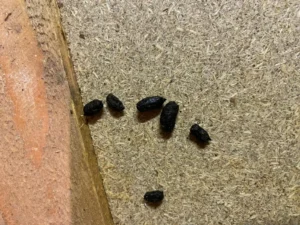
Droppings near chewed plastic confirm rats were there. Rat droppings look like dark grains of rice.
Greasy smear marks along walls or surfaces near damaged plastic indicate rat travel routes. Rats have oily fur that leaves marks.
Alternative Materials That Rats Can’t Chew Through
If you need to rat-proof your storage or belongings, certain materials work better than plastic.
Metal containers and bins are essentially rat-proof. Even determined rats can’t chew through steel or aluminum.
Glass jars and containers work well for food storage. Rats can’t damage glass with their teeth.
Ceramic containers also resist rat damage. Like glass, the material is too hard for rat teeth.
Heavy-duty wood can resist casual chewing, but determined rats can eventually chew through it. It’s better than plastic but not as good as metal or glass.
Concrete and masonry are completely resistant. Rats can’t make progress chewing these materials.
For protecting wires and cables, metal conduit or heavy-duty protective sleeves designed for rodent resistance work much better than plastic.
What Happens to Plastic Inside a Rat’s Digestive System?
When rats swallow plastic fragments during chewing, the plastic goes through their digestive tract.
Plastic isn’t broken down by digestive enzymes. It passes through essentially unchanged chemically.

Small pieces might transit through without causing issues, eventually being defecated out.
Larger pieces or accumulations of plastic can cause blockages. The plastic can get stuck in the stomach or intestines.
The rough edges of plastic fragments can irritate or damage the intestinal lining as they move through.
Chemicals from the plastic can leach out in the digestive system and be absorbed. This exposes the rat to whatever toxins the plastic contains.
Even though it provides no nutrition, plastic takes up space in the digestive tract. This can reduce the rat’s ability to eat and process actual food.
Conclusion
Rats chew and eat plastic mainly because their teeth grow continuously and they must gnaw constantly to keep them worn down to usable lengths. Plastic is everywhere in human environments, making it a convenient gnawing target even though it provides no nutritional value.
Food smells absorbed into plastic make it even more attractive. Containers and packaging that previously held food carry scent traces that draw rats in for investigation, and the investigation includes chewing.
While rats aren’t trying to eat plastic for nutrition, they do swallow small pieces during the gnawing process. This can cause digestive problems and exposes them to chemicals in the plastic.
Protecting items from rat damage means using materials they can’t chew through, like metal or glass, and removing food smells from plastic containers. Understanding that gnawing is a biological necessity for rats helps explain why they’re so persistent about chewing things, even when those things seem like terrible food choices.

Hi, my name is Ezra Mushala, i have been interested animals all my life. I am the main author and editor here at snakeinformer.com.