
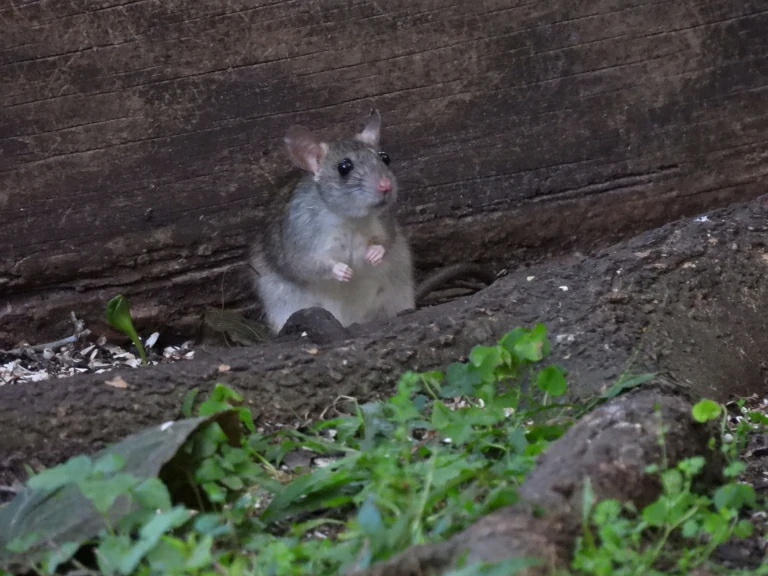
If you have pet rats or have dealt with wild rats in your home, you’ve probably noticed they have a thing for paper. They’ll shred newspapers, chew up cardboard boxes, tear apart paper towels, and even nibble on books.
This behavior is incredibly common in both wild and domestic rats. But it’s not just random destruction, there are actually several reasons why rats are so drawn to paper. So why do rats eat paper?
Rats eat paper because their teeth never stop growing and they need to constantly chew to keep them worn down. They also use paper for nesting material, eat it out of boredom or stress, and sometimes consume it because they’re curious or their diet is lacking in fiber.
While some paper-eating is normal rat behavior, excessive paper consumption can sometimes signal problems that need to be addressed.
Understanding why your rat is eating paper can help you figure out if it’s harmless or if you need to make changes.
Their Teeth Never Stop Growing
The main reason rats chew paper (and everything else) is because of their teeth. Rats are rodents, and like all rodents, they have incisors that grow continuously throughout their lives.
If rats didn’t chew regularly, their teeth would grow too long and cause serious health problems. The teeth could grow into their jaw, prevent them from eating, or cause painful mouth injuries.
Chewing on things wears down the teeth and keeps them at a healthy length. Paper is soft enough to be satisfying to chew but provides enough resistance to actually grind down the teeth.
Some rats will even target cardboard edges or thin strips of paper because it gives their teeth a little more challenge. Chewing harder textures helps strengthen the jaw muscles and keeps the incisors sharp.
This is one reason you might see your rat gnawing on things that seem “useless” to us, like empty boxes or the edges of packaging.
Rats don’t necessarily eat all the paper they chew. Sometimes they’re just shredding it and leaving it behind. But they do swallow some of it, either intentionally or by accident.
Paper Makes Great Nesting Material
Rats are natural nest-builders. In the wild, they create elaborate nests using whatever materials they can find, including grass, leaves, and yes, paper.
Pet rats have this same instinct. They’ll gather up strips of paper, cardboard, tissues, and fabric to build comfortable nests where they sleep.
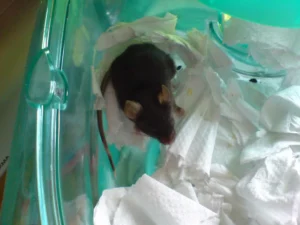
Rats often arrange the shredded paper in layers, creating a soft bottom layer and a fluffier top layer.
This layering mimics what they would do in the wild, where insulation from leaves and grasses keeps their young warm and hidden from predators.
Even in a pet environment, this instinct is strong, and you might notice them carefully arranging their nest before curling up for a nap.
If you give your rat paper towels or tissues, you’ll probably see it immediately start shredding them and carrying the pieces to its favorite sleeping spot.
This behavior is especially strong in female rats, particularly pregnant or nursing females who want to create a safe, warm nest for their babies.
Boredom Leads to More Chewing
Rats are intelligent, active animals that need mental stimulation. When they’re bored, they’ll find ways to entertain themselves, and chewing paper is an easy outlet.
A rat that doesn’t have enough toys, enrichment activities, or social interaction will chew more than a rat that’s properly stimulated.
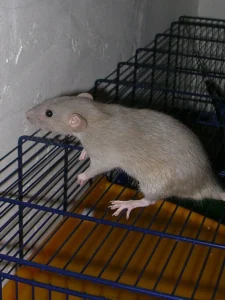
If your rat is destroying paper products constantly and seems obsessed with shredding everything, boredom might be the issue.
Providing more toys, puzzle feeders, time outside the cage, and interaction with you or other rats can reduce destructive chewing behavior.
Some rats get creative when they’re bored. They might carry shredded paper to corners of the cage, hide it under bedding, or even create little tunnels out of cardboard.
Stress and Anxiety Increase Chewing
Just like boredom, stress can cause rats to chew more. Chewing is a self-soothing behavior that helps rats calm down when they’re anxious.
Changes in environment, lack of hiding spots, loud noises, aggressive cage mates, or not enough space can all cause stress that leads to excessive chewing.
If your rat suddenly starts eating more paper than usual, consider whether something in its environment has changed recently.
Stressed rats might also show other signs like excessive grooming, weight loss, or aggressive behavior. Addressing the underlying stress usually helps reduce the paper-eating.
You might also notice that stressed rats chew specific types of paper more, like soft tissue rather than cardboard, because it’s easier to shred quickly when they feel anxious.
Offering hiding spots, hammocks, or even just a small covered box can help reduce anxiety and distract them from constant chewing.
Sometimes, just changing the cage layout can make a big difference in how comfortable and secure they feel.
Some Rats Just Like the Texture
Some rats seem to genuinely enjoy the texture and taste of paper. They’ll chew it, eat it, and actively seek it out even when they have other things to chew.
Different types of paper provide different textures. Cardboard is thick and satisfying to tear apart. Tissue paper is soft and easy to shred. Newspaper is somewhere in between.

Rats might have preferences for certain types of paper based on how it feels and tastes. Some rats love cardboard but ignore tissue paper, while others are the opposite.
This is just individual preference and personality. As long as the rat isn’t eating dangerous amounts of paper or only eating paper instead of real food, this is usually harmless.
Dietary Fiber Needs
Paper is made from wood pulp, which is basically plant fiber. Some rats might eat paper because they’re instinctively seeking out fiber in their diet.
Wild rats eat a varied diet that includes plenty of plant matter, which provides natural fiber. Pet rats on commercial food might not get as much fiber as they would in nature.
If your rat is eating a lot of paper, check whether its diet includes enough vegetables and fiber. Adding more fresh veggies, whole grains, or fiber-rich foods might reduce paper consumption.
That said, paper isn’t a good source of nutrition and shouldn’t replace actual food. It’s basically empty calories with no real nutritional value.
Curiosity and Exploration
Rats explore their world through their mouths. They bite, chew, and taste almost everything they come across to learn about it.
When a rat encounters paper, its first instinct is to bite it and see what happens. This is how rats gather information about their environment.
Young rats are especially curious and will chew everything just to figure out what it is. As they mature, they usually become more selective about what they chew.
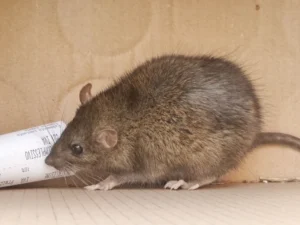
But even adult rats maintain some level of exploratory chewing. If you introduce something new and papery into their environment, expect them to investigate it with their teeth.
Wild Rats vs Pet Rats
Wild rats eat paper for all the same reasons as pet rats, but they encounter paper in different contexts. Wild rats living in human spaces have access to tons of paper products.
They’ll chew through cardboard boxes to get to food, shred paper for nesting material, and gnaw on books or documents that are in their territory.
Wild rats are also more likely to eat paper out of desperation if food is scarce. Paper provides some bulk even if it doesn’t have much nutrition.
Pet rats have consistent access to proper food, so they’re eating paper more for behavioral reasons (boredom, teeth-grinding, nesting) than nutritional ones.
Is Eating Paper Dangerous?
In small amounts, eating paper is generally safe for rats. Their digestive systems can handle it, and it’ll pass through without causing problems.
However, eating large amounts of paper can cause issues. Too much paper can cause intestinal blockages, especially if the rat is eating it faster than it can digest and pass it.

Some types of paper are more dangerous than others. Glossy magazine paper, paper with lots of ink, or paper treated with chemicals could be harmful if consumed in large quantities.
Even paper that seems harmless, like old newspapers or envelopes, can contain residues from ink, glue, or coatings that aren’t meant to be eaten.
If a rat eats enough of it over time, this could irritate their stomach or intestines.
Cardboard with glue or tape is also risky. The adhesives used in these products can be toxic, and the tape can cause blockages.
Safe vs Unsafe Paper Products
If you’re going to give your rats paper to play with, stick to safe options. Plain, unbleached paper towels are generally safe. So is plain cardboard without tape or labels.
Avoid glossy paper, heavily inked paper, or anything with chemical treatments. Don’t give them paper that’s been around cleaning products or has absorbed chemicals.
Toilet paper and paper towels are popular choices for rat owners because they’re soft, fun to shred, and relatively safe if consumed in small amounts.
Another option is shredded brown packing paper or untreated cardboard. These provide a satisfying texture for chewing and shredding while being free from dyes and chemical treatments.
Just make sure there’s no tape, labels, or staples that could hurt your rat.
Some people give their rats phone books or newspaper, but be aware that the ink can be messy and might not be completely safe if eaten in large quantities.
How Much Is Too Much?
A little paper shredding and consumption is normal. If your rat tears up some paper towels for nesting or chews on cardboard occasionally, that’s fine.
You should be concerned if your rat is eating paper constantly, choosing paper over actual food, or consuming large volumes of paper every day.

Watch your rat’s droppings. If they look abnormal (very dry, very small, or if the rat seems to be straining), it might be eating too much paper and causing digestive issues.
Weight loss, decreased appetite for regular food, or lethargy combined with excessive paper-eating are red flags that warrant a vet visit.
Providing Better Alternatives
If you want to reduce how much paper your rat eats, provide better alternatives for chewing. Wooden chew toys, untreated wood blocks, and chew sticks made for rats are all good options.
Natural materials like willow balls, seagrass mats, or coconut shells give rats something interesting to chew that’s actually designed for this purpose.
For nesting, you can provide paper-based bedding that’s specifically made for small animals. This is safer than random paper products and gives rats the nesting material they want.
Rotate toys regularly to keep things interesting. A bored rat will seek out paper to chew, but a rat with engaging toys might leave the paper alone.
When to Worry
Most paper-eating is harmless, but there are situations where you should be concerned. If your rat suddenly starts eating way more paper than usual, something might be wrong.
This could indicate stress, boredom, dental problems (if the rat is seeking softer materials to chew), or nutritional deficiencies.
If you notice blood in the droppings, difficulty pooping, bloating, or your rat seems uncomfortable after eating paper, get it to a vet immediately. These could be signs of an intestinal blockage.
Rats that eat paper obsessively to the point of ignoring food, water, or social interaction might have a behavioral problem that needs addressing.
Behavioral issues can sometimes be linked to underlying dental pain, especially if your rat avoids harder chew toys and goes straight for soft paper.
Dental problems can be subtle, but excessive soft paper chewing might be a red flag.
Regular vet checkups and keeping teeth at a healthy length with chew toys can prevent both dental and behavioral problems.
Conclusion
Rats eat paper mainly because they need to constantly chew to keep their ever-growing teeth at a healthy length. They also use paper for building nests, eat it when they’re bored or stressed, and sometimes just enjoy the texture.
Small amounts of paper consumption are normal and usually harmless. But excessive paper-eating can signal problems like boredom, stress, or dietary issues that need to be addressed.
Providing proper chew toys, enrichment, and a balanced diet can help reduce your rat’s paper consumption. If you do give your rats paper, stick to safe options like plain paper towels or untreated cardboard, and watch for signs of digestive problems.

Hi, my name is Ezra Mushala, i have been interested animals all my life. I am the main author and editor here at snakeinformer.com.