
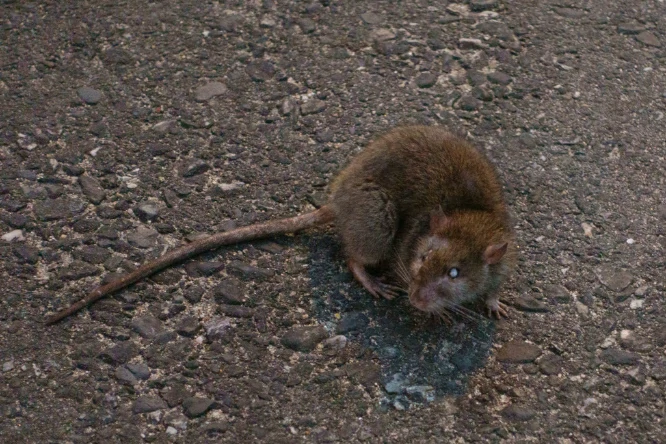
Discovering that rats sometimes eat their own dead can be pretty shocking, especially for pet rat owners who see their animals as gentle companions.
This behavior seems brutal and wrong, particularly when it happens in your own rat colony. You might wonder what’s wrong with your rats or why they would do something so disturbing. So why do rats eat dead rats?
Rats eat dead rats mainly as a survival response driven by hunger, protein needs, or stress. They may also eat deceased cage mates to dispose of the body, prevent disease spread, or because they don’t fully understand the other rat has died.
This behavior is disturbing to watch, but it’s rooted in survival instincts that helped wild rats survive in harsh conditions. Understanding why it happens can help you prevent it and know when it signals a problem with your rats’ care.
The Survival Instinct Behind Cannibalism
In the wild, rats live in a world where food isn’t always available and starvation is a real threat. When resources are scarce, rats will eat almost anything to survive, including other dead rats.
Wild rats are opportunistic eaters. They’ll consume whatever provides calories and nutrients, whether that’s grains, insects, garbage, or dead animals. A dead rat is just another source of protein and fat.

This survival programming is still built into pet rats, even though they live in homes with regular meals. When certain conditions trigger those old instincts, domesticated rats can still engage in cannibalistic behavior.
It’s not that rats prefer to eat each other. They’d much rather eat their normal food. But when something goes wrong (like not enough food, stress, or confusion), those deep survival instincts can kick in.
Hunger and Malnutrition as Triggers
The most straightforward reason rats eat dead rats is hunger. If rats aren’t getting enough food, they’ll look for any source of nutrition, including deceased cage mates.
This can happen if you’re not feeding your rats enough, if dominant rats are hoarding all the food and preventing others from eating, or if the food provided doesn’t meet their nutritional needs.

Pregnant or nursing female rats have especially high nutritional demands. If a nursing mother isn’t getting enough protein and calories, she might eat babies that die or even kill and eat healthy babies to meet her needs.
Young rats that are growing rapidly also need lots of protein. If they’re not getting enough in their diet, they might turn to cannibalism.
The good news is this trigger is completely preventable. Make sure your rats always have access to plenty of high-quality food. Provide enough feeding spots so all rats can eat, not just the dominant ones. Give pregnant and nursing females extra protein-rich foods.
Stress and Overcrowding
Stressed rats are more likely to engage in abnormal behaviors, including eating dead cage mates. Several stress factors can trigger this.
Overcrowding is a major stressor. When too many rats are crammed into a too-small space, they get stressed, territorial, and desperate. This can lead to fighting, and if a rat dies, others might eat it.

Lack of hiding spots and privacy also creates stress. Rats need places to retreat and feel safe. Without these, they’re constantly on edge.
Sudden changes in environment, like moving to a new cage or home, can stress rats enough to trigger unusual behavior.
Loud noises, bright lights, or being handled roughly all add to stress levels. Chronic stress wears down a rat’s mental state and can lead to behaviors they wouldn’t normally show.
If your rats seem stressed, improve their living conditions. Get a bigger cage, add more hiding spots, keep the environment calm, and make sure they’re not overcrowded.
Confusion About Death
Rats don’t understand death the same way humans do. When a cage mate dies, especially if death was sudden, the other rats might not realize what happened right away.
In the first hours after death, a rat’s body doesn’t look dramatically different. It’s still warm, still has the familiar scent. Other rats might try to wake the dead rat, groom it, or even drag it around.
As the body starts to cool and stiffen, rats may investigate by nibbling or biting to figure out what’s going on. This investigation can turn into eating, especially if the rats are hungry or stressed.
Young rats with less experience are more likely to eat a deceased cage mate because they don’t understand what death means yet. They just see something that smells like food.
Some researchers think rats might start eating a dead body because they’re trying to “fix” it or understand what’s wrong. The nibbling becomes eating almost by accident.
Disease Prevention and Cleanup Instinct
This might sound strange, but eating a dead rat can actually be a form of cleanup behavior that evolved to protect the colony from disease.
In the wild, a dead body in the nest can attract predators and parasites. It can also spread disease to living rats. By consuming or removing the body quickly, rats reduce these dangers.

Pet rats might retain this instinct even though they live in clean cages. They’re programmed to “dispose of” dead colony members to keep the living area safe.
This doesn’t mean the behavior is good or should be encouraged. But it helps explain why it happens even in well-fed, unstressed rats sometimes.
Maternal Cannibalism in Mother Rats
Mother rats sometimes eat their own babies, which is an especially upsetting form of rat cannibalism. This happens for specific reasons related to reproduction and survival.
If a baby is born sick, deformed, or too weak to survive, the mother might eat it. This seems cruel, but in the wild, it makes sense. The mother reclaims the nutrients she invested in that baby and focuses her energy on the healthy ones.
First-time mothers sometimes accidentally kill and then eat their babies because they don’t know what they’re doing yet. They might handle the babies too roughly or panic.
Extremely stressed mothers might eat all or some of their litter. If the mother feels threatened or unsafe, she might decide it’s better to eliminate the babies than try to raise them in dangerous conditions.
Malnourished mothers might eat babies to survive. If she doesn’t have enough food, the mother will prioritize her own survival over the babies.
You can prevent most maternal cannibalism by giving pregnant and nursing mothers a quiet, safe space, plenty of high-protein food, and minimal disturbance during the first week after birth.
When Dominance and Aggression Play a Role
In some cases, cannibalism is linked to dominance fights and aggression rather than hunger or stress. This is less common but can happen.
If two rats fight and one is killed, the winner might eat part of the defeated rat. This is about dominance and territory rather than food.
Rats that aren’t properly socialized or introduced can fight viciously. If fights escalate to the point of death, cannibalism might follow.
Male rats are more likely to fight to the death than females, especially if they weren’t neutered or weren’t introduced properly. Intact males can be extremely territorial.
If you’re seeing serious aggression in your rat colony, separate the fighters immediately. Reintroduce them slowly and carefully, or keep them permanently separated if they can’t get along.
Differences Between Wild and Pet Rats
While pet rats and wild rats are the same species, their likelihood of eating dead rats is different based on their living conditions.
Wild rats face food scarcity regularly. They’re much more likely to eat a dead rat out of pure hunger. In cities where rats live off human garbage, they might eat dead rats when garbage is scarce.
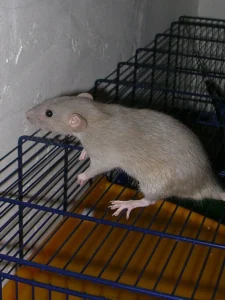
Pet rats usually have consistent food access. When pet rats eat a deceased cage mate, it’s more likely due to stress, confusion, or a one-time situation rather than ongoing hunger.
Lab rats (rats bred for research) are kept in very controlled conditions with constant food. Cannibalism in lab rats usually signals a problem with the setup, like overcrowding or lack of enrichment.
Feeder rats (bred as food for reptiles) are often kept in terrible conditions with minimal food and massive overcrowding. These rats show high rates of cannibalism because they’re living in survival mode constantly.
How to Prevent Rats From Eating Dead Rats
If you’re worried about this happening in your rat colony, there are several things you can do to prevent it. Most are about good basic rat care.
Always provide plenty of food. Make sure there are multiple food bowls or feeding areas so all rats can eat without competition. Don’t let food run out.
Feed a high-quality diet with enough protein. Rats need about 16% to 20% protein in their diet. Pregnant and nursing mothers need even more.
Keep your rat colony at a reasonable size for your cage. Overcrowding creates stress. A good rule is at least 2 cubic feet of cage space per rat, but more is better.
Provide hiding spots, hammocks, and enrichment. Rats need mental stimulation and places to feel safe. A boring, stressful environment can trigger abnormal behaviors.
Check on your rats daily. If a rat dies, remove the body immediately. Don’t leave a dead rat in the cage overnight or while you’re away at work.
If you notice a sick or dying rat, separate it if possible. This isn’t always practical or kind (sick rats often want their friends nearby), but it prevents the other rats from eating it if it dies.
What to Do If You Find Cannibalism Happening
If you discover your rats eating a deceased cage mate, it’s upsetting, but you need to act quickly and calmly. Here’s what to do.
Remove the body immediately. Even if it’s partially eaten, get it out of the cage right away. Use gloves if you’re squeamish, but don’t leave it there.

Check the remaining rats for injuries or signs of fighting. Look for bite wounds, especially around the face, neck, and rear. If any rat is injured, it might need vet care.
Clean the cage thoroughly. Remove any blood or body fluids. This helps reduce stress for the remaining rats and prevents disease spread.
Evaluate your care routine. Ask yourself: Are my rats getting enough food? Is the cage too small? Are they stressed? Is there enough enrichment? Make changes based on what might have triggered the behavior.
Watch the remaining rats carefully for the next few days. Make sure they’re eating, drinking, and behaving normally. Stress from losing a cage mate can cause health problems.
If cannibalism happens repeatedly, something is seriously wrong with your setup or your rats’ health. Consult with a vet who knows rats to figure out what’s going on.
Is It Normal or a Sign of a Problem
One instance of rats nibbling on a deceased cage mate, especially if they were stressed or the body wasn’t removed quickly, isn’t necessarily a huge problem. It’s disturbing, but it can happen.
However, repeated cannibalism, especially if rats are killing and eating each other (not just eating already-dead bodies), is a serious red flag. This signals major problems with stress, aggression, nutrition, or living conditions.
Mother rats occasionally eating one sick baby isn’t unusual, though it’s sad. Mother rats eating entire litters or repeatedly eating babies across multiple litters signals a big problem.
If cannibalism is happening in your rats, treat it as a warning sign. Something in their environment or care isn’t right, and you need to fix it.
Healthy, well-fed, unstressed rats in a good environment very rarely engage in cannibalism. When they do, it’s usually because they didn’t understand a cage mate had died and started investigating the body.
Cultural and Species Differences in Cannibalism
It’s worth noting that cannibalism isn’t unique to rats. Many animals will eat their own dead under certain circumstances, so rats aren’t unusually violent or cruel.
Hamsters are notorious for eating their babies and sometimes even eating each other. They’re solitary animals with even stronger cannibalistic tendencies than rats.
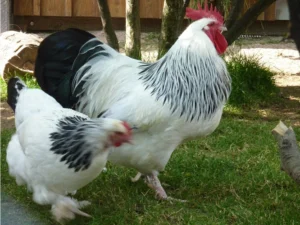
Chickens will peck at and eat sick or dead flock members. This is where the phrase “pecking order” comes from. Weakness in the flock triggers aggressive behavior.
Some fish, reptiles, and amphibians eat their young regularly. In many species, this is just normal reproductive behavior.
Even some primates have been observed engaging in cannibalism under stress or in unusual situations.
The point is that while it’s disturbing to us, cannibalism is actually a fairly common survival strategy in the animal kingdom. Rats aren’t monsters. They’re just animals responding to their instincts.
The Emotional Impact on Rat Owners
Finding out your rats ate a deceased cage mate can be traumatic. It’s okay to be upset, shocked, or even disgusted. These are normal human reactions.
Remember that your rats didn’t do this to hurt you or because they’re bad. They acted on instinct in response to conditions in their environment.
Don’t punish or blame your rats. They don’t understand human morality. Yelling at them or treating them harshly will just stress them more.
If you’re really disturbed by what happened, it might help to talk to other rat owners who’ve experienced this. Online rat communities can provide support and perspective.
Focus on improving your rats’ care going forward. Make the changes needed to prevent it from happening again.
If you’re struggling emotionally, remember why you love your rats in the first place. They’re still the same intelligent, affectionate animals they were before. This one disturbing incident doesn’t define them.
Conclusion
Rats eat dead rats because of deep survival instincts that evolved to help them survive in harsh, unpredictable wild environments. Hunger, stress, confusion, and instinctive cleanup behaviors can all trigger this disturbing action.
The good news is that with proper care, including adequate food, appropriate housing, low stress, and quick removal of any deceased rats, you can almost completely prevent this behavior in your pet rats.
If it does happen, use it as a signal to evaluate and improve your rats’ living conditions. Your rats aren’t bad or broken. They’re just animals responding to their environment the best way they know how.

Hi, my name is Ezra Mushala, i have been interested animals all my life. I am the main author and editor here at snakeinformer.com.