
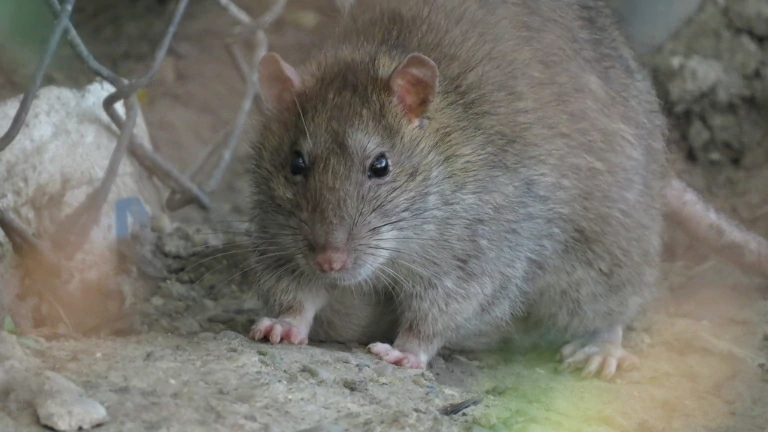
Rats have a reputation for being tough survivors that will do whatever it takes to stay alive. One of the more disturbing behaviors people sometimes witness is rats eating other rats. Whether you’ve seen this happen with pet rats, noticed it in a wild population, or just heard about it and want to understand why it occurs, it’s a behavior that raises questions. Why do rats eat each other?
Rats eat each other primarily due to stress, overcrowding, lack of food or water, illness, or to eliminate weak members of the colony. Mother rats may also eat dead or sick babies to conserve resources and protect the rest of the litter from disease.
This behavior, called cannibalism, isn’t normal healthy rat behavior. It usually happens when something is seriously wrong with the rat’s environment or health. Understanding the triggers can help prevent it in pet rats and make sense of it in wild populations.
When Rats Are Most Likely to Eat Each Other
Cannibalism in rats doesn’t just happen randomly. There are specific situations where it’s most likely to occur.
Overcrowding is one of the biggest triggers. When too many rats are packed into too small a space, stress levels go through the roof. This stress can trigger aggressive behavior, including cannibalism.

Food scarcity pushes rats toward desperate measures. If there isn’t enough food to go around, weaker rats become a food source for stronger ones. It’s survival of the fittest playing out in real time.
Water shortage can also trigger this behavior. Dehydration causes stress and desperation, and rats in this state may turn on cage mates or colony members.
During territorial disputes, fights can escalate to the point where the winner kills and eats the loser. This is more common with males fighting over territory or mating rights.
Illness or injury makes rats vulnerable. Sick or wounded rats often get attacked and eaten by healthier colony members. This actually serves a purpose in wild colonies by removing sources of disease.
Why Mother Rats Sometimes Eat Their Babies
One of the most disturbing forms of rat cannibalism is when mother rats eat their own babies. While it seems cruel, there are usually specific reasons why this happens.
Dead or dying babies are often eaten by the mother. This isn’t cruelty, it’s cleanup. Removing dead pups from the nest prevents disease and parasites from spreading to the healthy babies.

Sick babies may be killed and eaten before they can infect the rest of the litter. The mother rat can often tell when a baby isn’t developing properly or is ill, and eliminating it protects the others.
If the mother is stressed, malnourished, or feels threatened, she might eat some or all of her babies. This seems heartless, but from a survival perspective, she’s conserving energy and resources to try again later when conditions are better.
First-time mothers sometimes eat their babies because they don’t know what to do. Inexperienced mothers may be confused or overwhelmed and respond inappropriately to the new situation.
Too large a litter can overwhelm a mother rat. If she has more babies than she can feed, she may eat the weakest ones to give the stronger babies a better chance of survival.
The Role of Stress in Rat Cannibalism
Stress is probably the single biggest factor in causing rats to eat each other. Understanding how stress affects rats helps explain when cannibalism is most likely.
Chronic stress changes rat behavior dramatically. Rats that are constantly stressed become more aggressive, less social, and more likely to attack others.

Stress hormones like cortisol affect the brain and can reduce the normal social bonds between rats. When these bonds break down, rats that would normally get along fine may suddenly attack each other.
Environmental stressors add up over time. Things like constant noise, bright lights, frequent disturbances, temperature extremes, and lack of hiding spots all create stress that can eventually boil over into violence.
In laboratory settings, stressed rats show much higher rates of aggressive behavior including cannibalism. Researchers have documented that reducing stress factors dramatically reduces these behaviors.
Wild rat colonies under stress from predators, habitat loss, or food scarcity also show increased rates of cannibalism. The stress response seems to be pretty universal across different rat populations.
How Dominance and Hierarchy Affect Cannibalism
Rats have social hierarchies, and this social structure plays into when and why cannibalism occurs.
Dominant rats are more likely to kill and eat subordinate rats when resources are scarce. They’re using their social position to secure resources for themselves.
During fights for dominance, serious injuries can occur. If a fight results in a badly wounded rat, the winner (or other colony members) may kill and eat the injured animal.
Low-ranking rats are especially vulnerable when they’re sick or injured. The social structure doesn’t protect them, they get no help from other rats, and they may actually get targeted for elimination.
In overcrowded conditions, the hierarchy breaks down. Normal social rules stop working when there are too many rats in too little space, and violence including cannibalism becomes more common.
Introducing new rats to an established colony can trigger territorial aggression. If not done carefully, the resident rats may kill and eat newcomers they see as threats.
Nutritional Deficiencies That Lead to Cannibalism
Sometimes rats eat each other because they’re missing something crucial in their diet.
Protein deficiency is a major trigger. Rat bodies are full of protein, so a protein-starved rat may turn to cannibalism to get what it desperately needs.

Lack of certain vitamins and minerals can create cravings that drive unusual eating behaviors. While we don’t fully understand all the nutritional factors, deficiencies definitely play a role.
In controlled studies, rats given inadequate nutrition show much higher rates of cannibalism than well-fed rats. This proves that proper nutrition actively prevents this behavior.
Female rats that are pregnant or nursing have especially high nutritional needs. If those needs aren’t met, they’re more likely to eat babies or attack other rats for food.
Even with plenty of food available, if the food is low quality and doesn’t meet their nutritional needs, rats may still show cannibalistic behavior. It’s not just about quantity, quality matters too.
The Difference Between Eating Dead Rats and Killing to Eat
It’s important to understand that there’s a difference between a rat eating an already dead rat and a rat killing another rat specifically to eat it.
Eating already dead rats (scavenging) is more common and less extreme. If a rat dies from natural causes, illness, or an accident, other rats may eat the body. This is opportunistic feeding.
Active predation (killing to eat) is less common and indicates more severe problems. This happens when rats actively hunt and kill other rats for food, which suggests serious resource scarcity or extreme stress.
In many cases, a rat might be killed for reasons other than food (dominance, territory, stress), and then eaten afterward. The eating is secondary to the killing.
Mother rats eating dead babies is scavenging behavior, not predation. She didn’t kill the baby to eat it, she’s cleaning up after it died.
Understanding this distinction helps figure out what’s wrong. Scavenging dead rats is less concerning than rats actively hunting each other, which indicates a more serious problem.
How Overcrowding Triggers Cannibalistic Behavior
Overcrowding is one of the most reliable triggers for rat cannibalism, both in wild populations and captive settings.
When rats don’t have enough space, their stress levels spike. They can’t get away from each other, can’t establish proper territories, and are in constant social conflict.

The famous rat crowding experiments by researcher John Calhoun showed how devastating overcrowding is. Even with plenty of food and water, rats in overcrowded conditions developed abnormal behaviors including increased aggression and cannibalism.
Overcrowding means more competition for everything: food, water, nesting spots, and social position. This constant competition creates tension that can explode into violence.
Rats need personal space just like humans do. When they can’t get it, they become irritable and aggressive. Small squabbles that would normally be minor can escalate into serious fights.
In wild rat populations, overcrowding happens when food sources attract too many rats to one area. You see this around dumpsters, grain storage, and other concentrated food sources. The population grows beyond what the space can handle, and cannibalism rates increase.
Why Sick or Injured Rats Get Eaten
In rat colonies, sick or injured rats often become targets for cannibalism. This might seem cruel, but from an evolutionary perspective, it serves purposes.
Eliminating sick rats prevents disease spread. If one rat has an infectious disease, eating it (as disturbing as this sounds) removes the source of infection from the colony.
Injured rats are easy targets. They can’t defend themselves effectively, so they become vulnerable to attack by healthier, stronger rats.
The smell of blood or infection can trigger aggressive behavior in other rats. They sense weakness and vulnerability, which can activate predatory responses.
In some cases, this is mercy killing. A severely injured rat that’s suffering may be killed by colony mates, ending its suffering. The eating that follows is secondary.
This behavior is actually an evolutionary advantage for the colony as a whole. By removing sick and injured members, the colony’s overall health and genetic fitness improve, even though it’s terrible for the individual rat.
How Pet Rat Cannibalism Differs From Wild Rat Behavior
Cannibalism in pet rats versus wild rats has some important differences worth understanding.
Pet rats that cannibalize are almost always signaling that something is seriously wrong with their care. Proper housing, nutrition, and social grouping should prevent this behavior entirely.
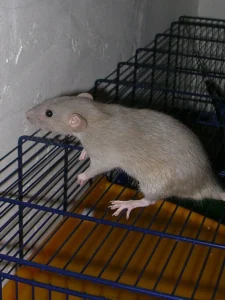
Common causes in pet rats include cages that are too small, not enough food or water, poor diet quality, lack of enrichment, or incompatible cage mates forced to live together.
Wild rats may show cannibalism more readily because they face survival pressures that pet rats don’t. Food scarcity, predators, disease, and harsh weather all create stress that pet rats don’t experience.
However, wild rats in stable colonies with adequate resources rarely show cannibalism. It’s when environmental conditions deteriorate that this behavior appears.
For pet rat owners, any sign of cannibalism is an emergency that requires immediate intervention. Check the cage size, verify food and water availability, examine diet quality, and consider whether the social grouping needs to change.
The Role of Gender in Rat Cannibalism
Male and female rats show somewhat different patterns when it comes to cannibalistic behavior.
Male rats are more likely to kill and eat other males due to territorial and dominance disputes. Male-on-male aggression can be severe, especially when females are present.
Female rats are generally more social and less aggressive toward each other. However, pregnant or nursing females can become very territorial and aggressive.
The main time you see female rats engaging in cannibalism is with their own babies, which happens for the reasons discussed earlier (stress, dead babies, illness).
Mixed-sex groups can actually reduce cannibalism in some cases because it changes the social dynamics. However, you then have to deal with constant breeding unless the rats are spayed and neutered.
In wild populations, males living alone or in bachelor groups may be more likely to show cannibalistic behavior than rats in stable mixed colonies where social bonds are strong.
How Population Density Affects Cannibalism Rates
Research on rat populations has shown clear connections between how crowded rats are and how often they eat each other.
At low population densities, cannibalism is rare. Rats have plenty of space, resources aren’t strained, and stress levels stay manageable.

As density increases, cannibalism rates start to climb. The relationship isn’t linear, there’s a threshold where things suddenly get much worse.
At very high densities, cannibalism can become common. Some of Calhoun’s rat experiments showed that at extreme overcrowding, social structures collapsed entirely and abnormal behaviors including cannibalism became widespread.
This has practical implications for managing rat populations. Reducing crowding (whether in pet situations or even in urban rat control) can reduce aggressive behaviors including cannibalism.
In cities with severe rat problems, you sometimes see cannibalism as a population control mechanism. The rats literally eat each other when the population exceeds what the environment can support.
What Happens When Rats Can’t Escape Each Other
Escape options matter a lot for rat behavior. Being trapped with aggressive rats creates desperate situations.
In the wild, subordinate rats can leave if things get too stressful. They can find new territory, join different colonies, or live alone for a while.
In captivity (whether in a pet cage, a laboratory, or trapped in a building), rats can’t escape. They’re forced to stay in close contact even when relationships break down.
This forced proximity increases stress and conflict. Imagine being locked in a small room with someone you don’t get along with, with no option to leave. That’s what trapped rats experience.
Not having escape routes means rats resort to fighting when they would normally just avoid each other. These fights can escalate to serious injury or death, followed by cannibalism.
Providing multiple hiding spots and complex environments helps because rats can at least get out of each other’s line of sight. They can’t truly escape, but temporary separation reduces conflict.
The Impact of Sudden Environmental Changes
Sudden changes to a rat’s environment can trigger stress responses that lead to abnormal behaviors including cannibalism.
Moving rats to a new cage or location creates stress. Everything smells different, the layout is unfamiliar, and established territories are disrupted.

Temperature changes, especially extreme heat or cold, stress rats significantly. This environmental stress can push them toward aggressive behavior.
Changes in the light cycle or noise levels can disrupt rat behavior patterns. Rats are sensitive to these environmental cues, and disrupting them causes stress.
Sudden changes in diet, even if the new food is good quality, can create stress. Rats are creatures of habit, and unexpected changes make them anxious.
In wild rat populations, environmental disasters like flooding, fires, or major habitat destruction can trigger increases in cannibalistic behavior as rats struggle to adapt to sudden changes.
How Isolation Affects the Risk of Cannibalism
Interestingly, social isolation can actually affect whether rats engage in cannibalism later.
Rats that are raised alone or isolated for long periods can develop abnormal social behaviors. They don’t learn proper rat social skills.
When these isolated rats are later introduced to other rats, they may be overly aggressive or not know how to interact appropriately. This can lead to fights and potentially cannibalism.
However, isolation itself doesn’t directly cause cannibalism, it’s the poor social integration that happens when isolated rats later encounter others.
Some research suggests that rats raised without proper socialization show less inhibition against attacking and eating other rats. Normal rats have social bonds that prevent this, but poorly socialized rats lack those protective bonds.
For pet rats, this is why it’s important to never keep a rat completely alone long-term. They need social interaction with other rats to develop and maintain normal behavior.
Preventing Cannibalism in Pet Rats
If you keep pet rats, preventing cannibalism is part of providing proper care. The good news is it’s usually very preventable.
Provide adequate space. A good rule is at least 2.5 cubic feet per rat, but bigger is always better. Overcrowding is a major trigger, so give them room.
Ensure constant access to fresh water and adequate high-quality food. Rats should never have to compete desperately for basic resources.
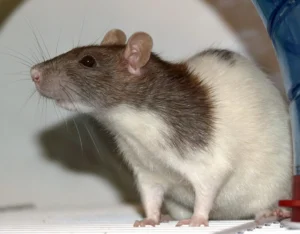
Feed a balanced diet with enough protein. Commercial rat blocks or pellets formulated for rats provide the nutrition they need to prevent deficiency-related cannibalism.
Keep compatible rats together. Some rats just don’t get along, and forcing them to live together is asking for trouble. Watch for signs of serious aggression and separate rats that can’t coexist peacefully.
Reduce stress in their environment. Keep the cage in a quiet area away from loud noises, provide hiding spots, maintain a consistent light cycle, and handle them gently and regularly.
Watch pregnant and nursing mothers carefully. Make sure they have extra food, a quiet nesting area, and aren’t disturbed excessively. Don’t handle babies for at least the first few days unless absolutely necessary.
Conclusion
Rats eat each other primarily because of stress, overcrowding, lack of resources, or illness. This behavior isn’t normal for healthy rats in good conditions, it’s a sign that something has gone seriously wrong.
In mother rats, eating dead or sick babies serves to protect the healthy babies and conserve the mother’s resources. While disturbing to witness, it’s a survival strategy that makes sense from an evolutionary perspective.
The main triggers are all preventable in captive settings: provide enough s
pace, ensure adequate food and water, maintain proper nutrition, reduce environmental stress, and keep compatible rats together. Wild rat populations show cannibalism mainly when overcrowding or resource scarcity creates desperate conditions.

Hi, my name is Ezra Mushala, i have been interested animals all my life. I am the main author and editor here at snakeinformer.com.