
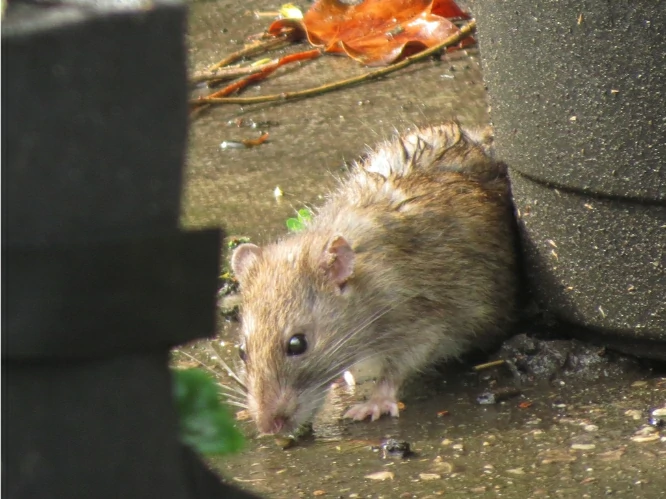
If you’ve been watching your pet rat or noticed wild rats frequently visiting water sources, you might be surprised by how much water they actually drink. These small rodents seem to be constantly heading back to their water bottle or bowl, and they’ll go out of their way to find water in the wild. So why do rats drink so much water?
Rats drink a lot of water because their small bodies have a high metabolism, they lose moisture through breathing and body heat, and they can’t produce all the water they need from food alone. An average rat drinks about 1 to 2 ounces of water per day, which is a lot relative to their body size.
This might not sound like much water, but when you think about how small rats are (usually 7 to 10 ounces for an adult), drinking 1 to 2 ounces daily means they’re drinking about 10 to 20 percent of their body weight in water each day. That’s like a 150-pound person drinking about 2 gallons of water daily.
How Much Water Rats Actually Need
A healthy adult rat typically drinks between 1 and 2 fluid ounces of water every day. Larger rats drink more, smaller rats drink less. Young growing rats also tend to drink more water relative to their size because they’re building new tissue and bone.
The exact amount depends on several things, like what they’re eating, how hot it is, how active they are, and whether they’re pregnant or nursing. A nursing mother rat might drink 3 or even 4 ounces per day because she’s producing milk for her babies.
If you have a pet rat, you can actually measure how much they drink by marking the water level on their bottle at the start of the day and checking it 24 hours later. Most rat owners are surprised to see how much the level drops.
Why Their Metabolism Needs So Much Water
Rats have really fast metabolisms compared to larger animals. Their hearts beat around 300 to 400 times per minute (yours probably beats 60 to 100 times per minute), and their bodies are constantly working to maintain their temperature and keep all their systems running.
This fast metabolism produces a lot of waste products that need to be flushed out through urine. The kidneys need water to do this job properly. Without enough water, waste products would build up in the bloodstream and make the rat sick.
Their high metabolism also means they produce a lot of body heat. To cool down, rats don’t sweat much like humans do. Instead, they lose heat through their tail and paws, and through breathing. When they breathe, moisture from their lungs evaporates into the air, which means they’re constantly losing water that needs to be replaced.
How Their Diet Affects Water Intake
What a rat eats has a huge effect on how much water they need to drink. Rats that eat mostly dry food (like commercial rat pellets or seeds) need to drink a lot more water than rats that eat fresh fruits and vegetables.
Dry food contains very little moisture, sometimes less than 10 percent water. When you compare that to fresh vegetables (which are often 80 to 90 percent water), you can see why diet matters so much. A rat eating only dry food has to get almost all their water from drinking.
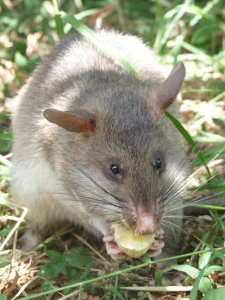
Wild rats often eat a more varied diet that includes insects, fruits, and vegetables, so they might not need to drink as much as pet rats on dry pellets. But they still seek out water sources regularly, especially in hot weather or when fresh food is hard to find.
Some rat owners notice their pets drink less when they add more fresh vegetables to their diet. This is totally normal and actually shows the rat is getting moisture from their food.
Temperature and Water Needs
When it’s hot, rats drink significantly more water. They don’t handle heat very well because they can’t sweat effectively to cool down. Instead, they rely on behavioral changes (like staying in cool spots) and drinking more water to help regulate their temperature.
In warm weather, you might see a rat’s water intake increase by 50 percent or even double. A rat that normally drinks 1.5 ounces might drink 2.5 or 3 ounces on a really hot day.
This is why wild rats are often spotted near water sources during summer. They’re not just being social, they actually need that water to survive the heat. If you live in a hot area and see rats around your outdoor water sources, this is probably why.
Indoor pet rats also drink more when room temperature goes up. If you keep your rat in a room without air conditioning during summer, make sure their water bottle is always full because they’ll go through it much faster than usual.
Why Rats Can’t Go Long Without Water
Rats can only survive about 2 to 4 days without water, depending on temperature and humidity. This is much shorter than the time they can survive without food (about 2 weeks). Water is absolutely critical for their survival.
Without water, a rat’s body starts shutting down quickly. Their blood becomes too thick to flow properly, their kidneys stop working, and they can’t regulate their temperature. Dehydration is really dangerous for these small animals.
This is why you’ll see rats taking big risks to get to water sources. Wild rats will cross open areas (where they’re vulnerable to predators) just to reach a water bowl, leaky faucet, or puddle. The need for water overrides their normal caution.
If you have a pet rat and their water bottle stops working or runs dry, you need to fix it immediately. Even missing water for 12 to 24 hours can cause serious health problems.
How Rats Find Water Sources
Rats are really good at finding water. They can smell moisture from quite far away, and they remember where reliable water sources are located. If a rat finds water in a particular spot once, they’ll keep coming back to check that spot.
They’re also smart enough to recognize the sound of dripping water. A leaky pipe, dripping faucet, or running toilet will attract rats because they associate these sounds with accessible water.
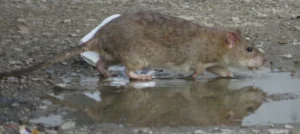
In nature, rats often live near water sources like streams, ponds, or marshes. Even rats that live in drier areas will set up their burrows within traveling distance of some kind of water source, whether it’s a creek, irrigation ditch, or even just a spot where morning dew collects.
Urban rats have it easier because cities are full of water sources. They can drink from pet bowls left outside, bird baths, leaky pipes, air conditioning condensation, and puddles. This constant water availability is one reason rat populations thrive in cities.
What Happens When Rats Drink Too Much
While it’s rare, rats can actually drink too much water. This usually only happens if a rat has a health problem that makes them abnormally thirsty, like diabetes or kidney disease.
When a rat drinks way more water than normal (like 3 to 4 ounces or more per day when they’d usually drink 1 to 2 ounces), it can mean something is wrong. The excess water dilutes the electrolytes in their blood, which can cause problems with nerve and muscle function.
If you notice your pet rat suddenly drinking much more than usual, it’s worth a trip to the vet. Increased thirst can be an early warning sign of several health conditions. The vet can run tests to figure out what’s causing the increased thirst and treat it.
Some medications can also make rats drink more. If your rat is on medication and you notice increased water intake, this might be a side effect rather than a problem.
Dehydration Signs to Watch For
Even though rats are good at finding water, they can still become dehydrated if water isn’t available or if they’re sick and not drinking.
The signs of dehydration in rats include sunken eyes, dry mouth and nose, thick saliva, and skin that doesn’t bounce back quickly when you gently pinch it.
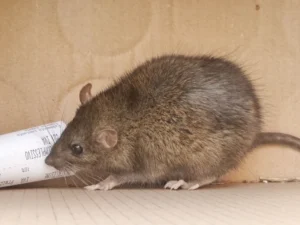
A dehydrated rat will also be lethargic and might not want to eat. Their urine will be very dark and concentrated, and they might not urinate much at all.
If you suspect your rat is dehydrated, offer them water immediately. If they won’t drink on their own, you can use a syringe (without the needle) to gently drip water into the side of their mouth. Don’t force it or they might choke, just let them lick the drops.
Severe dehydration needs veterinary care. The vet can give subcutaneous fluids (fluids injected under the skin) that absorb into the bloodstream and rehydrate the rat quickly.
Why Some Rats Drink More Than Others
Just like people, individual rats have different water needs. Some rats naturally drink a bit more or less than average. As long as your rat is healthy and their intake is somewhere in the normal range, these individual differences are fine.
Male rats tend to drink slightly more than females, probably because they’re usually bigger. Older rats might drink less than young active rats, especially if they’re sleeping more and moving around less.
Pregnant and nursing rats drink dramatically more water than non-breeding rats. A nursing mother needs to produce milk for her litter, and milk is mostly water. She might drink two or even three times her normal amount while she’s nursing.
Rats that are more active also drink more. If your rat spends hours running on their wheel, climbing, and exploring, they’ll need more water than a rat that mostly sleeps and eats.
Water Quality Matters
Rats can be picky about water quality. If their water tastes bad, smells weird, or contains too many chemicals, they might not drink enough. This is especially true for pet rats who have the option of refusing water that doesn’t taste good to them.
Tap water that’s been treated with chlorine sometimes bothers rats. The chlorine smell and taste can make the water less appealing. If you notice your rat isn’t drinking much, try giving them filtered water or letting tap water sit out for a few hours so the chlorine evaporates.
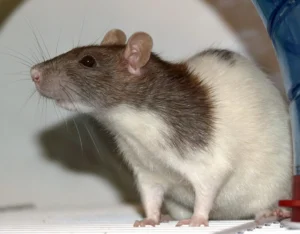
Wild rats aren’t as picky because they don’t always have options, but they’ll choose cleaner water over dirty water when they can. They prefer fresh, clean water sources over stagnant or polluted ones.
Changing your pet rat’s water daily isn’t just about hygiene, it also keeps the water tasting fresh. Rats are more likely to drink plenty of water when it’s clean and fresh.
How Water Bottles vs Bowls Affect Drinking
Pet rats can drink from either bottles or bowls, but there are some differences. Water bottles keep the water cleaner because the rat can’t get bedding, food, or droppings in it. However, some rats find it harder to get enough water from a bottle, especially if the ball bearing gets stuck.
Bowls allow rats to drink more naturally (they can lap it up like they would from a puddle), and they can drink faster from a bowl than a bottle. But bowls get dirty quickly and can spill, making the cage wet.
If you use a bottle, check it every day to make sure it’s working. Squeeze it slightly to see if water comes out. Sometimes the ball bearing gets stuck or an air bubble forms, and your rat can’t get any water even though the bottle looks full.
Many rat owners use both a bottle and a bowl to make sure their rats always have access to water. This backup system means even if one water source has a problem, the rat can still drink.
Why Wild Rats Visit Your Property for Water
If you’re seeing wild rats around your house, available water might be part of the reason. Pet water bowls left outside are a major attractant. So are bird baths, fountains, and ponds.
Even things you might not think of as water sources can attract rats. Leaky outdoor faucets, air conditioning condensation drips, and poorly drained areas where puddles form all provide drinking water for rats.

If you want to make your property less attractive to rats, fix leaky faucets, don’t leave pet water bowls outside overnight, and make sure your yard drains properly so water doesn’t pool.
That said, you can’t remove all water sources from your property. Rats are resourceful and will find moisture somewhere. But reducing easy water access, combined with removing food sources and blocking entry to buildings, can help discourage rats from setting up home on your property.
The Connection Between Water and Rat Populations
Areas with reliable water sources support larger rat populations. This is why you often find more rats near rivers, lakes, and coastal areas. The constant water supply means rats can survive and reproduce year-round without worrying about finding enough to drink.
In drier climates, rat populations are smaller and more scattered because they have to compete for limited water sources. During droughts, you might actually see rats coming closer to human buildings because that’s where the reliable water sources are.
This is also why controlling water access can help control rat populations. If you’re dealing with a rat problem on your property, part of the solution involves making sure rats can’t easily access water.
Conclusion
Rats drink a lot of water (1 to 2 ounces daily for an average adult rat) because their small size, fast metabolism, and inability to sweat mean they constantly lose moisture that needs to be replaced.
Their water needs increase even more in hot weather, when eating dry food, or during pregnancy and nursing. Without regular access to water, rats can only survive 2 to 4 days, which is why they’re so driven to find and remember water sources.
If you have pet rats, always make sure they have access to clean, fresh water in a working bottle or bowl.
If you’re dealing with wild rats, reducing their access to water around your property (along with removing food sources and entry points) can help discourage them from sticking around.

Hi, my name is Ezra Mushala, i have been interested animals all my life. I am the main author and editor here at snakeinformer.com.