
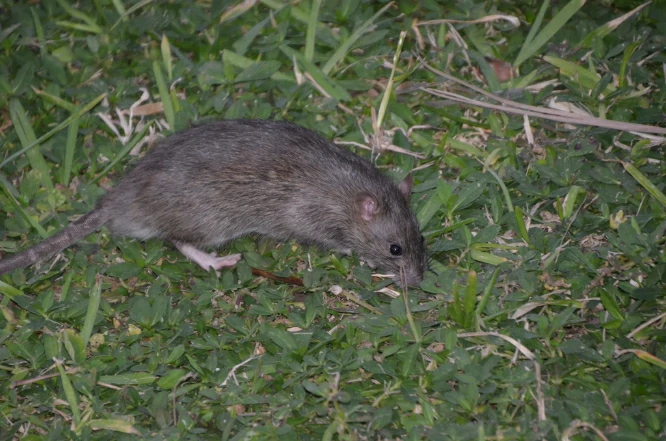
If you’ve noticed holes and disturbed soil in your plant pots, you might be dealing with rats. These rodents can turn your carefully arranged potted plants into messy excavation sites, leaving dirt scattered everywhere and your plants looking worse for wear. But why do rats dig in plant pots?
Rats dig in plant pots because they’re searching for food, building nests, or just exploring. The loose, soft soil in pots is easy to dig through, and rats often find seeds, bulbs, insects, or even leftover fertilizer to eat. They also use the soil and plant materials to build comfortable nests nearby.
When rats dig in your plant pots, they’re usually looking for something they need. The soft potting soil is much easier to dig through than hard ground, so your pots become an easy target for these curious rodents.
What Rats Are Actually Looking For
Rats don’t just dig for fun (though they do enjoy the activity). When they tear through your potting soil, they’re usually searching for food. Plant pots often contain things rats find tasty, like seeds you’ve just planted, bulbs waiting to grow, or small insects living in the soil.
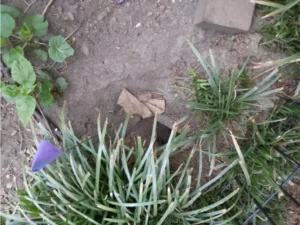
If you’ve used organic fertilizer or compost in your potting mix, that’s like a buffet for rats. They can smell the organic matter and will dig through the soil to get to it. Even bone meal or fish emulsion fertilizers attract them because these products have a strong scent that rats can detect from far away.
Sometimes rats aren’t looking for food at all. They might be checking out your pots as potential nesting sites. The soil, along with bits of plant material and roots, makes great nesting material that they can gather and take back to their burrow.
Why Potting Soil Is So Appealing
The texture of potting soil makes it really easy for rats to dig. Unlike the hard, compacted dirt in your yard or garden, potting soil is loose and fluffy. Rats can move through it quickly with their strong front paws and sharp claws.
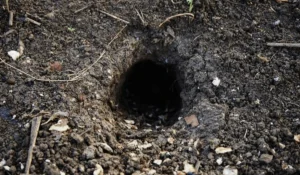
Potting soil also holds moisture, which rats need. When they dig through damp soil, they’re creating access to water droplets and humidity. In dry conditions, this moisture can be just as attractive as food.
The containers themselves provide cover too. A large plant pot with bushy foliage gives rats a hidden spot where they can dig without being seen by predators. They feel safer working under the leaves of a big plant than out in the open.
How Rats Use Plant Pots for Nesting
Rats are always looking for good nesting spots, and your plant pots might fit their needs perfectly. If a pot is large enough and sits in a quiet corner of your patio or garden, rats might decide it’s a great place to set up home.
They’ll dig into the soil and create a hollow space where they can build a nest. Then they’ll line this space with shredded plant material, fabric, paper, or anything soft they can find. Sometimes they’ll use the actual plant’s roots and stems as part of their nest structure.
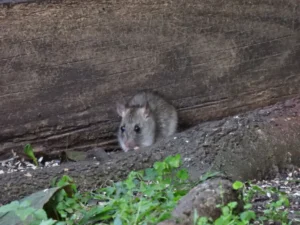
If you have multiple pots grouped together, rats might tunnel between them, creating a whole network of hideouts. This gives them several entry and exit points, which makes them feel more secure because they can escape quickly if threatened.
The Damage Rats Cause to Your Plants
When rats dig in your pots, your plants suffer. The constant digging tears through root systems, which means your plants can’t absorb water and nutrients properly. You might notice your plants wilting or turning yellow even though you’re watering them regularly.
Rats also eat parts of your plants directly. They’ll munch on tender shoots, stems, and leaves. Some rats will even eat the bark off woody plant stems, which can kill the plant entirely if they strip it all the way around.
The holes rats dig also mess up the drainage in your pots. When they tunnel through the soil, they create air pockets and channels that make water drain unevenly. Some parts of the pot might get waterlogged while others stay too dry.
Signs That Rats Are Digging in Your Pots
You’ll usually notice several signs if rats are the ones digging in your plant pots. The most obvious sign is fresh holes and disturbed soil, especially if you see this happening overnight. Rats are mostly active at night, so you’ll typically find new damage in the morning.
Look for small pawprints in the soil around your pots. Rat prints show five toes on the back feet and four on the front feet, and they’re usually about half an inch to three-quarters of an inch long.
You might also find rat droppings near the pots. Rat droppings are dark brown or black, shaped like small grains of rice, and usually about half an inch long. Fresh droppings are soft and dark, while older ones become hard and gray.
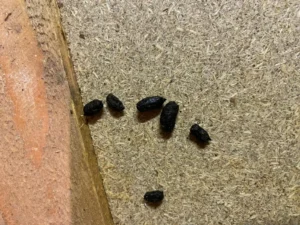
Another sign is scattered soil around the base of your pots. When rats dig, they don’t clean up after themselves. They’ll push soil out of the pot and leave it piled on your patio, deck, or wherever your pots are sitting.
Why Outdoor Pots Get Hit More Often
If your pots are outside, they’re much more likely to attract rats than indoor pots. Outdoor environments give rats easy access, and they don’t have to worry about humans being around as much, especially at night when they’re most active.
Pots near walls, fences, or buildings are especially vulnerable. Rats like to travel along edges and barriers because it makes them feel protected. If your pots sit right against your house or along a fence line, rats will naturally pass by them during their nightly travels.
Garden sheds, compost bins, and garbage areas near your pots make the problem worse. These spots already attract rats because of food and shelter, so if your plant pots are nearby, rats will investigate them too while they’re in the area.
What About Indoor Pots?
Indoor pots can also attract rats, though it’s less common. If you have a rat problem inside your house, they might dig in your houseplant pots for the same reasons they dig in outdoor pots (looking for food, nesting material, or just exploring).
Indoor rats are often more desperate for resources than outdoor rats. They don’t have access to gardens, trash cans, and other outdoor food sources, so they’ll investigate anything that might provide food or nesting material, including your houseplants.
If you’ve used organic fertilizers on your indoor plants, you’re basically putting out a “free food” sign for any rats in your house. They can smell these organic materials and will dig through the soil to get to them.
How to Stop Rats from Digging in Your Pots
The best way to stop rats from digging in your pots is to make the pots less attractive and harder to access. Start by covering the soil surface with something rats don’t like to walk on. Hardware cloth (wire mesh with small holes) cut to fit over the soil works really well. You can also use decorative rocks, gravel, or broken pottery pieces.
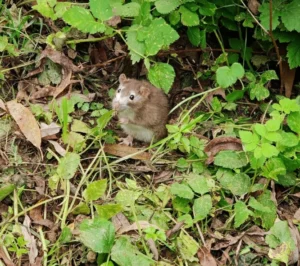
Move your pots away from walls, fences, and buildings if possible. Put them in more open areas where rats feel exposed and vulnerable. Rats don’t like crossing open spaces because they’re easier for predators to spot.
Stop using organic fertilizers, or at least switch to synthetic ones that don’t have the strong smell that attracts rats. If you really want to use organic fertilizers, mix them deep into the soil rather than leaving them on top where rats can smell them easily.
Keep the area around your pots clean and tidy. Don’t let dead leaves, fallen fruit, or other plant debris pile up near your pots. These materials attract rats and give them extra cover while they’re digging.
Other Animals That Dig in Pots
Before you assume rats are your problem, know that other animals also dig in plant pots. Squirrels are common culprits, especially in the fall when they’re burying nuts for winter. Squirrel digging usually looks more scattered and random than rat digging.
Chipmunks will also dig in pots, particularly if you’ve planted bulbs or seeds. Their digging tends to be shallower than rat digging, and you’ll often see them during the day (rats are mostly nocturnal).
Cats sometimes dig in plant pots because they see the loose soil as a convenient litter box. Cat digging usually creates a single large depression in the center of the pot, and you’ll find cat droppings buried in the soil.
Birds, particularly robins and blackbirds, will scratch around in pot soil looking for insects and worms. Bird digging is usually very shallow (just the top inch or so of soil) and you’ll see it happen during daylight hours.
When to Worry About a Bigger Problem
If you’re finding lots of digging in multiple pots, you probably have more than just one curious rat. This suggests you have a rat population living somewhere nearby, and your pots are just one of many things they’re messing with.
Look around your property for other signs of rats. Check for burrows (holes about 3 inches across) near foundations, under sheds, or in overgrown areas. Look for runways (smooth paths through grass or along walls where rats travel regularly). Check for gnaw marks on wood, plastic, or other materials.
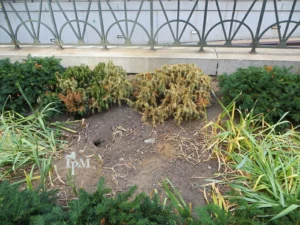
If you find evidence of rats beyond just the pot digging, you need to deal with the whole rat problem, not just protect your plants. Rats breed quickly, and a small problem can become a big infestation in just a few months.
Using Repellents and Deterrents
Some people have success using natural rat repellents around their plant pots. Peppermint oil is popular because rats really don’t like the smell. You can soak cotton balls in peppermint oil and tuck them into the soil or place them around the base of your pots.
Cayenne pepper or hot pepper flakes sprinkled on the soil surface can also deter rats. They don’t like the spicy sensation on their paws and nose. You’ll need to reapply these after rain or watering though.
Predator urine (from cats, foxes, or other animals) is sold as a rat deterrent. The idea is that rats smell the predator and stay away. This works better for some people than others, and you need to reapply it regularly.
Ultrasonic devices that emit high-frequency sounds are marketed as rat repellents. The evidence on whether these actually work is mixed. Some people swear by them, while others say they’re useless. Rats can also get used to the sound over time and just ignore it.
Trapping Rats Around Your Pots
If deterrents aren’t working, you might need to trap the rats. Snap traps are the most common and effective option. Place them near your pots, along walls, or anywhere you’ve seen rat activity. Bait them with peanut butter, dried fruit, or nuts.
Make sure to check your traps every day. A trapped rat will die quickly in a snap trap, but you don’t want to leave a dead rat sitting there. It smells bad and can attract other pests.
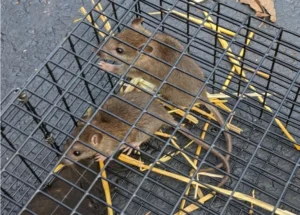
Live traps are another option if you want to relocate the rats instead of killing them. These are cage-style traps that catch the rat alive. You’ll need to check them frequently and release captured rats far from your home (check your local laws about relocating wildlife first).
Where you place your traps matters a lot. Rats travel along edges and walls, so put traps with the trigger end against the wall. Rats will run along the wall and trigger the trap as they pass.
Why Prevention Is Better Than Treatment
Once rats discover your plant pots are a good food source or nesting spot, they’ll keep coming back. Even if you trap or scare away the current rats, new ones will show up if the conditions are still attractive.
That’s why prevention is so important. Make your pots unattractive to rats from the start by using physical barriers, avoiding organic fertilizers, and keeping the area clean. This takes less effort than constantly dealing with rat damage.
Good prevention also protects your whole property, not just your plants. Rats that are attracted to your pots might also get into your house, garage, or shed. They can cause serious damage by chewing wires, insulation, and wood. They also carry diseases that can affect you and your pets.
Conclusion
Rats dig in plant pots because the soft soil is easy to work through and often contains food like seeds, bulbs, insects, or organic fertilizer.
They also use the soil and plant material for building nests, and the pots themselves provide cover while they work. Your best defense is making the pots less accessible by covering the soil with wire mesh or rocks, moving pots away from walls and buildings, and avoiding organic fertilizers that attract rats with their smell.
If you’re dealing with ongoing rat problems beyond just your plant pots, you’ll need a bigger strategy that includes trapping, removing food sources, and sealing up potential nesting sites around your property.
But protecting your pots is a good first step that can help reduce the overall rat activity in your yard.

Hi, my name is Ezra Mushala, i have been interested animals all my life. I am the main author and editor here at snakeinformer.com.